
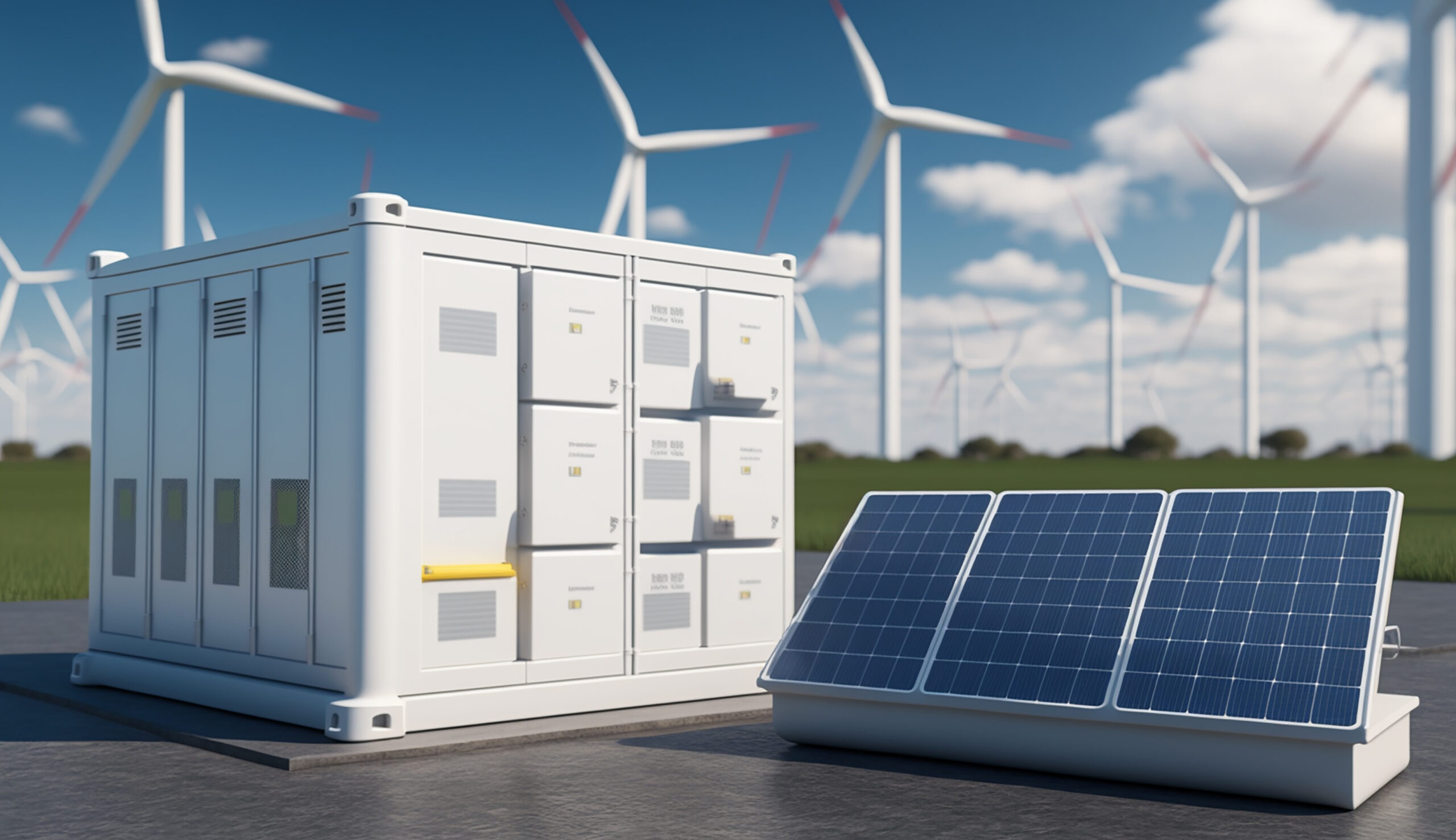
Europe is undergoing a transformative shift toward sustainable energy, driven by ambitious climate goals, increasing demand for electric vehicles (EVs), and rising adoption of renewable energy technologies. Tesla, long known for its electric cars, has positioned itself as a leader not only in transportation but also in energy solutions. Its integrated ecosystem—including EVs, solar products, and energy storage solutions—offers a unique model for consumers and utilities alike, allowing for a holistic approach to sustainability.
The integration of Tesla EVs with Powerwall, Megapack, and Solar Roof technologies demonstrates a new paradigm: vehicles are no longer just modes of transport but become dynamic components of the energy grid. In Europe, where countries are aggressively pursuing carbon neutrality and renewable energy penetration, Tesla’s energy solutions can play a pivotal role. From reducing electricity costs for households to supporting grid stability, the company’s ecosystem presents both economic and environmental benefits.
This article explores how Tesla’s energy products complement its EVs in the European context, the regulatory and market environment, adoption patterns, technical integration, and the long-term implications for both consumers and the energy industry.
1. Tesla Energy Products Overview
Tesla’s energy portfolio consists of products designed to generate, store, and optimize electricity, enabling a seamless interaction with EVs. Understanding each component is essential for grasping the potential of Tesla’s integrated energy ecosystem.
Powerwall
The Powerwall is a home energy storage solution that stores electricity generated from solar panels or the grid. Key features include:
-
Energy Independence: Homeowners can reduce reliance on the grid by storing excess solar energy for nighttime or peak demand usage.
-
Backup Power: Provides emergency power during outages, ensuring continuous electricity supply.
-
Smart Integration: Works seamlessly with Tesla EVs to optimize charging schedules, reducing electricity costs and environmental impact.
Powerpack and Megapack
For larger-scale applications, Tesla offers Powerpack and Megapack solutions designed for commercial, industrial, and utility-scale energy storage:
-
Powerpack: Modular system suitable for medium-scale storage, often deployed by businesses or community microgrids.
-
Megapack: Gigawatt-scale solution for utilities, capable of storing and dispatching energy to stabilize the grid, integrate renewable sources, and prevent blackouts.
-
Grid Support: Both systems enable demand response, load shifting, and frequency regulation, enhancing grid reliability across European networks.
Solar Roof
Tesla’s Solar Roof replaces traditional roof tiles with photovoltaic cells, combining aesthetics with energy generation. Benefits include:
-
Self-Generation: Homes generate clean energy directly, reducing dependence on fossil-fuel electricity.
-
Integration with Powerwall: Solar energy is stored efficiently for later use or for EV charging.
-
Durability: Tesla’s tempered glass tiles are designed to withstand harsh weather while maintaining efficiency.
Complementarity with Tesla EVs
The synergy between Tesla energy products and EVs enables:
-
Optimized Charging: Powerwall stores excess solar power, which can then be used to charge EVs during off-peak hours.
-
Reduced Carbon Footprint: Driving an EV charged with solar energy minimizes emissions.
-
Cost Efficiency: Consumers save on electricity and fuel costs, benefiting from both home and transportation energy management.
Tesla’s integrated approach positions its EVs as active participants in the energy ecosystem, bridging the gap between mobility and sustainable electricity consumption.
2. The European Energy Landscape
Europe’s energy landscape is rapidly evolving, driven by ambitious climate targets, decarbonization policies, and the growing adoption of renewable energy sources. Understanding this environment is critical for appreciating Tesla’s potential impact.
Renewable Energy Targets
-
EU Green Deal: The European Union aims to achieve climate neutrality by 2050, with intermediate targets for 2030, including at least 40% of electricity from renewables.
-
National Policies: Countries such as Germany, Denmark, and the Netherlands have aggressive renewable energy programs, promoting solar, wind, and hydroelectric power.
-
Integration Challenges: Increased renewable penetration requires energy storage solutions to balance intermittent supply and demand. Tesla’s products, particularly Megapack and Powerwall, address these challenges directly.
Electric Vehicle Penetration
-
EV Growth: EV adoption in Europe is accelerating, with countries like Norway, the Netherlands, and Germany leading in market share.
-
Charging Infrastructure: The expansion of charging networks, including Tesla Superchargers and public fast chargers, facilitates EV adoption and reduces range anxiety.
-
Energy Demand: EV growth increases electricity demand, highlighting the importance of integrating renewable energy and storage solutions to avoid strain on the grid.
Grid Modernization
European grids are undergoing significant modernization to accommodate higher renewable penetration and decentralized energy sources:
-
Smart Grids: Advanced metering and real-time demand response systems are being deployed across major cities.
-
Interconnectivity: Cross-border energy trading and shared grids enable better utilization of renewable resources.
-
Storage Integration: Utility-scale and home-based storage solutions are essential for grid stability. Tesla’s energy products are directly aligned with these modernization initiatives.
3. Integration of Tesla EVs and Energy Solutions
Tesla’s vision extends beyond vehicles and batteries as standalone products. The integration of EVs with energy storage and solar power creates a holistic ecosystem with tangible benefits for both consumers and utilities.
Vehicle-to-Grid (V2G) Potential
-
Bidirectional Charging: Tesla EVs can potentially feed stored energy back into the grid during peak demand, supporting grid stability.
-
Economic Incentives: Consumers could benefit from energy arbitrage, selling excess stored energy during high-price periods.
-
Grid Reliability: Large-scale integration of EVs as storage units could mitigate fluctuations from renewable sources such as wind and solar.
Solar-Powered EV Charging
-
Home Integration: Solar Roof combined with Powerwall allows homeowners to charge EVs using clean energy generated on-site.
-
Environmental Impact: Reduces reliance on fossil-fuel electricity, lowering household carbon emissions.
-
Cost Savings: Optimized energy use minimizes peak-hour electricity costs, maximizing economic efficiency for EV owners.
Smart Energy Management
Tesla’s Energy App and vehicle software enable seamless management:
-
Scheduling EV charging during solar production or off-peak electricity hours.
-
Monitoring household and vehicle energy consumption.
-
Receiving predictive insights to optimize energy storage and utilization.
Benefits for Consumers and Utilities
-
Consumers: Reduced energy costs, increased autonomy from the grid, enhanced sustainability.
-
Utilities: Stabilized demand, reduced strain during peak loads, and integration of decentralized renewable energy resources.
Tesla’s integrated energy ecosystem positions it uniquely to influence how energy is consumed and managed in European households and communities.
4. Case Studies and Pilot Programs
Tesla’s integrated energy and EV solutions are already being tested and implemented across several European countries, offering valuable insights into adoption patterns and effectiveness.
Germany: Solar Integration with EVs
Germany, a leader in renewable energy adoption, has seen Tesla Powerwall and Solar Roof installations integrated with EV charging:
-
Pilot Communities: Tesla has partnered with homeowners to test solar-powered EV charging in urban and suburban areas.
-
Grid Interaction: Powerwalls provide backup storage and allow controlled energy flow to the grid during peak demand.
-
Consumer Impact: Households report lower electricity bills, increased energy independence, and smoother EV charging experiences.
Netherlands: Urban Energy Management
The Netherlands has embraced smart city initiatives that align well with Tesla’s ecosystem:
-
Community Microgrids: Tesla Powerwalls and EVs are integrated into local microgrids to optimize renewable energy utilization.
-
Smart Charging: Tesla vehicles are charged primarily using solar energy during the day, reducing reliance on fossil-fuel-powered grid electricity.
-
Scalability Lessons: These pilots demonstrate how urban infrastructure can accommodate high EV penetration without overloading the electricity network.
Nordic Countries: Harsh Climate Adaptation
Nordic countries like Norway and Sweden provide extreme testing conditions for Tesla energy solutions:
-
Climate Challenges: Cold weather and shorter daylight hours challenge solar energy production and battery efficiency.
-
Technical Adaptations: Tesla has optimized Powerwall and vehicle battery management for low temperatures, ensuring reliable performance year-round.
-
Renewable Integration: High renewable energy penetration in these countries allows Tesla’s ecosystem to contribute meaningfully to grid stability and sustainability.
These case studies highlight the practical benefits and challenges of integrating Tesla energy products with EVs, demonstrating real-world viability across diverse European contexts.
5. Economic and Environmental Implications
The integration of Tesla EVs with energy storage and solar solutions has profound economic and environmental implications for Europe.
Cost Savings for Consumers
-
Electricity Bills: Households using Powerwall and Solar Roof in combination with EVs reduce reliance on grid electricity, especially during peak pricing hours.
-
Vehicle Charging Costs: Solar-powered charging minimizes energy costs for daily commuting.
-
Long-Term Investment: Although initial setup costs may be significant, the combination of government incentives, reduced electricity bills, and potential FSD-enabled mobility features increases long-term value.
Contribution to Carbon Reduction Goals
-
Decarbonization: By using renewable energy for vehicle charging and household electricity, Tesla’s ecosystem supports Europe’s ambitious CO₂ reduction targets.
-
Grid Emission Reduction: Vehicle-to-Grid (V2G) and energy storage reduce dependence on fossil-fuel-based power during peak demand.
-
Scalable Impact: Widespread adoption could significantly decrease Europe’s transportation and residential carbon footprint, reinforcing climate goals.
Impacts on Traditional Energy Market
-
Decentralized Energy Production: Home solar and storage reduce reliance on centralized power plants.
-
Grid Stabilization Opportunities: Utility-scale Tesla installations like Megapack help balance intermittent renewable energy, providing cost-effective grid management solutions.
-
Competitive Pressure: Tesla’s integrated model challenges traditional utilities to innovate or risk losing market share in distributed energy services.
6. Challenges and Barriers
Despite the potential benefits, several challenges may slow Tesla’s energy ecosystem adoption across Europe.
Regulatory Constraints
-
Permitting and Installation: Different countries have varying rules for solar panel installation, energy storage, and grid interaction. Compliance can be time-consuming and costly.
-
Energy Market Regulations: Feed-in tariffs, net metering policies, and incentives vary widely, affecting financial feasibility for consumers and Tesla.
-
Data Privacy and Smart Grid Laws: V2G and smart energy management systems must comply with GDPR and other local data regulations, potentially limiting functionality.
Grid Readiness and Storage Limitations
-
Infrastructure Variability: While some regions have advanced smart grids, others lack sufficient digital infrastructure to support large-scale energy integration.
-
Energy Storage Capacity: High penetration of EVs increases electricity demand; without adequate storage, grid stability could be compromised.
-
Interoperability: Tesla products must be compatible with local utility systems, requiring additional software and hardware adjustments.
Consumer Awareness and Adoption Barriers
-
Knowledge Gap: Many consumers are unfamiliar with energy storage and solar integration. Tesla must educate potential buyers on benefits and technical aspects.
-
Initial Costs: Although long-term savings exist, upfront investment in Powerwall, Solar Roof, and EVs can be a barrier for widespread adoption.
-
Behavioral Change: Consumers may need to adapt habits, such as charging schedules and energy consumption patterns, to maximize benefits.
7. The Road Ahead: Scaling Tesla Energy in Europe
Tesla’s future growth in Europe depends on both technological innovation and strategic market expansion.
Future Product Updates
-
Software Enhancements: Tesla will continue refining energy management apps, optimizing EV charging, solar generation, and home storage usage.
-
Hardware Improvements: Next-generation Powerwalls, solar panels, and Megapacks with higher efficiency and durability are expected to be rolled out.
-
Integration with FSD EVs: Enhanced coordination between EVs and energy systems will improve cost efficiency, convenience, and sustainability.
Expansion Plans and Market Strategy
-
Targeted Rollouts: Tesla will likely focus on countries with supportive policies, high EV adoption, and strong renewable energy programs.
-
Partnerships with Utilities: Collaborating with energy providers can streamline grid integration and enable V2G functionality.
-
Consumer Education Campaigns: Demonstrating cost savings and environmental impact will be critical to increase adoption.
Collaboration with Governments and Utilities
-
Incentives and Subsidies: Government support for renewable energy and EV infrastructure will accelerate adoption.
-
Grid Modernization Projects: Working with utilities to upgrade infrastructure ensures reliability and smooth integration of Tesla products.
-
Standardization: Participation in European standard-setting initiatives will help ensure interoperability and regulatory compliance.
Conclusion
Tesla’s integration of EVs, solar power, and energy storage presents a transformative opportunity for Europe’s sustainable energy transition. By connecting vehicles to homes and the grid, Tesla creates a comprehensive ecosystem that reduces costs, lowers emissions, and supports renewable energy adoption.
While the potential benefits are substantial, challenges including regulatory complexity, infrastructure readiness, and consumer adoption barriers remain. Success in Europe will depend on strategic deployment, continuous technological improvements, and effective collaboration with governments and utilities.
Ultimately, Tesla’s energy and EV integration demonstrates a forward-looking model for how clean technology can reshape transportation, energy consumption, and the broader environmental landscape.
FAQ
Q1: How does Tesla integrate EVs with energy products in Europe?
Tesla integrates EVs with Powerwall, Solar Roof, and Megapack systems to optimize energy usage, reduce costs, and support renewable energy adoption.
Q2: What are the main challenges for Tesla energy adoption in Europe?
Challenges include regulatory constraints, variable grid readiness, energy storage limitations, consumer awareness gaps, and upfront installation costs.
Q3: Can Tesla EVs contribute to grid stability?
Yes, through Vehicle-to-Grid (V2G) technology, Tesla EVs can store energy and feed it back to the grid during peak demand.
Q4: Which countries are most suitable for Tesla energy expansion?
Countries with supportive policies, high EV adoption, and strong renewable energy infrastructure—such as Germany, Netherlands, Norway, and Sweden—are prime targets.
Q5: How does Tesla’s ecosystem support Europe’s climate goals?
By integrating renewable energy generation, storage, and EV charging, Tesla reduces carbon emissions from both transportation and household electricity consumption.