
1. Introduction
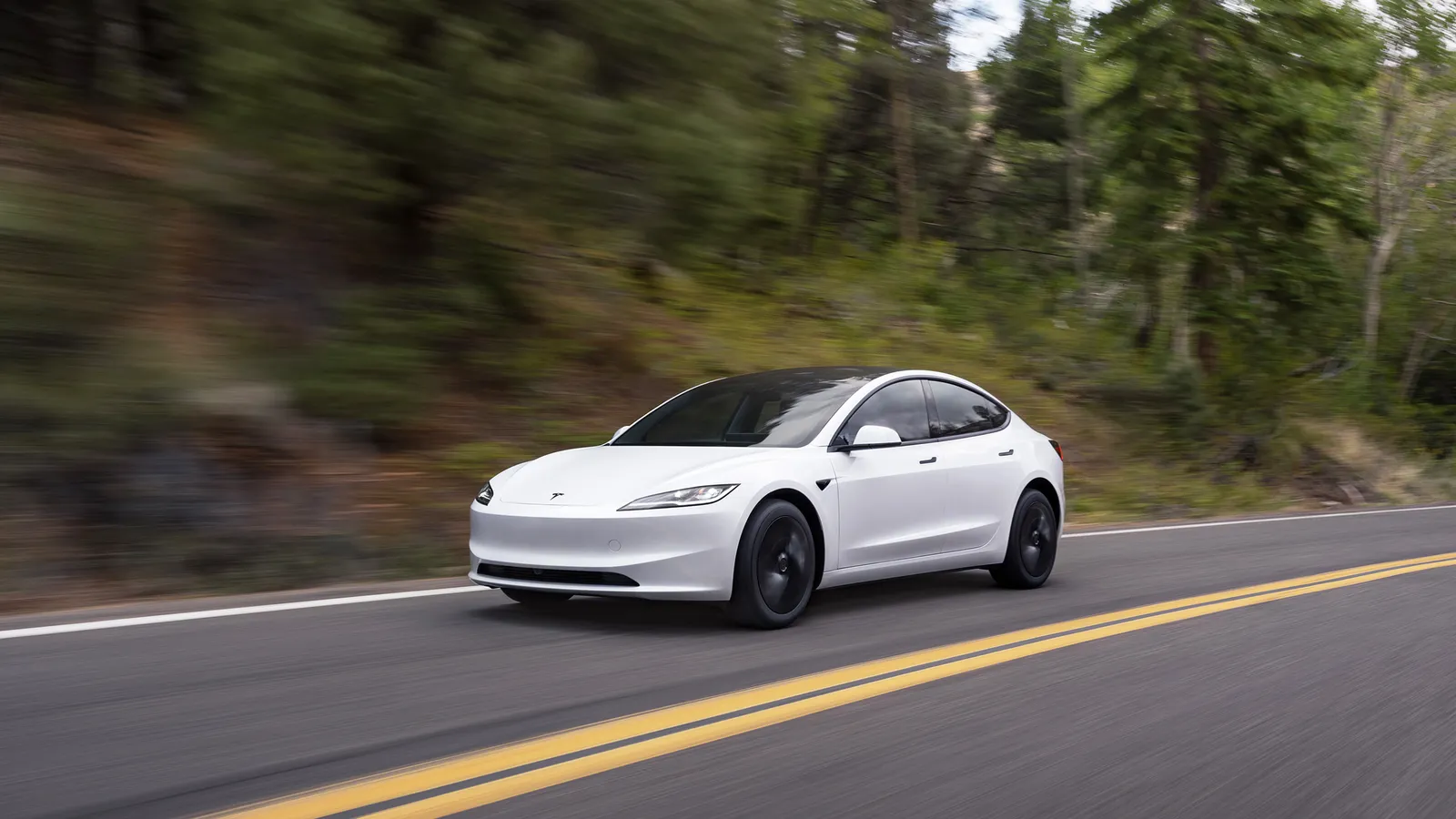
In October 2025, Tesla took a significant step in its product strategy by formally introducing the “Standard” variants of its two main volume models: the Tesla Model 3 sedan and the Tesla Model Y SUV. These new trims are positioned at lower price points—approximately USD 36,990 for the Model 3 Standard and USD 39,990 for the Model Y Standard in the U.S. market.In Europe the Model Y Standard launches from around €39,990 in Germany and other markets.
For current and future Tesla owners in the U.S. and Europe, this move raises a number of important questions:
-
What exactly are the trade-offs in the “Standard” trims (features, range, service)?
-
What does this mean for the brand’s strategy and for the existing Tesla owner ecosystem?
-
How will this affect residual values, upgrade decisions, and the overall Tesla ownership experience?
-
Is this a stepping stone toward true mass-market electric vehicles, or does it risk eroding margins and brand strength?
In this article, we will dive deeply into these questions. We will first examine what the new variants include (and what they omit), then analyze the strategic logic behind Tesla’s decision, followed by the implications for U.S. and European owners (both prospective and current). We will conclude with advice for owners and buyers navigating this evolving landscape.
2. What the “Standard” Trim Includes (and What It Omits)
2.1 Pricing and Positioning
-
In the U.S., Tesla has listed the Model 3 Standard at approximately US$36,990 and the Model Y Standard at US$39,990.
-
In Europe (for the Model Y Standard), pricing begins at around €39,990 (~US$46,000) in Germany and the Netherlands.
-
Carwow notes that in Europe the Model Y Standard represents a price drop of around €5,000–€10,000 compared to the previous base rear-wheel-drive version.
2.2 Key Features Kept and Core Specifications
-
Tesla maintains core electric-drivetrain architecture, meaning the new “Standard” variants still benefit from Tesla’s existing platforms, battery & motor technology, and the built-in Tesla digital ecosystem (central large touchscreen, over-the-air updates, Tesla app connectivity) as noted in coverage.
-
For example, for the Model Y Standard in Europe, it is claimed to deliver WLTP range ~534 km (~≈332 miles) and a 0-100 km/h (0-62 mph) time of ~7.2 seconds.
-
Tesla notes that the Standard versions are built on existing lines (e.g., at Gigafactory Grünheide for European Model Y).
2.3 What Has Been Trimmed / Compromised
To hit the lower price point, Tesla has made a number of trade-offs:
-
The Standard versions omit some premium features: For example, fabric (textile) seats instead of premium leather or vegan leather vs higher-trim versions.
-
Some interior features are simplified: fewer speakers (e.g., 7-speaker stereo instead of 15), manual rather than power adjustments in some markets, no rear infotainment screens, simplified wheels, possibly smaller frunk/less storage.
-
Exterior and structural tweaks: The Model Y Standard may have simplified front fascia, smaller/more aerodynamic wheels (e.g., 18″ aperture wheels), and other cost-saving changes.
-
Feature-set reduction in driver-assist: In the U.S., the Standard version initially is listed without including Tesla’s Full Self-Driving (FSD) standard; optional upgrade may be required.
-
In Europe, while the Autopilot (standard driver-assistance) appears included, the cost-savings still manifest in other trims/features.
2.4 What Owners Should Note
From a Tesla-owner perspective (or prospective buyer), these trade-offs mean:
-
While the core EV capability (battery, drivetrain, ecosystem) remains strong, some “luxury” or “premium” elements have been stripped. For example, if the car feels less premium (material finishes, fewer convenience features), that may affect the “brand experience”.
-
The Standard variant may be positioned as “entry into the Tesla ecosystem” rather than premium experience—if you compare to higher trims, the differences may matter for owners who value luxury or high performance.
-
For current Tesla owners, the arrival of a lower-priced variant means the “entry point” into Tesla ownership has changed, which may affect residual values of higher trims (more on this below).
3. Strategic Rationale Behind the Move
3.1 Market Pressures and Competitive Dynamics
-
Tesla is operating in a market where competition is intensifying: Both in the U.S. and Europe, EV adoption is growing, but so are offerings from legacy automakers and Chinese EV brands. Tesla’s prior dominance and relatively high price-point left opportunity for competitors to capture price-sensitive buyers. The launch of these lower-cost variants is a direct response to that competitive challenge.
-
In Europe in particular, Tesla faced declining market share and falling registrations: as one trade-media piece notes, European registrations for Tesla had fallen significantly year-on-year.
-
Margin pressures: With rising costs (material, logistics, labour) and fewer subsidies (especially in the U.S., where certain tax incentives expired or are phased out), Tesla is motivated to expand its addressable market narrower to maintain volumes and reduce unit cost. The Standard variants use existing platforms rather than developing entirely new “budget” EVs, thereby controlling costs. TESMAG+1
3.2 Broader Strategy: Volume, Accessibility & Ecosystem
-
By introducing lower-cost variants, Tesla is seeking to broaden its customer base, move further down-market and accelerate adoption of its brand and ecosystem. For U.S. buyers especially, a ~$37,000 starting price makes the entry point more competitive.
-
Tesla’s ecosystem (software updates, supercharger network, resale value, brand prestige) becomes more accessible if more buyers enter. This may help Tesla lock in “owners” into the brand sooner, creating future upsell possibilities (e.g., higher trims, FSD upgrades, services).
-
From a manufacturing standpoint, re-using existing production lines and trimming features (rather than launching a ground-up new “$25k model”) is faster to market and lower risk. Some reports note that Tesla abandoned the plan for a ~$25k vehicle and instead opted for “simplified versions of existing models”.
3.3 Margin & Brand Implications
-
The obvious trade-off: lower price usually means lower margin per unit (unless cost reductions compensate). But Tesla’s whole model has been based on high-efficiency production and technology advantage. By launching a lower-cost variant without major new investment, Tesla aims to maintain margin while expanding volume.
-
Brand risk: Tesla built its reputation on being a premium/elevated EV brand with cutting-edge tech. Moving lower-cost raises the question: will Tesla’s premium image dilute? For existing owners who paid premium prices for earlier trims, the arrival of cheaper models may cause some discontent or residual-value risk.
-
Cannibalisation risk: There is a potential risk that buyers who would have purchased higher trims now opt for the Standard versions, reducing average selling price (ASP) and margin. Tesla and analysts have flagged this concern previously.
4. Impact on Current Tesla Owners in US & Europe
4.1 U.S. Owners: What to Consider
-
For U.S. Tesla owners who purchased earlier versions at higher price points, the arrival of the Standard variant may affect residual value and competitive positioning of their vehicle. If entry-level models are cheaper, the “premium” gap may shrink.
-
If you are considering a new purchase or an upgrade, you now have a more affordable path into Tesla ownership (via Standard) but you must decide whether you are willing to accept the trimmed features. For example, if you value performance, premium finishes, larger battery/range, or full FSD readiness, you may prefer higher trims.
-
Maintenance/service and software updates: Tesla maintains the same core hardware (e.g., hardware version, vehicle architecture) so owners of Standard vs higher trims should continue to receive OTA updates. However, Tesla has in the past limited some features to higher trims (or future purchases) which owners should be aware of.
-
Trade-in considerations: If you currently own a higher-trim Tesla (Model 3 or Model Y) and are considering selling/trading in, you’ll want to monitor how the market values the lower-cost variants and whether that shifts your vehicle’s value.
4.2 European Owners: Specific Nuances
-
In Europe the price drop for the Model Y Standard is more significant (in some markets up to ~20% cheaper compared to previous base model).
-
For European Tesla owners, this means: more competition for buyers and potential downward pressure on used value of previous base trims. If newer buyer-entry versions are available cheaper, resale value may decline more sharply.
-
For those considering new purchases: The Standard version offers a compelling entry into Tesla SUV ownership for ~€40,000 in some markets. However, you should check local availability (some markets such as UK right-hand drive, Australia etc may not yet be supported) and local incentive/subsidy structure.
-
Also: The Standard version may still qualify for local EV incentives depending on country; this can further improve value proposition—but owners must check eligibility carefully.
-
Owners who purchased higher trims largely for premium feel may feel the brand has shifted downward; this psychological shift may influence owner satisfaction, community sentiment and ultimately long-term loyalty.
4.3 Buy vs Upgrade vs Hold Decision Factors
If you are an existing Tesla owner or prospective buyer in the U.S. or Europe, here are some key decision-factors:
-
If you plan to buy now: Consider whether the Standard variant meets your needs in terms of features, range, performance. If you don’t need all premium options and you’re budget-sensitive, the Standard may be a smart choice.
-
If you plan to upgrade: If you currently own a higher-trim Tesla, determine whether the new Standard version impacts your vehicle’s value and whether upgrading now is still wise.
-
If you plan to hold your car longer-term: The shift in pricing and model hierarchy means you should monitor how Tesla supports older vehicles, whether software/hardware updates remain equivalent, and how the used-EV market evolves.
5. Margin & Brand Implications for Tesla
5.1 Profitability & Margin Pressures
-
While Tesla does not publish model-specific margins, industry analysts express concern that lowering average selling price (ASP) and trimming features will squeeze margins. For example, Reuters reported that starting prices of the Standard models “were too high, some said, to attract a new class of buyers” and raised concern about margin and cannibalisation.
-
Tesla’s cost reduction strategy partly depends on re-using existing platforms and manufacturing lines, and cutting non-core features rather than launching entirely new low-cost architectures. This helps retain margin but still entails risk if volumes don’t grow sufficiently.
-
In Europe, where Tesla has been facing declining registrations (e.g., a ~33% year-on-year drop through August in one report) the pressure to boost volume is significant.
5.2 Brand Positioning: Premium vs Accessible
-
Tesla’s brand strength has historically hinged on being premium, technologically advanced and somewhat aspirational. By releasing lower-cost variants, Tesla is shifting toward broader accessibility. That is a positive in terms of volume and scale, but may risk diluting the “premium Tesla” image.
-
For current owners who paid higher prices for “premium” trims, the arrival of lower-cost entry points may lead to questions about value and positioning. This could affect brand loyalty, perceived exclusivity, and owner community sentiment.
-
The real test will be how Tesla manages the feature differentiation, service experience, and software support across trim levels. If lower-cost trims feel significantly inferior in user experience, the brand risk is higher. Conversely, if Tesla maintains strong core experience across the board, this move could be a clever expansion of market share.
5.3 Long-Term Implications
-
If the Standard variants successfully drive volume growth while preserving margins, Tesla could strengthen its global scale, reduce cost per unit, and invest further in its ecosystem (charging, software, autonomous driving hardware).
-
However, if volumes do not increase sufficiently, or if margin erosion and cannibalisation overwhelm, the move could weigh on profitability, vehicle availability, or service support.
-
For owners, the long-term implication is that Tesla’s value proposition may increasingly shift from “luxury EV” to “accessible EV with Tesla ecosystem”. Owners should watch how this shift plays out in pricing, service, residual value, and upgrade paths.
6. Advice for Prospective and Existing Owners
6.1 For Prospective Buyers
-
If you’re considering buying a Tesla now and budget is a key constraint, the Standard variant may offer excellent value: entry into Tesla’s ecosystem at a lower entry price.
-
But check carefully what you are giving up: If you value premium interior materials, larger battery/range, enhanced audio or full FSD readiness, you may find that the higher trim is still worth the extra cost.
-
Consider timing: Launch of the Standard trims is very recent (October 2025 in U.S., Europe rollout just starting). Early deliveries may have build/quality issues, so adopting a “wait and see” approach may be wise if non-urgent.
-
Evaluate local incentives/subsidies, charging infrastructure in your region, and future resale prospects: If you buy now, will your vehicle hold value or will downward pressure from newer, cheaper models reduce resale?
6.2 For Current Tesla Owners
-
If you own a higher-trim Model 3 or Model Y and are considering an upgrade/switch, account for the arrival of the Standard variants when evaluating your trade-in value.
-
Monitor how Tesla treats different trims in terms of software updates, service support, feature roll-out. A perception of “premium gets priority” may affect your ownership satisfaction.
-
If you plan to hold your vehicle long-term, consider the risk of faster depreciation: as entry-price drops and competition increases, used values may come under pressure. Plan maintenance, software support, and resale timeline accordingly.
-
Engage with owner community/forums to share your experience and observe how early Standard-variant deliveries perform in quality and ownership experience.
6.3 For All Owners: Keep an Eye On
-
Tesla’s next major vehicle or platform: If Tesla launches a truly new generation platform (rumoured for <$30k) or major refresh, the value of current vehicles could shift more radically.
-
Market supply dynamics: Entry of lower-cost Tesla models plus increasing competition from other EV brands (especially China-based) will affect pricing, promotions, residual values.
-
Service network and charging infrastructure growth: As Tesla moves down-market, volume increases—but so do demand for service, parts, repairs. Owners should monitor local network capacity and wait-times.
-
Software and hardware roadmap: Tesla’s advantage is its software/OTA updates. Owners should verify that their vehicle’s hardware version is future-proof (e.g., Tesla Hardware 4) and that Tesla continues to treat older cars well.
7. Conclusion
The introduction of Tesla’s “Standard” Model 3 and Model Y variants is a bold strategic move: making Tesla ownership more accessible, responding to intensifying competition and cost pressures, and extending the brand’s reach. For U.S. buyers and European buyers alike, it offers a more affordable entry point into the Tesla ecosystem.
However, this move does not come without risk. The trade-offs in features, the potential margin pressure, the brand positioning implications, and the impact on existing owners and resale values are significant. For current or prospective Tesla owners, the key is to understand what you’re getting—and what you’re giving up. If your priority is simply to enter the EV market, get long range, tap into Tesla’s ecosystem, the Standard variant may be a smart choice. If your priority is premium experience, maximal range/performance, or maximal resale value, you may still want to consider higher trims or wait for a next-generation platform.
In short: the Tesla Standard variants represent both opportunity and caution. As an owner or buyer in the U.S. or Europe, your decision should be informed by your priorities: budget, features, upgrade timeline, resale horizon, and brand loyalty. Keeping a watchful eye on how Tesla supports, markets, and values these variants will be key to getting the most out of your investment.
8. FAQ
Q1: Are the “Standard” versions truly entry-level and will Tesla go further down in price later?
-
A: The Standard versions are currently the lowest priced trims in Tesla’s lineup (~US$37k / ~€40k). Tesla had previously signalled a target for a ~$25,000 EV but appears to have pivoted away from that in favour of simplified versions of existing models.
-
Whether Tesla will launch an even lower‐cost model remains uncertain; owners/buyers should assume that further price drops could impact resale value.
Q2: Should I sell my existing Tesla now because the new Standard version is cheaper?
-
A: Not necessarily; it depends on your vehicle’s specification, how long you’ve owned it, your local used‐EV market, and how you plan to use/sell it. If you own a high‐spec older trim, the lower entry price may create some downward pressure on residual value — but many buyers still value range, service/support, used condition and brand. Monitor valuations in your region.
Q3: Do the Standard trims receive the same software/updates and access to Tesla’s ecosystem?
-
A: The core Tesla ecosystem (OTA updates, large central touchscreen, Tesla app, charging network) remains for these trims. However, some optional features (premium audio, large alloy wheels, certain interior trims) are omitted. Owners should check hardware version (e.g., Tesla HT4) and regional software licensing (especially FSD eligibility) if these aspects matter.
Q4: As a European buyer, is the Standard version available in all countries?
-
A: Not yet. At launch, the Model Y Standard is available in select mainland European countries (e.g., Germany, Netherlands, Norway, Sweden) starting ~€39,990. Right-hand-drive markets (such as the UK, Australia) were not included in the immediate rollout.
Q5: Will the arrival of the Standard trims affect premium Tesla models’ value and features?
-
A: Very likely yes, to some extent. Lower entry pricing may compress the value gap between trims, and increased competition across trims may affect used values for previous high trims. For owners of premium variants, the question becomes whether their vehicle continues to offer sufficient differentiation (in features, comfort, performance, service) to justify the premium they paid. It’s wise to factor this into upgrade or resale planning.