
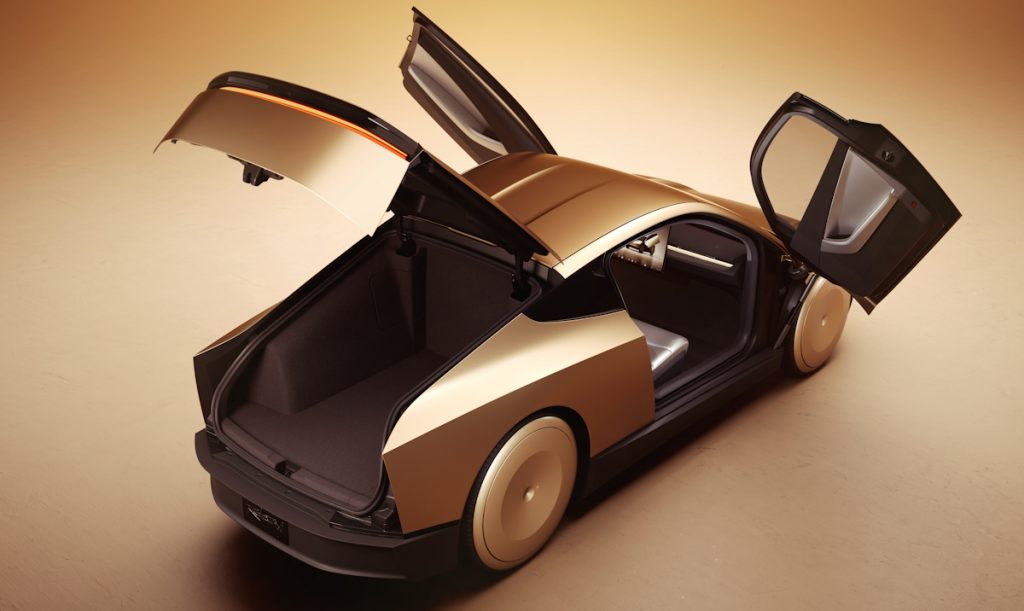
Introduction: The Vision of a Purpose‑Built Robotaxi
Tesla’s Cybercab represents one of the most ambitious shifts in automotive history: a purpose‑built, fully autonomous electric robotaxi designed from the ground up with no steering wheel, pedals, or driver controls — a vehicle intended to ferry passengers without any human at the helm. This shift places Tesla directly in competition with other autonomous ride‑hailing leaders like Waymo and Zoox and signals a future where car ownership may become optional for many drivers.
In early 2026, Cybercab prototypes have been spotted in real‑world settings, and Tesla continues expanding its robotaxi testing footprint — a sure sign the era of autonomous urban transport is rapidly approaching. Today’s developments are not just about concept vehicles anymore; they’re on public streets and being evaluated in real traffic.
This article explores the latest Cybercab testing milestones, the engineering and regulatory challenges ahead, and what this means for Tesla owners and the broader automotive ecosystem.
1. Cybercab’s Testing on Public Roads: Reality Meets Ambition
1.1. Recent Sightings and Test Runs
In January 2026, Cybercab prototypes were spotted in the wild, undergoing real‑world tests across public streets in the United States. These sightings include adjusted vehicle designs and aerodynamic tweaks compared with earlier concept versions — indicating Tesla is actively refining the Cybercab ahead of production.
Earlier sightings had also shown the Cybercab prototype navigating highway and city traffic in Austin, Texas — a major testing ground for Tesla’s autonomous programs.
1.2. What the Tests Signal
These tests are significant because:
-
They demonstrate Tesla’s confidence in the AI and sensor software to handle real traffic scenarios.
-
They suggest progress toward regulatory testing readiness, even though full autonomous commercialization remains subject to approvals.
-
They provide critical data from real driving conditions, using actual road geometry, interactions with other vehicles, and complex traffic behavior.
In short, Tesla is moving from closed‑track testing to public‑road validation, which is a required step before broader public deployment.
2. Production Status and Challenges: From Prototype to Volume Cars
2.1. Production Timeline
CEO Elon Musk has stated that **Cybercab production is slated to begin in Q2 2026, marking a major milestone for Tesla’s autonomous vehicle strategy.
The vehicle is designed at Tesla’s Giga Texas facility, where preparations have been underway for months, with job postings and tooling focused on autonomous vehicle assembly specifically for this platform.
2.2. “Agonizingly Slow” Initial Output
Despite a planned production start, Tesla has warned that initial volumes will be “agonizingly slow” due to the complexity of manufacturing a vehicle with no driver controls and its unique hardware requirements. This is typical with cutting‑edge designs that depart from conventional automotive layouts, but Tesla has signaled confidence that output will ramp up as experience grows.
Initial production might involve lower quantities while quality and safety metrics are validated — especially since this vehicle must meet both manufacturing excellence and regulatory compliance for safe, unsupervised operation.
3. Design Innovations: What Makes the Cybercab Unique
3.1. Driverless‑First Architecture
The hallmark of the Cybercab design is its absence of traditional controls:
-
No steering wheel
-
No pedals
-
No driver control interface
This setup aligns the vehicle with what regulators call Level 4 or Level 5 autonomy, where human intervention is not expected during normal operation.
Tesla’s approach contrasts with most current autonomous prototypes — which often retain a steering wheel, or driver controls for legal or safety backup — emphasizing Tesla’s belief that its Full Self‑Driving (FSD) software and sensor suite can handle complex road environments.
3.2. Sensors, Redundancy, and Software Stack
While Tesla has released limited details on all Cybercab sensors, the autonomous platform is widely understood to leverage:
-
Multi‑camera arrays
-
Radar (where applicable)
-
Ultrasonics (for close object detection)
-
A powerful onboard AI processor running Tesla’s latest FSD software
These allow the vehicle to “see” and interpret road scenes, navigate intersections, and make decisions without human intervention — a sophisticated challenge that only a few companies in the world are attempting at scale.
4. Regulatory Landscape and Compliance Considerations
4.1. U.S. Federal and State Requirements
In the United States, placing a purpose‑built autonomous vehicle on public roads for passenger service requires approval from the National Highway Traffic Safety Administration (NHTSA), among others. This is complex because current safety regulations assume a human driver — whereas the Cybercab assumes no human controls.
Regulators can grant exemptions from traditional rules, but this process is often lengthy and subject to strict safety validation.
4.2. Autonomous Deployments Globally
Beyond the U.S., Tesla will need to navigate European and Asian regulatory frameworks, each with unique standards for autonomous vehicle certification. Europe’s regulatory ecosystem often emphasizes rigorous type‑approval procedures, while China requires localized compliance tests and data privacy safeguards.
Tesla’s rollout strategy is expected to follow a phased approach: first the U.S., then other regions as approvals occur — potentially into 2027 or beyond.
5. Cybercab’s Role in Tesla’s Robotaxi Ecosystem
5.1. Integration With Existing Robotaxi Fleet
Tesla’s robotaxi service has already launched limited rides in Austin — recently without safety monitors in some vehicles — using existing Model Y cars equipped with advanced FSD software.
The Cybercab is seen as the next generation of that service:
-
A vehicle built specifically for autonomous service.
-
Optimized for efficiency and passenger comfort rather than conventional driving.
-
Potentially able to undercut ride costs due to its simplified design and optimized operating model.
5.2. Cost and Ride Economics
Early projections from Tesla suggest that the Cybercab could operate at a lower cost per mile compared with human‑driven ride‑hailing models — a potential game changer for urban transport economics.
If this materializes at scale, rides could be cheaper than traditional services, driving higher utilization and transforming urban mobility patterns.
6. Real‑World Feedback and Public Perception
6.1. Driverless Testing Reception
Public reactions to Cybercab sightings have been mixed — from excitement about autonomous capabilities to concerns about design and safety. Enthusiasts have shared sightings in cities like Austin and San Francisco, indicating a groundswell of real‑world curiosity and interest.
Social media buzz also includes debates over design language, usability, and timing of mass deployment — showing that while interest is high, expectations are varied.
6.2. Analyst and Investor Views
Investors have responded positively to advancements in Tesla’s autonomous push, with stock gains tied to robotaxi progress and future earnings outlooks. Some analysts see the Cybercab as a strategic differentiator that could unlock a new revenue stream beyond consumer EV sales.
However, skepticism persists regarding timelines, regulatory hurdles, and the maturity of autonomous software.
7. What This Means for Tesla Owners
For current and prospective Tesla owners in the U.S. and Europe:
-
Ownership models could shift from private cars to combined ownership + ride‑hailing ecosystems.
-
Owners may soon participate in Tesla’s robotaxi network either as drivers (on existing vehicles) or by leveraging ride credits.
-
New service models could blur lines between ownership and on‑demand mobility.
Understanding these shifts allows owners to make informed decisions about upgrades, long‑term vehicle investments, and entry into future autonomous economies.
Conclusion: The Road Ahead for Cybercab
Tesla’s Cybercab is no longer just a futuristic concept — it’s actively being tested on public streets and preparing for initial production. While regulatory approval, safety validation, and production scaling remain significant hurdles, the real‑world testing we’re seeing today indicates that Tesla’s autonomous vision is materially advancing. For owners and future adopters alike, this represents a transformative era in transportation — one where autonomous robotaxis could reshape how we travel, work, and live.
Frequently Asked Questions (FAQ)
1) When will Cybercab production start?
Tesla has indicated production will begin in Q2 2026, with volume increasing later in the year.
2) Will Cybercabs be available outside the U.S.?
Tesla plans to roll out robotaxi and Cybercab services internationally, but regulatory approval in each region (Europe, China, etc.) will determine actual deployment timelines.
3) Can the Cybercab operate without a steering wheel legally?
Current regulations require special exemptions for vehicles with no human controls. Tesla is pursuing approvals, but must demonstrate safety and compliance before widespread use.
4) What’s the cost of a Cybercab ride?
Tesla has projected that potential ride costs could be significantly lower than traditional ride‑hailing, though exact pricing will depend on service launch details and market economics.
5) How does Cybercab compare with Waymo or Zoox robotaxis?
Cybercab’s design is more aggressive in autonomy — designed from the start without controls — whereas most competitors currently rely on vehicles with driver backups or limited automated features. Real‑world comparisons will become clearer as services expand.