
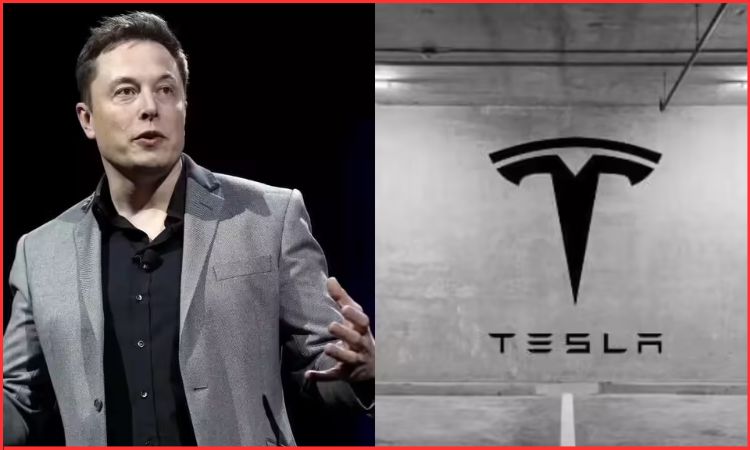
In mid-September 2025, Tesla made headlines not for a new vehicle or software update, but for its soaring stock price. On September 15, 2025, Tesla shares jumped roughly 6–7% in early U.S. trading after CEO Elon Musk disclosed that he had purchased about $1 billion worth of Tesla stock on the open market. This dramatic market reaction reflected investor confidence stirred by Musk’s personal investment. It was especially notable because this was the first time Musk had bought Tesla shares publicly since early 2020. Tesla’s rally followed months of sluggish sales growth and profit pressures, so Musk’s move was interpreted as a strong vote of confidence in the company’s future. For Tesla owners and investors in the U.S. and Europe, this development is significant: it suggests Musk is fully committed to Tesla as it pushes forward with ambitious AI, robotics, and self-driving initiatives even as its core auto business faces headwinds.
Details of Musk’s Share Purchase
According to a regulatory filing, Elon Musk bought 2.57 million Tesla shares on Friday, September 12, 2025, at prices between $372.37 and $396.54 per share. Altogether, this purchase amounted to about $1 billion. Analysts noted that Musk’s transaction was unusual only by its public disclosure – the multimillionaire CEO has often talked privately about wanting a larger stake and more voting power at Tesla. Musk has long stated that he would prefer to own 25% of Tesla if he could; at the time of this purchase, Musk’s stake in Tesla was around 13%. Musk’s timing also coincided with Tesla’s board actions: just days earlier, the board had formally proposed a massive $1 trillion compensation plan for Musk, one of the largest ever, tied to ambitious financial and operational goals. In this context, Musk’s share purchase can be seen as bolstering his argument to both the board and outside investors that he remains “all in” on Tesla’s long-term success.
Market Reaction and Analysis
The stock market’s immediate response was enthusiastic. On Monday, September 15, 2025, Tesla stock briefly jumped about 6% to the high $390s, approaching its highest levels of the year. In trade later that day, it closed slightly lower, but still at a significant gain from the pre-announcement price. Analysts called the move “game-changing” and “the clearest signal yet” that Musk was “slamming the accelerator on being all in again.” In other words, this move helped dispel doubts after a rough first half of 2025. Earlier, Tesla had faced slow growth in vehicle deliveries and intensified competition, leading to margin pressures in its financial results. By publicly buying stock, Musk effectively reaffirmed his own faith in Tesla at a critical time.
From a broader market perspective, Tesla’s share price has been volatile. In 2025 before this event, Tesla stock had underperformed many of its high-tech peers, and it was slightly down year-to-date through mid-September. Nevertheless, the company remained one of the world’s most valuable automakers, and some analysts maintained bullish price targets, citing Tesla’s advanced technology like Full Self-Driving and its robust Supercharger network. The surge on September 15 helped push Tesla’s market capitalization back toward recent highs. For Tesla owners, higher stock prices could be a sign of brand strength and more resources for R&D – although it could also make share-based compensation less dilutive.
Implications for Tesla’s Future
Beyond the immediate jump, Musk’s purchase has strategic implications. It coincided with Tesla’s stated shift toward autonomy, robotics, and artificial intelligence development, rather than just selling cars. Musk has emphasized that if Tesla cannot achieve a certain level of control over AI and robotics within the company, he might pursue those ventures elsewhere. By doubling down on Tesla stock, Musk signaled that he intends to drive those AI ambitions from within Tesla itself.
The timing is also crucial: Tesla unveiled a concept for a two-seat, steering-wheel-less “Cybercab” robotaxi in late 2024, indicating that full self-driving is a top priority. The $1 billion buy signals that Musk is financially committed to keeping Tesla at the forefront of that effort.
On the financial side, market watchers noted that this stock purchase came shortly after the board’s colossal pay proposal for Musk. The $1 trillion package had raised eyebrows, but Musk’s own investment suggested he truly believes the company can meet its targets. It also may have helped reassure investors concerned that Musk’s attention has been divided by his other ventures. Tesla’s chair, Robyn Denholm, even downplayed worries that Musk’s political activities were hurting sales, noting he was “back front and center” at the company again by mid-September. In a way, Musk’s open-market purchase served both as a vote of confidence for the markets and as a statement to Tesla’s board that he supports the ambitious growth plan on which his own compensation depends.
Market Factors and Context
The Tesla stock surge cannot be viewed in isolation. In mid-September, broader market conditions were also favorable. U.S. stock indexes were hitting records around that time due to a friendly Federal Reserve stance on interest rates and anticipation of strong economic data. However, Tesla’s spike on September 15 was largely stock-specific news rather than a general market move.
It’s worth noting that Tesla’s stock volume was high that day, reflecting heavy trading from both institutional and retail investors. Some retail investors may have been attracted by the chance to buy “on a dip” and ride the rally. Yet most analysts focused on fundamentals: Tesla’s second-quarter results (released in August) had already shown stronger profits than expected, despite slowing demand. Tesla is also building new factories (e.g., Giga Mexico, Giga Berlin expansion) and pushing into new products (like the refreshed Model Y). Musk’s purchase came at a moment when Tesla’s long-term potential was being re-evaluated. For owners, this could mean more attention to growth plans beyond car sales, such as Full Self-Driving subscriptions and robotaxi services, which the company says could be future growth engines.
Stock Price vs. Everyday Drivers
How should Tesla owners interpret this news? While a higher stock price might not directly change their driving experience, it does reflect the financial health of the company producing their cars. A healthy stock price makes it easier for Tesla to raise capital if needed, for R&D, factory expansion, or even acquisitions. It can also instill confidence among employees and suppliers that Tesla is on solid footing.
On the other hand, stock surges can be followed by corrections. Some analysts caution that the rally was partly due to excitement over Musk’s involvement, not new information about car sales or technology. Tesla owners might be more interested in product updates and price changes than stock fluctuations. However, the two are connected: if Tesla’s leadership is confident, it may mean the company will continue investing in new vehicle features and services. In summary, Musk’s $1 billion share buyback was widely perceived as a bold sign of confidence in Tesla’s journey ahead.
Conclusion
The mid-September 2025 spike in Tesla’s share price was driven by Elon Musk’s announcement of a $1 billion open-market stock purchase. Investors interpreted this as a clear vote of confidence in Tesla’s future, especially as Musk positions the company to focus on AI, robotics, and autonomous driving even amid a slowdown in car sales. Analysts noted that Musk’s move realigned the Tesla narrative, suggesting the company is overcoming earlier doubts. For Tesla owners in the U.S. and Europe, the broader takeaway is that Tesla’s leadership remains fully committed to pushing the company forward. This may translate into continued investment in new technologies, faster development of self-driving features, and the potential for new services like a robotaxi network. Nonetheless, owners should also keep perspective: market moves are volatile, and success in the stock market is not a guarantee of immediate improvements in vehicle performance or pricing. Still, with Musk “all in” again, Tesla’s roadmap — from its electric vehicles to its energy and AI ambitions — looks firmly on track according to the latest signals.
FAQs
1. What did Elon Musk do?
Musk bought about 2.57 million Tesla shares on September 12–13, 2025, totaling roughly $1 billion in value. It was his first big purchase of Tesla stock since 2020.
2. How did Tesla’s stock react?
On September 15, 2025, Tesla’s stock jumped about 6–7% in early trading, reaching highs not seen in months before settling slightly lower.
3. Why did Musk buy the shares?
Musk’s move signaled strong confidence in Tesla’s future. Analysts believe he wanted to show he is fully committed to Tesla’s goals in AI, robotics, and self-driving cars, and to support the new compensation plan the board set for him.
4. Does this affect Tesla products or prices?
Not directly. It mainly affects investor confidence. However, a healthier stock valuation can help Tesla invest more in R&D and expansion, which could indirectly benefit product development.
5. Should Tesla owners feel differently about Tesla now?
The share purchase signals that leadership is focused and confident. For owners, it could mean continued innovation and growth. But stock movements are volatile, so the most important factors for owners remain vehicle reliability, new features, and service quality.