
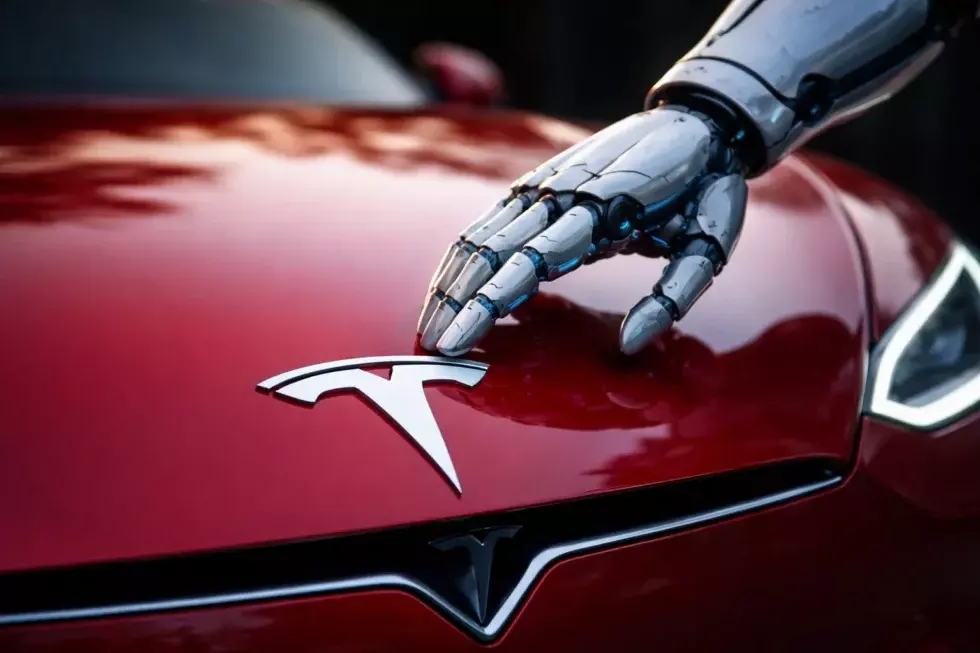
Introduction: The End of an Era—and the Beginning of Another
For many Tesla owners, the Model S and Model X are more than vehicles. They represent the moment when electric cars stopped being experimental and became aspirational. The Model S proved that an electric sedan could outperform supercars, while the Model X redefined what a family SUV could look like in the electric age.
Yet in 2026, Tesla has made one of its most consequential strategic decisions to date: formally ending—or dramatically scaling back—the future of the Model S and Model X. This move is not about declining demand alone. It reflects a deeper and far more ambitious transformation underway inside Tesla.
Tesla is no longer optimizing itself primarily as an automaker. Instead, it is reorganizing around artificial intelligence, autonomy, and robotics. Vehicles remain important—but they are no longer the final product. They are becoming platforms.
This article examines why Tesla is moving away from its flagship models, how AI and robotics now define its strategy, and what this means for Tesla owners in the United States and Europe.
1. Why Model S and Model X Were So Important to Tesla
When Tesla launched the Model S, it did something no automaker had achieved before: it made electric vehicles desirable on their own merits, not just for environmental reasons.
Model S: The Proof of Concept
-
Industry-leading range and acceleration
-
Software-first vehicle architecture
-
Over-the-air updates that reshaped ownership expectations
-
Early Autopilot hardware integration
The Model S wasn’t just a car—it was Tesla’s technological manifesto.
Model X: Pushing the Limits of Design
The Model X took greater risks:
-
Falcon-wing doors
-
Advanced sensor suites
-
Complex body engineering
It demonstrated Tesla’s willingness to experiment aggressively, even at the cost of manufacturing simplicity.
Together, these models established Tesla’s reputation as an innovation leader.
2. Why These Flagship Models No Longer Fit Tesla’s Future
Despite their legacy, Model S and Model X face structural challenges in Tesla’s modern strategy.
2.1 Low Volume, High Complexity
From a manufacturing standpoint:
-
Model S/X represents a small fraction of Tesla’s total deliveries
-
They require unique tooling, parts, and production processes
-
Their complexity conflicts with Tesla’s push for extreme manufacturing efficiency
Tesla’s newer factories are optimized for scale, automation, and speed—not bespoke luxury engineering.
2.2 Diminishing Differentiation
Many features that once made Model S/X special are now standard across the lineup:
-
Large touchscreens
-
OTA updates
-
Advanced driver assistance
-
Premium interior options
As a result, their strategic value as “technology leaders” has faded.
2.3 Opportunity Cost
Every engineering hour spent maintaining aging platforms is an hour not spent on:
-
Full Self-Driving development
-
Robotaxi infrastructure
-
Optimus humanoid robots
-
AI training and computing
Tesla’s leadership appears to have concluded that the tradeoff is no longer justified.
3. Tesla’s Strategic Pivot: From Automaker to AI Platform
Tesla increasingly describes itself not as a car company, but as an AI company that builds vehicles.
This is not marketing rhetoric—it is reflected in where Tesla allocates capital, talent, and leadership attention.
Vehicles as Data Engines
Tesla vehicles are now primarily valued for their ability to:
-
Collect real-world driving data
-
Train neural networks at scale
-
Improve autonomy performance continuously
In this model, the specific vehicle design is secondary to its role as a data-generating node.
4. Full Self-Driving as the New Core Product
Full Self-Driving (FSD) has evolved from an optional feature into Tesla’s strategic foundation.
Why FSD Matters More Than Any Vehicle Model
-
Software margins vastly exceed automotive margins
-
Updates improve performance without new hardware
-
Global deployment enables network effects
Tesla is building a system where software capability, not vehicle trim, defines value.
From this perspective, maintaining niche luxury models offers limited strategic upside.
5. Robotaxis: Why Tesla No Longer Needs Luxury Flagships
Tesla’s robotaxi vision fundamentally changes how vehicles are designed and valued.
Robotaxi Economics
-
Vehicles are optimized for utilization, not ownership appeal
-
Interior luxury becomes secondary to durability and autonomy
-
Fleet efficiency matters more than brand prestige
In a robotaxi world, the Model S and X simply don’t fit the mission.
Tesla’s future vehicles are being designed for autonomy-first use cases—not personal luxury.
6. Optimus and Robotics: The Bigger Strategic Bet
Perhaps the clearest signal of Tesla’s transformation is Optimus—the humanoid robot project.
Why Optimus Changes Everything
-
Uses the same vision and AI stack as FSD
-
Targets massive labor markets beyond transportation
-
Represents a scalable hardware + software business
If successful, Optimus could dwarf Tesla’s automotive revenue.
From this perspective, ending Model S and X is not a retreat—it’s a reallocation toward far larger opportunities.
7. What This Means for Current Model S and X Owners
For existing owners, the announcement naturally raises concerns.
7.1 Long-Term Support
Historically, Tesla has:
-
Maintained service support long after production ends
-
Continued OTA updates for discontinued models
-
Preserved parts availability for extended periods
There is no indication that Model S/X owners will lose support.
7.2 Software Longevity
Tesla vehicles age differently from traditional cars:
-
Software updates can improve performance over time
-
Features evolve post-purchase
-
Safety systems continue to receive improvements
In many ways, discontinued models may remain technologically relevant longer than expected.
7.3 Resale and Collector Value
As iconic vehicles, Model S and X may:
-
Retain strong enthusiast interest
-
It became symbolic of Tesla’s early era
-
Appeal to collectors as production ends
8. U.S. vs Europe: Regional Impact of Tesla’s Decision
Tesla’s strategic pivot will affect regions differently.
United States
-
More permissive autonomy regulations
-
Faster robotaxi experimentation
-
Stronger cultural acceptance of AI-driven services
The U.S. is likely to see Tesla’s autonomy-first strategy materialize sooner.
Europe
-
Stricter regulatory frameworks
-
Stronger consumer protections
-
Greater emphasis on public transport
In Europe, Tesla may face slower deployment but potentially higher long-term urban impact.
9. Risks and Challenges of Tesla’s New Direction
This strategy is bold—but not without significant risk.
Key Challenges Ahead
-
Regulatory approval for autonomy
-
Public trust in AI systems
-
Competition from other AI-driven mobility firms
-
Execution complexity at global scale
Ending beloved flagship models could also alienate traditional customers.
Tesla is betting that future opportunities outweigh these risks.
Conclusion: Tesla Is Leaving the Past Behind—On Purpose
The discontinuation of Model S and Model X is not a sign of weakness. It is a declaration of intent.
Tesla is no longer optimizing for prestige vehicles or traditional automotive success. It is optimizing for a future defined by artificial intelligence, autonomy, and robotics—where cars are just one node in a much larger intelligent system.
For Tesla owners, this shift may feel unsettling. But it also places them at the center of one of the most ambitious technological transformations of the 21st century.
Whether Tesla ultimately succeeds or fails, one thing is certain: the company that made the Model S famous is no longer the same company shaping the future.
FAQ: The End of Model S & X
Will Tesla still make premium vehicles?
Tesla is expected to focus on scalable, autonomy-ready platforms rather than low-volume luxury flagships.
Will Model S and X owners lose updates or service?
No. Tesla has a strong history of long-term software and service support.
Why did Tesla make this decision now?
AI, autonomy, and robotics now offer greater long-term returns than legacy vehicle platforms.
Does this mean Tesla is no longer a car company?
Tesla still builds cars, but vehicles are increasingly viewed as AI platforms rather than end products.
What replaces Model S and X in Tesla’s lineup?
Future vehicles are expected to be autonomy-first designs optimized for robotaxi and fleet use.