
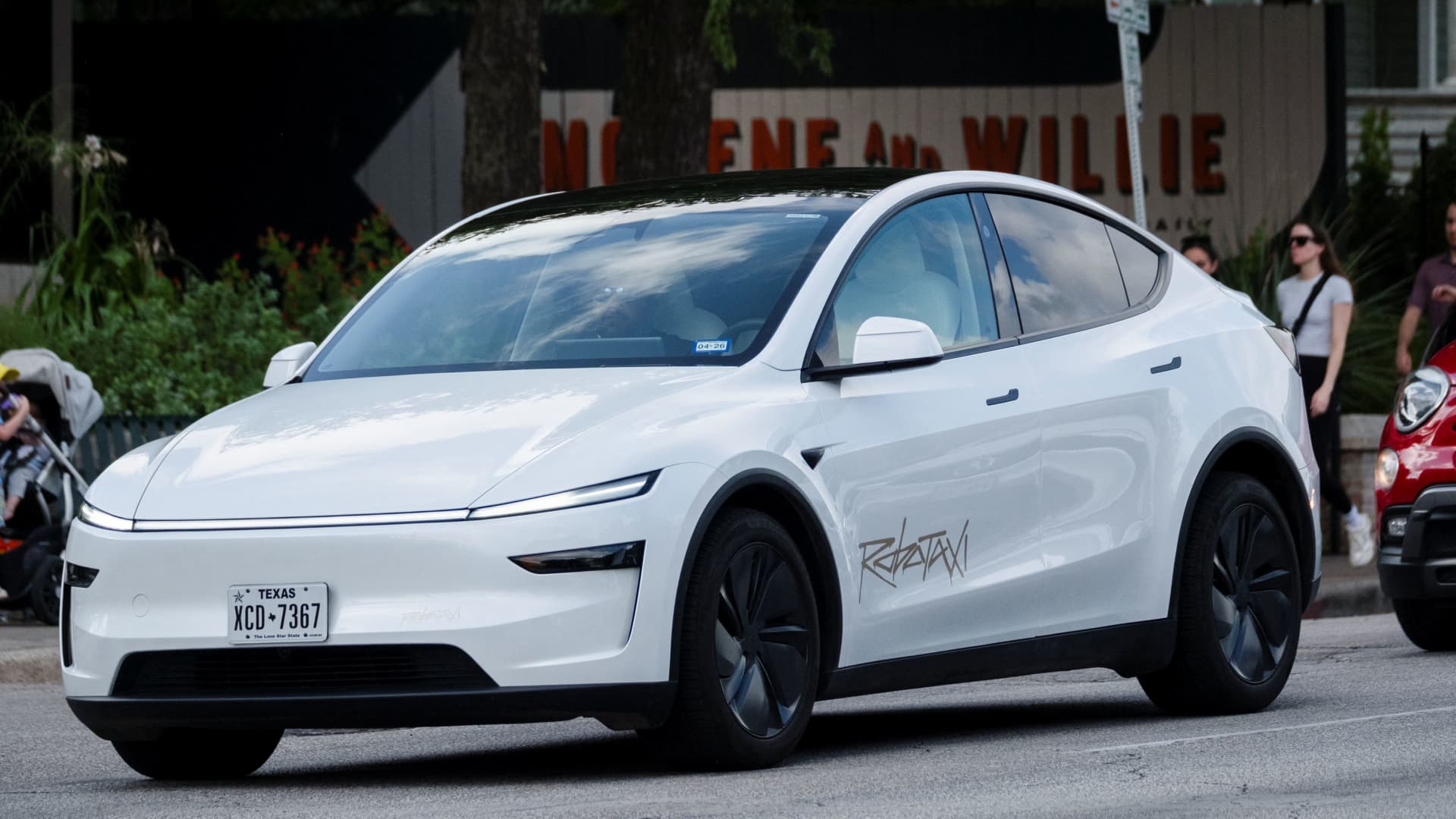
Short summary: Tesla has posted job listings for “vehicle operators” in Queens, New York, signaling plans to expand robotaxi and Autopilot data-collection activities beyond Austin. That hiring move raises immediate practical questions for owners across the U.S. and Europe: what this expansion means for regulation, privacy, traffic patterns, charging and curb access, and how individual Tesla owners should prepare, participate, or protect themselves. This article breaks down the news, explains the technical and regulatory context, compares Tesla’s approach with other robotaxi players, and offers practical guidance for Tesla owners in the U.S. and Europe.
1) Top-line news you need to know
-
Tesla recently posted one or more job listings for prototype Vehicle Operator / Autopilot roles in Queens (Flushing), New York City, describing responsibilities like driving engineering vehicles for data collection and testing.
-
Reporting indicates those positions may pay up to around $30.60/hour and involve many hours of data collection per day; this is part of Tesla’s effort to scale its robotaxi testing beyond its early Austin deployment.
-
However, regulators and city agencies may not yet have approved test permits for autonomous vehicle testing in NYC — meaning hiring can precede formal testing approvals and creates friction with local authorities.
Those three facts frame the immediate practical impact: Tesla is actively recruiting people to operate prototype vehicles and gather the data its Autopilot/FSD teams need to scale a ride-hailing product — but operational permission in dense cities like New York is still a regulatory hurdle.
2) What the job postings actually say (and why it matters)
Tesla’s public career portal listing for Vehicle Operator, Autopilot describes a role on a vehicle data-collection team: prototype driving for extended periods, capturing audio and camera data, and providing feedback that informs Autopilot/robotaxi model training and validation. The position is an explicit engineering/data role rather than a typical chauffeur job — the point is to collect high-quality, labeled data for training and to exercise the system in complex urban settings.
Why that matters to owners:
-
Data equals product progress. Tesla’s Full Self-Driving (FSD) systems rely heavily on fleet-learned data. Human-run prototype driving in key neighborhoods accelerates training on rare, messy urban scenes that are hard to replicate otherwise.
-
Local testing precedes user-facing services. Hiring in a neighborhood is often the first public signal that a company is mapping, collecting, and preparing a service for that area — even if a consumer-facing robotaxi product is months away.
-
It may produce visible fleet activity. Owners can expect prototype vehicles around certain neighborhoods, sometimes with visible engineers/drivers in the car. Those vehicles will likely behave conservatively during early testing phases but may also add to congestion or parking/curb disputes.
3) Regulatory reality: permits, testing rules, and NYC specifics
The legal environment for robotaxi testing is fragmented and highly local:
-
NYC permits and oversight: Local authorities (e.g., NYC DOT) require formal testing permits and certain safety-driver rules for AV testing on municipal streets. Reporting indicates that Tesla has posted jobs in NYC but may not have submitted the necessary permit applications yet — a situation that can create conflict between fast-moving engineering teams and local regulators who prioritize safety and public process.
-
U.S. state-by-state variance: In the U.S., testing and deployment rules vary widely. Arizona and parts of Texas have been more permissive historically; California and New York typically have stricter permit requirements and public-oversight processes. Reuters and other outlets note Tesla’s Austin pilot and the company’s ambition to expand to multiple U.S. cities by year-end, but approvals can slow or condition that expansion.
-
European differences: In Europe, national and municipal rules combine with EU-level safety and product-law frameworks. Some EU countries are proactive about AV testing but often require strong safety evidence, insurance/indemnity arrangements, and transparency. Any Tesla expansion into EU city centers will likely face careful regulatory review, local traffic and privacy rules, and—in some jurisdictions—data-protection scrutiny (e.g., GDPR implications for recorded audio/video). (See the Practical Guidance section below for GDPR-specific owner concerns.)
What owners should note: hiring or mapping activity is not the same as an authorized, driverless service. Even when vehicles are present, expect human monitors or safety drivers in early stages; and be aware that visible Tesla engineering vehicles do not imply an immediate consumer product launch.
4) How Tesla’s approach compares with other robotaxi players
There are two broad technical/business contrasts that matter for owners:
-
Sensor strategy and business model: Tesla’s approach has emphasized camera-based vision and large-scale fleet learning from customer cars and prototype vehicles — a low-hardware-cost path focused on software scale. Competitors like Waymo and Cruise use multi-sensor stacks (lidar + radar + cameras) and have pursued careful, slower geographic expansion with heavy mapping and redundant sensors. That difference shows up in deployment style: Tesla scales rapidly using software updates and fleet data; Waymo scales more cautiously with a higher per-vehicle hardware cost and incremental regulatory validation.
-
Operational readiness in complex cities: Waymo, Cruise and similar players already operate large-scale robotaxi services in multiple cities and often have formal testing approvals and local partnerships. Waymo has been operating in certain U.S. markets for years; Reuters and others note Waymo’s city presence and broader rollouts. Tesla’s human-in-the-loop expansion strategy is accelerating, but independent evaluations suggest differences in disengagement and safety-monitoring metrics across companies. For example, industry reporting highlights substantially higher miles-per-intervention for some competitors compared with Tesla’s public metrics — a reminder that system maturity varies.
Implication for owners: competing strategies mean the user experience and public visibility of robotaxis will differ by operator and city. In some places you’ll see cautious, mapped, multi-sensor vehicles; in others you’ll see high-volume camera-based fleet testing.
5) Practical effects on urban streets and owners’ daily life
Owners should consider a cluster of practical impacts that follow from robotaxi expansion and local testing:
Traffic and curb dynamics
-
More prototype vehicles on the road — These cars may pause, brake conservatively, or drive unusual routes to collect data. In dense neighborhoods, that can amplify congestion or cause friction with taxis/ride-hail drivers.
-
Curb-use disputes — Cities are already struggling with curb allocation between deliveries, taxis, and private cars. Robotaxis and prototype fleets may press for reserved curb space for pickups and drop-offs, changing how owners access street-side parking and passenger loading zones.
Charging and energy demands
-
Local charging demand can increase. If Tesla’s robotaxi fleet grows in a city, expect higher local Supercharger or destination-charging demand near staging areas or driver-rest hubs. Municipal utilities and charger operators may need to adjust capacity planning. Owners who rely on public chargers might see new scheduling or queuing patterns.
Parking and vehicle storage
-
Fleet logistics — Prototype fleets need staging, overnight storage, maintenance, and cleaning. In constrained urban environments, that could mean new facility negotiations and local land-use debates — ultimately shaping where Teslas can be serviced or stored.
Neighborhood noise and privacy
-
Audio/video data capture. Many operator job descriptions mention capturing audio and camera data for training. Even if stored and processed for engineering use, this raises privacy questions for residents and owners who park on the street or live near test corridors; in Europe, such data collection may trigger GDPR safeguards.
6) What this hiring push means for Tesla owners specifically
Owners fall into a few buckets — potential rider, data contributor, commuter affected by traffic, or uninterested local — and each will feel different effects:
If you’re a Tesla owner and potential rider
-
New ride options (paid) could arrive earlier in certain cities. Tesla’s business aim is a fleets-as-a-service ride-hail product that converts idle EVs into revenue-generating assets. Owners should watch for pilot programs, invite-only access, and incentives (e.g., revenue shares, priority access) that Tesla might offer in early markets.
If you’re concerned about data & privacy
-
Understand what’s recorded. Job postings and reporting indicate audio/video capture is part of prototype runs. Owners should check Tesla’s privacy policy and local law: in the EU, data-collection for model training likely requires clear legal bases and data-minimization practices under GDPR; in the U.S., rules vary by state and city. If you park on the street or live near test routes and care about privacy, monitor local notices and call for transparency from operators and regulators.
If you use your Tesla for deliveries / commercial uses
-
Curb and traffic shifts matter for route timing. Expect pickup/drop-off zones to evolve; plan deliveries or pickups with extra margin in districts where robotaxi activity grows.
If you’re an owner in Europe
-
Regulatory caution may reduce short-term exposure. Many European cities require strong regulator interaction before large-scale testing. That may slow rollout timelines compared with the U.S., but it also adds checks that can protect public safety and data privacy. Owners should keep an eye on national AV pilot programs and local council notices.
7) How Tesla may use owner cars vs prototype fleets
Tesla has multiple data-collection channels:
-
Customer fleet telemetry (from owner cars that opt in) — already a core part of Tesla’s training set.
-
Prototype vehicle operators — paid drivers who gather targeted audio/video/data in difficult scenarios.
-
Specialized mapping runs — planned routes and mapping passes in areas where the company is testing.
For owners, that means your car may contribute passive data (if you’ve agreed to telemetry sharing), but prototype vehicles will focus on collecting labeled, high-value scenes that are underrepresented in the fleet corpus.
8) Safety, liability, and insurance: what to watch
Robotaxi pilots and test driving change exposure:
-
Safety-driver presence vs unsupervised operation. In early expansions, Tesla will likely deploy vehicles with human operators/safety monitors present — but the liability picture is complex and local. Owners should verify whether an insurance policy treats robotaxi testing differently than normal driving.
-
Insurance signals. Insurers are watching robotaxi test results; in some cases, demonstrated, verifiable reductions in accidents could lead to lower premiums over time. Conversely, high-profile incidents or ambiguous liability findings may increase scrutiny and premiums. Owners who plan to enable autonomous services should notify their insurer and get clear terms in writing.
9) The European data-protection angle (GDPR & local privacy law)
In Europe, recording public-facing audio and video for training raises specific obligations:
-
Lawful basis & transparency. Organizations processing personal data must identify a lawful basis under GDPR — often “legitimate interests” or consent — and provide clear information to those affected. Testing that captures identifiable faces, voices, or license plates is likely personal data.
-
Data minimization & retention limits. Data collection should be proportionate; companies often must anonymize or delete data that’s not needed long-term.
-
Local enforcement & fines. European DPAs (Data Protection Authorities) have the power to investigate and fine. Tesla and similar firms must therefore design privacy-aware pipelines for European operations.
For European owners: ask for public transparency, data-protection impact assessments, and clear mechanisms to request deletion or redaction of personally-identifying data when appropriate.
10) How to interact with prototype vehicles on the road (practical tips)
If you encounter Tesla prototype vehicles or a robotaxi in testing, here are practical owner-oriented suggestions:
-
Be patient and predictable. Prototype vehicles may drive conservatively; avoid sudden lane changes or aggressive maneuvers that confuse the system.
-
Keep distance when safe. If a vehicle behaves oddly, maintain safe following distances and give it room to maneuver.
-
Record only if necessary. Dashcam footage is helpful for reporting unsafe behaviors, but don’t harass test drivers or block their route. If you see a safety issue, gather objective data (time, location, dashcam) and report through official city channels — not social media speculation.
-
Participate constructively. If your car is enrolled in telemetry opt-ins and you want to help, carefully read Tesla’s opt-in settings and privacy implications before contributing data.
11) Competition and market implications: what Tesla’s ramp means for the wider EV & ride-hail market
-
Acceleration of fleet electrification. Large robotaxi programs incentivize fast-charging infrastructure, new depot and staging facilities, and secondary EV maintenance markets. That in turn benefits EV owners with more charging options — but can also create local congestion at charging hubs.
-
Pressure on other operators. Tesla’s vertical integration and large vehicle volume can push competitors to scale faster or differentiate on safety and redundancy. Cities may prefer operators who demonstrate robust safety records; that means varied timelines for consumer availability across operators.
-
Regulatory standard-setting. High-profile expansions prompt regulators and municipalities to formalize testing rules, signage, and public engagement processes. Owners should expect regulatory updates tied to city council or transport-authority decisions over the coming months.
12) Recommendations for Tesla owners (US & Europe) — an action checklist
Short-term (next 30 days)
-
Monitor local news and Tesla update channels for permit announcements and pilot areas.
-
Check and, if needed, adjust telemetry/data-sharing settings in your Tesla account if you want to reduce or increase participation in fleet data collection.
-
If privacy is a concern, record dashcam footage of interactions with prototype vehicles and save time/location metadata for reports.
Medium-term (1–6 months)
-
Contact your insurer and ask about robotaxi-enabled use cases or feature-activation implications.
-
If you live in a city where pilot activity is proposed, engage with public consultations and demand transparency on data handling and safety reviews.
If you’re a potential driver or contractor
-
Scrutinize job descriptions for pay, hours, safety procedures, and rights around recordings. Confirm whether the company has applied for local testing permits (important in NYC).
13) Long-term picture: where this goes next
If Tesla and other operators scale successfully, owners can expect:
-
More ride-hail options operating with little human input in selected cities.
-
Changes to urban curb allocation (more pickup/drop-off points) and potential new revenue models for owners who opt into fleet programs.
-
New regulatory frameworks standardizing testing and privacy protections, which could be shaped by early incidents and operator transparency.
But the timeline is uncertain — a rapid rollout is possible in permissive jurisdictions, while stricter regulatory environments will likely see slower, more cautious adoption.
14) FAQ — what Tesla owners ask most about robotaxi expansion
Q: Is Tesla launching a public robotaxi service in NYC right away?
A: Not immediately. Hiring and data collection are early stages; full public robotaxi services require permits, regulatory approvals, and mature system performance. Recent reporting shows job postings in NYC but also indicates permits or formal testing applications are not yet complete.
Q: Will Tesla owners be forced to share their car data?
A: No — Tesla requires owner opt-in for many types of telemetry sharing. Still, default settings may collect certain anonymized diagnostic data. Owners who care about privacy should review their account settings.
Q: Could robotaxis increase local congestion?
A: Potentially. Prototype fleets may add vehicles and conservative driving behavior that slows traffic; later, optimized routing could reduce some congestion but increase curbside demand. Owners should plan for potential impacts near staging/charging areas.
Q: What cities are most likely to get robotaxi pilots first?
A: Historically, permissive regulatory environments with broad road networks (some U.S. Sun Belt cities, Austin) have enabled early pilots. Tesla has demonstrated activity in Austin and is now moving to prioritize other metros like parts of California and NYC for data collection and future rollout — local approvals will shape first consumer-access cities.
Q: How should I report an unsafe prototype vehicle?
A: Collect objective data (dashcam footage, time, location), and submit to local authorities and Tesla’s official reporting channels. Avoid posting accusatory or incomplete evidence on social platforms — that can obscure facts and complicate regulatory investigation.
15) Conclusion — a pragmatic, owner-first stance
Tesla’s job postings for vehicle-operator roles in Queens are a clear sign the company intends to expand robotaxi data collection beyond Austin. For owners in the U.S. and Europe, that will mean increased fleet presence, evolving curb and charging patterns, privacy questions, and regulatory engagement. The immediate risk is not a sudden shift to driverless services but rather a period of intense testing and local debate over permits, data handling, and safety practices.
Owners can benefit from being informed and proactive: review telemetry preferences, engage with public consultations, monitor insurer positions, and treat prototype vehicles with predictable caution on the road. If you want, I can adapt this article into a CMS-ready post with short pull-quotes, suggested images, and a “local impact checklist” for specific U.S. or EU cities (e.g., NYC, London, Berlin). Which city would you like me to tailor a short local-impact sidebar for next?