
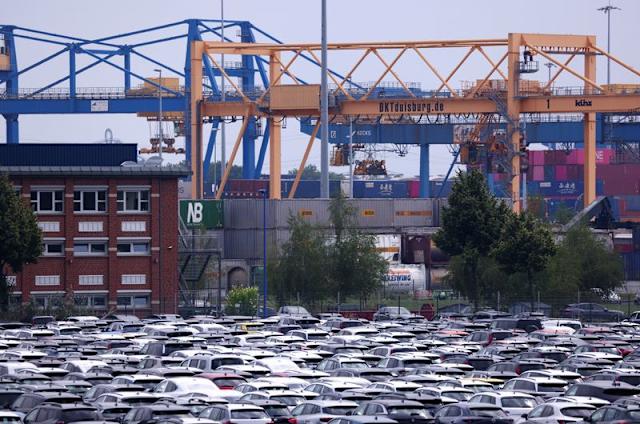
In the first half of 2025, Tesla’s European deliveries plunged over 33 percent year‑over‑year—from roughly 165,000 vehicles in H1 2024 to just 110,000 in H1 2025. Once the uncontested leader of Europe’s electric‑vehicle surge, Tesla now faces a perfect storm of subsidy rollbacks, regulatory shifts, and intensifying competition. This downturn not only impacts Tesla’s top‑line growth but also signals broader dynamics in Europe’s transition to sustainable mobility. For current and prospective Tesla owners in Europe—and those watching from the U.S.—understanding the drivers of this slump is crucial for anticipating pricing trends, delivery timelines, and long‑term resale values.
Chapter 1: Macro Trends in the EU EV Market
-
Overall EV Growth vs. Tesla’s Share Loss
-
Europe’s electric‑vehicle registrations rose 24 percent in H1 2025, driven by a wave of new models from local automakers.
-
Tesla’s absolute sales fell, dropping its market share from 22 percent to 15 percent in the region.
-
-
Political and Economic Headwinds
-
Inflation‑fueled cost of living crises in Italy and Spain prompted fiscal belt‑tightening.
-
Germany’s coalition government cut e‑mobility subsidies mid‑Q1 2025 to reallocate funds for housing and healthcare.
-
-
Consumer Sentiment and Charging Infrastructure
-
Surveys show 30 percent of European EV intenders cite “charging availability” as their top concern—down from 45 percent in 2023, yet still a barrier.
-
EU targets 1 million public chargers by 2027; progress lags at 650,000 installed as of June 2025.
-
Chapter 2: Country‑Level Breakdown
-
Germany
-
Sales Decline: Tesla registrations dropped 28 percent YoY, from 60,000 to 43,000.
-
Subsidy Changes: Germany reduced its €6,000 Model Y grant to €3,000 in March and phased it out entirely for cars priced above €50,000.
-
Local Competition: VW ID. 4, Mercedes‑EQ C, and BMW iX proved strong challengers, leveraging dealer networks for faster deliveries.
-
-
France
-
Sales Decline: Deliveries down 35 percent, from 30,000 to 19,500.
-
Incentive Cuts: The French “bonus écologique” dropped from €7,000 to €4,000 for battery‑electric vehicles, with additional income‑based means‑testing introduced.
-
Charging Rollout: State investment in Ionity and TotalEnergies networks accelerated, narrowing Tesla’s Supercharger advantage.
-
-
Norway
-
Sales Stability: A more modest 5 percent decline—Norway’s heavy reliance on EVs and no purchase tax made Tesla’s pricing still competitive.
-
Zero‐Emissions Mandate: Some municipalities increased tolls on combustion‑engine zones, indirectly boosting EV demand.
-
-
United Kingdom
-
Sales Slide: Tesla registrations fell 32 percent, from 25,000 to 17,000.
-
Incentives End: The U.K.’s £1,500 grant for new EVs below £35,000 expired in December 2024.
-
Brexit Aftershocks: Post‑Brexit import tariffs on Chinese‑assembled Model Y bumped final prices by 3 percent.
-
-
Turkey
-
Sales Collapse: A jaw‑dropping 65 percent decline, from 10,000 to 3,500 cars.
-
New EV Tax: Turkey’s unexpected luxury‑vehicle levy (30 percent on EVs over TRY 2 million) went into effect in May 2025, doubling Model 3 prices overnight.
-
Local Response: Waiting lists grew, as buyers paused purchases pending tariff rollback rumors.
-
Chapter 3: Pricing and Incentive Shifts
-
EU Subsidy Reductions
-
By Q2 2025, 14 of the 27 EU states had cut or fully eliminated EV purchase incentives for vehicles over €45,000.
-
The EU’s “Fit for 55” package requires member states to align subsidies but caps average grants at €4,500 starting January 2026.
-
-
Tesla’s Pricing Adjustments
-
Europe‑adjusted prices for Model 3 and Model Y fell by 5 percent in April to compensate for lower net incentives.
-
“Good‑toward‑Future” credit: Tesla introduced a €2,000 trade‑in voucher for existing owners upgrading within six months.
-
-
Impact on Dealer Networks
-
In markets like France and Italy, independent Tesla‑approved body shops offered temporary “loyalty” discounts on service and accessories to maintain owner engagement.
-
-
Charging Cost Dynamics
-
European Supercharger tariffs increased by 10 percent on average as Tesla passed through higher energy and grid fees.
-
Third‑party networks (e.g., Ionity) also repriced, making subscription bundles more attractive for frequent chargers.
-
Chapter 4: Competitive Landscape
-
European OEMs’ EV Launches
-
Volkswagen’s ID. 7 sedan and Skoda Enyaq Coupé garnered positive reviews for interior space and pricing below €40,000.
-
Stellantis introduced the Jeep Avenger EV in summer 2025—a rugged, city‑oriented crossover with a starting price under €33,000.
-
-
Chinese Entrants
-
BYD’s Atto 3 and Zeekr 001 entered key markets with aggressive pricing (€28,000–€32,000 range) and European‑standard CCS charging.
-
Geely’s Polestar expanded Model 3 rivals with hybrid‑capable trims, appealing to markets with range‑anxiety concerns.
-
-
Tesla’s Strategic Responses
-
Localized Manufacturing: Increasing Giga Berlin output to 200,000 vehicles annually by Q4 2025 to reduce shipping costs and lead times.
-
Service Expansion: Opening 15 new service centers and adding 30 mobile‑service vans in under‑served regions like southern Italy and Portugal.
-
Software Differentiation: New OTA features—such as “EU Pilot” adaptive cruise tailored to local traffic norms and toll‑road integration—aim to maintain a tech edge.
-
Conclusion
Tesla’s H1 2025 European sales slump reflects both external policy headwinds and intensified competition from legacy automakers and new entrants. While subsidy rollbacks have undermined Tesla’s price advantage, the company’s localized manufacturing ramp‑up, dealer‑style service network expansion, and continual software innovation position it well to recover market share. For European Tesla owners, this period may signal shorter delivery waits and more competitive pricing—albeit with potentially higher charging costs. Longer term, Europe’s electrification trajectory remains robust, and Tesla’s early investments in gigafactories, Supercharger infrastructure, and brand cache should underpin a return to growth in H2 2026 and beyond.
FAQ
-
Why did Tesla’s European sales decline so sharply?
A mix of subsidy cuts, higher local taxes, and intense local EV competition drove the slowdown. -
Will Tesla lower prices further to regain share?
Potentially—Tesla has room to adjust prices within margins, especially as Gigafactory output rises. -
Are there still EV incentives available in Europe?
Yes, but they vary by country and often exclude vehicles over €45,000. -
How can I check local delivery times?
Use the Tesla app’s “Delivery Tracker” or contact your regional delivery advisor. -
Will Giga Berlin help reduce wait times?
Yes—onshoring production to Germany should improve logistics and shorten lead times significantly.