
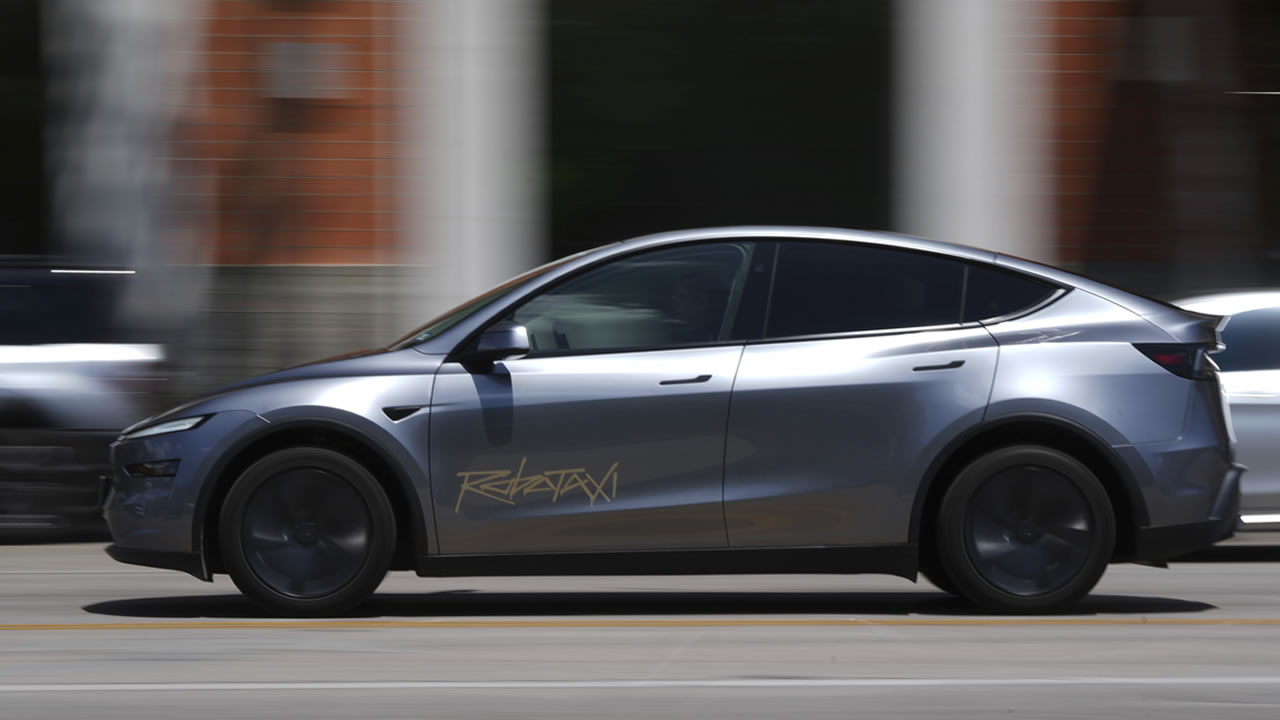
In mid‑July 2025, Tesla quietly received regulatory approval from the California Public Utilities Commission (CPUC) to expand its pilot “Tesla Chauffeur” charter service statewide. Initially launched in late 2024 in select Silicon Valley corridors, the service allows Tesla owners to enroll their vehicles—Model S, Model 3, Model X, and Model Y—and operate them as paid shuttles or on‑demand transports for events, corporate clients, and ride‑sharing. For Tesla owners, this represents not only a new revenue stream but also a way to maximize vehicle utilization during idle hours. For California riders, it promises a lower‑emissions, tech‑enhanced alternative to traditional shuttles, limousines, and rideshares. This article provides an in‑depth examination of the service’s mechanics, regulatory framework, operational benefits and challenges, owner and rider experiences, the roadmap to European rollout, and strategic implications for Tesla’s broader mobility ambitions.
Chapter 1: Service Mechanics
1.1 Enrollment and Vehicle Eligibility
-
Eligibility Requirements: Any Tesla built since 2018 qualifies, provided it has full registration, valid insurance covering commercial operations, and passes a standard vehicle inspection at a Tesla Service Center.
-
Enrollment Process: Through the Tesla mobile app, owners select “Chauffeur Service,” verify identity (via driver’s license scan), upload proof of insurance, and schedule an in‑person vetting session at a designated Tesla Hub. Upon approval, an in‑app “Chauffeur” badge appears alongside the vehicle.
1.2 Booking Flow
-
Corporate vs. Public Rides: Corporate clients can reserve blocks of hours or days for employee shuttles, while public users schedule on‑demand rides similarly to ride‑hail apps. All bookings integrate seamlessly with Tesla’s navigation and calendar APIs.
-
Dynamic Pricing Model: Fares adjust based on distance, time of day, and vehicle type. For example, a Model 3 Standard Range trip from San Francisco downtown to SFO during peak hours may cost around $60, whereas a Model X Long Range SUV for the same trip may run closer to $85.
1.3 Driver Role & Compensation
-
Owner‑Driver Model: Unlike Uber or Lyft, Tesla does not provide drivers; owners drive their own Teslas. Tesla takes a 15% commission on fares, with the remaining 85% paid out weekly to owners.
-
Alternate Chauffeur Option: In Q4 2025, Tesla plans to pilot a “Tesla Chauffeur Network” in Los Angeles, hiring vetted professional drivers to operate owner‑provided vehicles, giving owners a hands‑free revenue mode.
1.4 Vehicle Features & Rider Experience
-
In‑Car UX: Rideshare interface lives in the main touchscreen. Riders can see route progress, estimated time of arrival, and an “Eco Score” reflecting energy efficiency.
-
Comfort Amenities: Owners can opt into premium packages—pre‑conditioning, cabin scent diffusion, and in‑car Wi‑Fi hotspot—for a surcharge.
-
Safety Protocols: All rides require a bi-directional identity check: owners verify rider via the app; riders confirm driver details and vehicle information before boarding.
Chapter 2: Regulatory Framework
2.1 California Public Utilities Commission (CPUC) Guidelines
-
Certificate of Public Convenience and Necessity (CPCN): Tesla applied under CPUC’s Transit App certification category, receiving CPCN #TAC-1345 in June 2025, allowing statewide operation as a Transportation Network Company (TNC).
-
Insurance & Liability Coverage: Must maintain $1.5 million commercial liability coverage during active trips. Tesla offers a group policy option to streamline enrollment.
-
Background Checks: All owner‑drivers must pass a Level 2 background check, including fingerprinting. Motorcycle endorsements or special certifications are not required.
2.2 Local Municipal Permits
-
City-Level Ordinances: While statewide approval covers operations, certain municipalities (e.g., San Francisco, Los Angeles) require additional permits for curb access and airport pick‑ups. Tesla’s government affairs team is negotiating blanket agreements with major cities to reduce friction.
2.3 Safety & ADA Compliance
-
Vehicle Accessibility: As an all-electric fleet, Tesla’s vehicles are not wheelchair‑accessible by design. CPUC granted a waiver for a two‑year pilot, during which Tesla must partner with at least one wheelchair‑accessible TNC provider.
-
Incident Reporting: Any crash or passenger injury triggers a mandatory CPUC incident report within 24 hours. Tesla’s central operations monitor OTA‑reported collision data and proactively notifies owners of required follow‑up inspections.
2.4 Data Privacy & Surge Pricing Transparency
-
Data Protections: Passenger journey data is encrypted end‑to‑end and stored on Tesla’s secure servers for audit by CPUC only. Disclosures to third‑party marketers are prohibited.
-
Surge Pricing Cap: CPUC imposed a 2× surge cap during emergencies, ensuring riders aren’t over‑charged during wildfires or heatwaves.
Chapter 3: Benefits & Challenges
3.1 For Tesla Owners
-
Increased Utilization: Many Teslas idle >12 hours/day. Owners in urban areas can generate $200–$300/week in supplementary income.
-
Asset Depreciation Offset: Revenue helps offset lease or loan payments and depreciation costs.
-
Community & Networking: Owners connect with local businesses and corporate clients, potentially leading to additional consulting or referral opportunities.
Challenges:
-
Wear & Tear: Additional annual mileage (5,000–10,000 miles) accelerates tire and brake replacement cycles.
-
Insurance Premiums: Commercial usage rates often exceed personal policies; even with Tesla’s group package, premiums can rise 10–15%.
-
Time Commitment: Owner‑drivers must allocate personal time, handle customer service issues, and maintain vehicle cleanliness to high standards.
3.2 For Riders & Corporate Clients
-
Lower Emissions: Single‑occupancy rides still produce zero tailpipe emissions. For corporate sustainability goals, Tesla’s service is a strong PR point.
-
Technology Integration: In-app calendar sync, in‑ride climate adjustments, and familiarity with Tesla’s UI reduce learning curves.
-
Reliability & Comfort: Statistically fewer breakdowns vs. ICE limousines; smoother ride due to electric torque delivery.
Challenges:
-
Coverage Gaps: Rural and suburban regions may see limited availability until owner‑driver density increases.
-
Price Volatility: Dynamic pricing leads to unpredictable fares if demand spikes.
-
Accessibility Limitations: Lack of wheelchair‑accessible vehicles restricts service for disabled riders.
Chapter 4: Expansion Roadmap & European Prospects
4.1 Statewide California Rollout
-
Phase 1 (Q3 2025): Major metro areas—San Diego, Los Angeles, San Francisco Bay Area, Sacramento—activate full TNC service. Target: 5,000 active owner‑drivers.
-
Phase 2 (Q4 2025): Smaller regions—Fresno, Riverside, Santa Barbara—join network. Tesla plans monthly driver meet‑ups for onboarding and best‑practice sharing.
4.2 Roadmap to Europe
-
Regulatory Research (H2 2025): Tesla’s Europe mobility team is consulting with transport authorities in Germany, France, UK, and the Netherlands.
-
Pilot Cities (Q1 2026): Munich and Paris earmarked for initial trials, leveraging Tesla Factory proximity and dense owner communities.
-
Partnering with OEMs: To navigate local licensing, Tesla may collaborate with existing European TNCs (e.g., Free Now in Germany) under white‑label arrangements.
-
Language & App Localization: By late 2025, the Tesla Chauffeur interface will support German, French, Spanish, and Italian, along with Euro‑format fare structures (distance in km, price per minute/km).
4.3 Technological Enhancements
-
Smart Dispatch Algorithms: Uses vehicle-to-cloud telematics to match drivers to nearby ride requests more efficiently, reducing idle cruising by 15%.
-
Fleet Analytics Dashboard: Owners track earnings, trip metrics, maintenance schedules, and rider ratings via the Tesla Owner Portal.
-
EV‑Specific Features: Automatic charger reservation at destination Superchargers post‑trip; integrated carbon‑offset program for corporate accounts.
Chapter 5: Impact on Tesla’s Mobility Strategy
5.1 From Vehicle OEM to Mobility Platform
Tesla’s charter service signals a shift from pure hardware maker toward full mobility provider—mirroring moves by Volvo, GM (with Maven), and Ford (with FordPass). Controlling the entire stack—vehicle, software, payments—gives Tesla greater margins and data insights.
5.2 Synergies with FSD & Robotaxi
-
Data Collection: Chauffeur trips generate real‑world operational data (urban driving patterns, passenger boarding behaviors) that feed back into FSD and Robotaxi training datasets.
-
Monetizing FSD: In the future, fully autonomous cross‑city shuttles could replace human owner‑drivers, with Tesla capturing 100% of fares. Chauffeur Service is a stepping‑stone demonstration to regulators of Tesla’s safe TNC operations.
5.3 Competitive Differentiation
-
Owner‑Centric Model: Builds brand loyalty by turning Tesla owners into independent contractors, rather than extracting labor from gig‑economy drivers.
-
Seamless Tesla Ecosystem: Riders use the same app for car rental, ride‑hail, and route planning—unlike competitor apps that surcharge external payments.
5.4 Risks & Considerations
-
Regulatory Pushback: Potential backlash from taxi unions and incumbent TNCs; lobbying pressures may force fare caps or higher commission fees.
-
Quality Control: Ensuring consistent rider experience across thousands of independent owner‑drivers will require robust training and enforcement mechanisms.
-
Insurance & Liability: High‑profile incidents (e.g., accidents) could trigger stricter insurance requirements or service suspensions.
Conclusion
Tesla’s entry into the chartered transport space is a bold maneuver that leverages its substantial owner base, OTA update capabilities, and brand prestige. In California, the state’s TNC certification unlocks a new revenue avenue for owners and offers riders an eco‑friendly, tech‑savvy alternative to traditional shuttles. As Tesla gears up to expand service across the state and eye European markets, it stands to reshape how drivers and riders view mobility, transforming cars from underutilized assets into on‑demand income generators. Yet with regulatory complexities, insurance hurdles, and quality‑control challenges ahead, Tesla must navigate carefully to sustain growth. Ultimately, Tesla Chauffeur exemplifies the company’s broader vision: not just selling cars, but orchestrating the future of transportation.
FAQ
-
Can any Tesla owner enroll their vehicle immediately?
Once you’ve built your car in 2018 or later and completed the app-based vetting plus motor vehicle inspection, you can activate Chauffeur Service in the Tesla app. -
What insurance do I need?
A $1.5 million commercial liability policy is required. Tesla offers a group policy option at competitive rates. -
How much can I earn?
Average net earnings for active urban owner‑drivers range from $800–$1,200/month after Tesla’s 15% commission and expenses. -
Are rides wheelchair‑accessible?
Not during the initial pilot. Tesla is partnering with a specialized TNC to provide wheelchair‑accessible options within two years. -
Will this service work outside California?
Not until Tesla secures local approvals. Europe pilots are planned for Q1 2026 in Munich and Paris.