
1. Introduction
The Tesla Model Y is more than just one of the most-popular electric vehicles on the road—it is the cornerstone of Tesla’s global growth strategy, especially in key markets such as the United States and Europe. For current Tesla owners, potential buyers in these regions, and aftermarket accessory sellers, the arrival of the next-generation “Performance” variant represents a compelling moment. This new variant doesn’t simply add a bit more power—it signals how Tesla is evolving the Model Y platform to stay competitive against rising EV challengers while preserving the strengths that made the Model Y a bestseller.
In this article we’ll focus on what matters most for U.S. and European Tesla owners: the design and engineering philosophy behind the refreshed Model Y Performance, the underlying “Juniper”-platform update, what is new (and important) in the Performance variant, how and when it will launch in the U.S. and Europe, and what the ripple-effects are for the ownership and accessory landscape.
In short: if you’re writing for a U.S./European audience of Tesla owners or aftermarket suppliers, this is a story of how Tesla is tightening its grip in the EV market, and how that affects your cars, your accessories, and your ownership mindset.
2. Background: Tesla’s Model Y and the Juniper Platform
When Tesla launched the Model Y in 2020, it quickly became a foundational model: a five-seat, compact/midsize SUV EV that leveraged the Model 3’s architecture but offered greater flexibility, more cargo space, and broad appeal for both U.S. and European buyers. Over the years, incremental updates kept the Model Y competitive, but the core architecture remained largely unchanged.
Enter the codename “Juniper”. The refresh bearing this name marks the first major overhaul of the Model Y since its initial launch. While Tesla has not always used these internal code-names publicly, the “Juniper” update is widely referenced in media and enthusiast forums as encompassing higher efficiency, improved engineering and refined presentation. According to Tesla’s communications, the new Model Y Performance is built on what’s described as Project Juniper.
Although “platform” in the sense of entirely new architecture may still apply to a future Tesla vehicle, the Juniper update revamps significant elements of the existing Model Y’s architecture—such as aerodynamics, suspension, noise/vibration refinement, and internal layout—which are critical for the Performance trim to truly deliver. According to some reports, the refreshed Model Y boasts roughly a 10 % increase in operating efficiency compared to prior versions.
From an ownership viewpoint, this matters for several reasons:
-
Enhanced efficiency means more real-world range and potentially lower operating cost (important especially in Europe where range anxiety and efficiency are more sensitive).
-
Refined ride, quieter cabin and improved materials raise the model’s premium feel (which helps resale values and accessory opportunities).
-
A refreshed variant gives both current owners (considering trade-in) and aftermarket sellers a “fresh story” to talk about—new features, new styling, new parts.
For Tesla owners in the U.S. and Europe, understanding the Juniper refresh is crucial: it tells you not only what the Performance variant will bring, but also where Tesla is placing its product pivot. With rising competition from Chinese EV makers and European brands alike, Tesla needs to maintain its technical and perceptual edge—and the Model Y Juniper is how it is doing that in the mainstream SUV EV segment.
3. Key Design & Engineering Upgrades in 2026 Model Y Performance
While the Juniper update covers the broader Model Y lineup, the Performance version brings a focused set of upgrades targeted at enthusiasts and owners who prioritise driving dynamics, premium materials, and top-end performance. Here are the major areas of design and engineering improvement that matter for U.S. and European owners and their accessory ecosystem.
Exterior redesign & aerodynamics
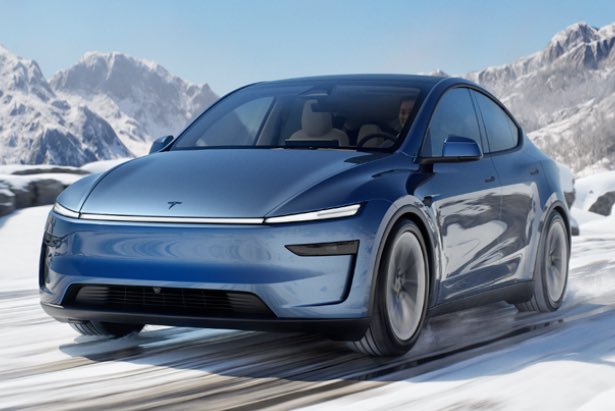
Tesla has given the Model Y refreshed exterior styling under the Juniper umbrella, and the Performance trim takes this further with more aggressive touches. According to design-philosophy sketches released by Tesla, the 2026 Model Y Performance features a redesigned front bumper, enlarged diffuser elements, perhaps a carbon-fiber spoiler, and hefty 21-inch “Arachnid 2.0” wheels engineered for both performance and aerodynamics.
Aerodynamically, the Juniper refresh is claimed to reduce drag and improve lift balance front-to-rear. For the Performance variant this means better high-speed stability (important in both the U.S. highway environment and European autobahns/motorways) and a more planted feel—both relevant for owners who care about spirited driving.
Suspension, chassis and ride dynamics
One of the standout changes in Juniper is a retuned suspension. According to reviews, the new Model Y handles bumps better, with improved damping, less cabin noise and a more refined ride quality. Especially for European owners faced with narrower, uneven roads, the improved ride matters.
For the Performance trim, Tesla seems to borrow suspension and chassis tuning from the Model 3 Performance branch, meaning stiffer setups, adaptive dampers (potentially), performance brakes and tyres, and more aggressive steering responses. One prototype test at the Nürburgring suggests Tesla is serious about real-world dynamics.
Interior and materials upgrade
The cabin of the Juniper refresh receives substantive upgrades: more soft-touch surfaces, improved sound insulation, ambient lighting, bigger screens, and a dedicated rear-seat touchscreen. For example, ventilated front seats may become available (or standard) in certain markets; a rear 8-inch passenger touchscreen for climate/entertainment is part of the update; cabin noise levels are reported to show meaningful drops at highway speeds.
In the Performance version, expect sport-seats with stronger bolsters (important for spirited driving), red brake calipers, performance badging, and perhaps unique trim finishes or carbon fibre accents. These elevate the ownership experience—an important signal for U.S./European buyers who compare with premium ICE and EV rivals. For accessory sellers, new unique interior components mean new aftermarket possibilities (custom bolsters, upgraded materials, sport-trim overlays).
Performance specs & electronics
While Tesla has not officially revealed every spec yet, several sources suggest the Model Y Performance will pack over 500 hp, perhaps 0-60 mph in the low 3-second range (around 3.3 s) and top speeds north of 150 mph. According to Tesla’s own site, the Model Y Performance now lists a 0-60 mph time of 3.3 s and a range of ~306 miles EPA-rating for the U.S. variant.
On the electronics side, one of the notable upgrades is a larger 16-inch centre display (up from the previous 15.4″) and improved software calibration for track driving—suggesting a new “Track Mode” tailored for this variant. For those in the aftermarket world, the implication is: new sensors, new UI features, new driver-assist hardware steps.
All this combines into a clear message: this is not just a faster Model Y, it is a more refined, more purposeful performance SUV that bridges the gap between normal family-EV use and enthusiast driving. For the U.S. and European owner, that means you’re getting both utility and performance.
4. Launch and Availability: Europe vs U.S. Markets
Understanding when and how this new variant becomes available in the U.S. and Europe is essential for owners, prospective buyers, and accessory suppliers.
Timeline of launch
Tesla first launched the updated Model Y Performance in Europe towards the end of August 2025, followed by a U.S. launch on September 30, 2025—which coincided with the final day of eligibility for the U.S. federal EV tax credit for many buyers. This timing is strategic and important for U.S. buyers to note.
Pricing and specification differences between U.S. and Europe
In the U.S., the starting price for the 2026 Model Y Performance is reported at US$59,130 (including destination) for the base Performance version—about US$10,000 more than the Long Range AWD variant. The U.S. EPA-rated range is ~306 miles (a slight drop vs the Long Range).
In Europe, due to different homologation and WLTP ratings, the range and pricing may differ. For example, some early European media suggest the WLTP range may approximate ~580 km for certain variants; specification will depend on local options, tax/incentive structures, and currency adjustments. Additionally, European buyers may face longer delivery times or region-specific equipment (e.g., heated seats, language localisation, Type 2 vs CCS connectors) and accessory providers should plan accordingly.
Production locations and delivery implications
The new Model Y Performance is built at Tesla’s major factories: Gigafactory Berlin (Europe) and Giga Texas (U.S.). For the European market, local production at Berlin is intended to reduce import costs, shorten delivery lead-times and ease servicing logistics; however early production volumes tend to be constrained. U.S. production in Texas offers better logistics for North American owners. From an accessory seller standpoint, lead-times for parts or upgrades may differ region-to-region, and localisation of distribution may matter.
What existing Model Y owners need to know
For current Model Y owners, especially those with the prior (pre-Juniper) model:
-
If you own a non-Performance Model Y and wonder whether to upgrade: the new Performance gives you more power, new styling, better ride, but a cost premium and a slight range trade-off. Consider trade-in value, resale of your current car, and whether you will truly use the performance capabilities.
-
If you own a prior-generation Model Y Performance: your car remains very competent, but resale value may be impacted slightly as the “new” model enters the market; but you may also get increased demand for your accessories or “classic” trims.
-
For aftermarket/accessory business: note that although the core architecture remains largely shared, unique Performance-variant upgrades (sport seats, suspension/brakes, 21-inch wheels) will open fresh accessory opportunities—particularly in Europe where these parts may be less common initially.
5. Implications for Tesla Owners and the EV Market
What does this new model mean for Tesla owners and for the broader EV market in the U.S. and Europe?
For current Model Y / Model 3 owners
If you already own a Tesla, the introduction of this new Performance variant prompts a few questions:
-
Resale value: As Tesla introduces a refreshed variant, older cars may see some depreciation relative to “new generation” models, but the strong Tesla brand and Supercharger network tend to stabilise resale values.
-
Upgrade motivation: If you primarily use your car for daily commuting, you may not fully exploit the performance upgrades. The utility and range may be more important. European owners in particular may find that the improved ride comfort and cabin refinement matter more than the outright acceleration numbers.
-
Accessory fit: The release of new sport oriented components means aftermarket accessory sellers can design variants specific to the Performance model (e.g., sport wheel upgrades, performance brake caliper covers, bespoke interiors). U.S./European accessory suppliers should move early to cater to early adopters.
For the EV market and competition
Tesla’s launch of the new Model Y Performance has significance beyond just one model:
-
It signals that Tesla is still innovating within its existing bestseller, rather than waiting for an all-new generation. That strategy may allow Tesla to defend market share in a changing landscape (particularly in Europe).
-
From a competitive standpoint, rivals such as Hyundai (with Ioniq 5 N), Kia EV6 GT, Ford Mustang Mach-E GT, and various Chinese performance-EVs (Nio, BYD, etc.) are pushing performance variants—Tesla’s new Performance becomes a direct reply.
-
For the U.S. and Europe markets: the performance SUV segment is increasingly crowded. Tesla positioning a high-end Model Y variant helps maintain the halo effect around its mainstream models and may help justify premium pricing and accessory ecosystem growth.
For accessory sellers and ecosystem players
As an owner or accessory business operator, there are some key take-aways:
-
Performance-based variants often mean stronger demand for premium accessories (sport foot-pedals, performance brake caliper covers, upgraded suspension bushings, aero kits).
-
For European markets, unique parts and long-lead supply (e.g., 21-inch sport wheels) may mean early production batches become more sought-after—creating niche opportunities.
-
The similarity between the new Performance variant and the rest of the Model Y range means many existing accessories still fit, but you may want to emphasise “Performance-compatible” credentials (e.g., bigger brakes mean larger diameter rotors, so brake covers must account for that).
-
Marketing angle: many owners will view their purchase as both lifestyle (SUV utility) and performance tool—so accessories that enhance performance look and feel will resonate.
6. Challenges and Considerations
Even though the new Model Y Performance is compelling, several challenges and considerations remain—for owners, buyers and ecosystem players alike.
Production ramp-up and delivery delays
New generation variants often face ramp-up issues—limited initial volumes, build-quality issues, longer waiting lists. Owners in Europe may face longer delivery times or limited regional variants; accessory sellers must plan inventory accordingly.
Cost vs value
The premium for the Performance trim (around US$59K vs lower-trims) needs to be justified by the owner’s use case. If your driving is largely commuting in urban settings, the performance upgrade may be less valuable. European buyers in particular must weigh local taxes, incentives, and running costs—sometimes performance variants have slightly lower range and higher tyre/maintenance costs.
Market demand for performance-oriented EVs
While US buyers often appreciate straight-line acceleration and speed numbers, European buyers may prioritise ride comfort, efficiency and practicality. The trade-off of sport-focused setup may not suit all European roads. The somewhat firmer ride noted by some reviewers may turn off some buyers.
After-market and service infrastructure
Performance-variants often mean more demanding service (bigger brakes, sport tyres, larger wheels) which may cost more to maintain or replace. For accessory sellers, you must ensure compatibility, certification (in Europe especially), and availability for new sport components. For owners, servicing infrastructure in Europe may be more limited initially.
7. Conclusion
The 2026 Tesla Model Y Performance marks a significant milestone for Tesla: a refined, more dynamic version of its bestselling SUV, built on the Juniper update and aimed at both everyday utility and performance-driving appeal. For U.S. and European owners, this variant delivers stronger acceleration, upgraded materials and dynamics, and new styling cues—all while leveraging Tesla’s strong ecosystem.
For owners, the implications are clear: you now have a performance-oriented option within the Model Y family that competes strongly with premium ICE and EV alternatives. For aftermarket accessory sellers and Tesla-enthusiast communities, the new Performance variant opens fresh opportunities: new parts, new upgrades, and new narratives.
That said, the decision to buy or upgrade must consider your actual driving behaviour, the incremental cost, potential waiting times and service implications—especially in Europe. From an accessory business perspective, early adoption, compatibility with performance upgrades and clear “Performance-compatible” messaging will be key.
In sum, the 2026 Model Y Performance isn’t just a faster SUV—it’s Tesla’s statement that the Model Y remains both a mass-market workhorse and an enthusiast’s machine. For Tesla owners and accessory providers alike, this is a moment worth engaging.
8. FAQ
Q1: What is the difference between the 2026 Model Y Performance and the previous 2025 version?
A1: The 2026 version features the Juniper platform update: better aerodynamics, a refreshed exterior and interior design, sport-oriented wheels and brakes, upgraded suspension tuning, a larger 16-inch centre display and improved performance specs (0–60 mph in ~3.3 s per U.S. spec).
Q2: Will current Model Y owners get upgrades or trade-in benefits?
A2: Owners with pre-Juniper models may benefit from trade-in promotions, or discounts when Tesla offers them; incentives depend on region. From an accessory viewpoint, you may see increased resale value for your parts fitted to an earlier variant, but many new accessories will be dedicated to the Performance version.
Q3: How much faster is the 0–60 mph, and how is battery/range affected?
A3: Tesla lists the 2026 Model Y Performance at ~3.3 s 0–60 mph in U.S. specs, versus about 3.5 s for the previous version. Range is slightly impacted: ~306 miles EPA for the Performance vs ~327 miles for the Long Range AWD model. Performance gear (bigger wheels, tyres, sport setup) typically results in somewhat lower efficiency.
Q4: Which market (U.S. vs Europe) gets it first and are there specification differences?
A4: Europe received the Model Y Performance variant slightly earlier (August 2025) than the U.S. (Sept 30 2025). Specification differences may arise due to homologation (WLTP vs EPA), pricing, tax/incentive regimes and feature bundles (e.g., optional heated seats, ambient lighting). Accessory vendors should check region-specific parts.
Q5: Is this variant worth it for a daily driver in Europe/US climate?
A5: If you value sporty driving, upgraded performance brakes, wheels and styling, the Performance variant is compelling. If your driving is mostly urban commuting, the extra cost, firmer ride and possibly higher maintenance may make a Long Range variant more practical. European buyers in particular should factor in servicing infrastructure, tyre costs and comfort priorities.