
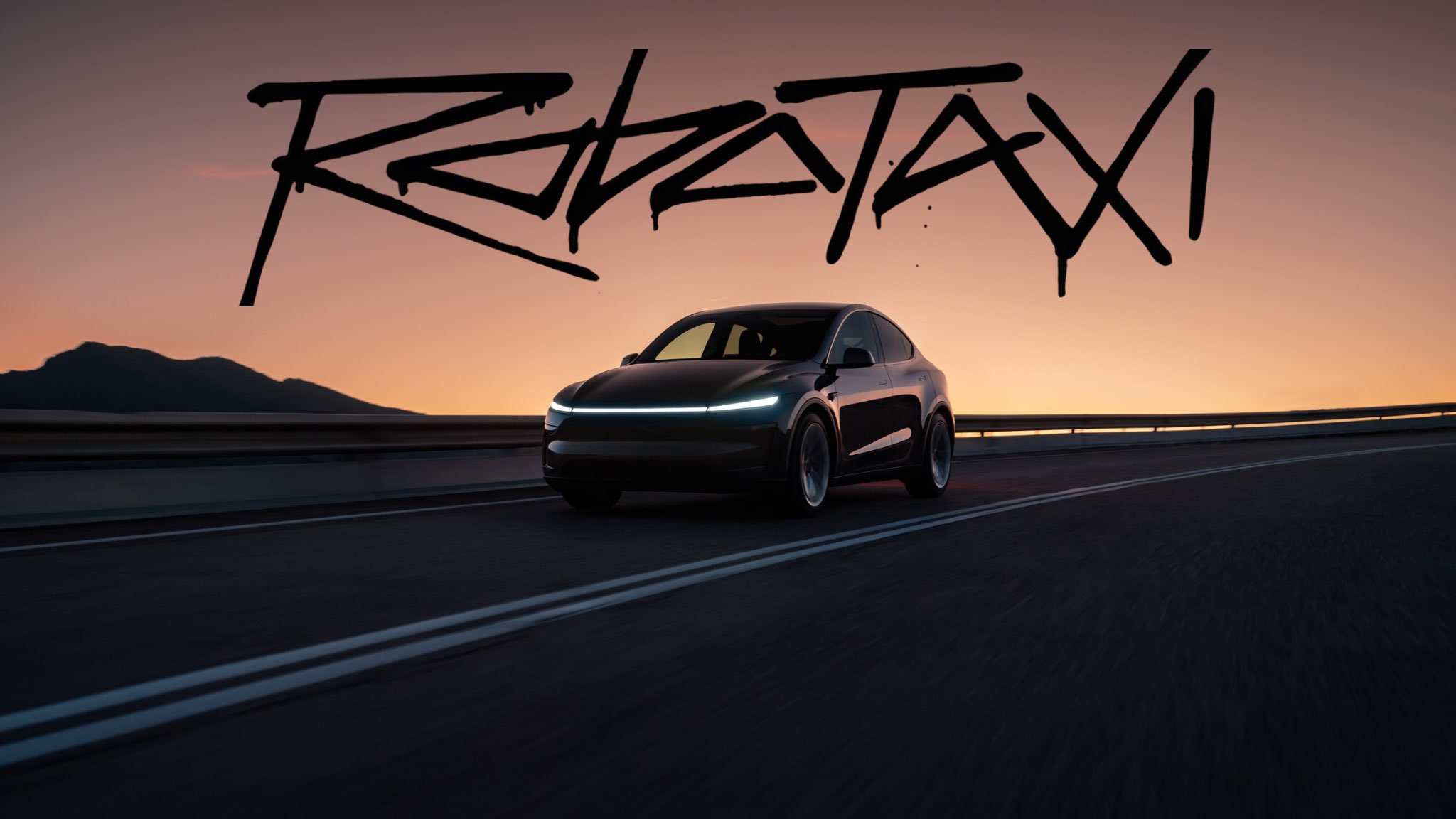
In July 2025, Elon Musk announced Tesla's plan to expand its robotaxi service to the San Francisco Bay Area, following a successful pilot in Austin, Texas. The announcement generated significant media attention and anticipation among Tesla enthusiasts. However, subsequent revelations have highlighted a disconnect between Tesla's public statements and the regulatory framework governing autonomous vehicle operations in California.
This article delves into the regulatory challenges Tesla faces in launching its robotaxi service in the Bay Area, examining the company's current compliance status, the concerns raised by state agencies, and the broader implications for Tesla's autonomous vehicle strategy.
Section 1: Tesla's Public Statements vs. Regulatory Reality
Elon Musk's July announcement suggested that Tesla was "getting the regulatory permission to launch" robotaxi services in the Bay Area. However, emails obtained by Reuters indicate that California regulators were confused and alarmed by these statements, as Tesla had not applied for the necessary autonomous vehicle deployment permits
The California Public Utilities Commission (CPUC) clarified that Tesla had not sought authorization to operate autonomous vehicles for public passenger service, either paid or unpaid, with or without a driver. This discrepancy between Tesla's public assertions and the regulatory requirements has raised concerns about the company's approach to compliance and communication with state agencies.
Section 2: Current Status of Tesla's Robotaxi Operations in California
Despite the regulatory hurdles, Tesla has initiated a limited rollout of its robotaxi service in the Bay Area. However, these operations are conducted with human safety drivers present, utilizing permits typically issued for limousine services, not for fully autonomous vehicles
This approach allows Tesla to gather data and refine its autonomous systems under real-world conditions. However, it also underscores the company's current inability to offer fully driverless rides in California without the requisite regulatory approvals.
Section 3: Regulatory Concerns and Implications
The CPUC's clarification highlights several key concerns:
-
Lack of Necessary Permits: Tesla has not applied for the required autonomous vehicle deployment permits in California.
-
Potential Misleading Communications: Public statements by Tesla may have given the impression that the company was authorized to operate autonomous vehicles, which is not the case.
-
Compliance with State Regulations: The absence of proper permits raises questions about Tesla's adherence to California's stringent autonomous vehicle regulations.
These issues could delay Tesla's plans to expand its robotaxi service and may necessitate a reevaluation of its regulatory strategy in California.
Section 4: Broader Implications for Tesla's Autonomous Vehicle Strategy
The regulatory challenges in California may have broader implications for Tesla's autonomous vehicle ambitions:
-
Impact on Expansion Plans: Delays in obtaining the necessary permits could hinder Tesla's ability to expand its robotaxi service to other regions.
-
Investor Confidence: Uncertainty regarding regulatory compliance may affect investor confidence in Tesla's autonomous vehicle initiatives.
-
Public Perception: Discrepancies between Tesla's public statements and regulatory realities could influence public perception of the company's commitment to safety and compliance.
Addressing these challenges will require Tesla to engage proactively with regulators, ensure full compliance with state laws, and provide transparent communications to all stakeholders.
Section 5: Conclusion
Tesla's ambitious plans to launch a robotaxi service in the Bay Area have encountered significant regulatory obstacles. The company's current operations, conducted with human safety drivers and limited to specific permits, are a far cry from the fully autonomous service envisioned by Elon Musk. Resolving these regulatory issues will be crucial for Tesla to realize its vision of a widespread robotaxi network.
Section 6: FAQ
Q1: Why hasn't Tesla received approval for autonomous vehicle operations in California?
Tesla has not applied for the necessary autonomous vehicle deployment permits required by California regulators.
Q2: What type of permits is Tesla currently using for its robotaxi operations in the Bay Area?
Tesla is operating under permits typically issued for limousine services, which do not authorize fully autonomous vehicle operations.
Q3: How are Tesla's robotaxi operations different from fully autonomous services?
Tesla's current operations include human safety drivers and are limited in scope, lacking the full autonomy Tesla aims to achieve.
Q4: What are the potential consequences of Tesla's regulatory challenges in California?
Delays in obtaining the necessary permits could impede Tesla's expansion plans and affect investor confidence in its autonomous vehicle initiatives.
Q5: How is Tesla addressing these regulatory issues?
Tesla is engaging with regulators to ensure compliance with state laws and to facilitate the approval process for its autonomous vehicle operations.