
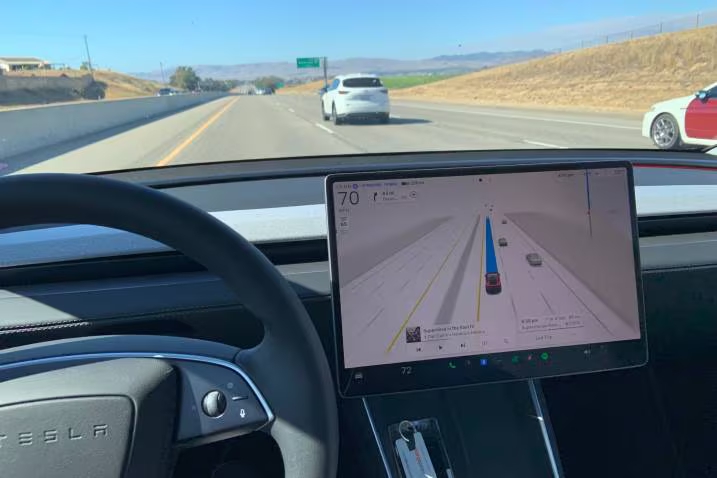
Introduction: A Turning Point for Tesla Software Strategy
In January 2026, Tesla confirmed a major change to one of its most controversial and closely watched products: Full Self-Driving (FSD). Beginning February 14, 2026, Tesla will no longer offer FSD as a one-time purchase for new buyers. Instead, FSD will be available exclusively through a monthly subscription, priced at approximately $99 per month in the United States, with regional pricing variations expected across Europe.
This decision marks a fundamental shift in how Tesla monetizes software, how owners access advanced driver-assistance features, and how the company positions itself in the increasingly competitive global EV market. For Tesla owners in the U.S. and Europe, this is not just a pricing update—it affects vehicle ownership economics, resale value, long-term usability, and trust in Tesla’s autonomy roadmap.
1. What Exactly Changed: From Lifetime Purchase to Subscription-Only
1.1 The End of the One-Time FSD Purchase
For years, Tesla offered FSD as a one-time software upgrade, priced anywhere from $5,000 in its early days to as high as $15,000 in recent years. Buyers were promised that this purchase would unlock increasingly advanced autonomy features over time.
Starting February 14, 2026:
-
New Tesla buyers cannot purchase FSD outright
-
FSD access requires an active monthly subscription
-
Existing owners who already purchased FSD retain access (with conditions discussed later)
This shift places Tesla firmly in line with a broader industry trend: vehicle features as ongoing services, not permanent assets.
1.2 Subscription Model Details (As of Today)
While Tesla may refine pricing over time, the current structure includes:
-
Monthly subscription fee (around $99 in the U.S.)
-
Cancel anytime, no long-term commitment
-
Features delivered via over-the-air updates
-
Subscription tied to the vehicle, not the owner account
For European markets, pricing may vary due to VAT, regulatory limitations, and feature availability.
2. Why Tesla Made This Move: Business, Technology, and Reality
2.1 The Economic Logic Behind Subscriptions
From a business standpoint, subscriptions offer Tesla several advantages:
-
Predictable recurring revenue
-
Reduced reliance on volatile vehicle sales
-
Higher lifetime revenue per vehicle
-
Easier alignment with ongoing development costs
A one-time FSD purchase created a mismatch: Tesla collected revenue upfront but continued to invest billions in AI training, compute infrastructure, and software engineering long after the sale.
2.2 Software Reality vs Early Promises
When FSD was first introduced, Tesla strongly implied:
-
Rapid progression to full autonomy
-
Robotaxi capability in the near future
-
Long-term value appreciation of the software
Nearly a decade later, FSD remains a Level 2 driver-assistance system, legally requiring full driver supervision in the U.S. and Europe. The gap between promise and reality has grown increasingly difficult to justify under a lifetime purchase model.
Subscriptions allow Tesla to:
-
Adjust expectations
-
Charge based on current capability
-
Reduce legal and consumer backlash
2.3 Pressure From Regulators and Legal Risk
Regulatory scrutiny—especially in the United States—has intensified around how FSD is marketed and used. A subscription model subtly reframes FSD as an evolving service, rather than a completed product, which may reduce consumer protection risk and legal exposure.
3. What FSD Actually Is in 2026 (And What It Is Not)
3.1 Current Capabilities
As of early 2026, Tesla FSD offers:
-
City street navigation with supervision
-
Automatic lane changes
-
Traffic light and stop sign response
-
Highway driving assistance
-
Parking and low-speed maneuvering features
These features are impressive—but they still require constant driver attention.
3.2 What FSD Is Not
Despite its name, FSD is not:
-
Fully autonomous
-
Approved for hands-off driving
-
A Level 4 or Level 5 system
-
A legal replacement for human responsibility
This reality is critical when evaluating the value of a subscription versus ownership.
4. Cost Analysis: Subscription vs One-Time Purchase
4.1 Long-Term Cost Comparison
Under the old model:
-
$15,000 upfront purchase
-
No recurring fees
-
Value is dependent on long-term ownership
Under the new model:
-
$99/month = ~$1,188/year
-
~$6,000 over 5 years
-
~$12,000 over 10 years
For many owners, especially those who:
-
Lease vehicles
-
Change cars every 3–5 years
-
Only use FSD occasionally
…the subscription is financially more sensible.
4.2 Who Loses Financially?
Owners who:
-
Keep vehicles for 10+ years
-
Use FSD daily
-
Expected robotaxi-level autonomy
may feel disadvantaged compared to early adopters who locked in lifetime access.
5. Impact on Existing FSD Owners
5.1 Will Existing Owners Lose FSD?
No. Tesla has confirmed:
-
Vehicles with already-purchased FSD retain access
-
No forced subscription for existing purchases
However, important caveats remain:
-
FSD stays tied to the vehicle, not the owner
-
Transferability rules can change
-
Future feature tiers may differentiate subscribers from legacy owners
5.2 Resale Value Implications
Historically, FSD:
-
Added inconsistent resale value
-
Was often undervalued by used-car buyers
With subscription-only access:
-
Used Teslas may become cheaper
-
Buyers may prefer flexibility over sunk cost
-
FSD becomes an operating expense, not a capital asset
6. How This Affects New Tesla Buyers
6.1 Lower Entry Barrier
New buyers:
-
Avoid high upfront costs
-
Can try FSD without commitment
-
Can activate only when needed (road trips, commuting phases)
This may increase short-term adoption rates, even if long-term commitment remains uncertain.
6.2 Psychological Shift in Ownership
Tesla ownership increasingly resembles:
-
A smartphone ecosystem
-
Software-defined experience
-
Feature access based on subscription status
This appeals to some buyers—but alienates others who prefer traditional ownership.
7. Comparison With Other Automakers
7.1 Industry Trend Toward Subscriptions
Other manufacturers are also moving toward:
-
Paid driver-assist upgrades
-
Software-locked features
-
Recurring revenue models
Tesla is not alone—but it is the most aggressive and visible example.
7.2 Tesla’s Competitive Advantage (and Risk)
Advantages:
-
Best-in-class OTA updates
-
Large real-world data advantage
-
Rapid iteration cycle
Risks:
-
Subscription fatigue
-
Consumer pushback
-
Regulatory limits in Europe
8. European Perspective: More Complexity, More Constraints
8.1 Regulatory Differences
European markets face:
-
Stricter autonomy regulations
-
Slower feature approval
-
Country-by-country differences
This means:
-
European subscribers may pay for features not fully available
-
Value perception varies significantly by region
8.2 Consumer Sentiment in Europe
European buyers tend to:
-
Be more price-sensitive
-
Expect clearer feature definitions
-
Be less tolerant of beta-style software
Tesla’s subscription-only approach may face stronger resistance in the EU than in the U.S.
9. Strategic Implications for Tesla
9.1 Software Revenue Becomes Central
As vehicle margins compress globally, Tesla increasingly relies on:
-
Software subscriptions
-
Energy products
-
Services and data
FSD subscription revenue could become a core pillar of Tesla’s financial model.
9.2 Alignment With Robotaxi Vision
A subscription model also fits Tesla’s long-term goal:
-
Transition from owner-driven to fleet-driven autonomy
-
Normalize paying monthly for autonomy access
-
Prepare consumers for robotaxi participation models
10. What This Means for the Future of Tesla Autonomy
Tesla’s decision signals a quieter—but more realistic—autonomy roadmap:
-
Incremental progress instead of bold deadlines
-
Monetization aligned with actual capability
-
Reduced reliance on speculative promises
Whether this rebuilds trust or deepens skepticism depends on how fast FSD genuinely improves from here.
Conclusion: A Necessary Reset, Not the End of the Vision
Tesla ending one-time FSD purchases is not an admission of failure—it is a strategic reset. The subscription model reflects economic reality, regulatory pressure, and the true state of autonomous driving technology.
For owners:
-
The change brings flexibility and lower risk
-
But also uncertainty about long-term value
For Tesla:
-
It stabilizes revenue
-
Reduces legal exposure
-
Aligns autonomy with service-based economics
Ultimately, this move may prove essential if Tesla wants to deliver autonomy credibly, not just ambitiously.
Frequently Asked Questions (FAQ)
Q1: Will my existing FSD purchase still work after February 2026?
Yes. Vehicles with already-purchased FSD will retain access without requiring a subscription.
Q2: Can I subscribe to FSD only for certain months?
Yes. The subscription can be activated or canceled month-to-month.
Q3: Is FSD transferable if I sell my Tesla?
FSD remains tied to the vehicle, but Tesla’s transfer policies can change. Always verify at the time of sale.
Q4: Does the subscription include all future FSD upgrades?
It includes all features available under the FSD package at that time, subject to regional approval.
Q5: Is Tesla planning to raise the subscription price?
Tesla has adjusted FSD pricing frequently in the past. Future increases are possible.