
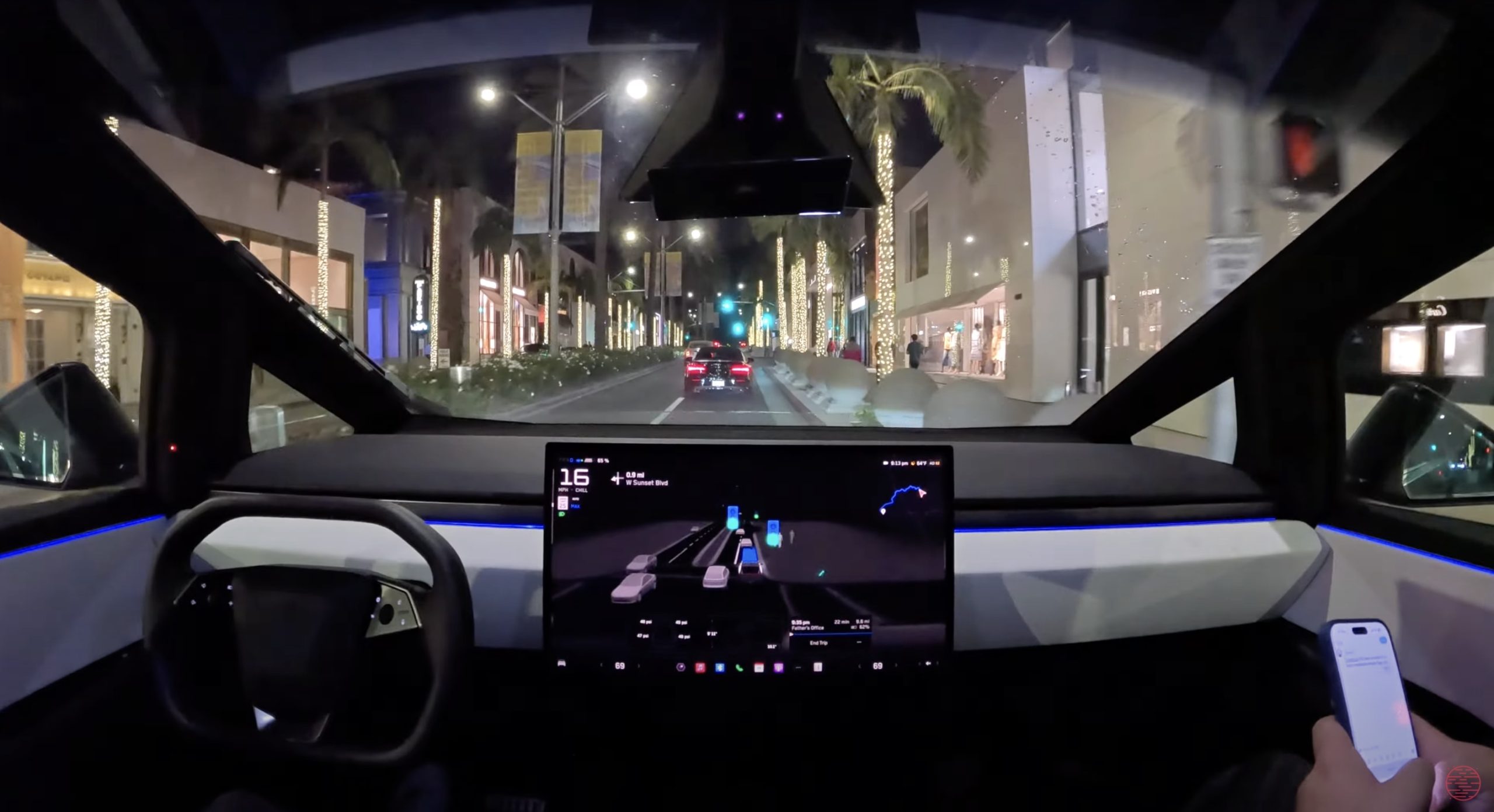
Tesla's Full Self-Driving (FSD) Hardware 5.0 represents a major leap forward in autonomous vehicle technology. As the company moves toward mass deployment, the latest hardware and software upgrades are setting new benchmarks for performance, safety, and user experience. The regulatory landscape is also evolving, with authorities in the US and Europe reassessing frameworks for self-driving cars.
Detailed Technical Upgrades
Hardware 5.0: A Quantum Leap
The FSD Hardware 5.0 platform delivers five times the processing power of its predecessor, HW4. This leap enables more complex neural networks, faster decision-making, and improved sensor integration. Key enhancements include:
-
Custom AI chips designed in-house by Tesla.
-
Expanded sensor suite with higher-resolution cameras and radar.
-
Redundant safety systems for critical functions.
FSD Software v13.2.9: Real-World Performance
The latest FSD software update introduces significant improvements in object detection, path planning, and adaptive cruise control. Field tests in urban and highway environments demonstrate smoother lane changes, more accurate obstacle avoidance, and reduced intervention rates.
Austin Robotaxi Pilot Project
Launch and Service Model
On June 22, Tesla launched a limited Robotaxi service in Austin, Texas. The service operates with a fixed fare of $4.20 per ride and includes a safety supervisor in each vehicle during the pilot phase. This initiative provides valuable data for scaling autonomous ride-hailing services.
Safety and Risk Management
Tesla has implemented rigorous safety protocols, including continuous monitoring and real-time intervention capabilities. The company collaborates with local authorities to ensure compliance with all relevant regulations.
Regulatory Challenges and Policy Impact
Divergent Approaches in Texas and California
Texas has adopted a more permissive stance toward autonomous vehicles, facilitating rapid deployment and testing. In contrast, California maintains stricter oversight, requiring detailed safety reports and limiting certain types of autonomous operations.
Federal and European Regulatory Developments
The US federal government is developing new guidelines for self-driving cars, focusing on safety, data privacy, and liability. In Europe, regulatory harmonization efforts are underway to enable cross-border deployment of autonomous vehicles.
Technical Limitations and Controversies
Upgrade Path for Existing Owners
Owners with older hardware (HW3) face challenges in upgrading to the latest FSD capabilities. Tesla offers trade-in programs and discounted upgrade options, but logistical and technical constraints remain.
Data Transparency and Safety Metrics
There is ongoing debate regarding the accuracy and transparency of Tesla's reported disengagement rates and safety statistics. Independent audits and third-party testing are increasingly being called for by consumer advocacy groups.
Commercialization Prospects and Market Opportunities
Scaling from Pilot to Mass Deployment
Tesla's roadmap envisions expanding Robotaxi services to additional US cities and select European markets. Key success factors include regulatory approval, public acceptance, and operational efficiency.
Competitive Advantages
Tesla's integrated hardware-software ecosystem, extensive data collection, and rapid iteration cycles provide a significant edge over competitors. The company's ability to monetize autonomous driving through subscriptions and ride-hailing services is a major growth driver.
US and European Market Deployment Strategies
Expansion Plans in the Bay Area
Tesla is preparing to launch Robotaxi services in the San Francisco Bay Area, leveraging its large fleet and established customer base. The company is working closely with local governments to address safety and infrastructure requirements.
Readiness in European Markets
European deployment will require adaptation to diverse regulatory environments and driving conditions. Tesla is investing in localization efforts, including language support, map data integration, and compliance with EU standards.
Conclusion: The Future of Autonomous Driving
Tesla's advancements in FSD hardware and software are accelerating the transition to fully autonomous vehicles. While technical and regulatory hurdles remain, the company's progress signals a future where self-driving cars are a mainstream reality.
Frequently Asked Questions (FAQ)
Q1: How can existing Tesla owners upgrade to FSD Hardware 5.0?
A: Tesla offers upgrade programs for eligible vehicles, with details available through the Tesla app or service centers.
Q2: What are the insurance and legal implications of using FSD?
A: Insurance coverage varies by region; Tesla works with insurers to develop policies tailored to autonomous vehicles.
Q3: How does FSD safety compare to human drivers?
A: Early data suggests FSD-equipped vehicles have lower accident rates, but comprehensive, independent studies are ongoing.