
Introduction: Why Berlin Matters More Than Ever
If you’re a Tesla owner in Europe—or just a fan keeping an eye on Tesla’s global story—there’s a big development you can’t ignore. Gigafactory Berlin, Tesla’s European production hub, has just received approval to expand in a major way. For everyday owners, this isn’t just another corporate update—it’s about faster deliveries, more localized production, and potentially, the next wave of Tesla innovation right here in Europe.
We’ve all heard the story before: Tesla announces bold plans, people doubt the timelines, and then—bit by bit—the company delivers. Berlin’s expansion marks another chapter in Tesla’s push to dominate the EV market in Europe. But what exactly is changing? How does it impact you as a driver, and what does it mean for Tesla’s fight against legacy automakers and new challengers?
Let’s break it down together.
1. Gigafactory Berlin at a Glance
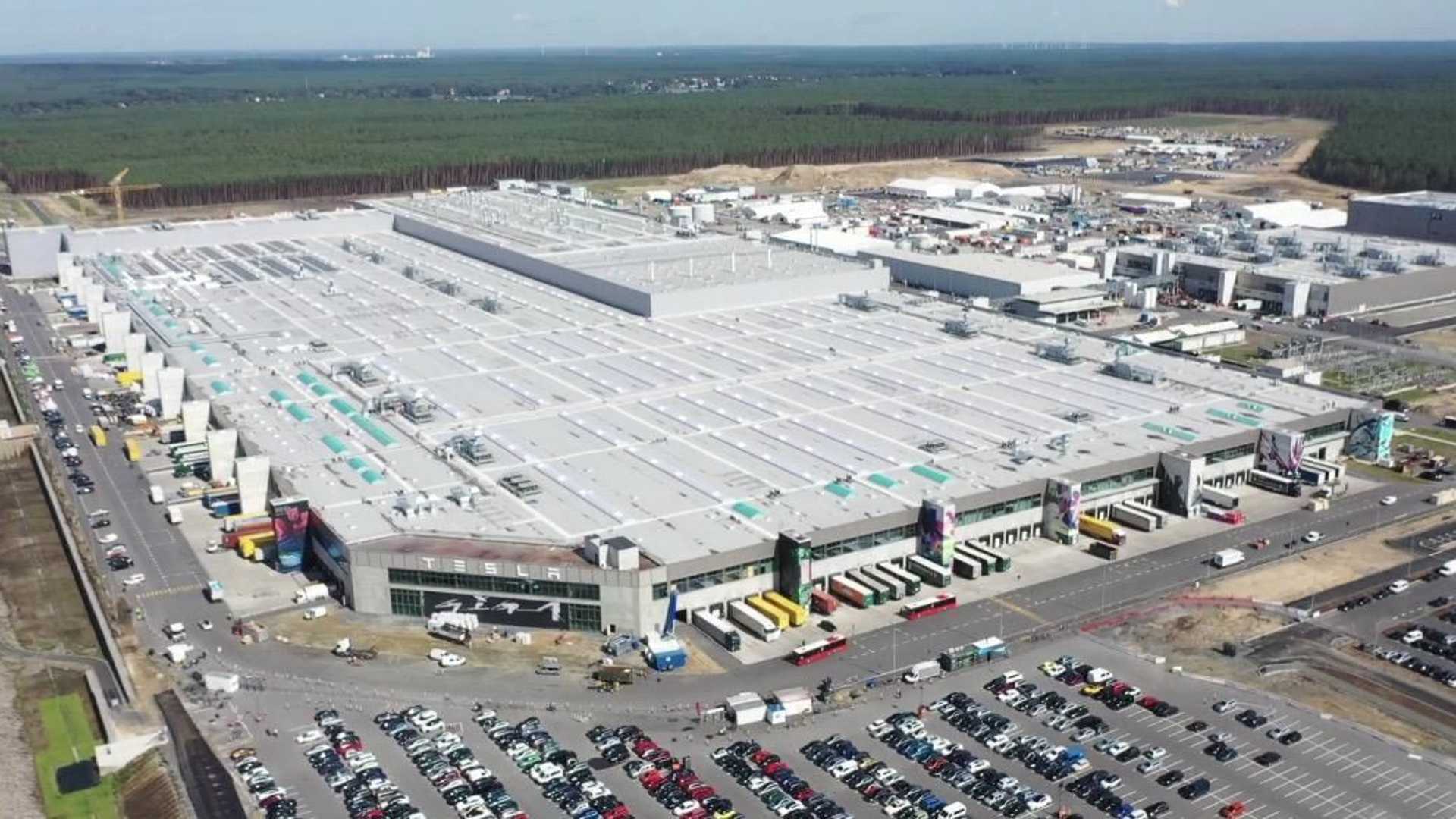
Tesla broke ground on Gigafactory Berlin (technically Gigafactory Berlin-Brandenburg) in 2020. By 2022, it was officially open and delivering cars—starting with the Model Y. Located just outside Berlin, in Grünheide, Germany, the factory was designed to give Tesla a foothold in Europe’s heartland, both geographically and industrially.
Currently, Berlin mainly produces the Model Y, including the newer “Juniper” refresh. This factory is Tesla’s answer to Europe’s appetite for EVs, and it plays a huge role in reducing dependence on Shanghai exports.
One thing that makes Berlin unique is its combination of high automation, proximity to major supply routes, and the fact that it’s the only Tesla plant outside of the U.S. and China that’s fully embedded within the EU market. That means it’s not just about production numbers—it’s about regulatory alignment and making Tesla a local player in Europe’s EV industry.
2. The New Expansion Plan
So what’s changing now? Recently, Tesla secured approval to expand the factory footprint. This expansion includes additional land use, more production halls, and crucially, capacity for battery manufacturing.
Here’s what’s on the table:
-
Production capacity could rise to 1 million cars annually over time (compared to ~500,000 today).
-
Tesla is building new battery lines, particularly for the 4680 cells that Elon Musk has been touting as a game-changer.
-
Logistics, storage, and supplier facilities will expand, streamlining Tesla’s European supply chain.
For Tesla owners, that means shorter wait times, less reliance on imported models, and potentially new vehicle types produced locally.
3. Why Berlin Expansion Matters for Owners
You might be wondering: “Okay, but what’s in it for me as a Tesla driver?”
Quite a lot, actually.
-
Shorter Wait Times: More cars built in Germany means you won’t have to wait as long for a Model Y or Model 3 delivery.
-
Localized Production: If you’re in Europe, your Tesla is more likely to be “Made in Germany” than shipped across the globe. That reduces risk from shipping delays or tariffs.
-
Potential New Models: With higher capacity, Berlin could eventually take on additional production beyond the Model Y—perhaps the Model 3 Highland or even a compact Tesla designed for Europe.
-
Better Service Infrastructure: Expanding the factory usually goes hand-in-hand with better logistics for spare parts and faster servicing.
For U.S. readers, Berlin’s growth is a reminder of how Tesla is locking down Europe as a second “home market”—something that helps stabilize Tesla’s global production balance.
4. Battery Production and Innovation
The most exciting part of Berlin’s expansion might not be more cars—it’s the batteries. Tesla has been working on scaling up 4680 cells, a larger-format battery cell that promises lower costs, higher energy density, and better performance.
Bringing 4680 production to Europe is a big deal. Right now, much of Tesla’s battery supply depends on imports from Asia. By localizing production, Tesla cuts costs, reduces risks from global shipping, and ensures European vehicles get the latest battery tech sooner.
For owners, this means:
-
Longer range in future models.
-
Potentially lower vehicle prices as costs scale down.
-
Faster adoption of energy storage solutions like Powerwall and Megapack across Europe.
It’s not just about cars—Berlin could become Tesla’s battery hub for both automotive and energy products.
5. Environmental and Political Context
Of course, it hasn’t been smooth sailing. Gigafactory Berlin has faced protests from environmental groups, particularly over water usage and deforestation. Locals have expressed concerns about the impact on the region’s resources.
At the same time, European regulators keep a close eye on Tesla. The EU is aggressively pushing for EV adoption, and Tesla fits neatly into that agenda—but stricter sustainability rules may apply.
The expansion approval itself shows a balancing act: Germany sees Tesla as essential to its EV future, but the company will need to keep proving it can meet environmental obligations.
6. Economic Impact on Europe
One of the underreported aspects of Berlin’s growth is its economic ripple effect. Tesla has already created tens of thousands of jobs in Brandenburg, and with the expansion, thousands more are expected.
This helps Germany position itself not just as an auto powerhouse of the past (think VW, BMW, Mercedes), but as an EV leader of the future. It also pressures local automakers to speed up their own EV production to keep up.
For Tesla fans, it’s a bit ironic: the heartland of Europe’s traditional auto industry is now also Tesla’s launchpad for its EV dominance.
7. Impact on Tesla’s Lineup in Europe
Right now, Berlin only makes the Model Y. But with new capacity, rumors are flying:
-
Model 3 Highland: Will Berlin start producing this refresh instead of relying on imports from China?
-
Compact Tesla: Elon Musk has hinted at a smaller, cheaper Tesla designed for Europe. Could Berlin be the birthplace?
-
Cybertruck: Unlikely in the near future, given EU regulations and vehicle size, but don’t rule out eventual adaptation.
For owners, this means the Tesla you buy in a couple of years may look a little different—possibly tailored more closely to European needs.
8. Supply Chain & Logistics Advantages
Remember the shipping bottlenecks during COVID? Cars stuck in ports, delays stretching for months? Berlin expansion helps Tesla sidestep that.
Local supply chains mean:
-
Fewer global shipping risks.
-
Lower costs passed down to owners.
-
Faster updates, since vehicles don’t need to wait for overseas transport.
For European Tesla drivers, this is huge. It means the Tesla ecosystem—from cars to parts to batteries—becomes more resilient.
9. How Berlin Shapes Tesla vs. Competitors in Europe
Tesla’s main rivals in Europe aren’t just VW, BMW, and Mercedes. Chinese automakers like BYD and NIO are aggressively entering the European market. Berlin expansion acts as Tesla’s counter-move: scale production locally, strengthen its market share, and reinforce brand loyalty among owners.
Tesla’s ace in the hole? Supercharging network dominance. Berlin isn’t just about cars—it’s about reinforcing Tesla’s infrastructure lead across Europe.
10. Concerns and Criticisms
Let’s be real—Tesla expansions always bring criticism. Some of the main pushbacks include:
-
Environmental protests over land and water use.
-
Skepticism about whether Tesla can really hit its ambitious production targets.
-
Union and labor concerns in Germany, a country with strong worker protections.
As a Tesla fan, it’s important to recognize these challenges while also seeing the bigger picture: Tesla’s trajectory tends to bend toward growth, even when skeptics doubt it.
11. Looking Ahead
So, what’s next?
In the short term (12–24 months), expect:
-
Model Y production to keep scaling up.
-
Battery lines for 4680s to come online.
-
Possible inclusion of Model 3 Highland in Berlin production.
In the longer term (3–5 years), Berlin could become Tesla’s European Robotaxi hub, supporting autonomy testing and deployment across the continent. That might sound far-fetched today, but remember—Arizona just gave Tesla the green light for Robotaxi trials. Europe will eventually follow.
Conclusion: Why Berlin Expansion Is a Game-Changer
The Gigafactory Berlin expansion isn’t just a construction project—it’s a signal. A signal that Tesla is doubling down on Europe, that it’s serious about local production, and that it wants to lock in its lead before competitors catch up.
For owners, this means faster deliveries, better access to new technology, and the possibility of future Tesla models designed with Europe in mind. For Tesla fans, it’s another step in the company’s transformation from a scrappy American EV disruptor into a true global powerhouse.
The future of Tesla in Europe? It’s being built in Berlin, brick by brick, battery by battery.
FAQ
Q: Will my Tesla Model Y Juniper come from Berlin?
Yes—if you’re in Europe, your Model Y (including Juniper refresh) likely comes from Gigafactory Berlin.
Q: Does Berlin produce Model 3s yet?
Not yet. Model 3 Highland is still produced in Shanghai, but expansion could change that in the next 1–2 years.
Q: How soon will 4680 batteries be in European Teslas?
Tesla hasn’t given a firm timeline, but with new lines in Berlin, expect them to start appearing within the next couple of years.
Q: What does this mean for Tesla pricing in Europe?
Local production often means reduced costs, which could translate to lower prices—or at least more stable pricing—over time.
Q: Will Berlin eventually build the Cybertruck?
It’s unlikely in the short term due to EU regulations and vehicle size, but Tesla could adapt a future version for Europe if demand is strong.