
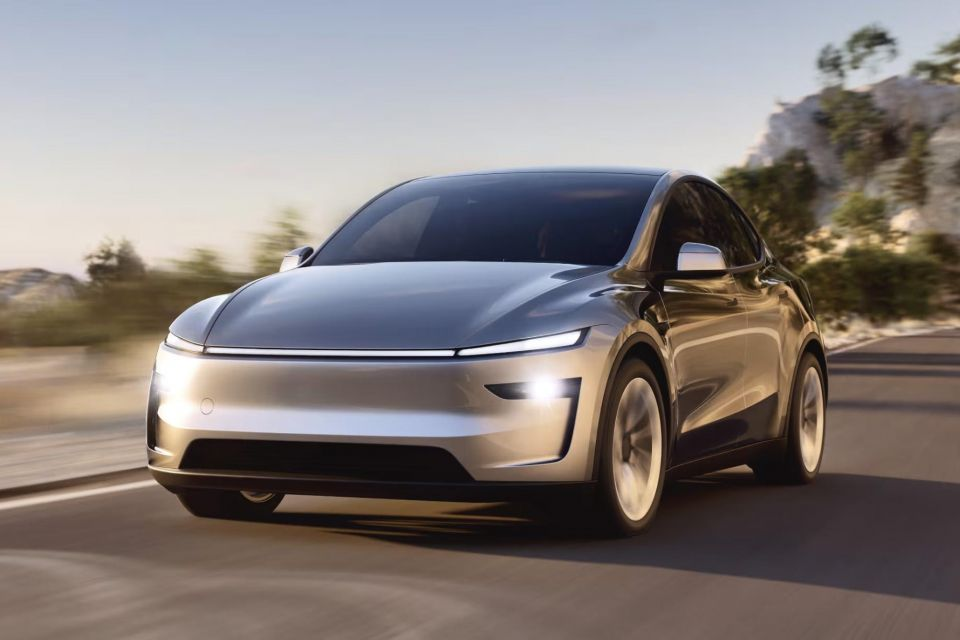
In the first half of 2025, Europe saw an unprecedented shake‑up in electric‑vehicle rankings: legacy automaker Volkswagen dethroned Tesla as the continent’s top EV seller. Tesla’s sales plunged 33% year‑on‑year, while VW’s surged 78%, driven by the ID family and aggressive pricing. This seismic shift reflects shifting consumer priorities, evolving subsidy schemes, and Tesla’s own production challenges at Giga Berlin. In this article, we analyze the data behind the slump, explore market dynamics favoring legacy manufacturers, examine Tesla’s European strategy under scrutiny, dissect regional owner sentiment, and assess the path forward for Europe's once‑uncontested EV champion.
I. H1 2025 Sales Analysis
-
Overall Market Growth
-
Total EV registrations in EU + UK: 1.2 million units, up 21% from H1 2024.
-
EV share of new‑car market: 18%, compared to 14% in H1 2024.
-
-
Tesla’s Performance
-
Tesla H1 2025 deliveries: 180,000 units (down from 270,000).
-
Model Y remains best‑selling, but saw a 29% drop; Model 3 dropped 42%.
-
-
Volkswagen’s Surge
-
VW Group EV deliveries: 210,000 units (ID.3, ID.4, ID. Buzz).
-
Competitive edge: modular MEB platform enabling cost parity with ICE.
-
-
Top 5 Brands
-
VW, Tesla, Renault, Hyundai‑Kia, Peugeot.
-
Brand mix shifts: growth of domestic players in France and Germany.
-
-
Key Models Breakdown
-
VW ID.4: 75,000 units; Renault Zoe successor: 45,000; Tesla Model Y: 68,000.
-
-
Segment-Level Insights
-
Compact hatchbacks: strong in France/Italy; SUVs dominate in UK/Spain.
-
II. Market Dynamics & Legacy Automaker Resurgence
-
Pricing Strategies
-
VW’s aggressive launch rebates and financing deals undercut Tesla by €3,000–€5,000.
-
Tesla’s recent price increases to offset Giga Berlin costs backfired amid tight consumer budgets.
-
-
Product Variety & Consumer Choice
-
VW ID lineup spans compact to full‑size, with ID. Buzz tapping van/MPV segment.
-
Tesla’s narrower lineup (Model 3/Y, upcoming Cybertruck) lacks options in popular segments.
-
-
Dealer Network & Service
-
VW benefits from 1,400 dealer sites offering test drives, maintenance, and trade‑ins.
-
Tesla’s direct‑sales model still limited to 80 galleries in major metro areas—service wait times rose.
-
-
Incentive Structures
-
Germany’s €9,000 EV subsidy favors locally built models like the ID.3/4; Tesla earned only €3,000 due to import rules.
-
France extended bonus‑malus system favoring sub‑€35 K EVs, where VW’s compact offerings excel.
-
-
Supply Chain & Localization
-
Giga Berlin faced component constraints and local labor shortages delaying output.
-
VW’s European battery consortium (ACC, Northvolt) delivering cells on schedule, ensuring stable production.
-
III. Tesla’s European Strategy Under Review
-
Giga Berlin Ramp‑Up Challenges
-
Initial target: 500,000 annual capacity by Q2 2025; reality: ~200,000 units/year.
-
Causes: stamping line defects, paint shop throughput, workforce onboarding delays.
-
-
Pricing & Configuration Adjustments
-
July 2025 price cuts of 5–7% on entry‑level Model 3 and Model Y in key markets.
-
Introduction of lower‑range battery pack option (Standard Range RWD) to hit sub‑€45 K threshold.
-
-
Service Expansion Efforts
-
Announced 30 new service centers across Spain, Italy, and Benelux by end of 2025.
-
Mobile service fleet increased by 25%, but average repair turnaround still at 6 days.
-
-
Localized Marketing & Partnerships
-
Collaboration with local renewable‑energy providers to bundle solar + Powerwall offers.
-
Sponsorship of European e‑Sports and music festivals to boost brand affinity among younger buyers.
-
-
Regulatory & Trade Considerations
-
EU’s anti‑dumping probes into the Chinese battery supply chain raising input cost risks.
-
Brexit‑related VAT and logistics friction still adding ~€1,200 per vehicle entering UK.
-
IV. Consumer Sentiment & Brand Loyalty
-
Owner Satisfaction Surveys
-
J.D. Power EV Satisfaction: Tesla fell from #1 to #4 in Europe, citing service and build quality issues.
-
VW scored highest in reliability and dealer experience.
-
-
Social‑Media & Forum Insights
-
European Tesla Club forums: common complaints about inconsistent panel gaps, navigation quirks.
-
VW ID owner groups celebrating improved after‑sales and integrated infotainment.
-
-
Charging Infrastructure Influence
-
Tesla Supercharger network: 2,200 stalls across Europe, but waiting times increased during peak.
-
Ionity and Fastned expansion under CEF funding offers alternative high‑power sites.
-
-
Total Cost of Ownership (TCO) Analysis
-
Depreciation: Tesla Model Y residuals down 8% year‑over‑year; ID.4 down just 3%.
-
Insurance costs: Tesla premiums rose 12% vs. 5% for VW EVs, due to higher repair bills.
-
-
Brand Advocacy & Referrals
-
Tesla’s referral program pause removed a key loyalty driver; VW’s “Bring a Friend” EV test‑drive incentive sees growing uptake.
-
Conclusion
Tesla fall from Europe’s EV podium highlights the shifting tides in the continent’s electrification race. Legacy automakers, armed with robust dealer networks, diverse model lineups, and favorable policy backing, have seized ground once thought insurmountable. While Tesla still boasts technological leadership in battery efficiency and software, its service bottlenecks, pricing missteps, and localized production delays allowed competitors to close the gap. To reclaim Europe’s crown, Tesla must streamline Giga Berlin output, tailor offerings to regional needs, and bolster after‑sales support. The next 12 months will be decisive: will Tesla adapt to Europe’s intricate market mosaic, or cede further share to its reinvigorated rivals?
FAQ
-
Which Tesla models still sell best in Europe?
The Model Y remains the top seller, followed by Model 3; however, both saw double‑digit volume declines in H1 2025. -
How did VW overtake Tesla so quickly?
Through aggressive pricing, wider model variety, local subsidies, and an established dealer footprint. -
Are European EV incentives favoring local brands?
Yes—many countries link higher rebates to domestic production or price caps that typically benefit legacy OEMs. -
What role does Giga Berlin play in Tesla’s recovery?
It’s critical: hitting production targets will lower logistics costs, enable faster deliveries, and unlock local incentives. -
How might Tesla respond on pricing?
Further localized price cuts, introduction of a lower‑priced entry variant, and flexible subscription models are under consideration. -
Is Tesla still expanding Superchargers?
Yes—another 300 stations planned by year‑end, with focus on Spain, Italy, and Poland to match VW’s charging partnerships. -
Will Tesla adjust its direct‑sales model in Europe?
Unlikely to revert to franchised dealers, but adding more galleries and mobile service units to improve presence. -
What’s the outlook for Tesla in Eastern Europe?
Emerging markets like Poland and Czechia show early demand, but infrastructure gaps and limited incentives pose challenges.