
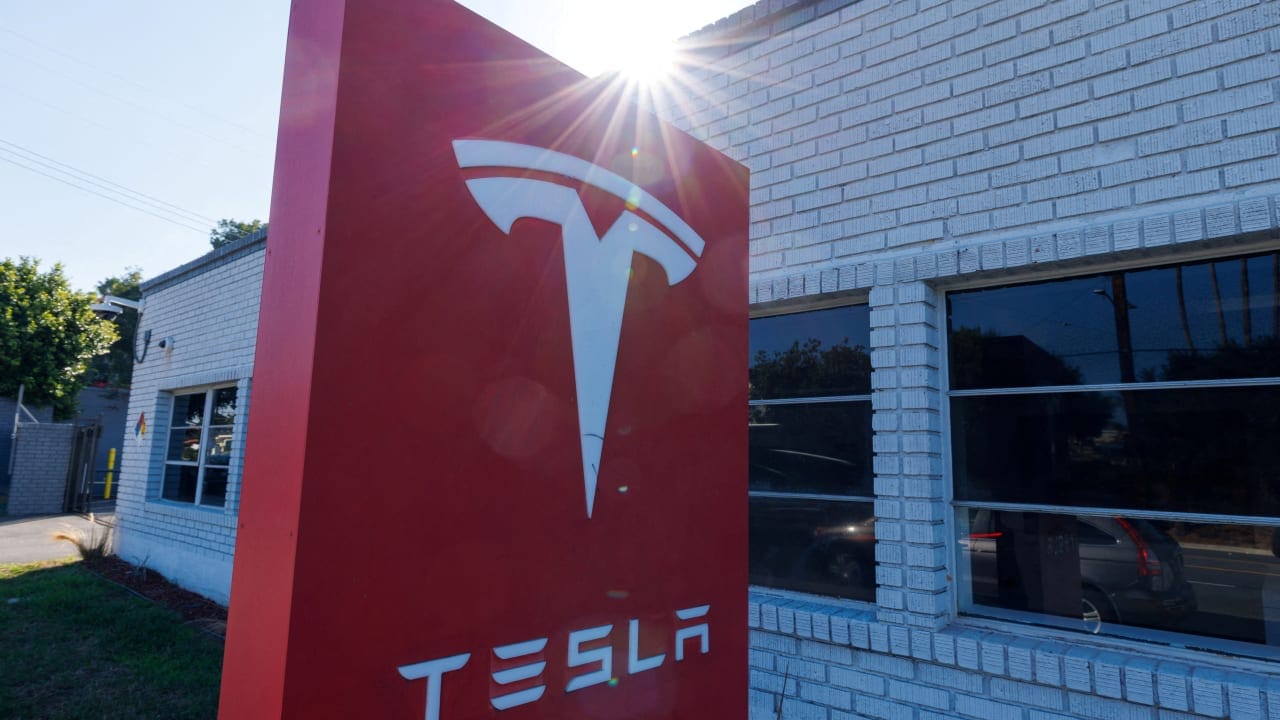
On November 15, 2025, multiple news outlets reported that Tesla has instructed its suppliers to stop using China-manufactured components for vehicles destined for the U.S. market. This directive is part of a broader strategic pivot, driven by geopolitical risks, U.S. policy incentives, and Tesla’s ambition to localize its supply chain. The implications are significant: for Tesla, it's a play to align with U.S. clean-energy subsidy rules and reduce reliance on China; for American customers, it could influence pricing, tax-credit eligibility, and parts availability; for suppliers, it represents a call to retool, relocate, or form joint ventures.
This article explores the details of Tesla’s directive, the policy and geopolitical context behind it, the technical challenges involved in replacing critical components, the business and manufacturing trade-offs, and the potential scenarios ahead. It also offers practical advice for Tesla owners, fleet managers, and suppliers navigating this shift.
1. The Directive: What Tesla Is Asking
Tesla’s recent move is not a vague suggestion but a clear operational instruction: suppliers are to exclude China-made parts from vehicles built for U.S. delivery. According to multiple sources, this is not just a short-term pilot — Tesla is targeting a one- to two-year window to phase in non-China components where possible.
Reports indicate that this isn’t limited to low-level parts. The shift covers sophisticated components such as sensors, control modules, and possibly battery-related parts. While Tesla continues its production in Shanghai for other markets, the change specifically affects the supply chain for U.S.-built cars. Some of the replacements are already underway, according to manufacturer and supplier insiders.
2. Policy & Geopolitical Drivers
U.S. Clean Vehicle Incentives
One of the strongest levers behind Tesla’s action is U.S. climate and energy policy, particularly the clean vehicle tax credits introduced by the Inflation Reduction Act (IRA). These incentives are contingent on certain sourcing rules: final assembly in North America and phased-in domestic content requirements for battery components and critical minerals.
To qualify for the full credit, automakers need to demonstrate that battery components come from approved sources or meet stringent provenance criteria. Tesla’s push to remove China-sourced parts from its U.S. vehicles helps it align with these requirements, thereby preserving or expanding buyers’ eligibility for tax benefits.
Trade Risk & Geopolitics
Tesla is also managing geopolitical risk by reducing exposure to Chinese manufacturing. Trade tensions, export controls on high-end electronics or critical minerals, and uncertainties around tariffs all present operational risk. By localizing more of its supply chain, Tesla can insulate itself from potential disruptions, regulatory crackdowns, or sudden tariff escalations.
At the same time, this move can be framed as a strategic marketing narrative — “Made in America” parts for American Teslas — which may resonate with policymakers, customers, and large-scale fleet purchasers concerned about supply chain resilience and national security.
3. Technical Realities: What Can and Cannot Be Replaced Easily
Commodity Components
Low- to mid-complexity parts — such as wiring looms, plastic modules, certain sensors, and many mechanical subassemblies — are relatively straightforward to re-source. These parts are often generic enough that suppliers in Mexico, Southeast Asia, or North America can step in with retooled capacity.
Critical Electronics and Semiconductors
More problematic are highly specialized electronic modules and microcontrollers that run powertrains, safety systems, and autonomous-driving features. These often rely on packaging, assembly, or testing processes that currently have capacity or specialization in Asia. Replicating that in North America or elsewhere is not trivial.
Battery Cells and Materials
Lithium-ion cell production is among the hardest to re-localize. Cell manufacturing requires fabrication plants (fabs), raw material supply, and long lead times. While Tesla has made progress with North American cell initiatives, not all chemistries are equally easy to replicate. For example, LFP (lithium iron phosphate) cells are in high demand, but building scale takes time. Furthermore, certain critical minerals (or their refining) remain concentrated in limited regions globally, which can complicate sourcing under IRA rules.
4. Cost, Timeline, and Manufacturing Implications
Cost Implications
Transitioning away from China-made parts will almost certainly raise Tesla’s component and production costs in the near term. Suppliers with lower volume outside China will have higher per-unit costs, and retooling factories or building new capacity demands capital. However, increased costs may be mitigated by federal incentives, especially those tied to domestic production.
Timeline of Transition
Tesla’s reported timeline — one to two years — aligns with what is technically feasible for many parts. Simpler components can shift quickly; more complex ones, like battery cells or sophisticated electronics, may require two to three years or more to fully localize. Meanwhile, Tesla may adopt a phased strategy: near-term retooling for commodity parts, coupled with strategic investments for long-term capacity.
Production Footprint Shifts
Possible locations for relocalization include Mexico (for near-shoring), Southeast Asia (for cost-effective manufacturing), and North America (for high-criticality parts and battery cells). Tesla may rely on partnerships, joint ventures, or investments to accelerate capacity in these regions.
5. Impacts on Tesla’s Business & Financials
From a business perspective, Tesla’s move carries risk — and opportunity.
-
Margin Pressure: Higher input costs might compress margins unless offset by scale, incentives, or premium pricing.
-
Regulatory Alignment: Aligning supply chain with U.S. policy could boost Tesla’s appeal to environmentally conscious buyers and institutional fleets.
-
Investor Signals: For investors, this shift is a strong signal that Tesla is hedging geopolitical risk and doubling down on its U.S. manufacturing footprint.
-
Operational Risk Mitigation: By reducing reliance on a single geography, Tesla potentially reduces risk from supply-chain shocks, export restrictions, or political developments.
6. What This Means for Tesla Owners
Pricing & Sales
Some of the cost increases could trickle down to consumers, depending on how aggressively Tesla absorbs or passes them on. However, preserving eligibility for IRA tax credits could cushion buyers from sticker shocks. Customers should verify, at the point of sale, whether their Tesla will qualify under the IRS rules for clean vehicle credits.
Service & Parts
Owners shouldn’t expect major disruptions in service or parts in the short term — Tesla’s existing service centers and inventory base will continue to operate. Over time, as suppliers shift, part identifiers might change, but Tesla will likely maintain functional parity.
Resale & Trade-ins
Regional sourcing differences and tax-credit dynamics could subtly influence resale values, especially in the U.S. Models built under the new sourcing regime may command a premium for buyers prioritizing clean-energy credits or supply-chain provenance.
Advice for Buyers
-
Confirm tax-credit eligibility with the dealer before finalizing purchase.
-
Be aware that lease and pricing promotions may interact with sourcing strategies — weigh immediate incentives vs longer-term credit benefits.
-
For fleet buyers, consider including supply-chain clauses in procurement contracts to manage risk.
7. Broader Industry & Supplier Impacts
Supplier Landscape
Tier-1 suppliers in China will need to adapt quickly. Some are likely to open or expand facilities in new regions (Mexico, Southeast Asia, North America) to retain Tesla business. Existing non-China suppliers may see increased demand and need to scale.
Competitor Response
Other automakers are pursuing similar localization strategies. The global EV industry is shifting toward more regional supply chains as governments push for “clean” sourcing and automakers hedge against geopolitical risks.
Strategic Partnerships
To scale cell production outside China, Tesla may rely on joint ventures, licensing agreements, or direct investment. These partnerships could accelerate the build-out of new capacity and create long-term resilience.
8. Future Scenarios & Strategic Outlook
Here are three plausible pathways Tesla might follow:
-
Rapid Localization
Tesla and its suppliers successfully retool, and domestic or near-shore capacity scales quickly. This leads to predominantly U.S.-sourced components in U.S.-destined vehicles. Costs remain elevated in the short run, but incentives and scale help absorb them. -
Hybrid Diversification
Tesla shifts a large portion of its supply to Mexico, Southeast Asia, and selected North American plants, while continuing to import certain high-complexity components. This reduces risk but maintains cost competitiveness. -
Slow Transition
Localization lags, forcing Tesla to continue relying heavily on China for key components. This leaves it vulnerable to supply-chain or policy risk in the long run, potentially impacting pricing, credits, and operational stability.
9. Practical Recommendations
-
For Buyers: Ask your salesperson about sourcing and whether your vehicle meets clean-vehicle credit rules. Don’t assume everything will remain the same — supply chain shifts may influence delivery, price, or eligibility.
-
For Fleet Managers: When procuring, include clauses about sourcing risk, lead times, and part provenance. Communication with Tesla and suppliers about future supply-chain roadmaps is critical.
-
For Suppliers: Map out which China-sourced components are under pressure, evaluate new manufacturing sites, and consider joint-projects or scaling capacity in North America or Mexico.
-
For Investors: Track Tesla’s capital allocation to domestic fabs, its supplier contracts, and how many vehicles qualify for credits under the IRA. These are leading indicators of future profitability and risk.
Conclusion
Tesla’s decision to ask suppliers to eliminate China-made components from U.S.-bound vehicles represents a strategic recalibration in a rapidly evolving geopolitical, regulatory, and economic landscape. While the transition won’t be painless — especially for complex parts like battery cells — the long-term benefits may outweigh short-term costs. For Tesla owners, this could mean more reliable parts sourcing, ongoing access to financial incentives, and potentially more stable pricing. For suppliers and industry partners, it signals urgency: adapt or risk being left behind in the next generation of EV manufacturing. As the global EV supply chain continues to reshape, Tesla’s move may well become a template for how automakers navigate risk, regulation, and localization in the 2020s.
FAQ
-
Will my Tesla stop getting key spare parts?
No — Tesla is managing the change carefully; service centers will continue to have access to parts, though some may be re-sourced or re-numbered. -
Does this affect cars built outside the U.S.?
This directive applies to cars built for U.S. delivery. Cars built in other factories (e.g., Shanghai) may follow different sourcing strategies. -
How does this relate to tax credits?
Tesla’s shift helps align with U.S. clean-vehicle tax-credit rules under the Inflation Reduction Act, which require certain sourcing conditions for battery components. -
Could prices go up?
Yes, in the short term costs could increase due to retooling and higher component costs. But federal incentives may help offset some of that. -
Is Tesla building new factories for this?
Tesla is likely to invest in or partner for new capacity (e.g., in Mexico, North America) to support the sourcing shift over time. -
What parts are hardest to replace?
Battery cells, specialized semiconductors, and certain high-precision modules are among the toughest to re-source quickly. -
How long will the transition take?
Reportedly 1–2 years for many components, but complete localization (especially for batteries) may take longer. -
Will this improve Tesla’s reliability or quality?
Not necessarily directly; the move is about risk and sourcing, not necessarily quality — but more localized production could reduce supply-chain fragility. -
Can I check if my Tesla model is “IRA-compliant”?
You can ask Tesla or your dealer for documentation; some dealers may provide sourcing or content data upon request. -
What if other automakers do the same?
Many are already doing it. This is likely part of a broader industry trend toward regionalized EV manufacturing.