
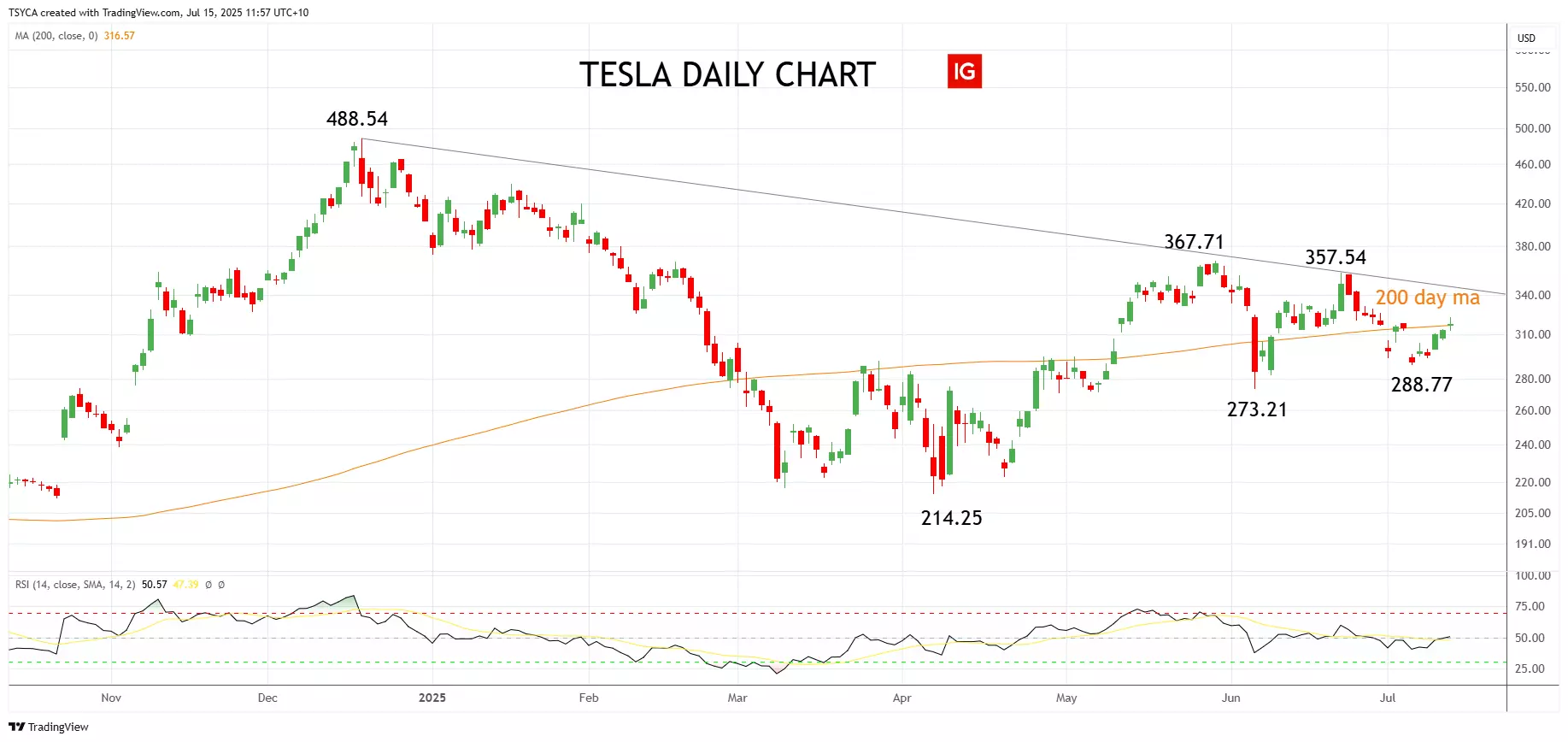
On July 23, 2025, Tesla, Inc. (NASDAQ: TSLA) released its second‑quarter financial results, detailing revenue, deliveries, profitability metrics, and guidance. Against a backdrop of global economic volatility, intensifying EV competition, and shifting policy incentives, investors and Tesla owners alike closely monitored the numbers for signs of demand resilience and executional prowess. While year‑over‑year deliveries again declined, several operational highlights and strategic initiatives offered a nuanced view of Tesla’s trajectory—and helped fuel a modest stock rally in post‑earnings trading.
I. Background
-
Earnings Season Context
Each quarter, Tesla’s updates attract outsized attention given founder Elon Musk’s high‑profile leadership and the company’s dual role as both automaker and energy technology innovator. Q2 2025 followed a string of industry headwinds: cooling demand in some mature markets, policy shifts that phased down EV tax credits in the U.S., and a slowing global economy. Against this, Tesla continued rolling out new hardware, including the refreshed Model Y Highland and initial Cybertruck deliveries, while advancing FSD beta expansions and energy deployments.
-
Market Consensus and Guidance
Street analysts had penciled in roughly $22.9 billion in revenue (–10.3% YoY), about 385,000 vehicle deliveries, and $1.5 billion in net income. Tesla’s own guidance had suggested flat to modest declines in deliveries, with full‑year targets unchanged at 1.65 million units. Heading into the release, bullish investors hoped for upside in gross margin or signs of demand stabilization, while skeptics eyed any guidance cut as a signal the growth run couldn't resume.
II. Financial Highlights
-
Revenue and Profitability
Tesla reported $22.75 billion in Q2 2025 revenue, a 11.2% decrease from $25.6 billion in Q2 2024. Automotive revenue constituted roughly $19.8 billion, down 12.5% YoY; energy generation and storage contributed $1.8 billion, while services and other revenue added another $1.15 billion. Gross margin landed at 19.6%, down from 22.3% a year earlier, pressured by softer ASPs, higher logistics costs, and lingering tariff impacts. Net income was $1.53 billion (EPS $1.34), compared with $2.28 billion (EPS $1.89) in Q2 2024.
-
Deliveries and Production
Tesla produced 410,244 vehicles (+2% QoQ, –8% YoY) and delivered 384,122 units. The delivery count marked a 13.5% decline compared to the 444,000 deliveries in Q2 2024 but exceeded consensus by about 8,000 units, partly reflecting a last‑minute surge in North American end‑of‑quarter orders. China deliveries fell 17% YoY, while Europe saw a smaller 10% decline, helped by a mid‑quarter price adjustment for the Model Y Highland.
-
Cash Flow and Balance Sheet
Operating cash flow for the quarter was $2.1 billion, and free cash flow totaled $577 million. Capital expenditures reached $1.4 billion, primarily for factory expansions at Giga Texas and Giga Berlin. Cash, cash equivalents, and marketable securities ended at $30.4 billion, down from $32.1 billion in Q1 but still a robust liquidity cushion.
III. Market and Analyst Reaction
-
Stock Price Movement
Following the release, TSLA shares jumped 3% in after‑hours trading, reversing a 1% intraday slide. Investors cheered the narrower‑than‑expected margin decline and modest delivery beat, interpreting them as signs of operational resilience amid a tough macro environment.
-
Analyst Commentary
• UBS maintained a skeptical tone, reiterating a sell rating and $215 price target, citing overvaluation risks and CEO distractions.
• Morgan Stanley raised its price target from $295 to $305, flagging better‑than‑expected European demand and successful price optimization as positive signs.
• ARK Invest’s Cathie Wood publicly praised Tesla’s cost discipline and energy growth prospects, predicting renewed upside if full‑self driving subscriptions accelerate.
-
Institutional Flows
Data showed net inflows into TSLA by thematic funds focused on AI and renewable energy, offsetting redemptions in some growth‑oriented ETFs. Retail sentiment spiked positive on social platforms, highlighting the stock’s meme‑driven momentum despite fundamental headwinds.
IV. Operational Insights
-
Giga Factory Ramps
• Giga Texas: Achieved peak weekly output of 15,000 Model Y Highland units, signaling production stability after recent tooling upgrades.
• Giga Berlin: Added a second shift for cell assembly, targeting a 20% increase in local battery cell yield by year‑end to support European deliveries.
-
Cybertruck and Highland Impact
The limited Cybertruck launch in North America delivered 4,200 units, largely to reservation holders, and generated strong social media buzz. The Model Y Highland mid‑cycle refresh showed steady demand with 95,000 units delivered—helping offset weakness in older Model 3 variants.
-
Energy Storage
Energy deployments dipped to 9.6 GWh in Q2 (–8% YoY) due to project timing at key utility sites. However, backlog remains near record highs, and Tesla signed contracts for over 1.2 GWh of new Megapack orders in the quarter, including a marquee 200 MWh project in the U.K.
V. Strategic Implications
-
Valuation and Growth Outlook
At roughly 18x forward EPS, Tesla trades at a premium to traditional automakers but a discount to some high‑growth tech peers. The Q2 results reaffirm that hardware margins are under pressure, shifting the value conversation toward software subscriptions like FSD and energy services as key long‑term drivers.
-
Competitive Positioning
While legacy EV competitors from Europe and China continue to introduce lower‑priced models, Tesla’s mix advantage—driven by higher ASP Highland variants—and global charging network still confer a lead. Price cuts in Asia, however, underscore that pricing power is not immune to competitive pressures.
-
FSD and Software Monetization
Full‑Self Driving revenue grew 35% QoQ, as Tesla’s new FSD subscription tier gained 20,000 net subscribers. Continued regulatory approvals in Europe will be critical, with Germany and France currently evaluating homologation for customer‑enabled FSD usage.
-
Energy and Grid Services
Stationary storage revenue, though small compared to automotive, grew 25% YoY, supported by virtual power plant trials in California and demand for backup power in Europe amid grid instability. The energy division, while capital‑intensive, is central to Tesla’s mission and should benefit from rising renewables penetration.
Conclusion
Tesla’s Q2 2025 results painted a balanced picture: deliveries again dipped year‑over‑year, margins were tighter, but execution on new product ramps and cost controls surpassed many skeptics’ expectations. Investors rewarded the delivery outperformance and resilient profitability with a post‑earnings pop. Looking ahead, Tesla’s ability to reignite unit growth—through new product introductions, price cadence, and software monetization—will determine whether the stock can resume its upward march.
FAQ
Q1: What drove the delivery beat in Q2 2025?
A1: A last‑minute promotional push in North America and strong uptake of the refreshed Model Y Highland helped Tesla exceed consensus delivery estimates by roughly 2%.
Q2: How did pricing adjustments impact margins?
A2: Selective price cuts in Europe and China trimmed average selling prices, weighing on automotive gross margin by about 150bps; Tesla offset this partially through logistics efficiencies and localized sourcing.
Q3: What guidance did Tesla provide for Q3 2025?
A3: Management reiterated full‑year delivery guidance of 1.65 million units and forecast flat to modest QoQ revenue growth in Q3, with margins expected to stabilize near Q2 levels.
Q4: Can Tesla sustain profitability if deliveries continue to decline?
A4: Achieving 20%+ automotive gross margins will hinge on ongoing cost reduction programs, improved supply‑chain sourcing, and higher‑margin software and service revenues.
Q5: How important is FSD to Tesla’s valuation?
A5: FSD is a cornerstone of Tesla’s long‑term growth thesis; if regulatory and technical hurdles are overcome, software subscription could contribute several billion dollars of recurring revenue annually.
Q6: What are the biggest risks for Tesla in the near term?
A6: Intensifying competition, potential regulatory delays for FSD, execution challenges at new factories, and macroeconomic headwinds represent the main risk factors.