
I. Introduction
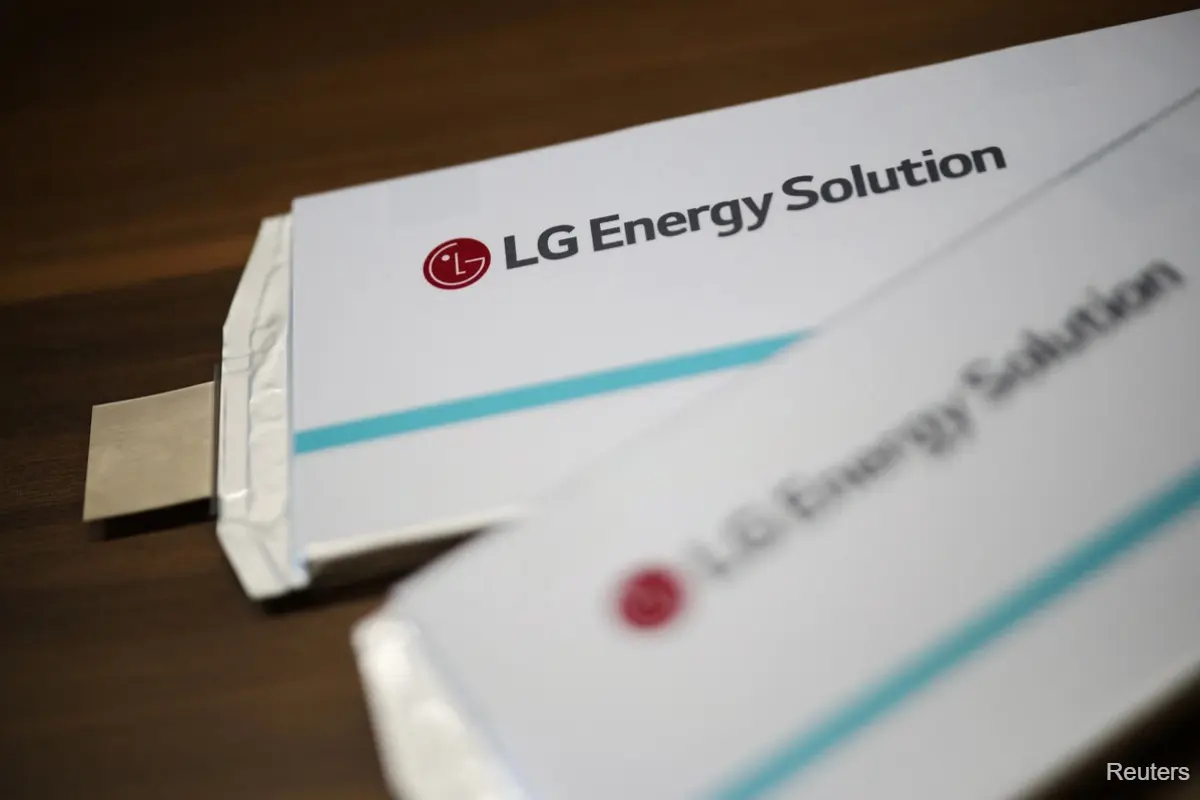
In July 2025, Tesla announced a landmark $4.3 billion supply agreement with LG Energy Solution (LGES) to procure lithium‑iron‑phosphate (LFP) battery cells for its North American operations. This strategic move marks a pivotal shift in Tesla’s battery sourcing strategy, aiming to lessen dependence on Chinese suppliers and bolster domestic manufacturing capacity. By forging a deep partnership with one of the world’s leading battery manufacturers—and establishing a dedicated LFP cell production line in Michigan—Tesla is addressing a trifecta of imperatives: cost control, supply‑chain resilience, and regulatory incentives.
This article delves into the nuances of the deal, examines the global battery‑chemistry landscape, explores automotive and energy‑product implications, and assesses the broader geopolitical and industry‑wide ramifications. By the end, readers will understand why this partnership not only strengthens Tesla’s competitive position but also reshapes the future of electric‑vehicle (EV) and grid‑scale energy markets in North America and beyond.
II. The Global Battery‑Chemistry Landscape
1. LFP vs. NMC: Chemistry Fundamentals
-
Lithium‑Iron‑Phosphate (LFP): Known for exceptional safety, long cycle life (over 4,000 full cycles), and lower cost per kilowatt‑hour, LFP chemistry foregoes expensive cobalt and nickel. However, it carries a modest energy‑density penalty—roughly 20–30% lower watt‑hours per kilogram compared to nickel‑rich alternatives.
-
Nickel‑Manganese‑Cobalt (NMC): Offers higher energy density, enabling greater all‑electric driving range. Yet NMC cells depend on cobalt and nickel, which are subject to price volatility, ethical‑mining concerns, and supply constraints.
2. Performance Trade‑Offs
-
Range vs. Cost: LFP cells typically yield around 240–260 Wh/kg versus NMC’s 300–320 Wh/kg. This translates to slightly shorter range for EVs, especially in cold climates. But at $100–110/kWh pack cost, LFP remains 10–15% cheaper than NMC packs, driving down vehicle sticker prices.
-
Safety & Thermal Stability: LFP’s robust thermal tolerance virtually eliminates thermal‑runaway risk—a key safety benefit for both automobiles and stationary storage.
3. China’s LFP Dominance
For years, Chinese firms (CATL, BYD, EVE Energy) have cornered over 80% of global LFP cell manufacturing. Tesla’s Shanghai Gigafactory has depended heavily on these suppliers for both its Chinese and export markets. The new LGES agreement redistributes that reliance toward a North American ecosystem.
III. Deal Anatomy: $4.3 B with LG Energy Solution
1. Key Terms, Timeline, and Volumes
-
Contract Value & Duration: $4.3 billion over five years, commencing in Q3 2025.
-
Annual Volumes: Target of 50 GWh per annum, scaling to 70 GWh by year four. Enough to equip roughly 800,000 Model 3 and Model Y vehicles annually.
-
Pricing Structure: A tiered cost model tied to raw‑material indices, mitigating Tesla’s exposure to metal‑price spikes.
2. Michigan LFP Plant: Capabilities and Capacity
LGES will retrofit an existing Midwestern facility to specialize in LFP cathode production and cell assembly. The plant is slated to achieve 35 GWh in year one and reach 60 GWh by year three—supporting both EV and stationary‑storage demand. By locating LFP cell fabrication domestically, Tesla benefits from U.S. Investment Tax Credits and streamlines logistics.
3. Confidentiality Clauses and Public Disclosures
The full contract text remains under non‑disclosure. Public statements confirm U.S. Bureau of Land Management permits, environmental‑impact assessments, and local hiring commitments—underscoring alignment with federal clean‑energy goals.
IV. Impact on Tesla Energy Products
1. Powerwall and Megapack Production Scaling
Tesla’s home‑battery Powerwall and utility‑scale Megapack rely on high‑safety chemistries. Transitioning to LFP cells will:
-
Increase cycle life from ~3,000 to over 5,000 cycles.
-
Lower system cost per kWh by 12–15%, enabling more competitive pricing in commercial bids.
-
Enhance market penetration, particularly in wildfire‑prone U.S. states where safety is paramount.
2. Cost‑per‑kWh Reductions and Margin Improvements
By integrating lower‑cost LFP cells, Tesla Energy’s gross margins could expand from ~20% to 25–28%—providing capital for R&D and regional deployment. Utility‑scale customers may receive better pricing, accelerating microgrid and peak‑shaving projects nationwide.
3. Implications for U.S. Grid‑Storage Projects
Local LFP manufacturing streamlines permitting and compliance under the Inflation Reduction Act. Utilities eyeing long‑duration storage see LFP‑based Megapacks as safe, cost‑effective solutions—spurring accelerated applications in California, Texas, and New England.
V. Automotive Implications
1. LFP in Entry‑Level Model 3/Y
Tesla introduced China‑made LFP packs in export vehicles earlier in 2025; U.S.‑sourced LFP modules will now feed entry‑level Model 3 and Standard‑Range Model Y trims domestically. While range dips by ~10% (from 272 to 245 miles EPA), pricing benefits may offset consumer concerns.
2. Range, Warranty, and Performance Considerations
Tesla offers a 100,000‑mile or 8‑year warranty on LFP packs—matching NMC warranties. Performance tuning (e.g., optimized battery‑management software) helps minimize range anxiety. Fast‑charging curves remain largely unchanged, ensuring sub‑30‑minute 10–80% sessions.
3. Competitive Positioning in Europe
European policymakers prize supply‑chain security. U.S.‑sourced LFP cars may qualify for European Union auto incentives under Green Deal rules, leveling the playing field versus Volkswagen ID series and other locally produced EVs.
VI. Geopolitical & Industry‑Wide Ramifications
1. U.S.–China Tech Decoupling and Policy Incentives
Amid rising U.S.–China tensions, Tesla’s pivot to domestic chemistries shields it from potential export controls and tariffs. The Inflation Reduction Act’s “domestic content bonuses” further incentivize U.S.‑made LFP cells.
2. Other Automakers’ Diversification Moves
Ford, GM, and Stellantis have issued RFPs for non‑Chinese LFP suppliers; Hyundai and BMW are eyeing Korean‑made cells. Tesla’s agreement establishes a blueprint for industry decoupling.
3. Future of Global Battery Supply Chains
While China will remain dominant in NMC and next‑gen chemistries, a bifurcated supply‑chain landscape emerges: safety‑focused, low‑cost LFP from North America and premium, high‑energy cells from Asia. Strategic raw‑material alliances (e.g., lithium from Australia, nickel from Canada) will gain prominence.
VII. Conclusion
Tesla’s $4.3 billion LFP pact with LG Energy Solution is more than a procurement agreement—it’s a strategic realignment. By localizing LFP production in Michigan, Tesla reduces geopolitical risk, leverages U.S. clean‑energy incentives, and enhances margins across its automotive and energy divisions. As the EV and stationary‑storage markets continue their rapid expansion, LFP chemistry will play an increasingly central role—offering a safer, lower‑cost alternative to nickel‑rich cells. For Tesla, the partnership cements its competitive moat, accelerates domestic manufacturing, and paves the way for a resilient, diversified battery ecosystem in North America and beyond.
VIII. FAQ
-
Why is Tesla moving away from Chinese suppliers?
To reduce geopolitical risk, comply with U.S. incentives favoring domestic content, and diversify its supply chain. -
How do LFP batteries compare to Tesla’s previous chemistries?
LFP offers greater safety and lower cost at the expense of about 20–30% lower energy density—translating to modestly reduced driving range. -
When will LFP‑powered products hit European markets?
Tesla aims to begin exporting North American LFP‑equipped Model 3/Y to Europe in early 2026, potentially qualifying for EU Green Deal incentives. -
What are the risks of this deal?
Potential risks include construction delays at the Michigan plant, metal‑price volatility impacting cost targets, and regulatory hurdles. -
Could Tesla revert to other suppliers later?
Tesla maintains flexibility in its multi‑supplier strategy; future deals could expand to Korean or U.S. startups depending on performance and economics.