
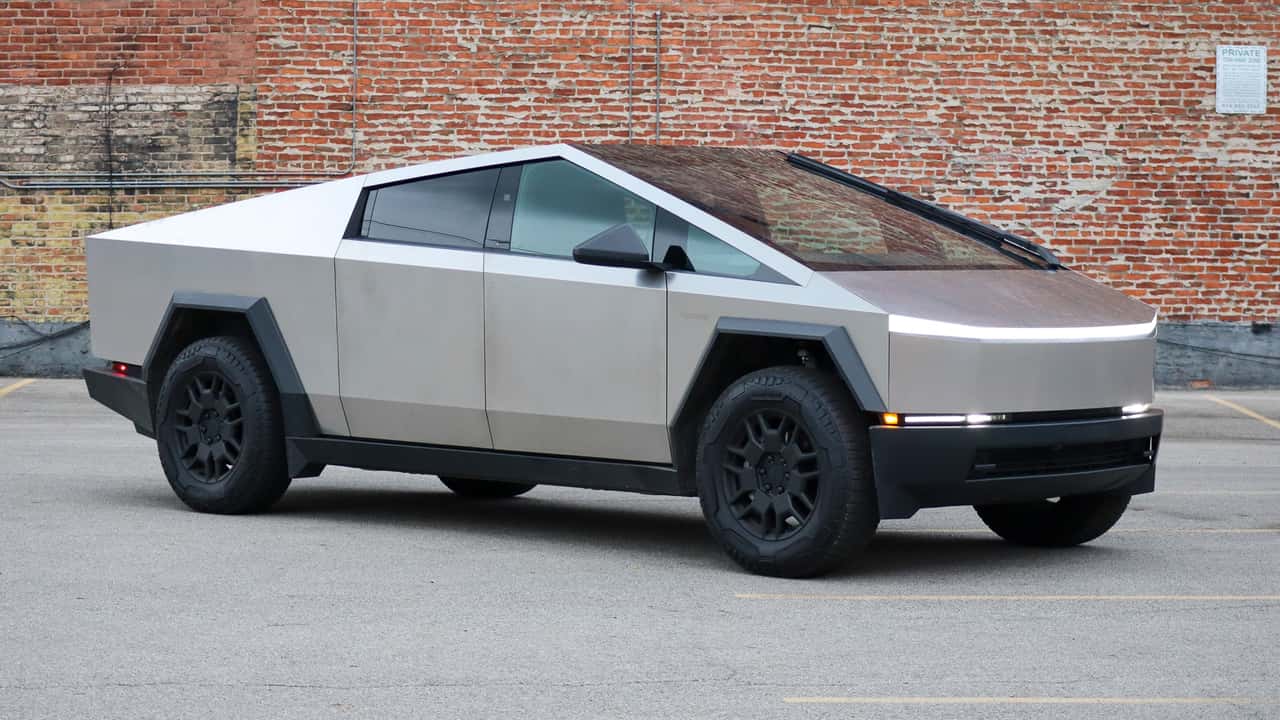
In an unexpected twist to the electric‑pickup market narrative, General Motors’ GMC Hummer EV surpassed Tesla’s Cybertruck in U.S. and European deliveries during the second quarter of 2025. This milestone—announced in mid‑July—marks the first time since both models launched that the Hummer EV has taken the lead in quarterly volume. Given the Cybertruck’s high‑profile unveiling and Tesla’s head start in direct‑to‑consumer sales, this outcome has reverberated across Wall Street, dealer networks, and enthusiast forums alike.
Understanding how GMC achieved this feat requires a deep dive into pricing strategies, manufacturing capacity, supply‑chain efficiencies, consumer demographics, and marketing approaches. Unlike Tesla’s vertically integrated model, GM relies on a hybrid dealership network, offering test drives and in‑person sales experiences that appeal to buyers uneasy with online‑only transactions. Tesla, meanwhile, has weathered production ramp challenges at Giga Texas and continues to refine the Cybertruck’s final design for mass production.
This article unpacks the factors behind GMC’s second‑quarter victory and explores what it means for Tesla’s strategy moving forward. We will compare sales figures, dissect manufacturing constraints, evaluate the psychological impact of design and branding, and assess strategic responses—such as potential Cybertruck price adjustments or new variants. Finally, we’ll project how this competitive shake‑up may influence the broader electric‑truck segment and consumer adoption of electric vehicles in the United States and Europe.
Chapter 1: Q2 Sales Comparison
1.1 Units Sold and Growth Trajectories
-
GMC Hummer EV:
-
U.S. sales: 16,800 units delivered in Q2 2025, representing a 45% increase over Q1.
-
Europe launches in late May added 2,400 units across Germany, Norway, and the U.K., contributing to the quarterly total.
-
-
Tesla Cybertruck:
-
U.S. deliveries: 15,200 units, up 20% from Q1 but constrained by ongoing factory validation tests.
-
Europe: Small initial shipments (≈500 units) to early reservation holders in Norway.
-
-
Year‑over‑Year Comparison:
-
GMC Q2 numbers reflect a new model launch effect versus Tesla’s more stabilized but plateauing Cybertruck rollout.
-
Tesla’s initial Cybertruck deliveries began in late Q4 2024, so Q2 2025 is the third full quarter; thus, percentage growth naturally slows as volume scales.
-
1.2 Order Backlogs and Reservation Conversion
-
Tesla Reservations:
-
Originally 1.5 million global Cybertruck reservations; however, only ~30% converted by Q2 2025 due to design adjustments and forced reorder process.
-
Cancellations and resales on secondary markets indicate some reservation holders grew impatient with delivery estimates.
-
-
GMC Orders:
-
GMC’s ordering is dealer‑mediated; limited initial allocations created a thin but eager buyer pool.
-
Dealer markups and dealer‑controlled option packages allowed higher per‑unit margins, with GM reporting ~$10,000 average over‑MSRP dealer premium in key markets.
-
1.3 Pricing and Incentives
-
Cybertruck MSRP:
-
Ranged from $59,900 for Single Motor RWD to $79,900 for Tri‑Motor AWD at launch.
-
Tesla introduced a temporary $2,000 loyalty credit for existing Tesla owners placing Cybertruck orders before June 30.
-
-
Hummer EV MSRP:
-
Started at $79,995 for the EV2 and climbed to $99,995 for the Edition 1; however, dealer markups routinely pushed the effective price to $110,000–$120,000 for high‑demand markets.
-
-
Incentives:
-
Tesla’s direct price cuts in Q2 were limited to region‑specific adjustments (e.g., 3% off west‑coast inventory to offset port dwell fees).
-
GMC offered bundled service packages (3 years of free maintenance) and limited‑time low‑interest financing—options Tesla does not provide in the U.S.
-
Chapter 2: Design and Positioning Contrast
2.1 Aesthetic and Functional Differences
-
Cybertruck’s Radical Geometry:
-
Angular, stainless‑steel exoskeleton designed for durability and futuristic appeal.
-
6.5‑foot bed, adaptive air suspension, and vault enclosure set it apart visually and functionally.
-
-
Hummer EV’s Familiar Silhouette:
-
Retains the classic Hummer boxy profile but modernized with LED lighting bars and removeable Sky Panels.
-
5‑foot “frunk,” dual‑motor AWD standard, and CrabWalk mode reinforce off‑road heritage.
-
2.2 Target Demographics
-
Cybertruck Audience:
-
Early‑adopter tech enthusiasts, Tesla loyalists, and design aficionados comfortable with online ordering and home delivery.
-
Appeals to consumers seeking a statement piece and willing to tolerate initial quality‑control quirks.
-
-
Hummer EV Audience:
-
Traditional truck buyers migrating from gasoline heavy‑duty pickups who prefer dealership interactions.
-
Off‑road and outdoors lifestyle marketers emphasizing capability over novelty.
-
2.3 Brand Trust and Experience
-
Tesla Direct‑to‑Consumer Model:
-
Streamlined online shopping but limited physical touchpoints—Tesla has <200 showrooms in the U.S.; no franchised dealer support.
-
Cybertruck delivery experiences varied: some owners reported delayed white‑glove deliveries and post‑delivery repair visits.
-
-
GM Dealership Network:
-
Over 4,000 U.S. dealerships offering test drives, on‑site financing, and third‑party service options.
-
Early Hummer EV customers praised dealer training and in‑person orientation sessions for the new EV platform.
-
Chapter 3: Production and Supply Constraints
3.1 Manufacturing Capacity and Ramp‑Up
-
Tesla Giga Texas:
-
Initial Cybertruck line commissioned April 2025; currently running three shifts to achieve 2,500 units/week.
-
Final weld robot re‑calibration in June reduced monthly production by 10% but improved overall quality yield.
-
-
GM Factory Toledo Complex:
-
Hummer EV assembly takes place alongside Silverado EV; dedicated EV2 line optimized for slot‑based parallel production.
-
GM’s Ultium battery modules—sourced from Ultium Cells LLC joint venture—have achieved 85% of target throughput, enabling a swift ramp to 18,000 units/month.
-
3.2 Supply Chain Dynamics
-
Battery Cell Allocation:
-
Tesla’s 4680 cell ramp remains slower than planned; only ~30% of Cybertrucks used in‑house cells, rest sourced as 2170 packs from Nevada.
-
GM’s Ultium pouch cells, though slightly heavier, have benefited from stable LG Chem and SK Innovation contracts, avoiding allocation bottlenecks.
-
-
Semiconductor Availability:
-
Tesla’s in‑house chip development (FSD computer) continues to insulate it from commodity shortages, but MCU3 infotainment chips remain constrained.
-
GM leverages third‑party suppliers for infotainment and telematics, allowing Hummer EV deliveries to proceed unimpeded.
-
3.3 Logistics and Distribution
-
Tesla Logistics:
-
Direct‑shipment model reduces handling steps but lacks dealer channel consistency; owner satisfaction ratings dipped 4 points due to delayed portal tracking.
-
-
GM Logistics:
-
Mixed rail/truck distribution with centralized EV hubs in California, Texas, and Germany; dealers receive multiple builds per week, smoothing inventory flow.
-
Chapter 4: Marketing and Consumer Appeal
4.1 Advertising Strategies
-
Tesla:
-
Minimal traditional advertising; relied on Musk’s social‑media announcements and organic press coverage.
-
Late‑June “Cyber Rodeo” event in Austin generated enthusiastic social‑media buzz but limited mainstream exposure.
-
-
GMC:
-
Comprehensive TV, digital, and experiential campaigns showcasing off‑road challenges with professional drivers.
-
Sponsored events at Jeep jamborees and hunting expos tapped into outdoor‑enthusiast communities.
-
4.2 Test‑Drive and Experience Centers
-
Cybertruck:
-
Mobile test centers rotated vehicles through major cities but required advance booking weeks in advance.
-
Virtual reality configurators in Tesla showrooms offered an immersive preview but lacked real‑world feel.
-
-
Hummer EV:
-
Dealer‑hosted off‑road clinics allowed hands‑on driving in mud, sand, and steep grades—directly addressing capability questions.
-
Interactive kiosks demonstrated Ultium’s charging curve and off‑road telemetry live on screen.
-
4.3 Social Proof and Reviews
-
Influencer Coverage:
-
Cybertruck review videos peaked at 5 million views but often highlighted panel gaps and fit‑finish complaints.
-
Hummer EV videos emphasized flawless deliveries and off‑road wins, garnering more positive viewer comments.
-
-
Owner Communities:
-
Cybertruck owners formed online forums to troubleshoot minor defects, while Hummer EV buyers praised dealer‑led user clubs and group rides.
-