
Introduction
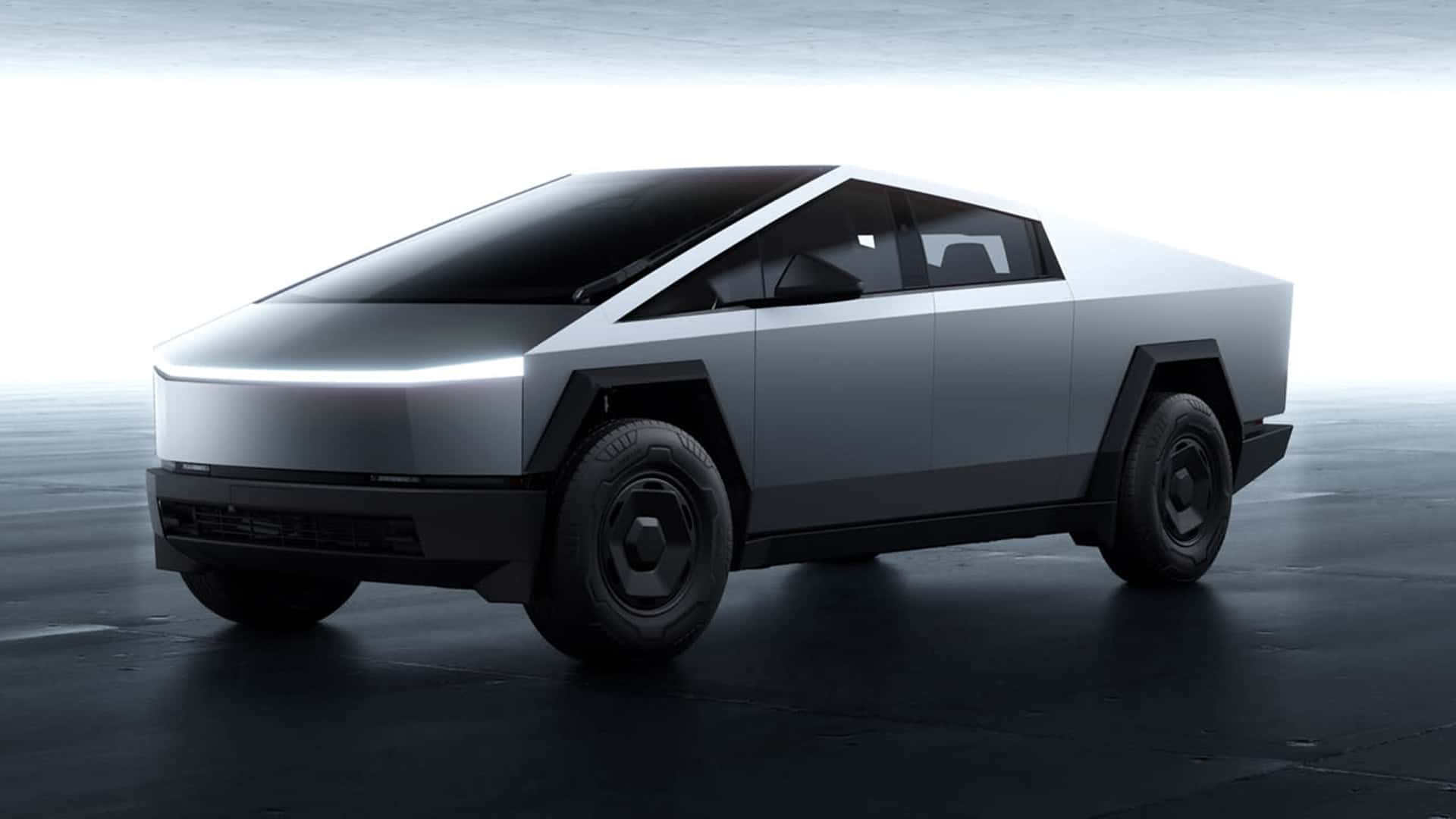
In a major strategic shift, Tesla has begun deliveries of its futuristic electric pickup truck, the Cybertruck, in the United Arab Emirates (UAE) — marking the first time the vehicle has been delivered outside of North America. This move comes against the backdrop of sliding U.S. sales for the Cybertruck, offering a fresh angle on Tesla’s global expansion strategy in 2026.
Once hailed as a revolutionary vehicle that would transform the pickup truck market, the Cybertruck has struggled to meet expectations in the United States. However, its launch in the Middle East shows Tesla’s determination to explore new markets — even those with unique economic and cultural profiles. This article explores the full context behind the Middle East rollout, the underlying reasons for Tesla’s market pivot, and what this means for Tesla owners and EV enthusiasts in the U.S. and Europe.
1. Background — Cybertruck’s Global Strategy and Origins
When Elon Musk first unveiled the Cybertruck in 2019, it was pitched as a radical reinvention of the pickup truck — complete with a distinctive stainless‑steel exoskeleton, high towing capacity, futuristic design, and ambitious performance claims. The vehicle garnered massive attention and over a million reservations early on, setting lofty expectations for its commercial success.
Tesla originally planned to produce hundreds of thousands of units annually, with Musk publicly suggesting up to 500,000 sales per year under strong demand assumptions. However, real outcomes have fallen sharply below those projections, and the Cybertruck’s commercial trajectory has been more challenging than anticipated.
In broader terms, Tesla’s global strategy had initially focused on consolidating its leading position in North America, expanding in China, and deepening its reach in Europe. The Middle East had been on the periphery due to regulatory constraints and limited charging infrastructure. That changed in late 2025 and early 2026, when Tesla officially opened sales in the UAE, Qatar, and Saudi Arabia, pushing the Cybertruck into new territory.
2. The Middle East Launch — Key Details
In January 2026, Tesla began delivering Cybertruck units to customers in the United Arab Emirates, marking the electric pickup’s formal entry into the Middle Eastern market.
According to reports from local media and Tesla‑related outlets, around 63 units were handed over to customers in Dubai during the first delivery event, which included a celebratory backdrop with lights and fireworks.
Tesla began taking orders for the Cybertruck in the region back in October 2025, and buyers in the UAE, Saudi Arabia, and Qatar were among the first to gain access. The truck’s local pricing is significantly higher than in the United States — with the two‑motor version starting around AED 404,900 (~$110,000) and the high‑performance tri‑motor Cyberbeast priced around AED 454,900 (~$123,000).
This pricing reflects import costs, taxes, and regional factors that make the Cybertruck a premium purchase in these markets. Despite the higher price points, Tesla appears confident that affluent buyers in the Gulf region will embrace the vehicle for its performance image, off‑road capabilities, and futuristic design.
3. U.S. Sales Challenges — Why the Pivot Matters
The launch of the Cybertruck in the Middle East cannot be fully understood without acknowledging the stark decline in its U.S. sales performance.
In 2025, Tesla sold about 20,237 Cybertrucks in the United States, a nearly 48% drop compared with 2024.
This dramatic decline has been attributed to several key factors:
-
End of Federal EV Incentives: The U.S. federal $7,500 electric vehicle tax credit, which previously supported EV demand, was phased out for many buyers in 2025. This removal significantly reduced consumer incentives to purchase battery‑electric vehicles like the Cybertruck, particularly at its original high price point.
-
Pricing and Market Positioning: At a starting price close to $79,990 in the U.S., the Cybertruck faced stiff competition from both traditional trucks and more affordable EV alternatives. Despite its advanced features, many buyers compared the price unfavorably to other pickups, including electric rivals.
-
Consumer Preferences: U.S. pickup buyers are traditionally conservative and practical; the Cybertruck’s unconventional design and unique aesthetics did not universally resonate with this core demographic.
-
Production Adjustments: Tesla reportedly reduced Cybertruck output at its Texas Gigafactory to shift labor and resources toward the more consistently selling Model Y — indicating internal responses to inventory buildup and production priorities.
The result: inventory has built up, and Tesla has had to find new markets to sustain momentum for the Cybertruck. The Middle East launch thus becomes both a symbolic and practical response to these challenges.
4. Why the Middle East Matters for Tesla
The Middle East — especially the UAE, Qatar, and Saudi Arabia — presents unique opportunities for premium automotive brands:
-
Affluent Buyer Base: These markets comprise wealthy customers with high disposable income and enthusiasm for performance vehicles. This demographic is more likely to purchase high‑end EVs despite premium pricing.
-
Brand Presence: For Tesla, establishing a presence in luxury and performance‑oriented markets can boost brand visibility and appeal among global affluent consumers.
-
Test Bed for Expansion: The Gulf region’s relatively permissive regulatory environment and growing interest in EV adoption (despite low fuel prices) make it a useful testbed for future product introductions.
Nevertheless, challenges remain. While initial deliveries are promising, the overall market size is modest compared to the U.S. or European markets. The Middle East cannot replace the volume demand of Tesla’s historical core markets, but it can add diversification and help stabilize demand for specific product lines like the Cybertruck.
5. Europe’s EV Landscape and the Cybertruck’s Future
Unlike the Middle East, Tesla’s traditional expansion focus — Europe — still presents significant hurdles for the Cybertruck. The truck’s bold design and size raise regulatory concerns, especially around stringent pedestrian safety standards. European regulators have strict impact testing and design requirements that the current Cybertruck shape may not meet without extensive redesign, making a European launch less likely in the short term.
At the same time, Europe’s overall EV adoption continues to grow rapidly, with electric vehicle sales climbing year‑over‑year. Tesla’s Model 3 and Model Y remain competitive in key European markets despite intense competition from local brands and Chinese manufacturers gaining share.
Tesla owners and fans in Europe should thus watch how the company adapts its future product offerings to align with local regulatory frameworks and consumer expectations. The Middle East rollout could serve as a stepping stone — or a strategic re‑route — depending on how Tesla recalibrates its global strategy.
6. Strategic Implications for Tesla
The Cybertruck’s delivery in the UAE signals several broader strategic considerations for Tesla:
-
Diversification of Market Reach: Moving beyond core markets can help Tesla mitigate localized sales slumps and find pockets of demand willing to pay premium prices.
-
Luxury & Image Positioning: In affluent markets, the Cybertruck can serve as a brand statement, reinforcing Tesla’s image as a cutting‑edge EV maker.
-
Learning and Feedback Loop: New region launches provide valuable data on customer preferences, after-sales service demands, and market‑specific adaptation needs.
However, Tesla will need to balance these niche strategies with efforts to revitalize demand in its largest markets — the U.S. and Europe — particularly as EV competition intensifies from established automakers and emerging brands.
Conclusion
The Middle East’s inaugural Cybertruck deliveries mark a noteworthy chapter in Tesla’s evolving global presence. With U.S. sales softening sharply, the company’s decision to open new markets in the Gulf region highlights both entrepreneurial flexibility and the challenges of maintaining volume demand for a premium, unconventional product.
While this strategy may not fully counterbalance subdued North American interest, it underscores Tesla’s willingness to explore diverse global markets and tailor its approach based on regional demand dynamics. As the EV industry continues to evolve, Tesla’s moves in markets like the UAE will be important signals of how electric automakers adapt to shifting global automotive trends.
FAQ
Q1: When did Cybertruck deliveries begin in the Middle East?
Deliveries began in January 2026, with the first units handed over in the United Arab Emirates.
Q2: What countries in the Middle East will get the Cybertruck?
Initially, the UAE is leading deliveries, and orders have been opened for Saudi Arabia, Qatar, Jordan, and Israel.
Q3: Why are Cybertruck prices higher in the UAE than in the U.S.?
Higher prices reflect import duties, regional taxes, and additional logistical costs compared to U.S. pricing.
Q4: Will the Cybertruck come to Europe?
At present, regulatory hurdles related to safety standards make an immediate European launch unlikely, though future adjustments could change this.
Q5: What caused the drop in Cybertruck sales in the U.S.?
Key factors include fading federal EV tax incentives, high pricing, inventory challenges, and competition from alternative EV and ICE pickup options.