
I. Introduction: Tesla's Broader Vision for Sustainable Energy
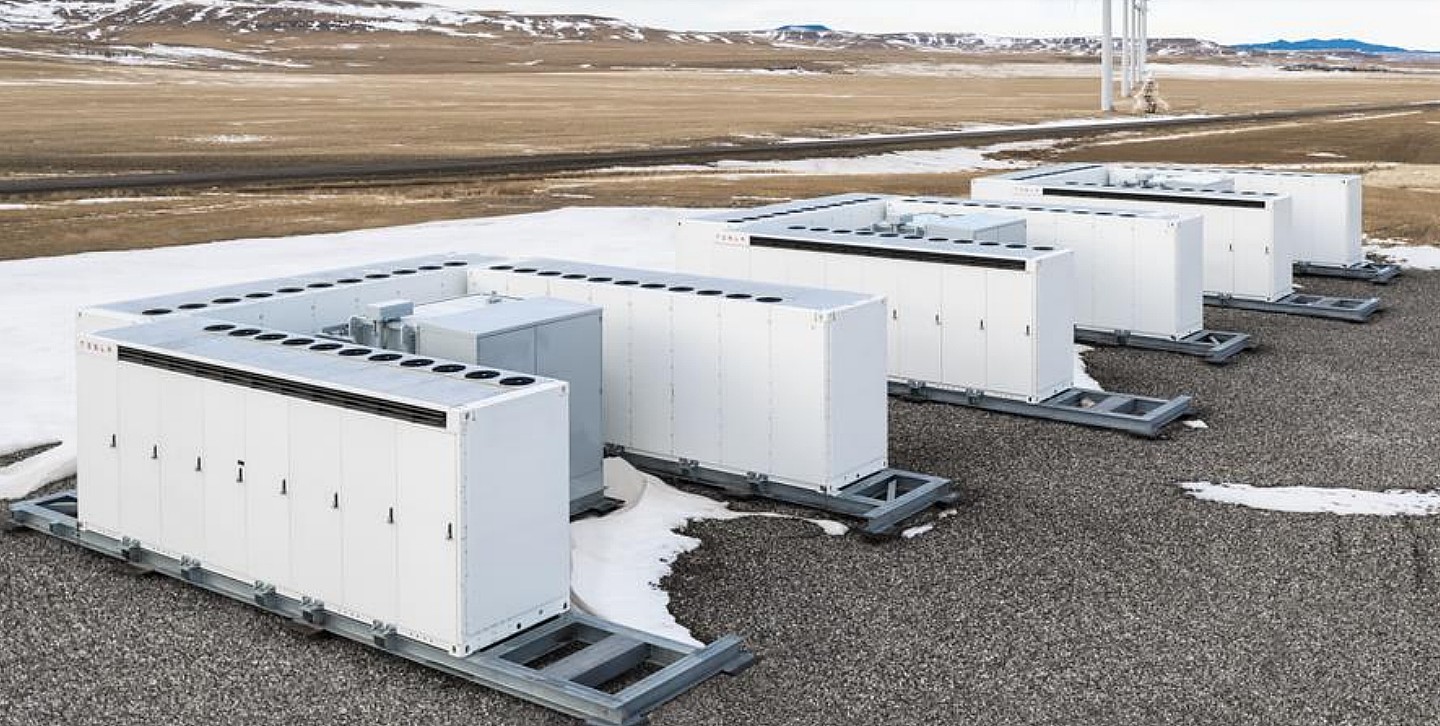
Tesla's foundational mission extends far beyond merely producing electric vehicles; it is deeply rooted in accelerating the world's transition to sustainable energy. This overarching vision encompasses a comprehensive ecosystem of energy solutions, positioning Tesla not just as an automotive innovator but as a key player in global energy infrastructure. Central to this broader mission is the development and deployment of Battery Energy Storage Systems (BESS), which are becoming increasingly critical for integrating renewable energy sources and ensuring the stability and resilience of modern power grids. As the world shifts towards cleaner energy, the ability to store and manage intermittent renewable power sources like solar and wind becomes paramount, a challenge Tesla Energy is actively addressing with its advanced battery solutions.
II. Global Leadership in BESS: Tesla's Market Share and Key Competitors
Tesla has consistently demonstrated its leadership in the global battery energy storage system (BESS) integrator market. According to Wood Mackenzie's "Global battery energy storage system integrator ranking 2025 report," Tesla maintained its position as the leading global producer for the second consecutive year, capturing a 15% market share in 2024. This leadership, however, is being challenged by fierce competition. Chinese competitor Sungrow is rapidly narrowing the gap, securing second place with a 14% market share, reducing Tesla's lead from four percentage points in 2023 to just one point in 2024. CRRC, another Chinese manufacturer, rounded out the top three globally with an 8% market share.
In the North American market specifically, Tesla holds a dominant position, commanding a substantial 39% market share. Sungrow retained its second-place rank in North America but saw its market share decrease from 17% to 10% in 2024. Powin secured the third spot in North America, despite having filed for bankruptcy earlier in the year. The report also highlights significant regional disparities in market dynamics. Chinese BESS integrators experienced a substantial 67% year-over-year surge in their European market share, with four of the top 10 European players now being Chinese-headquartered companies. Conversely, Chinese companies' North American market share declined by over 30%, falling from 23% to 16%. This decline is primarily attributed to escalating U.S.-China geopolitical tensions and increased U.S. trade protectionism. The intense competition among established BESS integrators and the rapid rise of Chinese players in Europe signify a fundamental shift in the industry. This reshaping of competitive dynamics is heavily influenced by regional trade policies and geopolitical tensions, which are increasingly dictating market access and success. For Tesla owners, this means that while Tesla maintains its global and North American leadership in energy storage, the competitive landscape is becoming more complex, with regional factors playing a crucial role in market share distribution.
Table: Tesla Energy's Global BESS Market Share (2024)
| Company | Global Market Share (2024) | North American Market Share (2024) |
| Tesla |
15% |
39% |
| Sungrow |
14% |
10% |
| CRRC |
8% |
(Not specified) |
| Powin | (Not specified) |
(Third spot) |
III. Megapack Deployments and Strategic Deals
Tesla's energy division continues to secure significant large-scale deployments, underscoring its pivotal role in grid modernization and renewable energy integration. A landmark agreement saw Tesla land a massive US$2.7 billion contract with Georgia Power to deliver over 3 gigawatts (3,022 megawatts) of battery energy storage, powered by its Megapack technology. This deal, one of the largest of its kind in the United States, involves the installation of eleven energy storage facilities across eight locations throughout Georgia. While pending approval by the Georgia Public Service Commission, the deal is expected to be finalized, with projects scheduled to come online gradually between 2028 and 2030. These new battery installations, utilizing Tesla's 4-hour duration Megapacks, will collectively provide enough stored energy to supply over two million homes for four hours, playing a critical role in ensuring grid reliability through at least 2031. The facilities will be strategically placed at existing power plants and other infrastructure sites, supporting Georgia's transition toward a cleaner and more resilient energy grid. Some locations, such as Plant Bowen and Plant Yates, will host substantial storage capacities, while others will integrate solar generation, pairing large-scale battery storage with renewable energy sources.
This multi-year rollout, if approved, will mark one of the most ambitious battery storage deployments in the Southeastern U.S., reinforcing Tesla's role as a leader not only in electric vehicles but also in the broader energy transition. The company's energy storage deployments have shown significant momentum, with 9.6 gigawatt-hours (GWh) deployed in Q2 2025. Furthermore, Tesla's Shanghai Megafactory recently produced its 1,000th Megapack unit, which was specifically destined for export to Europe. These large-scale deployments and strategic deals solidify Tesla's role as a leader in the energy transition. They demonstrate the scalability and reliability of its battery energy storage solutions for grid modernization, providing crucial backup power, balancing the grid during high-demand periods, and facilitating the integration of intermittent renewable energy sources. For Tesla owners, this expanding energy footprint means a more stable and resilient energy grid, which indirectly supports the broader EV ecosystem by ensuring reliable power for charging infrastructure and reducing reliance on fossil fuels.
IV. Market Trends and Growth Drivers
The European Battery Energy Storage System (BESS) market is experiencing robust growth, with its size estimated at USD 12.07 billion in 2024 and projected to grow to USD 15.46 billion by 2034, at a Compound Annual Growth Rate (CAGR) of approximately 2.50% from 2025 to 2034. This growth is propelled by several key market drivers. A rapid increase in renewable energy integration is a primary factor, as Europe continues to prioritize sustainability and reduce its dependence on fossil fuels. The intermittent nature of solar and wind power necessitates reliable storage solutions to maintain grid stability. The trend towards decentralized energy systems and supportive policies and incentives from governments and regulatory bodies further stimulate the BESS market.
Cost-effectiveness plays a crucial role in the widespread adoption of energy storage solutions, influencing decision-making for both public and private stakeholders. Among battery types, Lithium-ion batteries dominate the market due to their high energy density, efficiency, and longer lifespan. They are widely adopted for renewable energy integration and grid stabilization, driving innovation and growth in the sector. The commercial and industrial (C&I) segment is poised for the highest growth in the containerized BESS market, driven by rising energy costs, the imperative for business continuity, and sustainability needs. These systems are essential for power quality management and backup in critical facilities where even minutes of shutdown can lead to immense economic losses. Containerized BESS solutions, characterized by their modularity and plug-and-play capability, offer a cost-efficient and scalable approach to next-generation energy management. They are particularly valuable for making off-grid and remote applications possible where conventional grid infrastructure is limited or unreliable. The increasing integration of renewable energy sources, coupled with the growing demand for reliable and flexible energy infrastructure, is driving the market growth for BESS. This trend is crucial for the widespread adoption of energy storage solutions, as cost-effectiveness plays a significant role in the decision-making process for both public and private stakeholders.
Table: Key Drivers and Trends in the Battery Energy Storage System (BESS) Market
| Category | Driver/Trend | Impact on BESS Market |
| Market Drivers |
Rapid Growth in Renewable Energy Integration |
Increases demand for storage to manage intermittency and ensure grid stability. |
|
Growing Awareness of Environmental Issues |
Fuels demand for clean energy solutions and reduces reliance on fossil fuels. | |
|
Trend Towards Decentralized Energy Systems |
Supports localized energy production and consumption, requiring distributed storage. | |
|
Supportive Government Policies & Incentives |
Creates favorable regulatory and financial environments for BESS deployment. | |
|
Increasing Cost-Effectiveness of BESS Solutions |
Lowers barriers to adoption for public and private stakeholders. | |
| Technology Trends |
Dominance of Lithium-ion Batteries |
Preferred for high energy density, efficiency, long lifespan, and versatility. |
|
Rise of Containerized BESS |
Offers modular, scalable, plug-and-play solutions for diverse applications. | |
| Application Trends |
High Growth in Commercial & Industrial (C&I) Segment |
Driven by rising energy costs, business continuity, and sustainability needs. |
|
Off-Grid & Remote Applications |
Enables reliable power where grid infrastructure is limited or unreliable. |
V. Conclusion: Tesla Energy's Growing Dominance in Battery Storage and Grid Solutions
Tesla Energy is firmly establishing itself as a global leader in the battery energy storage system market, extending Tesla's mission beyond electric vehicles to a comprehensive sustainable energy ecosystem. Despite intense competition, particularly from rapidly expanding Chinese integrators in Europe, Tesla maintains its top global market share and a dominant position in North America.
The company's strategic, multi-billion-dollar Megapack deployments, such as the one with Georgia Power, underscore the scalability and critical role of its solutions in enhancing grid reliability, integrating renewable energy, and facilitating the broader energy transition. These large-scale projects, coupled with the continuous growth of the BESS market driven by environmental awareness and supportive policies, position Tesla Energy at the forefront of a fundamental shift in global energy infrastructure. For Tesla owners, this expanding energy footprint contributes to a more stable and resilient energy future, indirectly supporting the EV ecosystem by ensuring reliable power for charging and reducing the overall carbon footprint. Tesla's commitment to both vehicle innovation and energy solutions solidifies its unique position as a holistic leader in the sustainable future.
VI. FAQ for Chapter 5: Tesla Energy's Growing Dominance
-
What is Tesla's market share in the global battery energy storage system (BESS) market? According to Wood Mackenzie's 2025 report, Tesla maintained its top global position in the BESS integrator market in 2024, capturing a 15% market share.
-
Who are Tesla's main competitors in the BESS market? Tesla's main competitors in the global BESS market include Chinese manufacturers like Sungrow (14% market share) and CRRC (8% market share). In North America, Sungrow and Powin are key rivals.
-
What is the significance of the Georgia Power Megapack deal? The $2.7 billion Megapack deal with Georgia Power is one of the largest of its kind in the U.S., involving over 3 gigawatts of storage across eleven facilities. It highlights Tesla's role in ensuring grid reliability, integrating renewable energy, and facilitating the energy transition in the Southeastern U.S..
-
Are there differences in the BESS market trends between the US and Europe? Yes, there are significant regional disparities. Chinese BESS integrators saw their European market share surge by 67% year-over-year, while their North American market share declined by over 30% due to U.S.-China geopolitical tensions and trade protectionism.
-
How does Tesla's energy storage business benefit Tesla vehicle owners? While not directly benefiting vehicle owners through specific features, Tesla's energy storage business contributes to a more stable and resilient energy grid. This indirectly supports the broader EV ecosystem by ensuring reliable power for charging infrastructure, reducing reliance on fossil fuels, and advancing the overall transition to sustainable energy.