
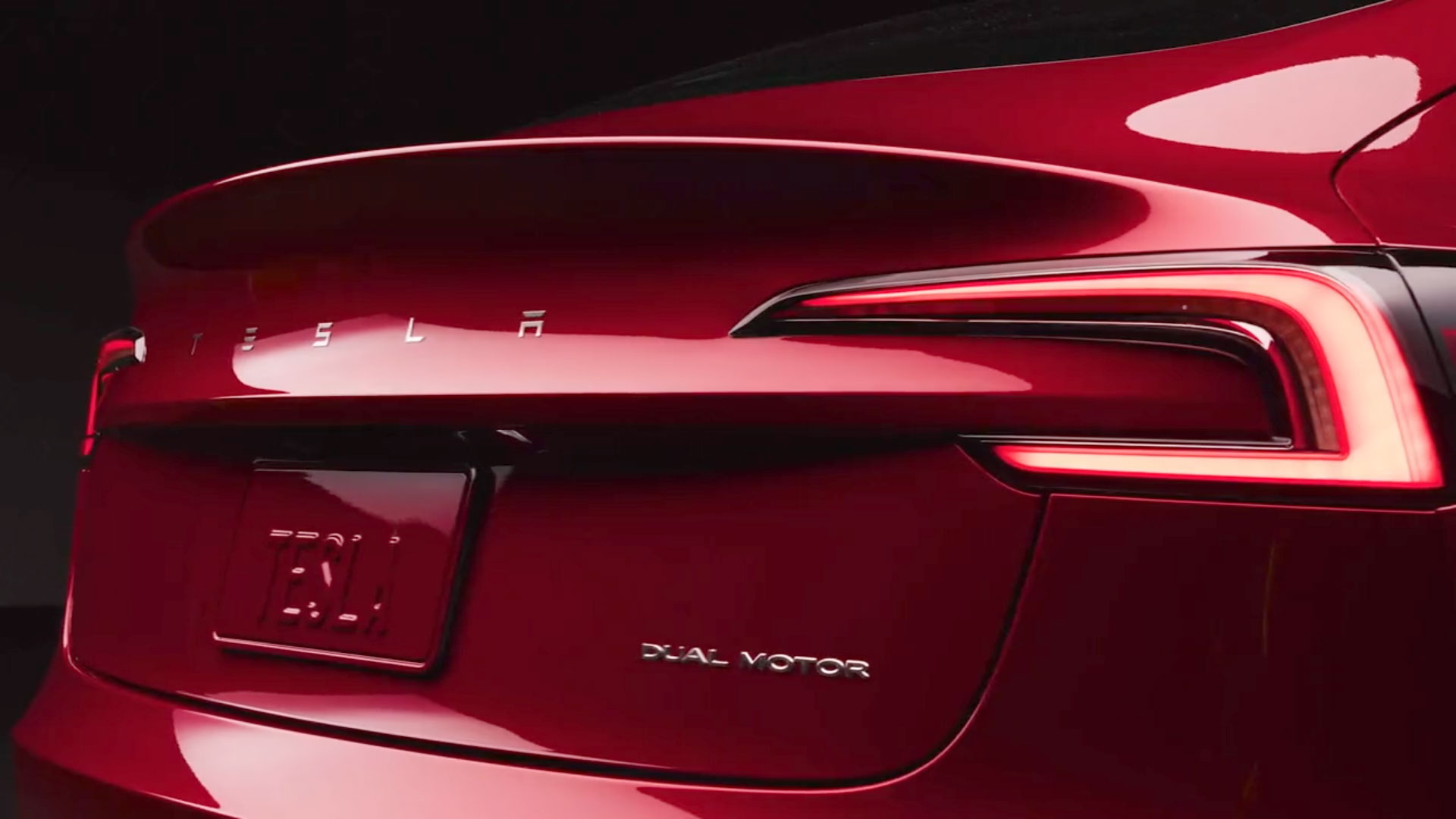
Introduction: A Refined Classic
The 2025 Model 3 "Highland" is not a revolutionary redesign but a significant refinement of a vehicle that has already defined the electric compact sedan category. The update has solidified the Model 3's position as the benchmark for performance, range, and cutting-edge technology in the EV market, despite introducing a few design changes that have proven to be a point of contention for some drivers. This report provides an in-depth analysis of the 2025 Model 3 by synthesizing professional reviews, real-world owner feedback, and direct comparisons to key competitors like the BMW i4. The analysis highlights the vehicle's strengths, directly confronts common criticisms, and discusses its long-term value as a product that is both a daily driver and a technological statement.
The "Highland" update, particularly its minimalist design and the removal of physical controls, is not merely a product refresh but a philosophical statement about the future of the automobile. Tesla is doubling down on its "software-defined vehicle" paradigm, creating a clear dividing line in the market. On one side are drivers who value cutting-edge technology, instant updates, and a seamless digital experience. On the other are those who prefer the traditional, tactile controls and luxurious feel of legacy brands. The Model 3's journey from a high-performance disruptor to a refined benchmark for the entire industry is a testament to its enduring appeal and a clear signal of Tesla's unwavering commitment to its unique design philosophy
Chapter 1: The Professional Consensus: A Blend of Praise and Critique
Professional reviews of the 2025 Model 3 "Highland" paint a picture of a vehicle that is both a triumph of engineering and a source of user-experience quirks. The consensus is overwhelmingly positive on the car's core performance. The vehicle delivers instant, swift acceleration in all configurations, with the Performance model being particularly brutal. The handling is sporty, engaging, and well-balanced by a low center of gravity. The "Highland" update addressed some of the biggest gripes with the car, with suspension improvements that deliver a much smoother and more comfortable ride.
However, the reviews also highlight some notable criticisms. The car's stalk-free design, which moves the turn-signal controls to the steering wheel and the gear selector to the touchscreen, is a point of contention. Reviewers have called the turn signal buttons "just plain odd," and the touchscreen-based controls for functions like air vents are seen as distracting to use while driving. The infotainment system is praised for its monolithic touchscreen and advanced features, but its continued lack of Apple CarPlay or Android Auto compatibility is noted as a drawback for some.
Chapter 2: The Owner's Perspective: Real-World Reliability & Sentiment
Consumer sentiment on the 2025 Model 3 is overwhelmingly positive. A study of 198 owners found that 90% would recommend the vehicle, with performance and styling being its strongest features. Owners consistently praise the car’s incredible acceleration, smooth and quiet ride, and impressive range. Many describe the ownership experience as "thought changing" and feel that driving a gas car after owning a Tesla is like going back to a "rotary dial desk phone". The instant power is described as "intoxicating" and the over-the-air software updates make it feel like a new car with every refresh.
Owner feedback also directly addresses common reliability concerns. While some reports mention inconsistent build quality and specific issues like control arms failing in cold climates, the data on core components like the battery and drivetrain is very reassuring. The electric motors are described as "bulletproof," and battery pack failure rates are extremely low. The vehicle has received "average reliability" predictions from Consumer Reports, and its score in the 2025 J.D. Power Vehicle Dependability Study has significantly improved, though it remains below the industry average due to ongoing concerns about build quality and service delays. The low maintenance costs, with no oil changes, tune-ups, or filters to worry about, are consistently cited as a major benefit that directly counters fears of high-cost repairs.
Chapter 3: The Head-to-Head: Model 3 vs. The Competition
When compared to its key competitors, the Model 3 "Highland" firmly establishes itself as a benchmark for what an electric sedan can be. The head-to-head comparison with the BMW i4 is a perfect example of two different automotive philosophies. The BMW i4 continues to offer a "traditional luxury texture and driving pleasure," emphasizing a comfortable and engaging driving experience. In contrast, the Model 3 stands out with its "cutting-edge technology and efficient battery life," with a greater focus on raw acceleration and longer range. The choice between the two is not about which car is "better," but which automotive philosophy a buyer prefers.
Despite competitive specs from rivals, Tesla's Supercharger network remains a massive advantage and a key reason for customer choice. The sheer scale of the network, with over 50,000 locations globally, makes long-distance road trips "genuinely feasible" and provides a superior, frictionless experience compared to competitors who often face "charger roulette" with fragmented networks. The Model 3's ability to supplement 175 miles of range in just 15 minutes at a 250 kW Supercharger is a clear efficiency advantage. The Model 3's impressive performance and the long-range version's superior range, at up to 363 miles, solidifies its position as the benchmark against which every other EV is measured.
Chapter 4: The Future of the Model 3
The "Highland" update ensures that the Model 3 remains a compelling choice in an increasingly crowded market. Its combination of performance, technology, and ecosystem is what sets it apart and makes it the benchmark for its class. The long-term value proposition for owners is further enhanced by the promise of continued over-the-air software updates that keep the car feeling fresh and the potential for higher resale value, especially for FSD-equipped models. The Model 3's journey is a clear indicator that the future of the automobile is not just about a better engine or a more luxurious interior, but about a holistic, integrated ecosystem that delivers a superior and continuously evolving user experience.
Conclusion: A Polished Product for a New Kind of Driver
The 2025 Model 3 "Highland" is a mature, polished product that continues to define the electric sedan category. It represents a clear commitment to Tesla's minimalist, tech-first philosophy, a choice that will not appeal to every driver but will deeply resonate with a growing segment of the market. Despite some lingering concerns about build quality and a few polarizing design choices, the car’s core strengths—its exceptional performance, impressive range, and unparalleled charging infrastructure—make it a formidable contender. The "Highland" is more than just a car; it is a statement about the future of mobility, and it is a statement that is clearly winning over a new kind of driver who is ready to leave the old world of internal combustion behind.
FAQ: Answering Key Questions
-
What are the main differences between the old and new Model 3? The main differences include revised styling with sleeker headlights, a quieter and higher-quality cabin, a smoother ride, and a stalk-free design that moves controls to the steering wheel and touchscreen.
-
Is the new stalk-free design better? The stalk-free design is a matter of personal preference. While some owners find the steering wheel controls intuitive after an initial learning curve, professional reviewers have called them "just plain odd" and a potential distraction
-
How does the "Highland" compare to a BMW i4? The Model 3 "Highland" is generally praised for its raw acceleration, longer range, and superior Supercharger network, while the BMW i4 is valued for its traditional driving pleasure, superior interior quality, and more tactile controls
-
What are the long-term reliability concerns? While some owners report initial quality and fit-and-finish issues, data suggests that the core drivetrain and battery components are highly reliable with a low failure rate. The car has received "average reliability" predictions from Consumer Reports
-
Suggested Table: 2025 Tesla Model 3 'Highland' vs. BMW i4 Comparison