
The electric vehicle (EV) industry stands at a critical juncture, with battery technology remaining the cornerstone of its widespread adoption. Innovations in energy density, charging speed, and lifespan are no longer incremental improvements but fundamental shifts redefining the viability and appeal of EVs for the mass market and long-haul applications. This article delves into the latest breakthroughs poised to revolutionize the EV landscape, specifically examining how these advancements impact Tesla's strategic position and the broader industry's trajectory toward sustainable transportation.
The Current State of Battery Technology: An Overview of Cutting-Edge Developments
The quest for superior EV batteries is relentless, with two notable technologies recently taking center stage: the ElevenEs Edge574 Blade Cell and advanced Lithium-Sulfur Batteries (LSBs). These innovations signify a concerted industry effort to overcome traditional EV limitations.
The ElevenEs Edge574 Blade Cell represents a new generation of lithium iron phosphate (LFP) batteries, meticulously developed by the Serbian company ElevenEs. This battery is engineered to revolutionize the electric vehicle industry by directly addressing key weaknesses in charging time and operational lifespan. Its design and chemical optimization are geared towards enhancing both the performance and practicality of electric vehicles, making them more appealing to a broader consumer base.
Concurrently, American engineers have unveiled a novel lithium-sulfur battery technology that promises to drastically reduce charging times and significantly increase energy efficiency. This development holds the potential to transform the future of sustainable transportation. Lithium-sulfur batteries are being developed to surpass the limitations of conventional lithium-ion systems, offering a more attractive alternative for electric vehicles by improving range and reducing environmental impact.
Key Innovations and Performance Metrics
The core value proposition of these new battery technologies lies in their impressive performance metrics, which directly address the most pressing concerns of EV consumers: range anxiety and charging convenience.
Ultra-Fast Charging Capabilities
The Edge574 Blade Cell boasts an extraordinary ability to recharge to 80% capacity in a mere 12 minutes. This translates to an astonishing mile of range regained every second of charging, marking a monumental leap forward in a sector where lengthy charging times persist as one of the primary impediments to the widespread adoption of electric vehicles. This rapid charging capability is poised to fundamentally transform the convenience of EV use, making it comparable to refueling a traditional gasoline car. Even under colder conditions, its performance remains remarkably impressive: it achieves an 80% charge in 18 minutes at 50°F (10°C) and in 25 minutes at 32°F (0°C), demonstrating its robustness across diverse climates.
Similarly, an international study coordinated by Dr. Mozaffar Abdollahifar and published in Advanced Energy Materials, indicates that Lithium-Sulfur Batteries (LSBs) are projected to achieve charge times as short as 12 minutes, coupled with higher energy density and enhanced safety features. This parallel development underscores a fierce competition across different battery chemistries to unlock ultra-fast charging, signaling a future where EV charging is no longer a significant time commitment.
Extended Lifespan
ElevenEs reports that the Edge574 Blade Cell offers an exceptional lifespan of up to 310,000 miles. This extended longevity is set to significantly reduce the frequency of battery replacements, thereby minimizing waste and lowering the environmental footprint. Such a lifespan remarkably surpasses that of many traditional internal combustion engine (ICE) vehicles, fundamentally altering the long-term ownership proposition of EVs.
Lithium-Sulfur Batteries also promise significantly extended ranges for electric vehicles, effectively eliminating consumer range anxiety. The combined promise of these two technologies presents a far more attractive prospect for long-term EV ownership, making electric vehicles a more practical and sustainable choice for a broader demographic.
Advancements in LFP Technology and Thermal Robustness
The performance of the Edge574 Blade Cell is underpinned by an optimized chemistry of lithium iron phosphate (LFP). While LFP technology has historically been perceived as less energy-dense compared to other compositions like nickel-based lithium-ion, it is renowned for its inherent stability, durability, and safety. ElevenEs has pushed the boundaries of this technology through several pivotal innovations: a 15% reduction in internal resistance, which significantly improves thermal efficiency, and a novel electrolyte formulation designed to optimize ionic exchanges within the battery. These advancements enhance the LFP's performance without compromising its safety advantages.
A major asset of the Edge574 is its remarkable thermal robustness, enabling it to operate efficiently across a wide temperature range, from -22°F to 140°F (-30°C to 60°C), while consistently maintaining impressive charging times. This adaptability is a game-changer for EV usage in regions experiencing harsh winters, where conventional batteries typically suffer significant capacity degradation. The ability to perform reliably in extreme temperatures broadens the geographical appeal and practical utility of electric vehicles.
Blade Battery Design and Chassis Integration
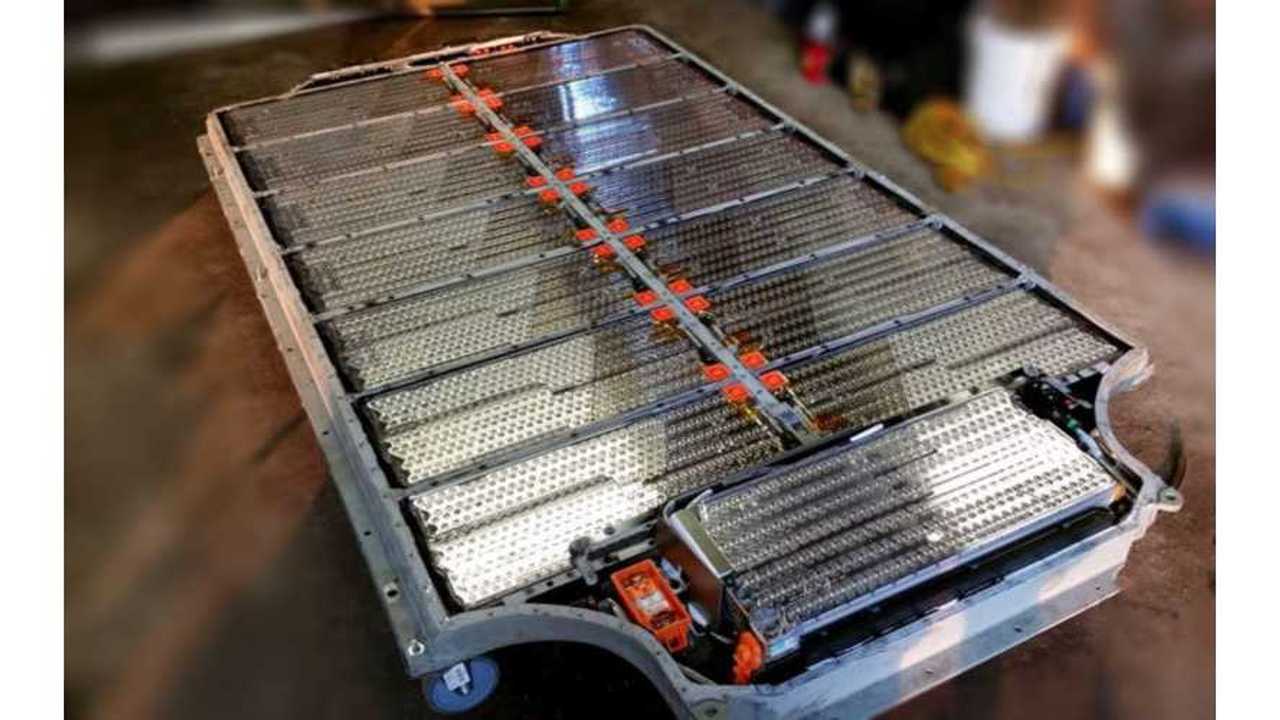
The Edge574 cell itself adopts a "blade" format, a design increasingly favored by manufacturers due to its ease of integration into the vehicle chassis. This approach, known as "Cell-to-Pack" (CTP) or "Cell-to-Body" (CTB) architectures, allows for efficient space utilization without compromising safety. This strategic design choice by ElevenEs highlights a forward-thinking approach to crafting batteries that are not only high-performing but also seamlessly adaptable for future vehicle platforms, contributing to more streamlined and cost-effective EV manufacturing.
The Role of Artificial Intelligence in Battery Optimization
Artificial intelligence (AI) is playing an increasingly pivotal role in accelerating battery development, moving beyond traditional trial-and-error methods towards intelligent material discovery and optimization.
AI assists in optimizing battery materials by predicting combinations that offer the most favorable trade-offs between efficiency and stability. By leveraging AI, researchers can forecast which material compositions will yield optimal energy density, stability, and charging speed, thereby significantly accelerating the development of these revolutionary batteries. Early prototypes, already benefiting from AI-driven insights, are demonstrating promising results, achieving energy densities of approximately 2 mAh/cm² at practical charging rates. This underscores AI's growing influence as a powerful catalyst for advancements in battery technology, enabling faster breakthroughs and more efficient development cycles.
Implications for Range Anxiety and EV Adoption
The combined advancements in ultra-fast charging and extended lifespan directly address two of the most significant barriers to the mass adoption of electric vehicles: range anxiety and the perceived inconvenience of charging.
The ability to recharge a battery to 80% in just 12 minutes fundamentally transforms the user experience, making EV charging comparable to a quick stop at a gasoline station. This rapid turnaround significantly alleviates concerns about lengthy waiting times, particularly during long-distance travel, thereby making EVs a more practical option for a wider range of journeys.
An impressive lifespan of 310,000 miles effectively eliminates battery degradation as a major consumer concern. This longevity ensures that the battery's operational life can match or even exceed that of a traditional internal combustion engine (ICE) vehicle, reducing the need for frequent battery replacements and contributing to lower overall ownership costs and environmental impact.
Furthermore, the use of sulfur in lithium-sulfur batteries, a material that is safe, environmentally friendly, and readily available, presents an attractive alternative to cobalt and nickel. These latter materials are often associated with supply chain vulnerabilities and ethical issues. This shift towards more sustainable materials further enhances the appeal and long-term viability of electric vehicles, aligning with global environmental goals and consumer preferences for ethical sourcing.
Competitive Landscape and Future Outlook
These battery breakthroughs have profound implications for the competitive landscape, particularly for market leaders like Tesla.
While the research does not explicitly detail Tesla's direct involvement in the ElevenEs or specific US lithium-sulfur battery projects, these advancements set new industry benchmarks. As a leading EV manufacturer, Tesla will need to either adopt, license, or surpass these technological innovations to maintain its competitive edge. Tesla's continued dominance will hinge on its ability to integrate or develop similar next-generation battery technologies, ensuring its vehicles remain at the forefront of performance and consumer appeal.
The ElevenEs Blade Cell system, comprising 210 cells, is capable of accepting up to 1 megawatt of charging power. This capability is highly significant for rapid charging station manufacturers and network operators, as it aligns perfectly with the escalating demand for quick and efficient charging solutions. This could stimulate further substantial investments in high-power charging infrastructure, creating a more robust and accessible charging ecosystem.
The interdisciplinary efforts supporting lithium-sulfur battery research, with contributions from Germany, India, and Taiwan, underscore a global push for battery innovation. This collaborative environment suggests a future where multiple technologies may coexist and thrive, leading to a highly competitive market. This diversity in technological approaches will likely benefit consumers through continuous improvements in battery performance and cost-effectiveness.
Conclusion: Paving the Way for a New Era of Electric Mobility
The latest advancements in battery technology, particularly the ElevenEs Edge574 Blade Cell and the potential of lithium-sulfur batteries, represent a bold stride forward in the pursuit of the ideal electric vehicle battery. By combining ultra-fast charging, robust thermal performance, high energy density, and extended lifespans, these innovations offer a comprehensive solution to the historical weaknesses of electric vehicles. Coupled with the accelerating role of artificial intelligence in material discovery, the EV industry is on the cusp of a new era where range anxiety will become a relic of the past, and electric mobility will emerge as the undeniable standard. These developments promise a future where electric vehicles are not only environmentally superior but also surpass traditional gasoline cars in convenience, performance, and overall ownership experience.