
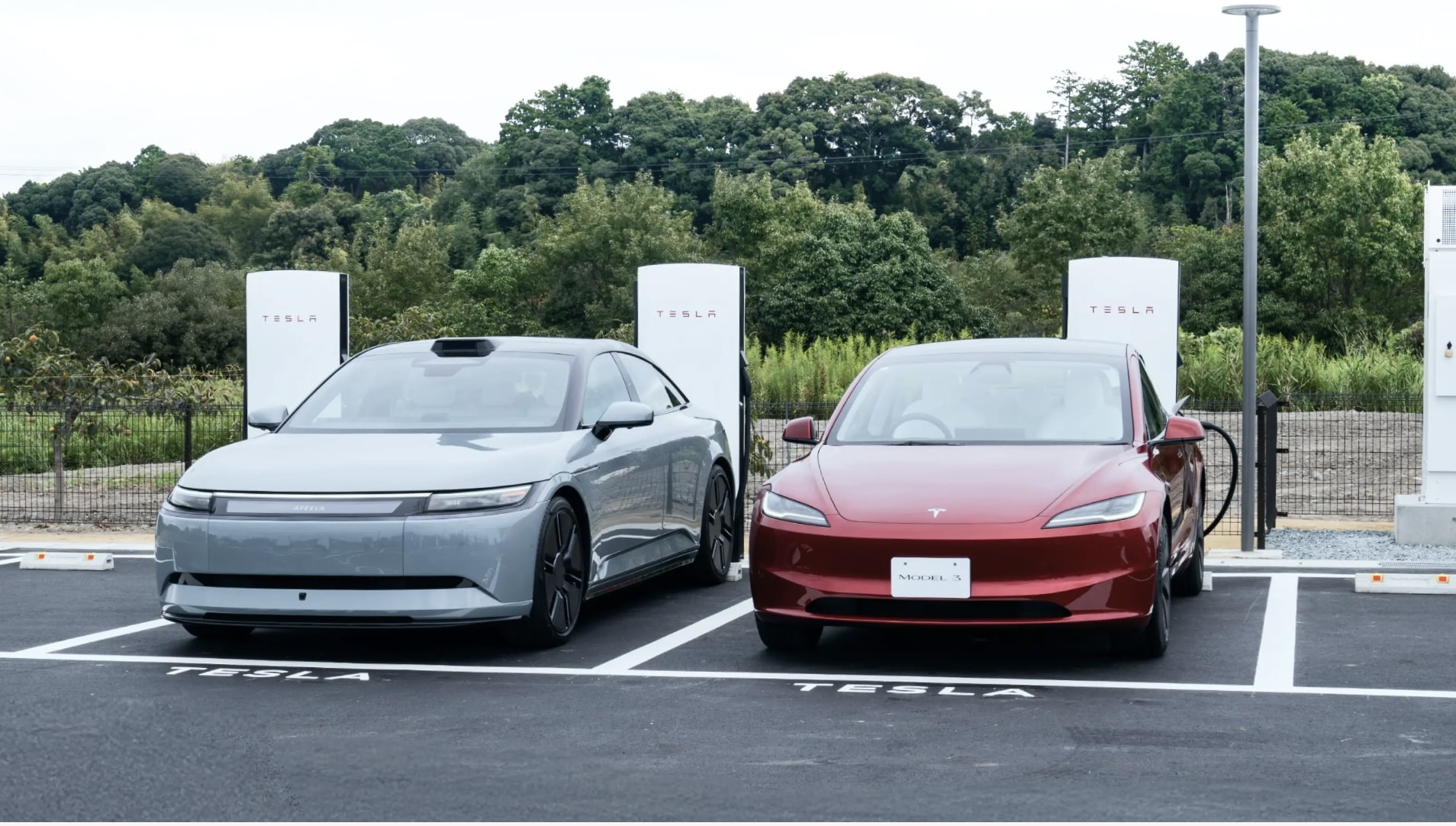
Introduction: NACS Goes Mainstream
The rapid adoption of the North American Charging Standard (NACS), now codified as SAE J3400, by nearly every major automaker represents a historic and seismic shift in the electric vehicle charging landscape. This industry-wide endorsement is the culmination of a long-held ambition to open the Supercharger network to all EVs, thereby accelerating the transition to a zero-emission future. While this move promises a more seamless charging experience and helps alleviate range anxiety for all drivers, it also introduces a new set of on-the-ground challenges for both non-Tesla and existing Tesla owners.
Chapter I: The User Experience: Non-Tesla Drivers
For non-Tesla drivers, the adoption of NACS is a significant win, granting them access to a reliable and expansive charging network. However, the transition is not without its physical hurdles. One of the most immediate problems is the location of the charging port on many non-Tesla vehicles. For a large vehicle like the Rivian R1S, the placement of its port can make it impossible to reach the Supercharger cable without taking up two parking stalls, creating a physical inconvenience that can lead to frustration and potential charging bottlenecks.
This on-the-ground challenge has led to the emergence of a new aftermarket for NACS extension cables and adapters. These products, however, come with their own set of significant risks. A recent review of the Hansshow DC fast-charging extension cable, which costs $599, exposed "serious safety shortcomings" that make it unsuitable for consumer use. The testing revealed that the cable suffered from severe thermal issues, with its plugs exceeding the safety limit of 140°F and reaching a peak of 156°F in direct sunlight. The product also failed a critical safety test by allowing the NACS end of the cable to be physically disconnected during an active charging session, which is a major safety concern. Finally, the cable lacks official safety certification and is rated for a current of only 250 amps, which is too low for many modern EVs that can pull up to 500 amps. The company explicitly prohibits the use of unapproved third-party charging equipment, placing the responsibility for any issues squarely on the user.
Chapter II: The User Experience: Tesla Drivers
The adoption of NACS and the opening of the Supercharger network to other EVs also changes the dynamic for long-time Tesla owners. What was once an exclusive, premium charging club is now a shared public utility. To manage the increased network traffic and ensure efficiency, the company has implemented a system of idle and congestion fees. These fees are not just about revenue generation; they are a behavioral incentive designed to encourage a new "Supercharger etiquette" in the face of growing demand.
Idle fees apply to any vehicle that remains connected to a Supercharger once its charging session is complete. The fee is triggered when the station is at 50% capacity or more and doubles when the station is at 100% capacity. At some locations, congestion fees replace idle fees and are triggered once a vehicle's battery charge reaches a certain threshold—typically 80%—at a busy site. Both fee systems are designed to ensure that stalls are freed up for the next driver as soon as possible. For existing owners, this means a shift in mindset is required. The network is no longer a personal parking spot to be used at leisure after charging is complete. The rules are now designed for maximum throughput and shared access.
Chapter III: The European Context
The rollout of NACS has been primarily focused on the North American market. In Europe, where the Combined Charging System (CCS) has long been the dominant standard, the Supercharger network has been opening to non-Tesla EVs through the use of a dual-connector "Magic Dock". This different approach is proceeding more cautiously. The company has opened over 70% of its network in Europe to non-Tesla vehicles but is actively monitoring usage to "ensure there is still adequate availability for Tesla drivers". This measured strategy in the European market reflects a desire to protect the user experience of its core customer base while simultaneously encouraging broader EV adoption.
Conclusion: The Race to Build a Unified Network
The expansion of the Supercharger network and the industry's adoption of NACS are transformative events that will have far-reaching implications. They promise to reduce range anxiety and accelerate the broader transition to EVs by providing a powerful, unified charging infrastructure. However, the process is complex and is creating new challenges, from the physical hurdles faced by non-Tesla vehicles to the need for a new etiquette among all drivers. For the company and its community, the challenge ahead is to successfully manage this transition, ensuring that the network's reputation for reliability and convenience remains intact as it evolves from a proprietary advantage to a critical public utility.
FAQ: Charging & Connectivity
Q: Why do I still need an adapter if NACS is the standard? A: Most non-Tesla vehicles sold today were built with a CCS port, as NACS only became the industry standard in late 2022. For these vehicles, a certified adapter is required to connect to a NACS Supercharger. Starting with the 2025 model year, most major automakers plan to build NACS ports directly into their new EVs, eliminating the need for an adapter.
Q: How do idle and congestion fees work? A: Idle fees apply at a Supercharger stall after a vehicle's charging session has ended, as long as the station is at least 50% full. The fee doubles at 100% capacity. Congestion fees, which are used at some busy locations instead of idle fees, start to accrue once a vehicle reaches a certain charge level (e.g., 80%), encouraging drivers to leave to free up the stall for others.
Q: Can I get an NACS extension cable? Should I? A: While third-party NACS extension cables are available, they are not recommended for consumer use due to significant safety concerns. These products have been shown to suffer from thermal issues, are not officially certified, and have a flawed design that allows for unsafe disconnection during charging. Using them places all responsibility on the user and could potentially damage the vehicle or cause a fire.