
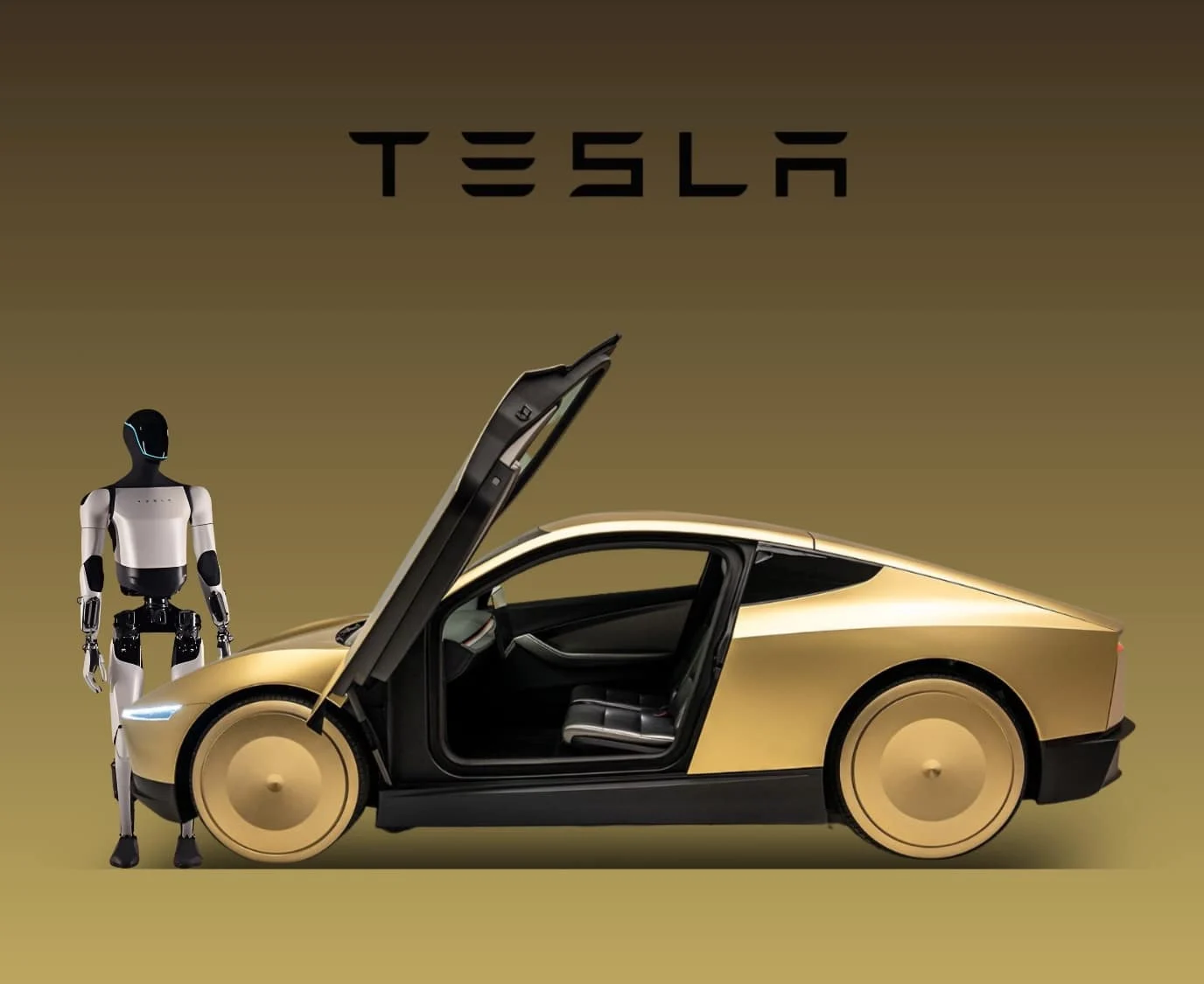
In late June 2025, Tesla took a bold step toward its long‑promised autonomous future by launching a pilot Robotaxi service in Austin, Texas. Branded under its Full Self‑Driving (FSD) suite, the service aims to offer ride‑hailing without human drivers—yet beneath the headlines lies a complex tapestry of early setbacks, regulatory scrutiny, and user feedback. This article examines the Robotaxi’s launch mechanics, operational challenges, technical underpinnings, and strategic path forward, charting Tesla’s journey from driver‑assistance leader to ride‑hailing pioneer.
1. The Vision Behind Tesla Robotaxi
-
Elon Musk’s Autonomous Ambition
Since acquiring SolarCity in 2016, Elon Musk has intertwined Tesla’s electric‑vehicle (EV) roadmap with a vision of fully autonomous mobility. Musk forecasts a future in which private car ownership gives way to fleets of Tesla Robotaxis—vehicles that earn money for their owners when idle, driving without a human at the wheel. -
Milestones toward Autonomy
-
Autopilot Introduction (2014): Semi‑autonomous highway driving assistance.
-
FSD Beta (2020): Early software enabling city‑street navigation with a safety driver.
-
Navigate on Autopilot & Smart Summon: Further incremental capabilities.
-
Robotaxi Pilot (2025): Tesla’s first commercial attempt without a dedicated safety driver at the wheel.
-
2. Service Mechanics and User Journey
-
Hardware Requirements
Every Robotaxi is based on the latest hardware suite—HW4 sensor array including upgraded cameras, radar fallback, and redundant compute units to handle complex urban scenarios. -
FSD Software Stack
Tesla’s FSD software merges neural‑network perception with rule‑based motion planning. For Robotaxi use, Tesla activated “City Streets” mode alongside a Remote Monitoring Center, where trained safety operators can intervene if vehicles encounter confusion. -
Booking and Pickup
-
App Integration: Users select “Robotaxi” as the ride option in Tesla’s app; dynamic pricing applies based on time of day and trip distance.
-
First‑Mile Pickup: The vehicle autonomously navigates to the rider’s curb, performing curb extraction maneuvers and drop‑off procedures without human control.
-
In‑Ride Experience: Cabin screens provide real‑time route visuals. Riders can monitor FSD confidence levels, pause/start the trip, and directly alert Tesla support through a “Help” button.
-
-
Role of “Safety Monitors”
While Tesla advertises a driverless experience, each Robotaxi is overseen by remote safety monitors stationed at a command center in Austin. They receive continuous vehicle telemetry and camera feeds, ready to assume control or route‑override if the system stalls.
3. Early Operational Issues
-
Wrong‑Side Driving Incidents
Within the first week, several Robotaxis briefly drifted into opposing‑direction lanes on one‑way streets. Tesla attributed these to rare mapping mismatches and rolled out an emergency software patch. -
Phantom Braking Events
Riders reported sudden, hard braking when FSD misidentified shadows or pedestrians on sidewalks as hazards. While no injuries occurred, the incidents eroded user trust and drew local news attention. -
Intersection Navigation Failures
Cameras struggled with complex signal configurations in downtown Austin, causing the cars to stop mid‑intersection or wait indefinitely. Safety monitors occasionally routed vehicles manually, momentarily converting them to remote‑driven modes. -
Regulatory Scrutiny
The National Highway Traffic Safety Administration (NHTSA) opened an information request under its Special Crash Investigation program, probing Tesla’s human‑machine interface and emergency fallback protocols.
4. User Experience and Feedback
-
Rider Testimonials
-
“It felt surreal—no one in the driver’s seat, yet we moved seamlessly… until we hit a weird stutter at 6th Street.”
-
“Booking was slick in the Tesla app, but the unexpected brake stops made me nervous.”
-
-
Comparative Context
-
Waymo One (Phoenix): Fully driverless in geo‑fenced zones since 2020, with a safety driver on standby in remote offices.
-
Cruise (San Francisco): Limited to certain neighborhoods with extensive human‑monitoring infrastructure.
Tesla’s Robotaxi stands out by targeting mixed‑traffic environments rather than tightly controlled zones—but that breadth comes at the cost of reliability early on.
-
5. Technical and Safety Upgrades
-
Over‑the‑Air Software Patches
Within 10 days of launch, Tesla issued two OTA updates:-
Mapping Confidence Filter: Disallowed lane‑changes when map confidence fell below threshold.
-
Pedestrian Classifier Improvement: Reduced false‑positive braking by 40%.
-
-
Sensor Calibration Improvements
Tesla recalibrated its camera‑radar fusion algorithms to better distinguish stationary objects like construction cones and shadows. -
FSD Version Roadmap
Tesla’s “FSD 13.2” release, slated for Q3 2025, promises dynamic signal‑phase detection (reading traffic‑light colors in real time) and enhanced obstacle anticipation (predicting unpredictable pedestrian movement).
6. Expansion Roadmap
-
Next Cities
Musk confirmed that Houston and Dallas are next on the docket, contingent on local regulatory approvals and mapping fidelity. Each new city requires six‑ to eight‐weeks of detailed mapping runs. -
Fleet Size Growth
Tesla began with 25 Robotaxis; its goal is 200 by year‑end, correlating with FSD beta access expansion and HW4 retrofit availability. -
Private‑Owner Robotaxi Integration
Later phases will allow private Tesla owners to “opt in” and convert their cars into Robotaxis during times they aren’t using them—unlocking a potential new income stream. Tesla projects up to 100,000 privately‑operated Robotaxis in the U.S. by 2027.
7. Balancing Innovation Speed with Safety and Compliance
-
Regulatory Landscape
Texas law permits “driverless” operations when a remote operator can assume control within prescribed timeframes. However, NHTSA’s ongoing investigation could impose stricter nationwide guidelines. -
Public Perception and Acceptance
According to a recent survey by the University of Texas, 62% of Austin residents expressed excitement about Robotaxis, but 48% cited safety concerns as their top hesitation. -
Ethical and Liability Considerations
In an at‑fault collision, Texas tort law will likely make Tesla ultimately responsible—underscoring the importance of legal and insurance frameworks to support autonomous fleets.
8. Conclusion
Tesla’s Austin Robotaxi launch represents both a revolutionary stride and a cautionary tale. Early users get a glimpse of a driverless future, but operational hiccups highlight the complexity of full autonomy in real‑world settings. As Tesla iterates—through software patches, hardware tweaks, and regulatory engagement—it inches closer to scalable, profitable ride‑hailing. The road ahead demands patience, transparent communication with regulators and riders, and relentless technical refinement. If Tesla navigates these challenges successfully, it could unlock a new mobility paradigm—and cement its place at the forefront of transportation innovation.
FAQ
Q1. How do I book a Tesla Robotaxi in Austin?
Open your Tesla mobile app, select “Ride” then choose “Robotaxi.” Enter your pickup and destination addresses; the app displays ETA, pricing, and FSD confidence score.
Q2. What training do safety monitors receive?
Monitors undergo a four‑week certification program covering emergency override protocols, remote operation interfaces, and incident escalation procedures.
Q3. When will Robotaxi service expand to Europe?
Tesla has indicated mid‑2026 for select EU cities—likely Berlin and Paris—pending EU regulatory approvals and localized mapping efforts.
Q4. What happens if there’s an accident?
Tesla’s policy routes incidents through its Remote Safety Operations Center. For collisions, local Tesla field response teams are dispatched, and NHTSA is notified per federal requirements. Insurance liability rests with Tesla as the operator.