
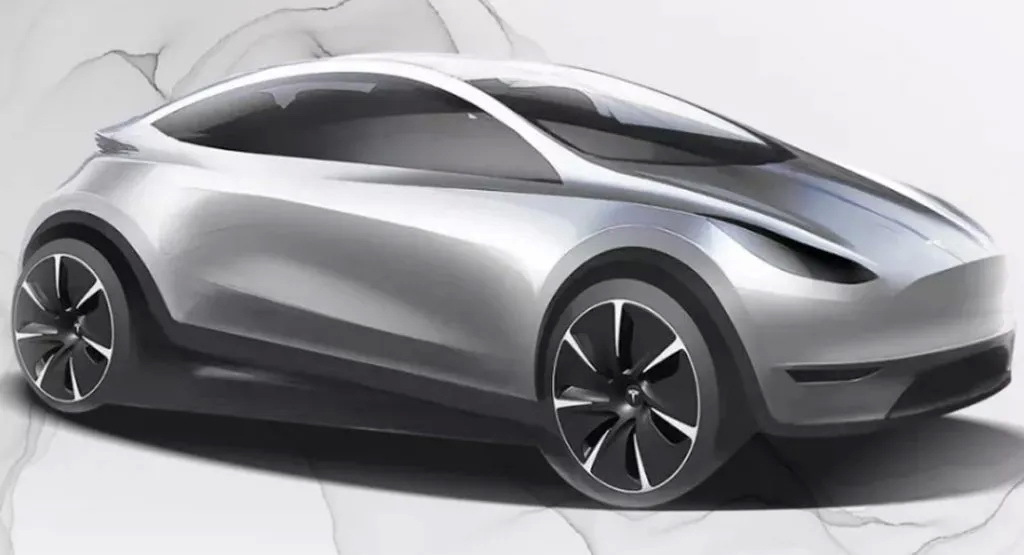
In mid‑2025, Tesla officially green‑lit production of its long‑teased “Model 2,” a sub‑$30,000 electric vehicle designed to broaden Tesla’s reach beyond premium buyers. Facing flagging deliveries and intensifying competition, Tesla aims to reignite growth by leveraging its 4680‑cell battery breakthroughs, simplified production lines, and a no‑frills feature set. For U.S. and European Tesla owners—both current and prospective—the arrival of an affordable Tesla model carries profound implications: from altering the brand’s aspirational cachet to reshaping resale values, software ecosystems, and the broader EV market. This article examines Tesla’s entry‑level EV strategy in depth—unpacking design and technical highlights, production rollout, pricing and positioning, and the ripple effects on existing models and owners.
Chapter 1: Technical and Design Highlights
-
Platform and Architecture
-
Skateboard Chassis: The Model 2 uses the same skateboard underbody as the Model 3/Y but with fewer modules—optimizing weight and cost.
-
Streamlined Body Panels: Simplified exterior panels reduce stamping and assembly steps. A single, die‑cast rear underbody replaces multiple stamped parts, echoing innovations from Giga Shanghai.
-
-
Battery and Range
-
4680‑Cell Integration: Adopting round, tabless 4680 cells in a modular pack achieves energy density of ~300 Wh/kg, lowering pack cost by 20 % versus 2170 cells.
-
Range Estimates: The base single‑motor RWD variant promises 220 miles (EPA) per charge; the AWD dual‑motor version targets 280 miles, enough for daily commuting and weekend trips.
-
-
Powertrain and Performance
-
Electric Motor: A compact, permanent‑magnet synchronous motor for the RWD variant prioritizes efficiency; the dual‑motor AWD adds a second induction motor for spirited acceleration.
-
Acceleration: The RWD model will sprint 0–60 mph in 6.5 seconds, while the AWD version targets 4.9 seconds—competitive with many ICE‑powered compacts.
-
-
Interior and Infotainment
-
Minimalist Cabin: Following Tesla’s signature aesthetic, the Model 2 features a 12‑inch landscape touchscreen, steering‑wheel control stalks, and a single‑piece dashboard with integrated air vents.
-
Material Choices: Vegan‑leather seats, recycled‑fabric headliner, and injection‑molded woodgrain trim lower costs and boost sustainability credentials.
-
Connectivity and Software: All models include Standard Connectivity; owners may upgrade to Premium Connectivity for navigation and streaming. FSD readiness is included at purchase, with subscription activation available post‑delivery.
-
-
Safety and Driver‑Assistance
-
Structural Enhancements: High‑strength steel crossmembers and a reinforced front crumple zone earn a projected five‑star safety rating in both NHTSA and Euro NCAP tests.
-
Sensor Suite: Tesla continues its camera‑only vision approach, deploying eight cameras, forward radar, and ultrasonic sensors. The Model 2’s roof‑camera mounting leverages a simplified housing to cut costs without compromising visibility.
-
-
Sustainability Features
-
Recycled Materials: Up to 25 % of interior plastics derive from recycled consumer electronics.
-
Green Manufacturing: Giga Berlin’s solar‑powered production lines and closed‑loop water systems reduce the Model 2’s carbon footprint by 15 % versus earlier models.
-
Chapter 2: Production Rollout
-
Pilot Production and Quality Validation
-
Pilot Line at Giga Shanghai: The first 500 pre‑production units came off a dedicated, low‑volume pilot line in May 2025—used to validate assembly processes, calibrate AI‑driven robots, and train staff.
-
Quality Control Metrics: Tesla recorded <2 defects per vehicle at pilot stage—on par with Model Y early ramps—before green‑lighting mass production.
-
-
Mass‑Production Schedule
-
Giga Berlin as EU Hub: Full‑scale manufacturing begins July 2025 in Germany, leveraging existing tooling and expanding the “Gigacasting” process for central underbody sections.
-
Giga Texas for U.S. Supply: U.S. production kicks off Q4 2025 in Austin, with annual capacity of 150,000 units. Localization enables faster delivery and lower shipping costs for North American buyers.
-
Shanghai Volume Support: To meet global demand, Shanghai will allocate 50,000 additional units for Asia Pacific markets starting early 2026.
-
-
Supply‑Chain Simplification
-
Vertical Integration: Tesla sources 4680 cells in‑house from Giga Nevada, cutting dependence on third‑party suppliers.
-
Parts Consolidation: Fewer parts and fast‑energetic adhesive bonding reduce assembly steps—lowering labor hours per car by 12 %.
-
-
Delivery and Service Network Preparation
-
Service Center Expansion: Tesla is adding 20 new service centers across Europe’s secondary markets—Portugal, Greece, and Eastern Europe—to support Model 2 owners.
-
Mobile Service Fleet: In the U.S., 100 new mobile‑service vans equip remote areas with on‑site diagnostics and minor repair capability.
-
-
Initial Production Challenges
-
Ramp‑Up Learning Curve: Early adopters may encounter minor fit‑and‑finish tweaks as robots calibrate; Tesla pledges rapid OTA firmware fixes and expedited parts shipments.
-
Battery Yield Optimization: As 4680 production matures, Tesla aims to resolve early wafer‑fracturing issues to maintain pack yield above 92 %.
-
Chapter 3: Pricing and Market Positioning
-
Entry‑Level Pricing Strategy
-
Base MSRP: Starting at $28,990 (U.S.) and €27,490 (Germany), before regional incentives.
-
Options and Global Variants: AWD upgrade adds $3,500; paint, wheels, and interior upgrades vary by market.
-
-
Incentive and Tax Credit Utilization
-
U.S. Federal Credit: Qualifies for the full $7,500 EV tax credit under the Inflation Reduction Act, lowering net cost to under $22,000 for eligible buyers.
-
European Subsidies: Many EU countries still offer €4,000–€6,000 incentives for sub‑€35,000 EVs—bringing effective prices to under €22,000.
-
Local Programs: France’s bonus écologique, Italy’s regional grants, and Norway’s toll exemptions further sweeten the deal for early adopters.
-
-
Competitive Benchmarking
-
Against ICE Compacts: Priced competitively with well‑equipped Volkswagen Golf and Ford Focus, but offering superior performance and digital features.
-
Against EV Rivals: Undercuts the Volkswagen ID. 2all (~€30,000) and BYD Dolphin (~$29,000) by 5–10 %.
-
-
Feature Trade‑Offs
-
Standard Equipment: Manual seats, halogen headlights, and 18‑inch Aero wheels keep costs down.
-
Premium Bundles: Tesla offers a “Convenience Package” ($1,200) adding heated seats, LED headlights, and a panoramic sunroof for value‑minded buyers.
-
-
Marketing and Sales Channels
-
Digital‑Only Launch: No traditional dealerships—orders placed through Tesla’s website or app, with direct delivery or pickup at Tesla hubs.
-
Experience Centers: Pop‑up “Model 2 Showrooms” in European capitals and U.S. malls allow test drives and virtual‑reality demos.
-
-
Long‑Term Pricing Outlook
-
Price Stability Pledge: Musk has pledged stable pricing for the first 12 months post‑launch, barring material‑cost shifts.
-
Future Flexibility: Tesla retains the option to adjust pricing based on volume, incentives, or competitive moves.
-
Chapter 4: Impact on Existing Models and Owners
-
Resale‑Value Implications
-
Downward Pressure on Used Model 3/Y: Introduction of a lower‑priced Tesla may pull down trade‑in values by 5–7 % for base‑trim used vehicles.
-
Trim‑Differentiation Premium: High‑performance and top‑trim Model 3/Y variants could hold steady due to branding and exclusivity.
-
-
Product-Line Cannibalization Risks
-
Internal Competition: Tesla must balance sales of Model 2 against Model 3, ensuring customers still see value investing in higher trims.
-
Incentive Shift: Tesla may redirect credit incentives toward higher‑margin models after initial Model 2 launch window.
-
-
Software Ecosystem Effects
-
FSD Subscription Adoption: Lower entry cost could attract a broader base to Tesla’s FSD subscription—growing recurring‑revenue potential.
-
App Engagement: Model 2 owners likely to adopt Tesla app features—HVAC preconditioning, remote diagnostics—driving higher digital‑service usage metrics.
-
-
Owner Community and Brand Perception
-
Brand Democratization: Broadening Tesla’s customer base to middle‑income drivers may dilute the “premium‑only” brand aura, but increase adoption momentum.
-
Community Events: Tesla Owners Clubs anticipate a surge in membership, requiring expanded event capacity and localized meetups.
-
-
After‑Sales and Service Considerations
-
Service Demand Surge: Entry‑level price point will spur higher volume of first‑time EV owners—Tesla’s service network must scale to support novice users.
-
Accessories Market Growth: Affordable Teslas open a new OEM‑accessory revenue stream—floor mats, screen protectors, and performance upgrades for Model 2.
-
-
Environmental and Policy Impacts
-
Accelerated EV Adoption: A sub‑$30,000 Tesla model undercuts many ICE counterparts, potentially hastening ICE vehicle retirements in urban centers.
-
Regulatory Credits: Higher sales volumes unlock additional carbon‑credit revenues for Tesla, partially offsetting reduced per‑car margins.
-
Conclusion
Tesla’s push into the affordable‑EV segment with its Model 2 represents a strategic pivot designed to reignite growth, deepen brand reach, and democratize electric mobility. By leveraging in‑house battery innovations, streamlined manufacturing, and a direct‑to‑consumer sales model, Tesla stands poised to challenge both legacy automakers and emerging EV rivals on price and performance. While existing Model 3/Y owners may see modest impacts on resale values and incentive allocations, the broader benefits—expanded FSD subscription uptake, richer app engagement, and accelerated EV adoption—underscore Tesla’s vision of an all‑electric future. As production ramps through late 2025 and into 2026, watch how this entry‑level model reshapes the competitive landscape, regulatory incentives, and the daily lives of millions transitioning to sustainable transport.
FAQ
-
When can I pre‑order the new Model 2?
Pre‑orders opened July 1, 2025 via the Tesla website; estimated first deliveries begin September 2025 in select markets. -
What federal tax credits apply in the U.S.?
Qualifies for the full $7,500 EV credit under the Inflation Reduction Act; check your state’s additional rebates for further savings. -
Will FSD be available at launch?
All Model 2 cars ship with FSD hardware and a complimentary three‑month FSD trial; ongoing subscription available thereafter. -
How does the Model 2 differ from the Model 3?
The Model 2 is slightly smaller, with a simplified interior, lower‑power motor, and fewer add‑on options—trading off some range and luxury features for affordability. -
Where will the Model 2 be produced?
Primary production at Giga Berlin and Giga Texas, with supplemental volumes from Giga Shanghai for Asia Pacific delivery.