
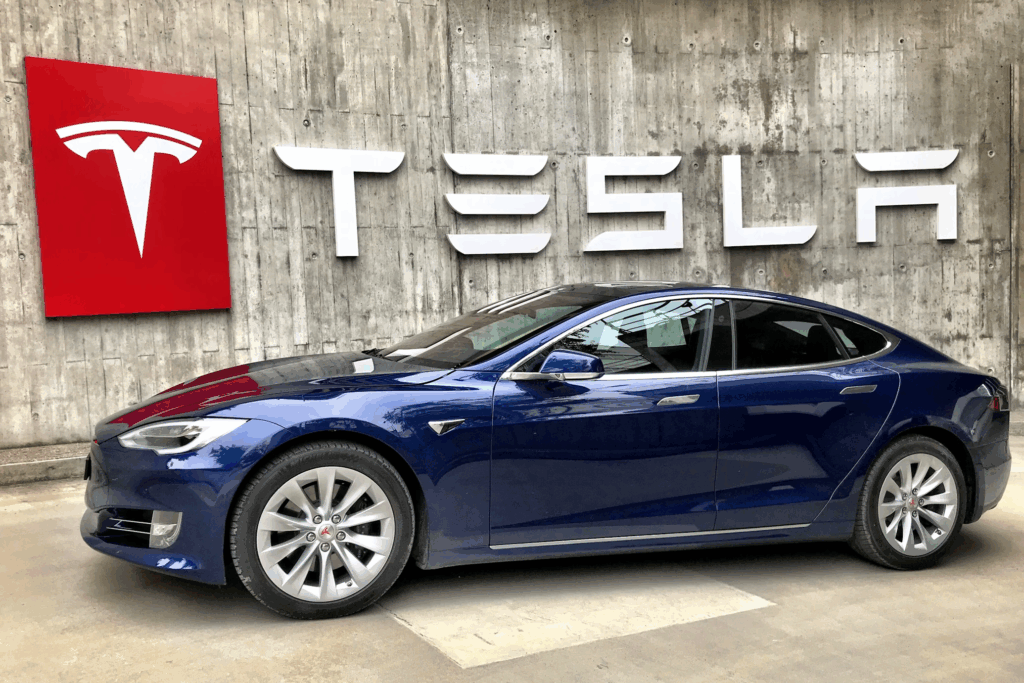
Tesla has always positioned itself as a leader in sustainable transportation, with its electric vehicles (EVs) marketed as a way to reduce global carbon emissions. However, as EV adoption accelerates in Europe, governments are shifting focus beyond tailpipe emissions to the entire lifecycle of EVs — including battery sourcing, recycling, and end-of-life management.
Recent EU policy updates have put Tesla, along with other automakers, under stricter scrutiny. The company must now adapt to new battery recycling mandates, supply chain transparency laws, and carbon footprint disclosures that will significantly affect its European operations.
Background: Tesla and Sustainability
-
Tesla’s mission: “to accelerate the world’s transition to sustainable energy.”
-
Achievements so far: Large-scale Gigafactories in Germany, renewable energy initiatives, and efforts to close the loop on battery materials.
-
Criticism: While EVs reduce emissions during use, the mining of lithium, cobalt, and nickel raises questions about environmental and social costs.
The New EU Mandates
1. EU Battery Regulation 2024–2030
-
Requires EV makers to meet specific targets for battery recycling efficiency.
-
Mandates use of recycled materials: lithium (6% by 2030), cobalt (16%), nickel (6%).
-
Companies must provide a digital battery passport detailing origin, composition, and carbon footprint.
2. Carbon Footprint Reporting
-
Automakers must disclose the lifecycle CO₂ emissions of their vehicles.
-
Pressure on Tesla to prove its Gigafactories operate with renewable energy and minimal waste.
3. Supply Chain Audits
-
Tesla must show that its raw material sourcing avoids child labor and environmentally destructive practices.
-
Tighter enforcement in cobalt and nickel supply chains, which affect Tesla’s long-term contracts.
Challenges Tesla Faces
-
Scale of Compliance: Meeting recycling and reporting standards across thousands of vehicles sold annually in Europe.
-
Gigafactory Berlin: Needs investment in on-site recycling and renewable integration.
-
Competition: European automakers like Volkswagen and Renault are aligning closely with EU standards, potentially putting Tesla at a disadvantage if it lags in transparency.
-
Costs: Compliance will likely increase production costs, pressuring Tesla’s margins in an already competitive EV market.
Opportunities for Tesla
-
Vertical Integration: Tesla can leverage its control over design, manufacturing, and battery development to adapt faster than traditional automakers.
-
Recycling Innovation: Partnerships with companies like Redwood Materials could help Tesla exceed EU recycling targets.
-
Brand Positioning: If Tesla meets or surpasses EU standards early, it could strengthen its image as the most sustainable automaker.
Industry and Consumer Impact
-
Industry: These mandates may accelerate a broader shift toward circular economy practices in EV production.
-
Consumers: Transparency around sourcing and emissions could influence purchasing decisions, especially in sustainability-conscious European markets.
-
Policy: Europe’s stricter stance could inspire similar laws in the U.S., creating a global ripple effect.
Conclusion
Tesla’s push into Europe brought major growth, but the sustainability narrative is entering a new chapter. The EU’s regulations are no longer satisfied with zero tailpipe emissions — they demand accountability from mine to recycling bin. For Tesla, this is both a challenge and an opportunity: adapt quickly, prove leadership in sustainable manufacturing, and solidify its place in Europe’s green future.
FAQ
Q1: What is the EU’s new battery recycling law?
It sets mandatory recycling efficiency targets and requires EV makers to include a certain percentage of recycled materials in new batteries.
Q2: How will this affect Tesla buyers in Europe?
Buyers may see higher upfront costs, but also gain more transparency about where materials come from and the overall carbon footprint of their vehicle.
Q3: Will Tesla meet these sustainability targets?
Tesla has advantages through vertical integration and partnerships, but meeting all requirements will require significant investment in recycling and supply chain monitoring.
Q4: Could these rules spread outside Europe?
Yes. Policymakers in the U.S. and Asia are closely watching Europe’s lead, and similar mandates may follow.
Q5: Does this mean EVs are no longer “green”?
No — EVs remain cleaner over their lifecycle than gas vehicles, but regulators want to ensure the entire supply chain is sustainable, not just the driving phase.