
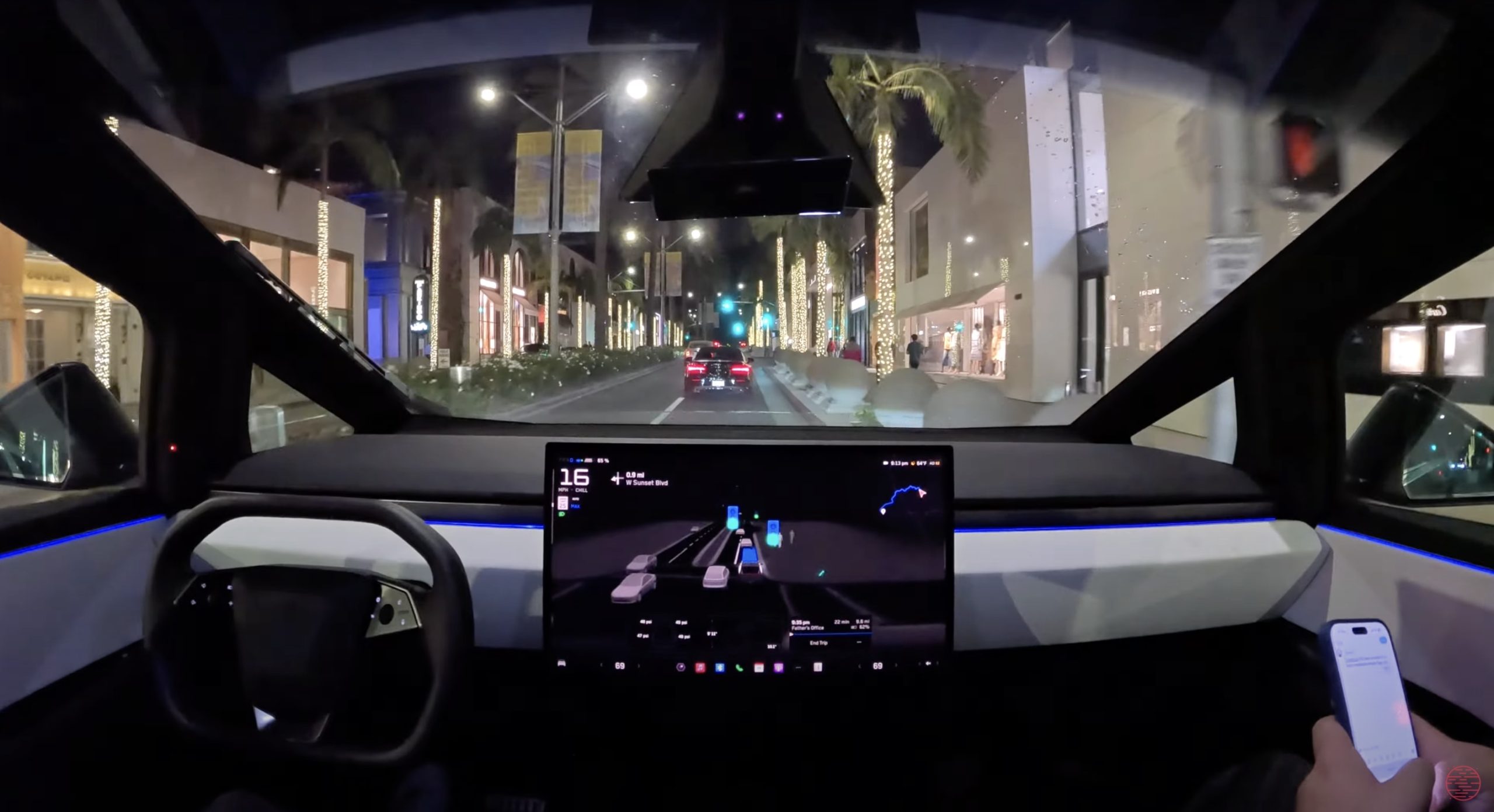
Tesla’s Full Self-Driving (FSD) system has long been at the forefront of autonomous driving innovation. As electric vehicles proliferate across the globe, Tesla is leveraging FSD not only as a feature but as a strategic differentiator that sets the company apart from traditional automakers. Initially launched in the U.S., the system allows Tesla owners to experience advanced driver assistance and, in select cases, semi-autonomous navigation with minimal human intervention.
The expansion of FSD into Europe represents a critical step in Tesla’s global strategy. European roads present a unique set of challenges, from complex traffic patterns and roundabouts to diverse driving regulations and multilingual signage. Yet, the continent also represents a highly lucrative market, with consumers increasingly seeking sustainable mobility solutions combined with cutting-edge technology.
This article explores the potential and hurdles of Tesla’s FSD rollout in Europe, examining the technological framework, regulatory environment, market readiness, and broader economic implications. It aims to provide a comprehensive understanding of what Tesla FSD means for European drivers, the EV ecosystem, and the automotive industry at large.
1. Tesla’s FSD Technology Overview
Tesla’s Full Self-Driving system is a collection of hardware and software designed to achieve higher levels of vehicle autonomy. It builds on Tesla’s base Autopilot system but incorporates advanced features aimed at reducing human intervention under controlled conditions.
Autopilot vs FSD
While many Tesla vehicles come standard with Autopilot, which enables adaptive cruise control and lane-keeping, FSD introduces:
-
Navigate on Autopilot: Guides vehicles from highway on-ramps to off-ramps, including lane changes.
-
Automatic Lane Changes: Facilitates overtaking and merging with minimal driver input.
-
Autopark: Handles parallel and perpendicular parking automatically.
-
Summon & Smart Summon: Allows the car to navigate short distances in parking lots to pick up or drop off the driver.
-
Traffic Light and Stop Sign Control: Recognizes signals and stops appropriately.
These features collectively position FSD as one of the most sophisticated driver-assist technologies currently available, even if it falls short of full Level 5 autonomy.
FSD Beta: Real-World Testing
Tesla’s FSD Beta program allows selected drivers in the U.S. to test new features under real-world conditions. Data collected from these tests is crucial for refining the AI algorithms that power FSD.
Key capabilities include:
-
Understanding complex intersections and roundabouts
-
Predicting the behavior of other road users
-
Making dynamic lane adjustments based on traffic flow
The European rollout will likely follow a similar phased approach, with selected regions and vehicles participating first to ensure safety and compliance with local regulations.
Hardware and Software Enhancements
Tesla’s FSD relies on a combination of:
-
Full Self-Driving Computer (HW3 and upgraded HW4 variants): Provides neural processing power necessary for real-time decision-making.
-
Camera-First Approach: Tesla uses eight external cameras, ultrasonic sensors, and radar (on older models) to understand the vehicle’s surroundings.
-
Neural Networks and AI: Continuous software updates allow the system to learn from millions of miles driven by Tesla vehicles globally.
Recent updates have improved lane recognition, object avoidance, and predictive modeling, enabling smoother navigation on complex urban roads—a key requirement for European driving conditions.
Limitations
Despite its advanced capabilities, FSD is not without limitations:
-
Not Fully Autonomous: Drivers must remain attentive and ready to intervene.
-
Edge Cases: Complex weather, construction zones, and unusual road layouts may challenge the system.
-
Legal Constraints: Current regulations in Europe restrict the level of autonomy Tesla can deploy initially.
Tesla’s challenge lies in bridging the gap between U.S.-tested FSD and the diverse and highly regulated European road environment.
2. The European Regulatory Environment
Expanding Tesla FSD into Europe requires navigating a complex regulatory landscape. Unlike the United States, where state-level regulations dominate, Europe relies on a combination of EU-wide directives and country-specific rules that govern vehicle safety, autonomous driving, and liability.
EU-Level Framework
The European Union has established strict guidelines for automated driving systems to ensure safety, interoperability, and consumer protection. Key elements include:
-
UNECE Regulations: Many European countries follow United Nations Economic Commission for Europe (UNECE) standards, which define levels of automation and safety requirements.
-
Type Approval: Before FSD can operate in Europe, Tesla vehicles must pass type approval tests that assess system reliability under European traffic conditions.
-
Data Privacy Compliance: EU’s GDPR (General Data Protection Regulation) imposes strict rules on data collection, storage, and usage, affecting how Tesla can gather driving data for FSD training.
Country-by-Country Differences
Even within the EU, rules vary significantly:
-
Germany: Requires approval from the Federal Motor Transport Authority (KBA) and maintains strict liability standards for driver-assist systems. Tesla may face additional hurdles for FSD Beta deployment.
-
United Kingdom: Post-Brexit regulations allow for autonomous driving testing under specific conditions, emphasizing safety and liability considerations.
-
France and Netherlands: Encourage EV adoption and pilot programs for autonomous vehicles, but require rigorous testing on public roads.
Implications for Tesla
Regulatory complexity means Tesla must implement a phased rollout strategy. The company may start in countries with more flexible pilot programs and gradually expand as approvals are obtained elsewhere. Additionally, local law enforcement and insurance frameworks will play a role in determining how FSD is marketed and legally recognized.
3. Consumer Demand and Market Readiness
Understanding European consumer behavior is crucial for Tesla’s FSD expansion. While technology adoption is high, autonomous driving remains a cautious proposition for many drivers.
Attitudes Toward Autonomy
European drivers value safety, transparency, and control:
-
Surveys indicate that most consumers are interested in autonomous driving features but expect full regulatory approval before relying entirely on automated systems.
-
Trust varies by country, with Nordic countries showing higher acceptance due to advanced infrastructure and widespread EV adoption, while Southern Europe exhibits more skepticism.
Perceived Value of FSD
Tesla owners often see FSD as both a convenience feature and a potential investment:
-
Subscription Model: Tesla’s FSD subscription allows flexibility for those hesitant to purchase outright, reducing financial risk.
-
Long-Term Benefits: Potential for lower insurance premiums, reduced driver fatigue, and enhanced vehicle resale value.
Market Adoption Compared to the U.S.
European adoption may initially lag behind the U.S. due to stricter regulations and more diverse driving conditions. However, Europe’s dense urban areas and reliance on EVs make it a high-impact market once FSD is fully operational. Tesla’s network of Superchargers, combined with FSD features, positions the company to influence consumer perception and accelerate adoption.
Infrastructure Considerations
FSD’s effectiveness depends on road infrastructure, including:
-
Clear lane markings and standardized signage
-
Smart traffic systems for signal communication
-
Road mapping data for AI training
Tesla’s continuous software updates and extensive real-world data collection will be critical to adapting FSD to Europe’s unique conditions.
4. Technical Challenges in Europe
Deploying Tesla’s Full Self-Driving (FSD) system in Europe presents unique technical challenges that differ significantly from the U.S. environment. Europe’s diverse road conditions, languages, and traffic regulations require Tesla to adapt its AI and vehicle systems for safe and efficient operation.
Complex Road Environments
European roads are often narrower, older, and more complex than American highways. Key challenges include:
-
Roundabouts: Common throughout Europe, roundabouts require dynamic decision-making and continuous attention to multiple entry and exit points.
-
Historic City Centers: Many European cities have cobblestone streets, tight turns, and mixed-use zones with pedestrians, cyclists, and vehicles sharing space.
-
Variable Lane Markings: Older roads often lack consistent lane markings or have faded paint, complicating lane recognition for camera-based AI systems.
Multilingual Signage and Localization
European countries use multiple languages on traffic signs, which requires FSD’s neural networks to correctly interpret commands in local languages. Tesla must train the system to recognize variations in signage, symbols, and road markings across dozens of countries.
Data Collection Under GDPR
Europe’s General Data Protection Regulation (GDPR) imposes strict requirements on how Tesla collects, stores, and uses driving data. Unlike the U.S., where real-world driving data can be aggregated relatively freely, Europe mandates:
-
Explicit driver consent for data collection
-
Anonymization of personal data
-
Limitations on cross-border data transfer
These regulations add layers of complexity to AI training, slowing iterative improvements that Tesla typically achieves in the U.S.
Infrastructure Readiness
Autonomous driving relies on compatible infrastructure to operate safely. Europe presents a mixed landscape:
-
Advanced Smart Roads: Some countries like the Netherlands and Germany have begun deploying smart infrastructure, including V2X communication, that can enhance FSD performance.
-
Limited Coverage Elsewhere: Many regions still lack standardized road sensors, signaling technology, or mapping precision, requiring Tesla to rely entirely on its onboard perception system.
Weather and Environmental Factors
European climates vary widely, from heavy snow in Scandinavia to frequent rain in the UK and Northern France. These conditions challenge FSD’s camera-based system, requiring robust image recognition and adaptive behavior. Tesla’s software must account for low visibility, slippery surfaces, and seasonal changes in driving conditions.
5. Competition in the Autonomous Driving Space
Tesla’s FSD is not the only player in Europe’s autonomous driving ecosystem. Competitors include both legacy automakers and technology-focused startups, each with unique strategies and capabilities.
Traditional Automakers
-
Mercedes-Benz: Offers advanced driver-assist systems with Level 2 automation, including lane keeping, adaptive cruise, and some semi-autonomous features in urban environments.
-
BMW: Invests heavily in AI-based navigation and driver support, with a focus on premium integration and safety.
-
Volkswagen Group: Through brands like Audi and VW, they are deploying semi-autonomous systems, targeting both comfort and driver assistance in city and highway conditions.
Tech Startups and New Entrants
-
Waymo Europe (in partnership with local companies): Focuses on fully autonomous ride-hailing and fleet solutions in pilot cities.
-
Aurora, Zoox, and Mobileye: Although mostly U.S.-based, they are exploring European collaborations and offering autonomous technology to automotive partners.
Tesla’s Competitive Edge
Tesla differentiates itself through:
-
OTA Updates: Continuous software improvements allow vehicles to gain new capabilities without hardware changes.
-
Integrated EV Ecosystem: Tesla combines FSD with energy storage, charging networks, and vehicle software for a seamless user experience.
-
Extensive Real-World Data: Millions of miles driven globally feed AI models, giving Tesla an advantage in predicting complex road scenarios.
Despite growing competition, Tesla’s first-mover advantage and vertically integrated approach give it a strong position to scale FSD in Europe faster than many competitors.
6. Economic and Strategic Implications
Tesla’s FSD expansion in Europe is not just a technological initiative—it carries significant economic and strategic consequences for both Tesla and the broader automotive industry.
Revenue Potential
Tesla generates revenue from FSD through both one-time purchases and subscription models. The subscription approach allows European consumers to access FSD features without a large upfront cost, reducing barriers to adoption. Analysts estimate that widespread FSD adoption in Europe could generate hundreds of millions in annual revenue, particularly if combined with Tesla’s growing fleet of EVs and Supercharger infrastructure.
Strategic Market Positioning
Deploying FSD in Europe reinforces Tesla’s role as a global EV and autonomous driving leader:
-
By offering features unavailable from local competitors, Tesla strengthens brand loyalty.
-
The data collected from European roads improves Tesla’s AI algorithms, creating a feedback loop that enhances performance worldwide.
-
It positions Tesla to influence regulatory frameworks and standards in Europe, shaping the future of autonomous mobility.
Implications for the European Auto Industry
The rollout of FSD has broader ramifications for European automakers:
-
Pressure to accelerate their autonomous technology programs to remain competitive.
-
Encouragement for governments to invest in smart infrastructure and standardization.
-
Potential for collaboration or competition in AI-driven mobility solutions, including ride-hailing, logistics, and fleet management.
7. The Road Ahead: 2025 and Beyond
Tesla faces both opportunities and challenges as it scales FSD across Europe in the coming years.
Key Milestones
-
Pilot Deployments: Tesla will likely initiate FSD Beta testing in select countries with supportive regulations, including Germany, Netherlands, and Norway.
-
Full Feature Rollout: Gradual expansion to additional countries as type approval, legal compliance, and consumer confidence grow.
-
Hardware Upgrades: Introduction of HW4 systems and continued refinement of sensors will improve reliability and enable higher levels of autonomy.
Policy and Regulatory Developments
European policymakers are expected to evolve autonomous vehicle regulations:
-
Harmonization of standards across EU member states could accelerate Tesla’s expansion.
-
Liability and insurance frameworks will influence adoption, particularly for semi-autonomous driving features.
-
Incentives for EVs and autonomous technologies may support consumer adoption, similar to previous subsidies for electric mobility.
Future Software Capabilities
-
Enhanced navigation for urban centers with complex traffic.
-
Integration with smart city infrastructure for improved safety and efficiency.
-
Expansion of automated fleet services, potentially including shared mobility solutions.
Conclusion
Tesla’s FSD expansion into Europe represents a critical step in the company’s global strategy. By introducing advanced autonomous capabilities in a highly regulated, competitive, and technologically sophisticated market, Tesla demonstrates both its technological leadership and its ability to navigate complex regulatory landscapes.
The European rollout will bring tangible benefits to consumers, including reduced driver fatigue, enhanced safety, and access to advanced vehicle technology. For Tesla, it provides strategic advantages, from revenue growth to data collection that informs global AI improvements.
However, the challenges are substantial: diverse road conditions, stringent regulations, privacy concerns, and competition from both legacy automakers and tech startups. Success will require careful planning, ongoing innovation, and effective collaboration with regulators.
Ultimately, Tesla’s FSD expansion in Europe highlights the company’s vision of a fully autonomous, globally integrated EV ecosystem. It marks a significant milestone in the evolution of both the European automotive market and the future of mobility worldwide.
FAQ
Q1: What is Tesla FSD and how is it different from Autopilot?
FSD includes advanced features like Navigate on Autopilot, automatic lane changes, autpark, traffic light and stop sign control, and summon features, whereas Autopilot mainly handles adaptive cruise control and lane-keeping.
Q2: When will Tesla FSD be available in Europe?
Tesla plans a phased rollout starting with pilot programs in countries like Germany, Netherlands, and Norway, with wider availability expected by 2026–2027.
Q3: What are the main challenges for FSD in Europe?
Key challenges include complex road conditions, multilingual signage, strict data privacy laws, diverse regulatory frameworks, and variable infrastructure.
Q4: How does Tesla’s FSD compare to European competitors?
Tesla has advantages in real-world AI data, over-the-air software updates, and integration with the EV ecosystem, although competitors are rapidly improving autonomous features.
Q5: Will FSD increase vehicle costs in Europe?
FSD is available via one-time purchase or subscription, allowing flexibility. While it adds value, the subscription model reduces upfront costs for consumers.