
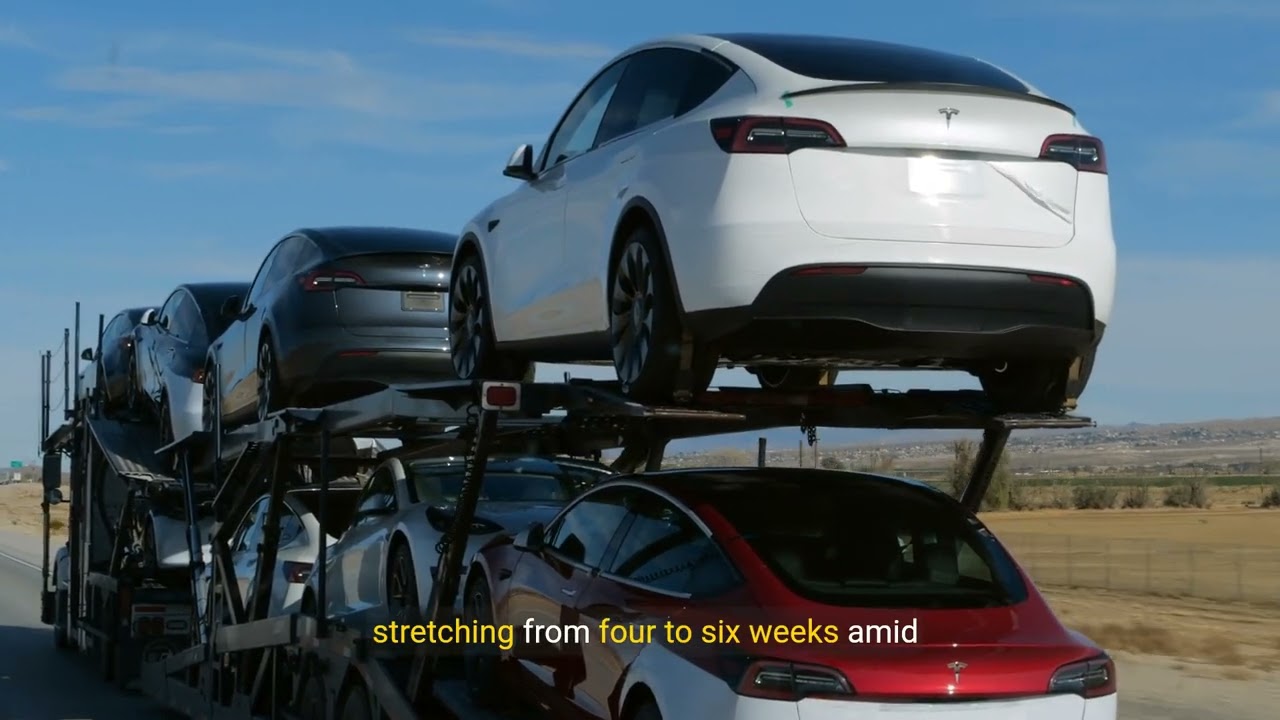
Tesla has once again demonstrated its resilience and growth, posting a 7% increase in vehicle deliveries for Q3 2025. The company delivered 497,099 vehicles, surpassing analyst expectations and reaffirming its dominance in the electric vehicle (EV) market. This surge in sales has been largely attributed to the expiration of the U.S. federal EV tax credit on September 30, 2025, which prompted a rush of consumer purchases as buyers scrambled to take advantage of the tax break before it expired.
In this article, we will explore the dynamics behind this surge in sales, analyze how the expiration of the EV tax credit impacted consumer behavior, and examine what this means for Tesla’s future performance.
Section 1: Understanding the EV Tax Credit
The U.S. government has been incentivizing the adoption of electric vehicles through various federal tax credits, with the most notable being the $7,500 EV tax credit. This credit was introduced as part of efforts to reduce carbon emissions and promote clean energy. However, as with most government incentives, there are specific eligibility criteria that automakers and consumers must meet in order to qualify for this credit.
As of September 30, 2025, this credit was set to expire, marking a significant shift in the EV market landscape. For many consumers, this deadline acted as a tipping point to purchase their Tesla vehicles before the credit was phased out.
1.1. Details of the $7,500 Federal EV Tax Credit
The $7,500 credit has been a key factor in driving EV adoption in the U.S., significantly lowering the purchase price of electric vehicles. To qualify, the vehicle must meet specific criteria, such as a minimum battery capacity, a manufacturer’s production cap, and income restrictions for the buyer.
For Tesla, this credit provided a substantial financial incentive for customers, lowering the upfront cost of vehicles like the Model 3 and Model Y, which are already among the most affordable EV options on the market. This made Tesla's vehicles even more attractive to potential buyers.
1.2. Expiration and the Rush to Purchase
With the tax credit set to expire on September 30, Tesla saw a significant uptick in consumer interest, especially in the last few days leading up to the deadline. Buyers were eager to take advantage of the savings, which led to a record number of vehicles being delivered by Tesla.
The urgency created by the expiration led to a flurry of online and in-store sales activity, particularly in the U.S. market, where Tesla's pricing is most sensitive to such tax incentives.
Section 2: Consumer Behavior and Market Dynamics
The expiration of the EV tax credit not only had immediate financial implications but also influenced the behavior of Tesla customers. The surge in deliveries during Q3 2025 is a testament to how critical such incentives are in shaping the purchasing decisions of potential EV buyers.
2.1. The Consumer Rush to Beat the Deadline
For many buyers, the $7,500 tax credit represented a significant savings. As the expiration date approached, consumers who had previously delayed purchasing a Tesla due to financial reasons or uncertainty about the future of incentives rushed to finalize their orders. This panic buying scenario pushed Tesla to its limits in terms of production and delivery capacity.
In response, Tesla streamlined its operations and ramped up production in order to meet the increased demand. The company’s ability to handle this influx of orders is a testament to its growing operational efficiency and the scalability of its manufacturing processes.
2.2. The Influence of Government Incentives on EV Adoption
Government incentives like the EV tax credit have played a crucial role in accelerating the adoption of electric vehicles. While Tesla’s vehicles remain highly competitive on their own merits, the added financial relief from the tax credit made them even more accessible to a wider range of consumers.
However, as the tax credit expires, it raises the question of whether this rush of sales is sustainable in the long term. Will Tesla continue to see strong sales without the financial cushion that the credit provided, or will we see a slowdown in consumer interest as the EV market becomes less reliant on government intervention?
Section 3: Regional Sales Performance
Tesla’s ability to scale its operations to meet the surge in demand during Q3 2025 has not been limited to the U.S. market. The company’s global presence means that demand for Tesla vehicles is high in several key regions, including Europe, China, and other parts of the world.
3.1. U.S. Sales Surge
In the U.S., Tesla’s sales numbers shot up in the weeks leading to the expiration of the tax credit. Consumers in the U.S. were the most affected by the tax credit’s expiration, and the result was an unprecedented rush to purchase before the deadline.
The Model 3 and Model Y were particularly popular during this period, with many buyers opting for these affordable, high-performance vehicles. Tesla's ability to meet this demand demonstrates the company's well-oiled sales and distribution network in the U.S.
3.2. European Sales Dynamics
In Europe, the expiration of the EV tax credit had a slightly less dramatic impact due to different tax incentives and government policies in place. While the financial benefit of the U.S. tax credit did not apply in the same way in Europe, Tesla still saw an increase in sales during the quarter.
The growing demand for electric vehicles in Europe, driven by stricter emissions regulations and increasing environmental awareness, has been a key factor in Tesla’s growth in this region. Tesla’s ability to offer vehicles with long-range capabilities, coupled with its vast Supercharger network, makes it an attractive option for European buyers.
3.3. Global Expansion and Future Growth
Tesla’s expansion into new international markets has played a crucial role in its overall growth. While U.S. sales are still a significant portion of the company’s deliveries, Europe and China are increasingly becoming important markets. The demand for Tesla’s vehicles in these regions continues to grow, thanks in part to favorable government policies and increasing awareness about climate change.
Section 4: Implications for Tesla's Future
The record sales performance in Q3 2025 highlights Tesla's continued dominance in the EV market. However, the expiration of the EV tax credit presents both challenges and opportunities for the company.
4.1. Impact of Expiring Incentives
While Tesla's ability to generate record sales figures thanks to the expiring EV tax credit is impressive, it remains to be seen how the company will perform without this incentive. The expiration could lead to a decrease in sales, particularly for buyers who were previously on the fence about purchasing an EV.
4.2. Strengthening Tesla’s Market Position
Despite the potential for a sales slowdown, Tesla’s position in the market remains strong. The company’s brand reputation, cutting-edge technology, and expanding network of Superchargers give it an edge over its competitors. Furthermore, Tesla’s efforts in battery technology and autonomous driving features will likely continue to drive consumer demand in the long term.
Conclusion
The 7% surge in Tesla’s Q3 2025 vehicle deliveries is a remarkable achievement, but it also underscores the important role that government incentives play in shaping consumer behavior. While the expiration of the $7,500 EV tax credit poses challenges, Tesla’s ability to navigate these changes and maintain its leadership in the EV market remains a testament to the company’s innovation and operational efficiency.
As Tesla looks ahead, the company must adapt to a future where government incentives are less prominent and consumers make purchasing decisions based on factors like performance, price, and brand loyalty. The next few quarters will reveal how Tesla continues to thrive in a rapidly evolving global EV landscape.
FAQ
1. Why did Tesla see a surge in sales in Q3 2025?
The surge was largely driven by the expiring $7,500 federal EV tax credit, prompting consumers to purchase Tesla vehicles before the expiration deadline.
2. How does the EV tax credit work?
The federal EV tax credit provides a $7,500 discount on the purchase of electric vehicles, which Tesla buyers were eligible for if they met specific criteria.
3. Will Tesla's sales continue to grow after the tax credit expires?
While there may be some slowdown in sales due to the expiration, Tesla’s strong brand, innovative technology, and expanding market presence suggest it will remain a leader in the EV sector.
4. How did the expiration of the EV tax credit affect U.S. and European sales?
The expiration had a more significant impact on U.S. sales, where the tax credit was a major factor. European sales were less affected, as different incentives apply in that region.
5. What are Tesla’s future prospects post-tax credit?
Tesla will likely continue to perform well due to its advanced technology, strong consumer demand, and expanding global market. However, it may face challenges as the market becomes less reliant on government incentives.