
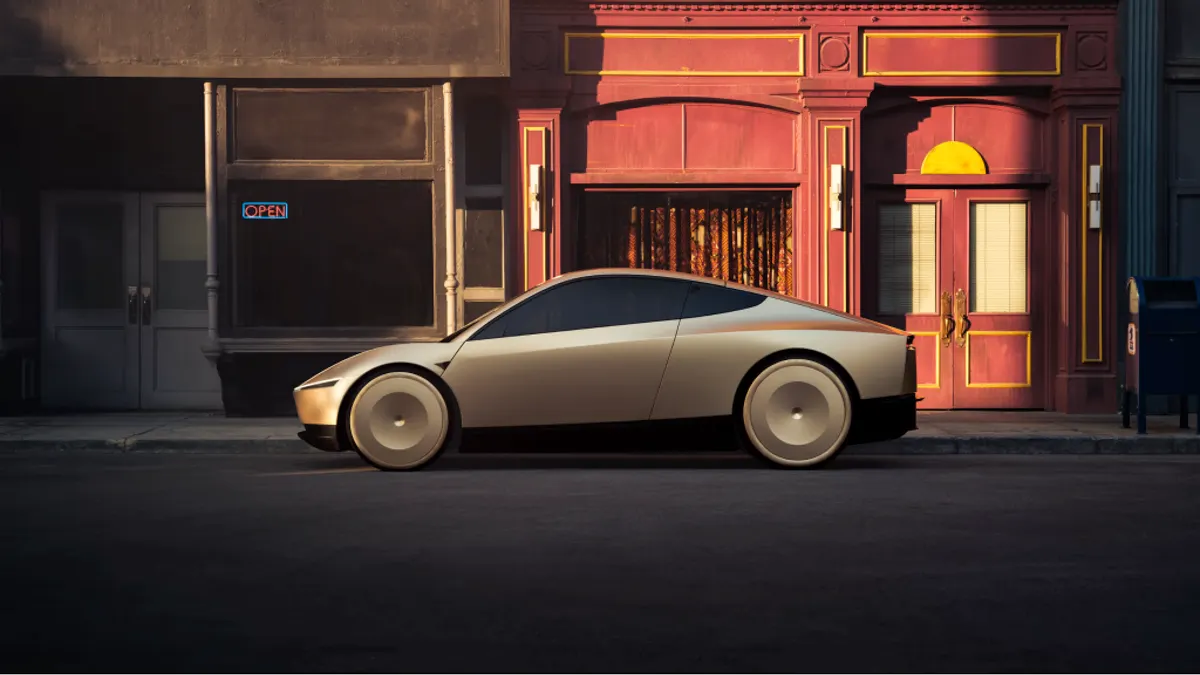
On June 22, 2025, Tesla quietly launched its long-awaited robotaxi service in South Austin, Texas. Operating under an invite‑only model, the service deploys a fleet of Model Y vehicles retrofitted with Tesla’s Full Self‑Driving (FSD) hardware and a new “Safety Monitor” onboard. Enthusiasts and investors hailed this as the true beginning of Tesla’s path to commercialization of autonomous ride‑hailing. Yet within weeks, user reports, local media, and regulatory filings have painted a mixed picture: impressive autonomous mileage logged, but frequent safety monitor interventions and a handful of on‑road hiccups. This article unpacks the service model, examines vehicle performance and human oversight, dives into emerging regulatory debates, analyzes early rider sentiment, and considers what Tesla must solve to scale beyond Austin.
I. Service Model & Fleet Composition
-
Invite‑Only Launch Mechanics
-
Selection Criteria: How Tesla chose early adopters (longtime FSD beta testers, local Tesla clubs, referral program).
-
Booking Process: In‑app reservation flow, pricing structures, and dynamic surge pricing trials.
-
-
Fleet Details
-
Vehicle Base: Mid‑range Model Y Long Range RWD, equipped with HW 4.0 sensor suite and groove‑patterned all‑season tires for optimal lidar‑less detection.
-
Safety Monitor Retrofit: Interior camera facing the driver’s seat, added capacitive seat sensors, and a dedicated on‑board Nvidia Drive Orin computer for real‑time monitoring.
-
-
Operational Geography
-
Geofenced Area: Roughly 35 square miles south of downtown Austin (including South Congress, Travis Heights, and portions of Zilker); chosen for mix of urban, suburban, and highway roads.
-
Highway Routing vs. City Streets: Segregation of service tiers—“A‑tier” trips limited to highways and major arterials, “B‑tier” covering all geofenced roads.
-
-
Pricing & Economics
-
Base Fare & Per‑Mile Rates: $3.00 base + $0.75/mile, comparable to local rideshare but without surge fees initially.
-
Profitability Model: Tesla’s projections for unit economics based on utilization rates, energy costs ($0.15/kWh), and maintenance reserves.
-
-
Early Utilization Stats
-
Miles Driven: Over 50,000 autonomous miles logged in first two weeks.
-
Trip Volumes: Approximately 1,200 trips completed; average trip length 9 miles.
-
Utilization Rate: Fleet in active service ~12 hours/day, reflecting high initial interest but limited supply.
-
II. Safety Monitor System & Human Oversight
-
Role of the Safety Monitor
-
Primary Duties: Vigilant supervision of autonomous driving, ready to take over via steering wheel torque or emergency stop.
-
Training & Certification: Tesla’s internal “Autonomy Supervisor” course—40 hours of simulator time, hazard perception drills, and escalation protocols.
-
-
Hardware & UI Feedback
-
In‑Cabin Camera: Tracks monitor’s eye gaze, head position, and hand proximity to steering wheel. Alerts triggered by four seconds of gaze away.
-
Visual & Audible Alerts: Color‑coded warnings on center display; escalating chimes if hands remain off wheel.
-
-
Intervention Metrics
-
Intervention Types: Soft prompts (25%), hands‑on prompts (45%), full disengagements (30%).
-
Common Scenarios: Misreads of construction zones, abrupt lane changes by other vehicles, false detections of stationary objects.
-
-
Incident Case Studies
-
Case A: Phantom Braking on MoPac: Safety monitor took over when car braked unexpectedly near storm drain cover, likely due to sensor glare.
-
Case B: Ramp Merge Overshoot: Monitor intervened to steer onto wrong offramp when overhead signage occluded camera view.
-
Case C: Pedestrian Spotted: Vehicle performed proper yield, but monitor had to re‑align after sudden jaywalking in downtown Fourth Street district.
-
-
Monitor Workload & Fatigue
-
Shift Durations: Monitors work 4 hours on, 2 hours off; eye‑strain and situational awareness training.
-
Ergonomic Considerations: Adjustable seats, blue‑light filtering glasses, and periodic VR‑based attention re‑training.
-
III. Regulatory Scrutiny & NHTSA Involvement
-
Local Permitting & Oversight
-
Austin Transportation Department: Temporary special operating permit issued under city code Section 14‑10‑26; 90‑day pilot.
-
Data Sharing Requirements: Tesla must upload all disengagement logs, incident footage, and near‑miss reports weekly.
-
-
State & Federal Interface
-
Texas Department of Motor Vehicles (TxDMV): Requires proof of $5 million liability coverage per vehicle; Tesla’s entity “NextGen Mobility LLC” holds statewide permit.
-
NHTSA Monitoring: Office of Defects Investigation opened a preliminary assessment into one minor bump report—but no formal recall.
-
-
Comparison to California AV Policies
-
CA DMV AV Testing: Publicly reporting disengagement stats by type; Tesla’s data currently only shared with regulators, not public.
-
Permit Limits: California allows driver‑ed vehicles only; Tesla’s dual‑control approach would require separate approval.
-
-
Upcoming Legislative Debates
-
Federal AV Safety Framework Revision: Discussion in Congress to update the 2016 AV Policy; potential mandates on driver‑monitor systems.
-
Privacy & Data Use: Texas law permits in‑cab recording with consent; EU GDPR would prohibit unstored biometric data—hindering European rollouts.
-
-
Safety Standards & Liability Questions
-
Who’s at Fault? In case of a collision, Tesla’s terms push liability to “safety monitor” when engaged; insurers are still evaluating.
-
Minimum Safety Monitor Qualifications: Debate whether non‑Tesla‑trained drivers could ever serve as monitors, or if standards must be codified.
-
IV. User Experience & Public Perception
-
Rider Testimonials
-
Positive Highlights: Smooth highway cruising, hands‑free convenience, novelty factor.
-
Criticisms: Occasional abrupt braking, cautious lane‑changing, long wait times for pickup.
-
Representative Quote: “It’s like having a super‑safe chauffeur, but still not as seamless as human drivers in complex city traffic.”
-
-
Media Coverage
-
Tech Press: Articles praising Tesla’s bold step, but noting risk-averse driving behavior reduces trip efficiency.
-
Local News: Coverage of inaugural rides, human interest stories of testers, and interviews with safety advocates.
-
-
Social‑Media Sentiment
-
Reddit r/TeslaMotors Threads: Heated debates over FSD reliability; some share video clips of “ghost-braking.”
-
X (formerly Twitter) Polls: 64% of polled users said they’d try robotaxi; 22% expressed safety concerns; 14% unwilling to ride.
-
-
Competitive Benchmarking
-
Waymo One (Phoenix): Fully driverless zones vs. Tesla’s human‑monitored approach—users cite Waymo’s smoother performance in known corridors.
-
Cruise (SF): Smaller geofence but higher average speed in mixed traffic; Tesla vs. Cruise brand perceptions.
-
-
Brand Impact
-
Tesla Enthusiasts: Generally supportive, viewing early hiccups as acceptable in beta.
-
General Public: Mixed; novelty overshadowed by cautionary tales in today’s 24‑hour news cycle.
-
Conclusion
Tesla Austin robotaxi pilot marks a watershed in ride‑hailing: the first time a major automaker has blended consumer‑grade EVs, advanced autonomy hardware, and in‑cab human supervision at scale. Early statistics—over 50,000 miles and 1,200 trips in two weeks—demonstrate Tesla’s operational readiness, yet the high rate of safety monitor interventions underscores critical limitations in real‑world complexity. Regulatory bodies are watching closely, with Texas granting special permits but federal agencies reserving the right to step in. Riders appreciate the novelty and highway performance but remain wary in dense urban settings. For Tesla to scale nationally—and eventually globally—several boxes must be checked: reducing disengagements through software refinements, codifying robust safety‑monitor training, forging clear liability frameworks, and tailoring policies to local privacy laws. As the pilot transitions from invite‑only to public availability, Tesla’s agility in addressing these growing pains will determine whether it truly revolutionizes urban mobility—or simply adds another data point in the long saga of autonomous driving experiments.
FAQ
-
Who is eligible to ride Tesla’s robotaxi in Austin?
Early access is by invitation only—primarily extended to FSD beta testers and select Tesla owners in Travis and Hays counties. Public signup is expected in Q4 2025. -
What training do safety monitors undergo?
Tesla’s proprietary program includes simulator time, in-vehicle hazard drills, and quarterly re-certification; monitors must demonstrate sub-2-second takeover times. -
How much does a robotaxi trip cost compared to human‑driven rideshares?
Initial pricing matches mid-tier Uber/Lyft rates ($3 base + $0.75/mile) with no surge; discounts are offered for high‑frequency testers. -
Can a robotaxi operate without a safety monitor?
Not during the pilot. Regulatory approval for fully driverless operation is pending at both state and federal levels. -
What happens if the car encounters an unexpected obstacle?
The FSD stack attempts to brake and avoid; if confidence falls below threshold, the safety monitor is alerted to take control. -
Are trip and sensor logs shared publicly?
Not currently—Tesla shares data only with regulators under confidentiality agreements. Public disclosure may occur after pilot review. -
How does Tesla’s approach differ from Waymo or Cruise?
Tesla leverages its existing customer vehicles with human safety backup; Waymo/Cruise use AV‑dedicated fleets without on‑board safety drivers. -
When will Tesla expand robotaxis beyond Austin?
Tesla aims to announce the next city by late Q4 2025—candidates include Miami, Phoenix, and select European test zones.