
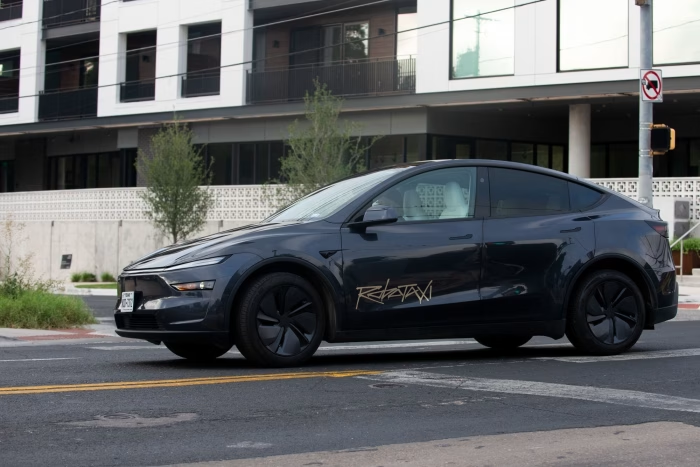
Introduction: A Major Turning Point
Tesla’s Robotaxi program has long been one of the most ambitious projects in the automotive industry. First teased in 2019 by Elon Musk, the vision was simple but transformative: fully self-driving Teslas operating as autonomous taxis, available on demand, and generating revenue for both Tesla and individual owners.
For years, progress has been incremental—invitation-only tests, cautious regulatory pilots, and software updates inching closer to autonomy. But today marks a turning point. Tesla officially opened a public Robotaxi app and waitlist, expanding beyond private invite-only trials. In Austin, Texas, the company is scaling Robotaxi operations, and reports suggest additional U.S. and European cities are next in line.
This shift is more than a technological milestone. It forces Tesla owners, regulators, insurers, and everyday drivers to grapple with immediate questions:
-
How safe are Robotaxis today?
-
When and where will unsupervised driving be legal?
-
Can private Tesla owners participate and earn revenue?
-
What does this mean for urban mobility, resale values, and insurance costs?
This article delivers a deep dive into the state of Tesla’s Robotaxi rollout as of September 2025, its regulatory hurdles, safety implications, and what it means for current and future Tesla owners across the U.S. and Europe.
1. Tesla Robotaxi 101: Clearing Up the Confusion
Before diving into today’s expansion, it’s critical to clarify terminology. Tesla uses terms like “Autopilot,” “Full Self-Driving (FSD),” and “Robotaxi” interchangeably in marketing, but they represent very different capabilities.
-
Autopilot: Tesla’s baseline driver-assist package (adaptive cruise control, lane-keeping). Legally and technically, this is Level 2 automation—meaning the driver must stay attentive and hands-on.
-
Full Self-Driving (FSD): An optional software upgrade that enables advanced driver assistance features, including traffic light recognition, highway navigation, and urban driving capabilities. Even with FSD, human supervision remains legally required in most jurisdictions today.
-
Robotaxi: Tesla’s commercial ride-hailing vision. Robotaxis are intended to operate as Level 4 or Level 5 autonomous vehicles, capable of safely transporting passengers without driver supervision. In practice, most Robotaxi operations today are still supervised pilots, with either safety drivers present or strict geofencing.
Understanding these distinctions is vital for owners, because the regulatory, safety, and insurance implications differ drastically.
2. What Changed Today: The Public App & Austin Expansion
Until now, Tesla’s Robotaxi testing was largely invisible to the public. Participation required an invite, and operations were limited to small fleets under close supervision.
Today’s changes include two major announcements:
-
Public Robotaxi App Launch
-
Tesla rolled out an official Robotaxi app, available on iOS. The app allows the public to join a waitlist for upcoming Robotaxi services.
-
This is the first time Tesla has created a consumer-facing product for Robotaxi, signaling a move from closed pilot testing toward commercial readiness.
-
-
Expansion in Austin, Texas
-
Austin has become Tesla’s testing ground for semi-commercial Robotaxi services. More vehicles are being added to the fleet, and more public riders will gain access through the new app.
-
While still supervised, this expansion moves Robotaxi closer to real-world scale.
-
Together, these steps confirm Tesla’s intent to commercialize Robotaxi services sooner rather than later, even if regulatory approvals mean different speeds of rollout across markets.
3. The Regulatory Patchwork: US vs Europe
Robotaxi adoption isn’t just about software capability. It hinges on regulatory permission. And here, the U.S. and Europe diverge significantly.
United States: A State-by-State Puzzle
-
Texas (where Austin is located) has rules that permit autonomous vehicle testing under certain conditions, but many deployments still require safety oversight.
-
California has allowed companies like Waymo and Cruise to operate limited driverless fleets, but Tesla’s Robotaxi hasn’t been approved for unsupervised use yet.
-
Federal oversight (via NHTSA) sets safety standards but does not directly approve deployments, leaving power with states.
This creates a patchwork system—a Tesla owner in Austin may soon hail a Robotaxi, while an owner in New York or Illinois might wait years.
Europe: Conservative but Structured
-
The EU Commission has published frameworks for automated driving, but member states retain final approval.
-
Germany has strict safety and liability laws, making unsupervised robotaxis unlikely in the near term.
-
France, the Netherlands, and Nordic countries may be more open to pilot programs, especially in urban mobility initiatives.
For European Tesla owners, expect slower but more standardized rollouts, with heavy focus on safety validation and data transparency.
4. Safety & Testing: Separating Hype from Reality
Tesla promotes Robotaxi as safe, but independent validation is scarce. Owners should pay attention to three safety indicators:
-
Disengagement Rates: How often does the system require human intervention per 1,000 miles? Lower rates indicate better performance.
-
Crash Metrics: Tesla reports fewer accidents per million miles with Autopilot engaged, but critics argue these comparisons lack apples-to-apples rigor.
-
Third-Party Audits: Unlike Waymo, Tesla has shared limited public data with regulators. Until independent audits confirm performance, skepticism is warranted.
Supervised vs Unsupervised Safety
-
Supervised Robotaxis (with safety drivers) reduce risk but limit scalability.
-
Unsupervised Robotaxis are Tesla’s true goal—but regulators demand proof they are safer than human drivers. That threshold has not yet been met in Europe or most U.S. states.
Bottom line: Owners should view current Robotaxi rides as beta tests, not finished products.
5. What This Means for Tesla Owners: Opportunities & Risks
One of Musk’s boldest promises has been that Tesla owners could enroll their cars into the Robotaxi network when not in use, generating passive income. But what does that mean in practice?
Opportunities
-
Revenue Potential: In theory, an enrolled Model Y could earn thousands per year in dense urban markets.
-
Faster ROI on FSD: Owners who invested in the expensive FSD package may finally see economic payback.
Risks
-
Increased Wear & Tear: Commercial use means higher mileage, faster battery degradation, and more frequent maintenance.
-
Insurance Complications: Most personal policies don’t cover commercial use. Tesla or third-party insurers will likely offer Robotaxi-specific coverage, at a higher cost.
-
Resale Value Questions: High-mileage Robotaxi Teslas may depreciate faster, hurting owners who exit the program early.
Until Tesla publishes transparent revenue/expense models, owners should approach enrollment cautiously.
6. The Economic Ripple Effect: Beyond Owners
Robotaxis don’t just affect Tesla drivers—they reshape entire ecosystems.
-
Ride-Hailing Industry: Companies like Uber and Lyft face existential threats if Tesla scales Robotaxi successfully.
-
Public Transit: Cities may need to rethink bus and rail investments if cheap robotaxis lure commuters away.
-
Real Estate & Parking: Less need for private car ownership could reduce urban parking demand, reshaping city design.
-
Charging Infrastructure: Robotaxi fleets will require high-throughput Supercharger access, potentially straining networks.
For Tesla owners, this means busier Superchargers, new service priorities, and shifting market dynamics in cities where Robotaxis launch first.
7. Europe vs U.S. Rollout Timelines
-
Near-Term (6–12 months, U.S.): Expect Robotaxi pilots to expand in Austin and possibly California or Nevada. Full unsupervised Robotaxis remain unlikely before 2026.
-
Near-Term (Europe): Small-scale pilots may appear in forward-leaning markets, but EU-wide unsupervised approvals are unlikely before 2027.
Owners in both regions should track local regulatory announcements closely, as approval speed will vary.
8. The Future of Tesla Ownership in a Robotaxi World
If Tesla succeeds, ownership could fundamentally change:
-
Cars may become income-generating assets instead of depreciating ones.
-
Owners could offset monthly payments by lending cars to the Robotaxi network.
-
Alternatively, widespread Robotaxi adoption could reduce private ownership demand, lowering resale values in some markets.
The net effect is uncertain. But one thing is clear: Tesla owners today are on the front line of one of the biggest shifts in automotive history.
Conclusion: What Owners Should Do Now
Tesla’s public Robotaxi app launch is more than a tech demo—it’s a signal that commercialization is near.
For U.S. owners in cities like Austin, Robotaxi services may arrive sooner than expected. For European owners, the path will be slower and more regulated.
Practical owner advice today:
-
Stay updated on software releases and app invitations.
-
Review your insurance coverage before considering enrollment.
-
Watch for transparent revenue/cost models from Tesla.
-
Expect delays and cautious rollouts in Europe.
Tesla is moving fast, but regulators, insurers, and real-world safety data will ultimately determine how quickly Robotaxis reshape our roads.
FAQ
Q1. Can my Tesla become a Robotaxi right now?
Not yet. Tesla has not fully opened owner enrollment. Today’s expansion focuses on Tesla-operated vehicles, with potential owner participation in the future.
Q2. Do I need FSD to participate?
Yes, cars enrolled as Robotaxis will require the latest FSD hardware and software. Older vehicles may not qualify.
Q3. Will this change my insurance?
Yes. Commercial use requires different coverage. Tesla may offer bundled Robotaxi insurance, but expect higher costs.
Q4. When will unsupervised Robotaxis be available in Europe?
Probably not before 2027, depending on country-specific approvals.
Q5. Is Robotaxi safe today?
Supervised Robotaxis are relatively safe, but unsupervised deployment lacks enough independent data for certainty.
Q6. Will Robotaxis hurt Tesla resale values?
It depends. High-mileage Robotaxi vehicles may depreciate faster, but if demand for Robotaxi-ready Teslas rises, values could increase.
Q7. Should I buy FSD now?
If your motivation is income from future Robotaxi use, consider waiting until Tesla clarifies revenue models and regional rollout schedules.