
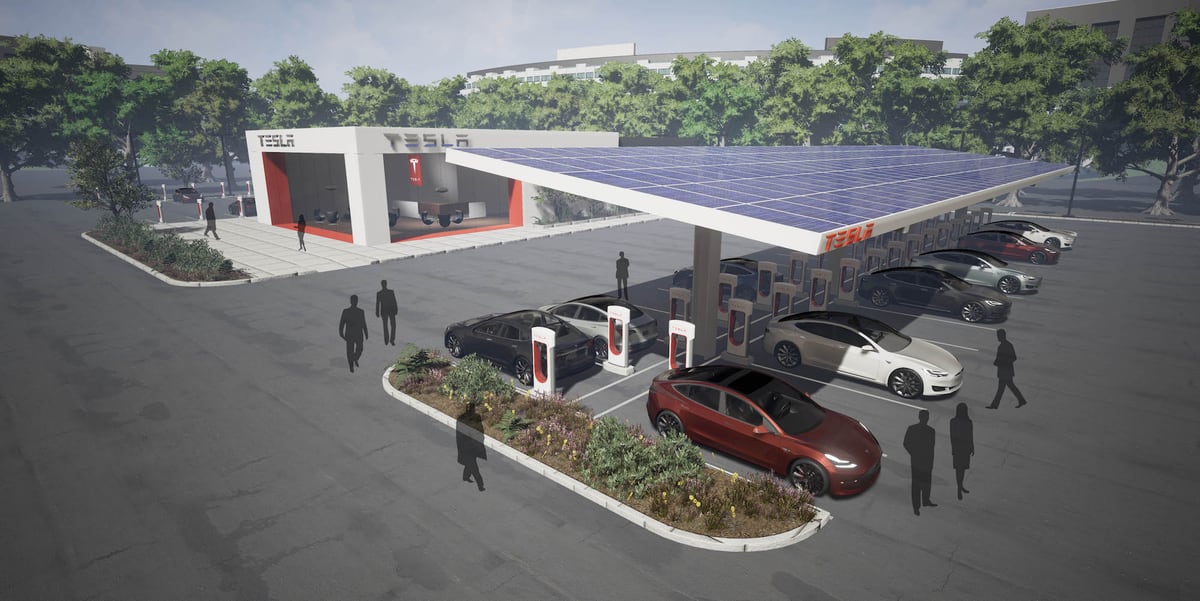
Beyond cars, Tesla is making big moves in energy. The company’s battery storage and solar business have grown rapidly, with energy products accounting for over 10% of revenue in 2024. In Q2 2025 Tesla reported deploying 9.6 GWh of battery storage (Megapacks/Powerwalls) – a 48% year-over-year increase – and is nearing a combined 100 GWh deployed. Concurrently, Tesla is securing large renewable energy contracts: in February 2025 it signed a power purchase agreement to source roughly 130 GWh per year of Spanish solar power for its operations. These developments highlight Tesla’s deepening footprint in the energy markets, both in stationary storage and green power procurement, especially in Europe where renewable mandates are strong.
Battery Storage Growth
-
Massive Deployments: In Q2 2025 Tesla’s grid-scale deployments hit 9.6 GWh, its third-highest quarter ever, bringing the trailing four-quarter total to 37.9 GWh. This surge is driven by demand for grid flexibility and renewables integration. Tesla now has about 83 GWh/year of combined Megapack production capacity (two Nevada plants and Shanghai), with the Nevada sites still ramping up to 40 GWh each. Analysts note Tesla is on track to exceed 100 GWh total deployed soon – a dramatic ramp-up from previous years.
-
Nevada Cell Factory: Complementing storage deployments, Tesla’s first U.S. battery cell plant in Nevada (10 GWh/year LFP cells) is “nearing completion”. When operational, this plant will supply prismatic cells to Tesla’s Megapack factories nearby. It was built using machinery purchased from CATL and reflects Tesla’s strategy to bring more cell production in-house (especially for grid storage, which uses stable LFP chemistry). Completing this plant will reduce reliance on Chinese imports (which faced tariffs) and help localize costs.
Tesla’s Solar and Power Contracts
-
Spain Solar PPA: Tesla has secured a long-term solar power purchase agreement with Zelestra (a Spanish renewables firm) to buy up to 57 MW of capacity from three solar plants. This will supply Tesla with about 130 GWh of clean energy annually. In practice, Tesla will use this green power to offset the consumption of its factories and offices in Spain (and possibly the EU), aligning with sustainability goals. This is one of Tesla’s largest non-vehicle renewable deals to date and underscores its shift from building its own solar farms to buying from developers.
-
Implications: By locking in renewable energy, Tesla hedges against electricity price volatility and reduces its operational carbon footprint. Similar PPAs were signed by Tesla before (for example, 100 MW in Texas from a wind/solar project). Tesla’s energy deals (including Powerwalls in virtual power plants) are expanding in Europe, where countries incentivize renewables. These agreements also signal Tesla’s interest in stabilizing the grid: excess solar could be stored in Tesla batteries (like Megapacks) to smooth out supply.
What It Means for Energy Markets
Tesla’s actions have several broader impacts:
-
Growing Market Share: Tesla’s deployments make it a top player in battery storage worldwide. By mid-2025 it has delivered nearly as much storage in five quarters as it had in the previous 33 quarters combined. This rapid scale-up is fueling the global boom in utility-scale batteries (e.g. the UK’s largest planned system uses Tesla Megapacks).
-
Vertical Integration: Tesla is increasingly integrating vertically in energy. The Nevada cell plant and plans for on-site lithium and cathode production (announced for 2025) indicate Tesla wants tighter control over its supply chain. This could allow Tesla to lower costs and innovate faster in battery tech.
-
Revenue Growth: Energy products now contribute a growing share of Tesla’s revenue (14% in Q1 2025). Unlike auto sales, energy sales are still relatively small, so this segment has the potential to become a major business as grid storage demand soars. The dozens of new large battery projects (some totaling hundreds of MWh) in Europe and America are often using Tesla’s technology, showing its brand strength in the sector.
Conclusion
Tesla is no longer just an automaker; it’s a significant clean energy company. In mid-2025, Tesla posted record battery storage figures and signed huge renewable power deals. These moves reflect strategy to diversify revenue and support the green grid. For consumers, this means Tesla is pushing technologies (like Megapack and Powerwall) that could make electric homes and businesses more common. And for the energy industry, Tesla’s innovations and projects are helping validate and accelerate the global shift to battery-backed renewables. In short, Tesla’s reach into the energy market is surging, turning it into a pivotal clean-energy player alongside its EV business.
FAQ: Tesla Energy for Consumers
-
What is a Megapack? Tesla’s Megapack is a large-scale battery system for utilities and businesses. It can store megawatt-hours of energy from solar or wind, then discharge it to the grid when needed.
-
Can homeowners benefit? Yes. Tesla’s Powerwall (smaller home battery) and solar panels/roof can be combined into home energy setups. In Europe, Tesla partners (like Octopus Energy) are even linking home Powerwalls into Virtual Power Plants to help stabilize the grid.
-
Does Tesla build solar panels anymore? Tesla largely stopped manufacturing its own solar panels/roofs in Europe, but it buys renewable energy via PPAs (like the 57 MW Spanish deal) to power its facilities. Home solar products (panels/roofs) are still sold in some markets.
-
Are there energy tax incentives? Many European countries and U.S. states offer incentives for installing solar panels or home batteries. Tesla’s solar and Powerwall installations can qualify for these, lowering the net cost. Check local policies for details.
-
How does Tesla ensure clean energy usage? Tesla uses contracts (PPAs) and battery projects to make sure a big portion of its electricity comes from renewables. The batteries allow Tesla to store renewable power and reduce reliance on fossil-fuel plants during peak demand.