
Introduction: Why This Matters for Tesla Drivers
Tesla drivers in Europe have long enjoyed the convenience of the Supercharger network and seamless plug-and-charge experiences. But now, the European Union is rolling out new charging infrastructure laws that could reshape how charging works across the continent. These laws don’t just affect charging providers—they directly impact Tesla owners too. Let’s dive into what’s changing, what it means for your Tesla, and how you can prepare.
Chapter 1: Understanding the New EU Charging Rules
-
The big picture: The EU’s “Alternative Fuels Infrastructure Regulation” (AFIR) aims to make charging more accessible, transparent, and standardized across all member states.
-
Main goals:
-
Every 60 km on major highways must have fast chargers.
-
Payment must be universal (contactless, card, or app).
-
Pricing transparency—no hidden fees or complex subscription barriers.
-
-
Why it matters: For Tesla owners, this means you’ll soon have more non-Tesla charging options that feel as smooth and predictable as Supercharging.
Chapter 2: Tesla Superchargers and EU Compliance
-
Tesla’s edge: Tesla already meets many of these requirements. For example, transparent pricing and cardless payment are standard with the Tesla app.
-
Retrofits and updates: Some Supercharger sites may need hardware/software tweaks to comply with EU law (e.g., adding card terminals).
-
Open Superchargers: Tesla’s plan to open Superchargers to non-Tesla EVs aligns with EU goals of interoperability. This could bring benefits but also more traffic at busy stations.
Chapter 3: Payment and Pricing Changes for Tesla Owners
-
Currently: Most Tesla drivers just “plug and go” with billing via their Tesla account.
-
Future under AFIR:
-
Likely more visible pricing displays on-site.
-
Possible new options for paying directly with a card—handy if your Tesla app or account has issues.
-
-
Impact on costs: While the EU wants price fairness, competition could push rates up or down depending on the country. Tesla’s efficient billing system is still a big advantage.
Chapter 4: The Expansion of Non-Tesla Options
-
New stations everywhere: Shell, Ionity, Fastned, and others are building to comply with EU mandates.
-
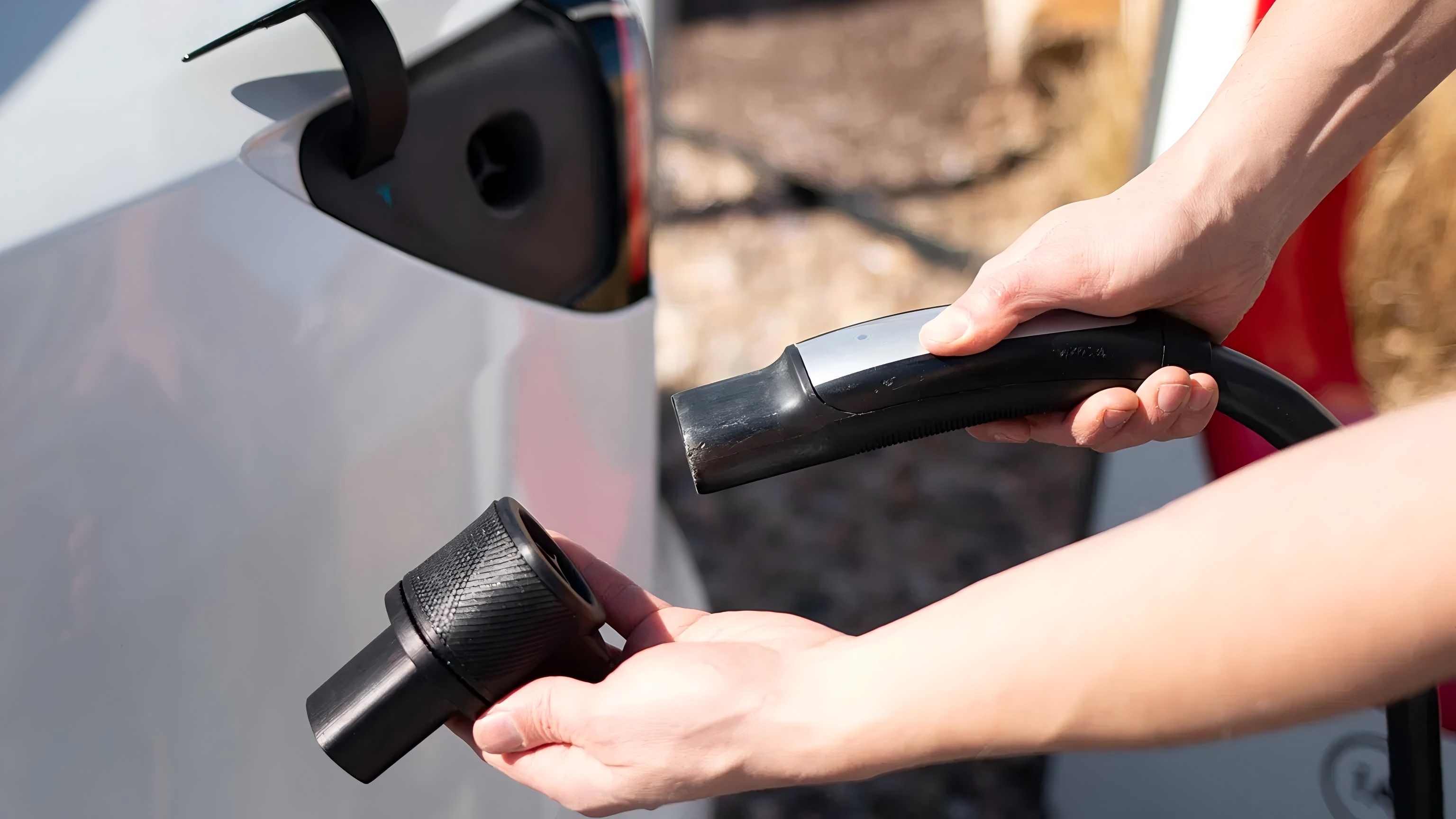
For Tesla drivers: With CCS compatibility, your Tesla can now tap into a wider network without worrying about proprietary barriers.
-
Comparison with Supercharging: Superchargers will likely remain the most seamless, but alternatives could reduce range anxiety on less-covered routes.
Chapter 5: Potential Drawbacks for Tesla Owners
-
More congestion: With open access, Superchargers could see heavier use.
-
Regulatory friction: Some Tesla-specific features (like in-car routing with automatic billing) may not apply at non-Tesla chargers.
-
Pricing battles: As laws push for transparency, Tesla may face competitive pressure, and owners could see shifting Supercharger prices.
Chapter 6: What This Means for U.S. Tesla Owners Watching Europe
-
Why Americans should care: The EU often sets the standard that U.S. regulators later follow. Think of seatbelt laws, emissions rules, and now charging standards.
-
CCS vs. NACS: While Europe standardized on CCS, the U.S. is moving toward NACS (Tesla’s plug). Lessons from EU policy could shape U.S. charging mandates in the next few years.
Chapter 7: How Tesla Owners Can Prepare
-
Stay updated: Check Tesla’s updates in your app or car—Tesla is quick to adapt.
-
Explore alternatives: Get familiar with Ionity, Fastned, or other networks if you drive long distances.
-
Plan road trips smartly: Superchargers are still the backbone, but extra redundancy never hurts.
Conclusion: A Win for EV Adoption, With Caveats
The EU’s charging laws are pushing the industry toward fairness, accessibility, and standardization. For Tesla owners, the changes are mostly positive—more chargers, easier payments, and greater transparency. Still, with added competition and potential congestion, the experience may shift slightly. One thing is clear: Tesla remains ahead of the curve, but the charging world around it is evolving fast.
FAQ for Tesla Owners
Q: Will Tesla Superchargers in Europe require card readers now?
A: In some cases, yes. New regulations mandate universal payment options, so Tesla may add them at certain sites.
Q: Does this mean charging will get more expensive?
A: Not necessarily. Competition could keep prices stable—or even push them down. But it depends on local electricity markets.
Q: How will this affect long road trips across Europe?
A: You’ll have more charging options than ever, making cross-border trips easier and less stressful.
Q: Is Tesla still the best choice for road trips?
A: Absolutely. Superchargers remain the most reliable and seamlessly integrated, but having more alternatives is a plus.
Q: Will the U.S. adopt similar rules?
A: It’s possible. Policymakers in the U.S. are watching Europe closely as they roll out NACS and new infrastructure bills.