
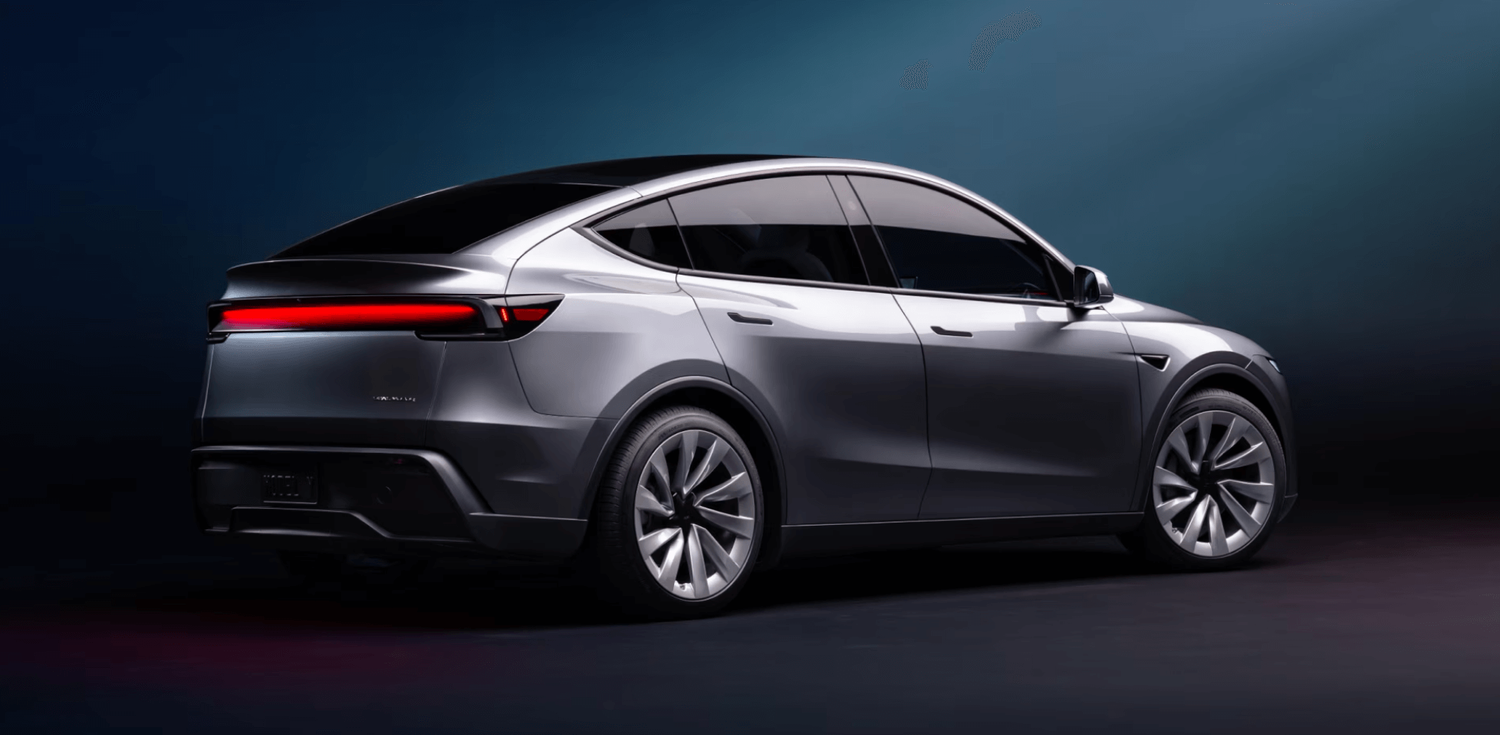
In the fast-paced world of Tesla, evolution is constant. But every few years, a change arrives that is more than just an over-the-air update or a minor spec bump. It is a fundamental leap forward. The updated Model 3, codenamed "Project Highland," and its eagerly anticipated sibling, the updated Model Y known as "Project Juniper," represent exactly that. To dismiss these as simple cosmetic facelifts would be to miss the point entirely. These are profound re-engineering projects, born from a relentless pursuit of efficiency that touches every aspect of the car.
These updates are the physical manifestation of Tesla's most advanced manufacturing philosophies, honed over years of production and aimed at a radical simplification of how a car is built. They are a direct, calculated response to years of customer feedback and critical reviews. This article serves as a comprehensive deep-dive into every significant change these projects bring, from the tangible new features you can see and touch to the invisible manufacturing revolution happening behind the scenes. We will analyze precisely what this evolution means for the day-to-day ownership experience.
Project Highland and the forthcoming Juniper represent the full maturation of Tesla's most important vehicles. They methodically address long-standing criticisms around comfort and refinement while simultaneously doubling down on the very manufacturing innovations that define the company, creating a new and immensely compelling value proposition for millions of drivers worldwide.
Part 1: The Philosophy of Simplification: The "Tesla Way" Evolved
To truly understand the new Model 3 and Y, you cannot start with the new headlights. You must start on the factory floor. The primary driver for these top-to-bottom revisions was not a desire for a new look, but a fanatical obsession with simplifying the manufacturing process.
Beyond the Surface
For Tesla, complexity is the enemy. Every extra part, every additional weld, every robot on the assembly line adds cost, time, potential for failure, and weight. The core mission of the Highland and Juniper projects was to declare war on that complexity. By rethinking how a car is assembled, Tesla aims to build them faster, with fewer resources, and at a higher, more consistent quality level.
The Gospel of "Unboxed"
These new models are a major step towards what Tesla calls the "unboxed" manufacturing process. Instead of a traditional assembly line where a single car body moves linearly from station to station, the unboxed method involves building the car in large, parallel sub-assemblies. The front section, rear section, floor (with the battery), and cabin are all built and fully outfitted simultaneously. These complete "chunks" are then brought together for final assembly. This approach dramatically reduces the factory footprint and assembly time. While the current Giga factories in Austin and Berlin are not yet fully "unboxed," the lessons learned and the component simplifications from Highland and Juniper are critical enablers for that future.
Giga-Castings and Part Reduction
The most famous example of this philosophy is the Giga-casting. Instead of constructing the rear underbody of a Model Y from 70 different stamped metal pieces, requiring a complex ballet of robots to weld and rivet them together, Tesla's Giga Press stamps it out as a single, massive piece of cast aluminum. This innovation alone eliminates hundreds of welds and dozens of robots. Project Highland and Juniper refine this process even further, integrating more components into single pieces and streamlining how these castings connect to the rest of the vehicle, particularly the structural battery pack.
Benefit to the Consumer
This fanatical focus on manufacturing may seem like a distant, corporate concern, but it translates directly into tangible consumer benefits. First, cost. By ruthlessly stripping cost out of the production process, Tesla can offer its vehicles at more competitive prices or, at the very least, hold prices stable in an inflationary global economy. Second, and perhaps more importantly, is build quality. A simpler car is an easier car to build correctly and consistently. Fewer parts mean fewer opportunities for panel gaps to be misaligned or for squeaks and rattles to develop. Finally, these large, single-piece castings create a vehicle structure that is both lighter and more rigid, which directly contributes to improved safety and better handling dynamics.
Part 2: What's New? A Detailed Feature-by-Feature Breakdown
With an understanding of the philosophy behind the changes, we can now appreciate the features themselves. The new Model 3 Highland, which is already on the roads, gives us a perfect blueprint for what to expect from the Model Y Juniper.
Exterior Evolution
-
Aerodynamics is King: The most obvious external change is the sleek, redesigned front end. The headlights are slimmer and more aggressive, and the front bumper is smoother, eliminating the previous version's "mouth." At the rear, new "C-clamp" style taillights are now integrated into the trunk lid. These changes are not just for aesthetics; they are a masterclass in aerodynamics. The relentless focus on making the car slice through the air more efficiently has lowered the Model 3's drag coefficient (Cd) from an already excellent 0.225 to a remarkable 0.219. This aerodynamic improvement is a primary contributor to a significant increase in range without needing a larger battery.
-
New Wheels and Colors: The car launches with new wheel designs, such as the 18-inch "Photon" and 19-inch "Nova" wheels, which are also optimized to reduce air turbulence. These are complemented by two stunning new paint options: the deep, liquid-like Ultra Red and the modern, sophisticated Stealth Grey.
Interior Revolution: Comfort and Ambiance
-
The "Stalkless" Controversy: The most debated and audacious change is inside. Tesla has completely removed the control stalks from the steering column. Turn signals are now activated by capacitive touch buttons on the left side of the steering wheel. To select Drive, Reverse, or Park, you now swipe up or down on the left edge of the central touchscreen. There is also a "smart shift" feature where the car attempts to predict your desired direction (e.g., selecting Reverse if it sees a wall in front of you). It is a bold move towards minimalism that has a definite learning curve.
-
A Premium Feel: The entire cabin has been redesigned to feel more upscale and enveloping. A new, continuous design element wraps from the dash into the doors, trimmed in premium textiles or Alcantara. The centerpiece of this is a customizable ambient LED lighting strip that flows around the cabin, allowing drivers to change the interior mood. This is a direct answer to critics who found the previous interior too spartan or stark compared to German rivals.
-
Creature Comforts: The upgrade in features is substantial. The front seats are a new design and now include ventilation for cooling on hot days—a long-requested feature. In the back, passengers are no longer just along for the ride. A new 8-inch touchscreen is mounted at the rear of the center console, giving them control over their own climate settings and the ability to stream video content from services like Netflix and YouTube.
The Quiet Revolution: NVH and Ride Comfort
-
Acoustic Glass: In a huge leap for refinement, all the glass in the car—the windshield, all four side windows, and the rear glass—is now acoustic glass. This dual-pane construction is specifically designed to filter out wind and road noise, making the cabin dramatically quieter.
-
Suspension Re-Tuned: Addressing perhaps the single biggest complaint of the pre-Highland models, the suspension has been completely overhauled. New springs, significantly improved dampers, and updated suspension geometry and bushings have been implemented. The goal was to deliver a much more compliant, comfortable, and sophisticated ride, absorbing bumps and road imperfections without feeling floaty or disconnected.
Efficiency Gains
When you combine the major improvement in aerodynamics with subtle powertrain optimizations and new low-rolling-resistance tire compounds, the result is a remarkable increase in overall vehicle efficiency. The Highland Model 3 boasts a 5-8% increase in range from the exact same battery pack as its predecessor, a testament to Tesla's holistic approach to engineering.
Part 3: The Real-World Driving Experience: Translating Changes to the Road
Specifications on a page are one thing; the lived experience is another. How do these changes actually feel when you're behind the wheel?
Living Without Stalks
Let's address the elephant in the room first. The stalkless design is polarizing. For the first few hours, it can feel awkward, particularly when trying to signal while navigating a complex roundabout. However, the overwhelming consensus from long-term reviews and owner reports is that muscle memory takes over surprisingly quickly, within a few days for most. The on-wheel buttons become second nature. The on-screen gear selector is less of an issue, as it's typically only used at the beginning and end of a drive. It's a change that requires adaptation, but for many, it's not the dealbreaker it initially seems.
The Serene Cabin
The single most impactful and universally praised improvement is the dramatic reduction in Noise, Vibration, and Harshness (NVH). The combination of the acoustic glass, improved door seals, and redesigned suspension transforms the character of the car. At highway speeds, the level of wind and tire noise is in a completely different, more premium league than the old model. This makes the car significantly less fatiguing on long journeys and allows for conversations at a much lower volume, elevating the entire driving experience.
A More Compliant Ride
Close behind the improved quietness is the ride quality. The pre-Highland Model 3 and Y were often criticized for a ride that was firm to the point of being harsh on rough pavement. The new suspension setup completely rectifies this. The car now glides over bumps and road imperfections with a composure and sophistication that was previously lacking. It manages to do this without sacrificing the sharp, responsive handling that made the car fun to drive, striking a much better balance between comfort and sportiness.
Part 4: A Guide for Existing Owners: Should You Make the Jump?
This flood of improvements creates a tantalizing proposition for current owners. But does it make financial and practical sense to upgrade? Let's create a framework to help you decide.
For Owners of 2018-2020 Models
For those with the earliest Model 3s, the case for upgrading to Highland is incredibly strong. You stand to gain a staggering list of improvements. You'll get the heat pump (introduced in 2021 for better cold-weather efficiency), a powered trunk, the dual-pane front windows (also a 2021 addition), and everything Highland offers on top of that: the whisper-quiet cabin with full acoustic glass, the far superior ride comfort, the ventilated seats, the rear passenger screen, the ambient lighting, the increased range, and the fresh exterior/interior styling. The difference in overall refinement and features is genuinely night-and-day.
For Owners of 2021-2023 Models (Pre-Highland Refresh)
If you own a more recent but pre-Highland car, the decision is more nuanced. You already have some of the key updates like the heat pump and powered trunk. Your decision, therefore, hinges almost entirely on how much you value the next level of refinement. Is the often-criticized ride comfort of your current car a major pain point for you? Do you find the road noise on the highway to be fatiguing? Do the new premium interior, ventilated seats, and rear screen appeal strongly to you? It's an upgrade in quality-of-life and luxury rather than core technology.
Analyzing the Cost-Benefit
The final step is practical. Get a real-time trade-in or private sale valuation for your current Tesla. Compare that to the purchase price of a new Highland model in your desired configuration. This will give you a clear "cost to upgrade." Now, look at that dollar amount and ask yourself: Is the serene cabin, the comfortable ride, and the suite of new luxury features worth this specific cost? For some, the answer will be an immediate "yes." for others, their perfectly good current car will remain the more sensible choice. This provides an actionable, non-emotional way to make the right decision for your situation.
Conclusion
Project Highland, and the forthcoming Project Juniper, are far more than just mid-cycle refreshes. They are the product of a company that has used its millions of cars on the road and its advanced manufacturing facilities as a real-time learning laboratory. They represent Tesla's mastery of its craft, demonstrating how to re-engineer its most popular products to be cheaper to build, faster to assemble, and quantifiably better in almost every way that matters to a driver.
These new models directly target and resolve the most persistent and valid criticisms that have been leveled against the originals—ride harshness, cabin noise, and interior austerity. In doing so, Tesla has transformed the Model 3 and Y from disruptive, tech-forward products into truly refined, comfortable, and highly competitive all-rounders. They have raised the bar, setting a new, higher baseline for what an electric vehicle in this segment should be, and in the process, have created a powerful and compelling case for first-time EV buyers and loyal Tesla owners alike.
FAQ Section
-
Q1: Will the stalkless design come to all Teslas?
-
A: This design philosophy was first introduced on the flagship Model S and Model X. Its adoption in the highest-volume Model 3 and Y signals that this is Tesla's go-forward strategy for its user interface. It is highly likely to be the standard on all new vehicles and future designs.
-
-
Q2: Can I get the new ventilated seats or ambient lighting retrofitted to my older Model 3/Y?
-
A: Unfortunately, no. These are not simple bolt-on parts. The new seats have a different design and wiring, and the ambient lighting is deeply integrated into the new wrap-around dashboard and door panel architecture. Retrofitting these features into an older vehicle is not feasible.
-
-
Q3: What about the Performance models of the new Model 3 and Y?
-
A: The new Model 3 Performance has now been launched and follows the Highland pattern. It includes all the interior and exterior updates but adds unique, more supportive sports seats, an advanced adaptive suspension system for customizable comfort and handling, and a more powerful dual-motor powertrain for even greater acceleration. The "Juniper" Model Y Performance is expected to receive a similar suite of performance-focused upgrades.
-
-
Q4: Is the build quality actually better on the Highland models?
-
A: Based on extensive reporting from both professional automotive reviewers and new owners, the answer is a definitive yes. The manufacturing simplifications, such as using larger single-piece castings and a more streamlined assembly process, have resulted in noticeably more consistent panel gaps and an overall higher level of fit and finish.
-
-
Q5: With the Juniper Model Y coming, should I wait or buy a current Model Y now?
-
A: This is the classic buyer's dilemma. If you need a car immediately and can find a current "pre-Juniper" Model Y with a significant inventory discount, it remains one of the best all-around electric vehicles on the market. However, if your priority is securing the absolute latest in-cabin refinement, ride comfort, quietness, and interior features, and you are in a position to wait, the Juniper update will be a substantial and worthwhile upgrade.
-