
Executive Summary
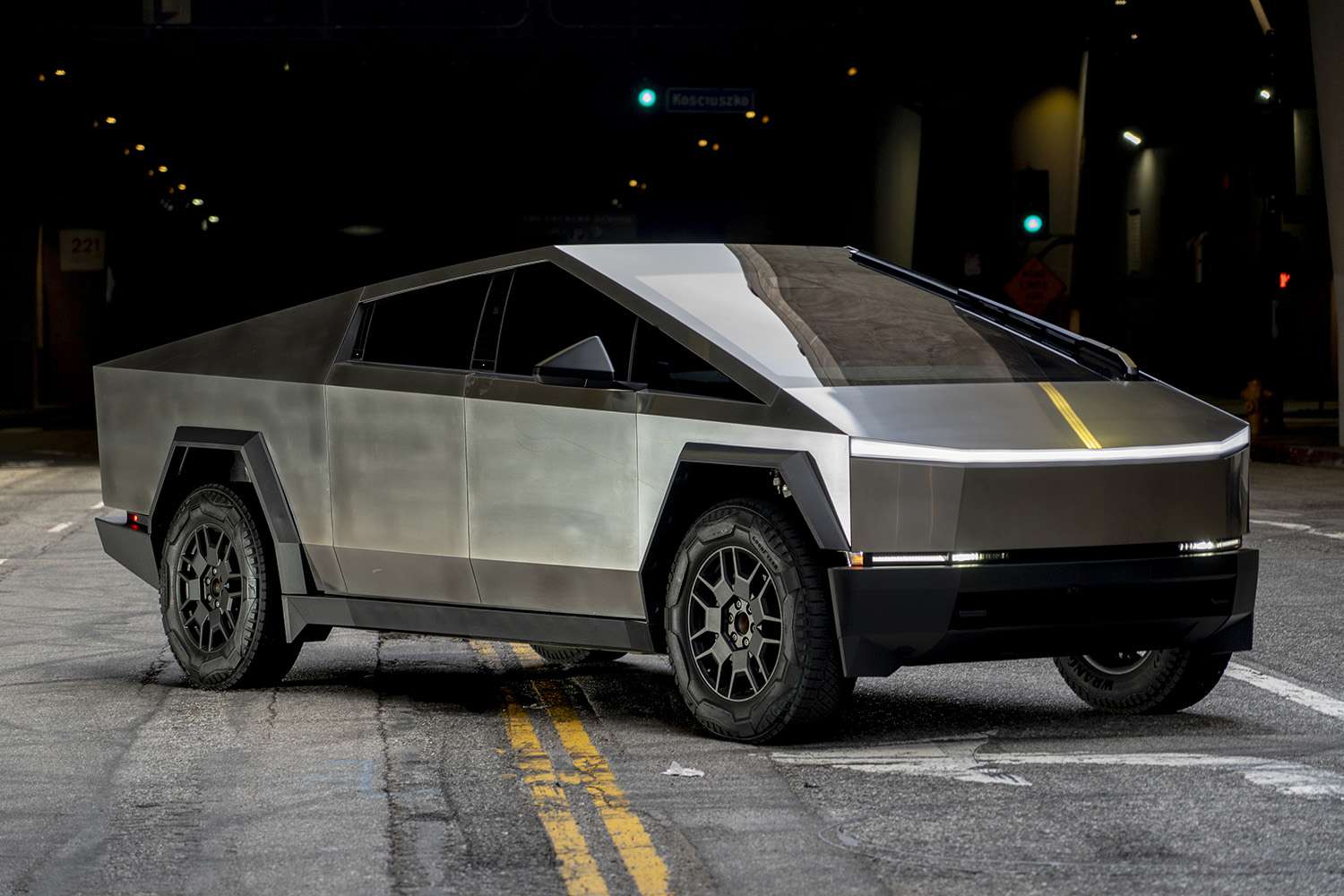
Tesla has issued another significant recall affecting 6,197 Cybertrucks—approximately 10% of all vehicles produced—due to an off-road light bar accessory that may detach from vehicles during operation. The issue stems from incorrect adhesive application during installation, a problem that highlights ongoing quality control challenges plaguing the Cybertruck program despite Tesla's assurances of manufacturing improvements. While no injuries or accidents have been reported yet, the detaching light bar poses potential road hazards to following vehicles. This latest recall, designated SB-25-90-001, requires owners to schedule service appointments for inspection and potential replacement with mechanically bolted components. The recall underscores broader concerns about Cybertruck production quality as the vehicle struggles against newer competition in the electric truck market and faces declining sales momentum.
Introduction: The Cybertruck's Troubled Journey
The Tesla Cybertruck represented an audacious vision when it debuted in late 2023—a futuristic electric pickup truck with an exoskeleton design, stainless steel construction, and promised technological innovations. Elon Musk predicted the vehicle would revolutionize the pickup truck market, with the company initially targeting production of 250,000+ units annually. Pre-order numbers reached extraordinary levels, with some estimates suggesting over 2 million reservations.
Yet the vehicle's road to production proved far more turbulent than anticipated. Manufacturing challenges emerged immediately, from production line inefficiencies to quality control issues that led to multiple recalls and service actions. The vehicle's distinctive design—while visually striking—has created unexpected engineering complications. The angular stainless steel construction, while distinctive, proved harder to manufacture precisely than traditional truck designs. The minimalist interior promised in early presentations differs significantly from what customers actually received.
The Cybertruck's launch phase has been marked by a series of setbacks. Early recalls involved wheel covers flying off at highway speeds, accelerator pedals slipping, and exoskeleton trim pieces detaching. Each issue raised questions about Tesla's manufacturing rigor and quality control systems. The latest light bar recall continues this pattern, suggesting systemic quality challenges rather than isolated incidents.
The Recall Details
What's Wrong: The Light Bar Detachment Issue
On October 30, 2025, the National Highway Traffic Safety Administration (NHTSA) announced recall SB-25-90-001, affecting 6,197 Cybertrucks equipped with Tesla's optional off-road light bar accessory. The recall addresses a critical safety issue: the light bar—a wide, overhead lighting fixture mounted across the top of the windshield at the roof's apex—may detach completely from the vehicle during operation.
The off-road light bar represents an attractive accessory for Cybertruck owners interested in off-road capability. The fixture provides enhanced lighting for terrain visibility ahead, particularly valuable when navigating rocks, brush, and other obstacles that cast shadows from lower-mounted static headlights. The accessory isn't available directly from Tesla's online shop but rather must be installed through Tesla's service network via retrofit installation.
The detachment risk manifests in several ways. Owners may notice a visible gap between the light bar and the windshield. The light bar may feel loose when manually tested. Most notably, owners have reported detecting audible noise from inside the cabin—a creaking or rattling sound indicative of mechanical stress. Under certain conditions—particularly highway driving or exposure to wind and vibration—the compromised attachment could lead to complete detachment.
Affected Vehicles: Scope and Numbers
The recall targets 6,197 Cybertrucks with the off-road light bar accessory installed. This represents approximately 10% of all Cybertrucks currently on the road—a surprisingly high take-rate for what was positioned as a niche retrofit accessory available only through service appointments. The high adoption rate suggests the accessory proved more popular with Cybertruck owners than Tesla may have anticipated.
Recall documentation specifies vehicles manufactured between November 13, 2023 and October 11, 2025, covering essentially the entire Cybertruck production run to date. All affected vehicles require inspection, with potential replacement of the light bar attachment.
This 10% figure comes from NHTSA documentation related to a separate headlight recall from the previous week, which encompassed all 63,619 Cybertrucks produced during the same period. That recall, addressing excessively bright headlights, proved minor and was resolved via over-the-air software updates. The light bar recall, however, requires physical intervention and represents a more serious manufacturing issue.
NHTSA Official Report: SB-25-90-001
The official NHTSA recall documentation identifies the core issue clearly: incorrect adhesive application during light bar installation. Tesla service personnel applied adhesive incorrectly, failing to create an adequate bond between the light bar and the vehicle's windshield frame. While Tesla updated service instructions multiple times attempting to address the problem, none of these updates proved sufficient to resolve the underlying adhesive failure issue.
The safety implications are unambiguous. A detaching light bar falling from a vehicle traveling at highway speeds creates significant road hazards. The fixture could strike following vehicles, potentially causing accidents. It could land on roadways, creating hazardous debris. While NHTSA reports no known accidents or injuries resulting from this issue, the potential for serious consequences prompted immediate recall action.
Technical Explanation
Manufacturing Issue: Wrong Adhesive Application
The fundamental problem involves incorrect adhesive selection and application during the retrofit installation process. Tesla service centers were supposed to apply specific adhesive formulations designed to withstand wind loads, thermal cycling, and vibration inherent in vehicle operation. Through some combination of training deficiency, procedural non-compliance, or supply chain issues, wrong adhesives were applied to light bar installations.
The exact nature of the wrong adhesive remains unclear from public documentation, but the failure mode is apparent: the adhesive failed to create adequate bonding under operational stresses. Wind pressure at highway speeds, thermal expansion and contraction as vehicles heat and cool, and vibration from road conditions all contributed to adhesive failure, eventually leading to complete detachment.
Tesla's response protocol involved inspecting affected light bars and replacing them with new units attached using improved methodology. The new installation protocol employs both adhesive and "positive mechanical attachment"—essentially bolting the light bar directly to the vehicle frame. This dual-attachment approach ensures that even if adhesive fails, mechanical bolting prevents detachment.
The use of bolts rather than relying purely on adhesive represents an engineering acknowledgment that purely adhesive-based attachment proved inadequate for this application. The addition of mechanical fasteners reflects best practices in aerospace and automotive engineering where multiple independent attachment methods provide redundancy.
Symptoms Owners May Notice
Owners with compromised light bar installations may detect several warning signs. The most obvious involves visible gaps between the light bar and the windshield frame—whereas a properly installed light bar sits flush against the vehicle, a compromised installation shows visible separation.
Manual inspection provides another diagnostic. Owners can carefully test whether the light bar moves or flexes when gently pressed. A properly installed light bar should be completely rigid. Any detectable movement indicates adhesive failure.
Audible symptoms may occur inside the vehicle cabin. Owners report hearing creaking, rattling, or popping noises coming from the roof area during driving, particularly on rough roads or in wind. These sounds result from the compromised light bar flexing against its failed adhesive attachment point.
Some owners have experienced the light bar partially detaching or shifting position—not complete failure but definite movement from its intended position. This represents an intermediate failure mode warning of potential complete detachment under more severe stress conditions.
Why This Happened: Root Cause Analysis
The light bar recall exemplifies broader quality control challenges that have plagued the Cybertruck program. Several contributing factors likely drove this failure mode:
First, the retrofit nature of light bar installation creates complexity. Unlike components installed on production lines under standardized, highly controlled conditions, retrofits occur at service centers where consistency is harder to ensure. Service personnel must follow precise procedures, but training and compliance vary. Tesla's multiple service instruction updates suggest the company struggled to achieve consistent proper installation practices.
Second, adhesive selection and application require technical precision. Different adhesives have different temperature ranges, cure times, and mechanical properties. Service personnel must select exactly the correct adhesive formulation and apply it according to exacting specifications. Any deviation—using the wrong adhesive, applying insufficient adhesive, poor surface preparation—can result in failure.
Third, the Cybertruck's unique design creates novel attachment challenges. The stainless steel exoskeleton, while distinctive, requires different attachment approaches than traditional painted steel or aluminum truck designs. Adhesive selection appropriate for standard truck manufacturing may not work optimally on stainless steel surfaces, particularly the heavily brushed stainless finish on Cybertrucks. Tesla may have underestimated these material science challenges when designing the light bar attachment approach.
Fourth, supply chain disruptions may have contributed. If Tesla's adhesive supplier encountered shortages of the correct formulation, service centers may have used substitute adhesives that appeared similar but lacked required performance characteristics. Alternatively, counterfeit or mislabeled adhesive products may have entered the supply chain.
Finally, the rapid deployment of the light bar accessory may have outpaced thorough testing. Tesla may have rushed retrofitting to market without adequately validating that service installations reliably met engineering specifications. The multiple service instruction updates suggest the company discovered problems in the field and attempted corrective actions rather than identifying issues during development and testing.
Safety Implications
Potential Hazards
A light bar detaching at highway speeds creates several hazard scenarios. The most obvious involves the light bar striking the windshield or hood of a following vehicle, potentially causing injury or accident. A heavy light fixture falling from a vehicle traveling 60+ mph possesses substantial kinetic energy capable of causing significant damage.
The detaching light bar could land on roadways, creating debris hazards. Other vehicles could strike the debris, causing accidents or damage. Emergency services might need to respond to debris-related incidents, consuming resources.
The initial detachment moment could also create hazards for the Cybertruck driver if the light bar strikes the windshield or vehicle body violently. Depending on attachment point failure dynamics, sudden detachment could cause startling or distraction to the driver.
Light bar detachment creates psychological safety concerns even beyond physical hazards. Drivers who experience light bar movement or loose connections may lose confidence in their vehicle's overall quality and safety, creating anxiety about whether other components might similarly fail.
Risk Assessment
NHTSA's recall classification reflects risk assessment indicating sufficient hazard probability to warrant action. The agency typically initiates recalls when failure risk reaches certain thresholds—either actual incidents occur or failure probability modeling suggests material risk.
In this case, Tesla documented 619 warranty claims related to light bar adhesive failure, providing real-world evidence of systematic attachment issues. Additionally, one field report confirmed the adhesive failure occurring in actual driving conditions. These data points supported regulatory determination that public safety risk justified formal recall action.
The percentage of affected vehicles—10% of installed light bars—represents a concerning failure rate for a components expected to function reliably for vehicle lifetime. If 10% of light bar installations failed within the first two years of Cybertruck ownership, extrapolating forward suggests potential catastrophic failure rates for remaining vehicle life.
However, risk assessment must recognize that failure probability increased over time. Not all light bar failures occurred immediately. Many vehicles showing warning signs had accumulated significant mileage before adhesive deterioration became apparent. This suggests that early detection and correction prevents more advanced failures.
No Reported Incidents
Fortunately, NHTSA's recall documentation indicates no known accidents, injuries, or property damage resulting from light bar detachment to date. This suggests that either the failure mode occurs infrequently enough that actual detachment remains rare, or that when detachment occurs, it happens under circumstances not creating hazards (such as parked vehicles or low-speed driving).
The absence of incidents does not diminish recall necessity, however. Regulatory agencies appropriately take preventive action when potential exists for serious harm, even without confirmed incidents. Early intervention prevents situations where accidents eventually occur.
What Cybertruck Owners Need to Do
Inspection Steps for Owners
Cybertruck owners with light bar accessories installed should immediately perform self-inspection checks. Visual inspection involves examining the junction where the light bar meets the windshield frame. Properly installed bars should show no visible gaps. Any separation between the light bar and frame indicates potential adhesive failure.
Manual testing provides additional verification. Owners should carefully grasp the light bar and test for movement. Do not apply excessive force that might damage the fixture, but gentle pressure should show zero movement. Any detectable flexing or shifting indicates failure requiring service.
Owners should also monitor for audible symptoms during driving. If creaking, rattling, or popping sounds emanate from the roof area—especially during highway driving or on rough roads—these noises indicate compromised attachment.
If any inspection suggests potential failure, owners should not continue operating the vehicle with light bar installed. While unlikely to detach in normal urban driving, highway operation and wind exposure increase detachment probability.
Repair Process: Service Appointment Procedure
Owners who identify potential light bar issues should schedule service appointments through Tesla's online service scheduling system or by calling local service centers. Appointments specifically should address the light bar recall SB-25-90-001.
During service, Tesla technicians will inspect the light bar attachment. If inspection reveals adhesive failure or inadequate bonding, Tesla will remove the current light bar and replace it with a new unit attached using both adhesive and mechanical bolts. The replacement unit should provide secure, reliable attachment for the vehicle's remaining life.
Tesla has communicated that repair costs are fully covered for all affected vehicles, with no owner expense. This reflects standard recall protocol where manufacturers bear remedial costs.
Service may require vehicle being left at the service center for several hours, as technicians must carefully remove the original light bar, properly prepare surfaces, apply new adhesive, and install mechanical fasteners. Some service centers may have short waits while others face backlogs depending on local volume of affected vehicles.
Timeline and Repair Availability
Owners should expect service availability within weeks following recall announcement, as Tesla mobilizes service network resources to address the issue. Initial availability may be limited in high-volume areas, potentially requiring owners to wait weeks for appointments.
However, since the failure risk is time-dependent rather than immediate, owners can schedule appointments at their convenience without urgency provided they don't perceive warning signs suggesting imminent failure. Owners with audible symptoms or visible gaps should prioritize service appointments.
Tesla service communications should reach all affected owners via email and in-vehicle notifications. Owners should check these communications for specific guidance regarding their vehicles and service appointment availability.
Broader Cybertruck Issues
History of Recalls and Service Actions
This light bar recall represents the latest in a concerning pattern of Cybertruck recalls and service issues. Since production launch in late 2023, the Cybertruck has encountered numerous quality problems requiring recalls or widespread service actions:
Wheel Cover Failures: Early Cybertrucks experienced wheel covers detaching during driving, creating road hazards and damage to the wheels. Tesla initially recalled vehicles, then redesigned wheel covers. The redesign, while addressing detachment, increased tire wear, subsequently requiring another recall to address the unintended consequence.
Accelerator Pedal Issues: Some Cybertrucks experienced accelerator pedals that could slip during operation, potentially causing unintended acceleration. Tesla issued a service action involving drilling retention screws into pedal assemblies to prevent slipping.
Exoskeleton Trim Detachment: Despite stainless steel construction promising durability, exoskeleton trim pieces—the vehicle's distinctive angular body panels—have detached from vehicles, requiring service repair.
Headlight Brightness Recall: The October 2025 recall addressed excessively bright headlights that violated regulatory specifications. Tesla addressed this through software update, representing the first major recall fixed via OTA rather than physical repair.
Each of these issues raised concerns about Tesla's manufacturing quality control and engineering rigor for the Cybertruck program.
Production Quality Concerns and Trends
The recurring nature of quality issues suggests systemic challenges in Cybertruck manufacturing rather than isolated incidents. Several patterns emerge:
First, attachment issues dominate the recall list. Wheel covers, exoskeleton trim, accelerator pedals, and now light bars all involve components failing to maintain secure attachment. This pattern suggests Tesla may be struggling with attachment system design, material compatibility, or assembly consistency.
Second, the issues seem to cluster in areas involving Tesla's distinctive design choices. The stainless steel exoskeleton, the unique wheel covers, the minimalist interior—these novel design elements appear more prone to failure than conventional truck subsystems.
Third, customer complaints suggest numerous other issues exist that haven't yet reached recall thresholds. Online owner forums contain extensive documentation of fit and finish problems, panel gaps, paint defects, interior component failures, and other issues that fall short of safety-critical levels but nonetheless create owner dissatisfaction.
Fourth, Tesla's willingness to issue multiple service instruction updates suggests the company is learning about problems in the field rather than identifying them during development. Proper engineering and quality processes should catch such issues before customer vehicles reach the field.
Comparison to Traditional Trucks
Traditional pickup trucks from Ford, General Motors, and RAM have matured designs refined across decades. The Ford F-150, while continuously evolving, benefits from extensive engineering heritage. Component designs have been validated through billions of miles of customer driving. Attachment methods, material selections, and manufacturing processes are thoroughly proven.
The Cybertruck, conversely, represents a fundamentally novel vehicle with distinctive design elements validated primarily through development testing and limited field history. The stainless steel exoskeleton alone introduces material science challenges absent in traditional painted truck bodies. The minimalist design philosophy, while appealing aesthetically, creates engineering trade-offs where conventional attachment methods may not apply.
In terms of attachment reliability, the F-150 and competing trucks achieve recall rates far lower than the Cybertruck. While all vehicles encounter occasional attachment issues requiring recalls, the Cybertruck's rate appears elevated relative to established truck designs.
However, it would be premature to judge the Cybertruck's long-term reliability based on early production periods. Many novel vehicle designs experience elevated issues initially, then achieve excellent reliability as manufacturing matures. The question for Cybertruck is whether Tesla can address quality issues rapidly enough to rebuild owner confidence and market perception.
Impact on Cybertruck Ownership and Market Position
Resale Value Implications
Cybertruck resale values have already declined from original retail pricing as various issues emerged and customer enthusiasm waned. The light bar recall and broader quality concerns will likely further pressure resale values as used vehicle buyers become increasingly wary of the model.
Used Cybertruck prices depend on several factors: vehicle age, mileage, options included, and market demand. Early Cybertrucks that sold in 2024 have seen value decline, though not as dramatically as some prediction suggested. However, if quality concerns mount and potential buyers become increasingly skeptical of long-term reliability, depreciation could accelerate.
Additionally, recalls directly affect resale desirability. Prospective buyers considering used Cybertrucks will factor in whether recall work was completed. Vehicles with unfinished recalls present liability and uncertainty that depress valuations.
The light bar recall's relatively straightforward remediation (simple replacement with improved fasteners) shouldn't dramatically impact long-term resale value. However, each successive recall incrementally reinforces perceptions of quality problems, cumulatively affecting market appeal.
Owner Satisfaction and Community Sentiment
Online owner communities reflect mixed satisfaction with Cybertruck ownership. Some owners report genuine satisfaction, praising the vehicle's unique design, performance, and technology features. These enthusiasts appreciate the innovative approach and remain optimistic about long-term reliability as manufacturing improves.
However, significant ownership segments report frustration with quality issues, service experience, and gaps between promises and actual capabilities. Owners point to multiple recalls, fit and finish problems, extended service waits, and communication gaps. This discontent appears particularly pronounced among owners who purchased expecting cutting-edge reliability and received instead a vehicle requiring frequent service visits.
Consumer satisfaction ratings from mainstream outlets reflect this split sentiment. While some metrics show respectable satisfaction scores, others reveal concerning patterns. Some dealerships report high customer satisfaction while others show below-average ratings, suggesting significant variation in service quality and ownership experience.
Particularly troubling is sentiment among early adopters who waited for Cybertruck production, pre-ordered the vehicle, and finally took delivery, only to encounter recurring issues. These customers expected Tesla's quality standards to match the vehicle's technological ambition. Disappointment in this cohort impacts brand perception broadly.
Tesla's Response and Transparency Communication
Tesla's handling of the light bar recall follows established patterns. The company issued formal recall documentation as required, communicated to affected owners via email and in-vehicle notifications, and committed to free repairs. This meets regulatory minimums and demonstrates responsiveness to identified safety issues.
However, critics argue Tesla lacks transparency regarding root cause analysis and corrective actions preventing recurrence. Official communications focus on remediation (replace defective light bars) rather than explaining why the failure occurred and what systemic improvements prevent similar failures.
Additionally, Tesla's service network infrastructure faces capacity challenges. The company struggles to provide rapid service appointments for recalls affecting tens of thousands of vehicles. Some owners report waiting weeks or months for service availability, particularly in high-volume markets. Extended service waits create frustration even when repairs are free.
Communication regarding the light bar recall lacks proactive transparency about the adhesive failure root cause and systemic improvements. Tesla might have enhanced owner confidence by publicly discussing what went wrong, why corrections prevent recurrence, and how broader manufacturing processes improve to prevent similar failures in other components.
Looking Forward: Future Prospects
Expected Production Quality Improvements
Tesla has committed to manufacturing improvements addressing quality concerns. Giga Texas management has emphasized focus on consistency and defect reduction. Production process refinements should gradually reduce attachment failures and other quality issues.
Several factors support optimism about improvements. First, Tesla has experience with new vehicle production ramp curves. The company faced similar challenges launching the Model 3, and production quality improved substantially as manufacturing matured. Similar trajectories are plausible for Cybertruck.
Second, Cybertruck production volume remains relatively modest—approximately 30,000 units annually compared to Tesla's 250,000+ annual predictions. Lower volumes allow greater quality focus and manual intervention addressing edge cases than ultra-high-volume production requires.
Third, Tesla has invested significantly in Giga Texas automation and processes. While these investments initially contributed to quality issues as systems were brought online, they should ultimately support higher consistency than manual production processes.
Fourth, increasing competitive pressure from F-150 Lightning, Silverado EV, and other electric trucks creates market incentive for quality improvement. Cybertrucks that prove unreliable will lose customers to alternatives with better reliability records.
European Release Impact and Timing
Tesla plans European Cybertruck release, though timing remains uncertain. Current indications suggest late 2025 or 2026 launch. The European market creates new manufacturing sites and regulatory complexities that could either compound quality challenges or provide opportunities for fresh manufacturing approaches avoiding current production issues.
European regulations require higher safety standards and more rigorous recall processes than the United States. This could potentially delay European availability until Cybertruck achieves higher quality levels. Alternatively, building Cybertrucks in Europe from the outset might allow Tesla to implement improved manufacturing processes avoiding first-generation quality issues.
European pricing likely exceeds U.S. levels due to manufacturing and import costs plus regulatory compliance expenses. This premium pricing implies European buyers expect exceptional quality, placing pressure on Tesla to deliver vehicles without recalls.
Future Cybertruck Variants and Specifications
Tesla has indicated plans for Cybertruck variants including two-seater and six-seater cabin configurations, different powertrains (single motor, dual motor, tri motor), and range variants. These variants will emerge as initial production matures and quality improves.
Additional variants might include specialized configurations for commercial and fleet use. The vehicle's unique design creates opportunities for cargo management and utility configurations differentiating from traditional trucks.
Pricing variants might eventually include lower-cost base models attempting to compete on price rather than pure technology differentiation, though such models remain distant prospects dependent on manufacturing scale and cost reduction.
Conclusion: Quality, Competition, and Market Pressure
The Cybertruck light bar recall represents another data point in the larger question regarding whether Tesla can deliver a high-quality electric truck capable of competing with established alternatives in the expanding electric truck market. The vehicle's unique design and advanced technology justify premium pricing, but only if reliability matches the technological ambition.
The recurring recall pattern raises legitimate concerns about manufacturing maturity and quality control. While many concerns remain remediable through continued process improvement, the early pattern differs from ideal industry practice where novel vehicles launch without significant recalls.
However, it would be premature to declare the Cybertruck a failure. The vehicle possesses genuine appeal—distinctive design, performance capabilities, and technology features. If Tesla can address quality issues as manufacturing matures and production volumes remain manageable for quality focus, the Cybertruck could eventually achieve strong market position.
The competitive landscape matters critically. The electric truck market now includes multiple alternatives: F-150 Lightning with Ford's manufacturing heritage, Silverado EV with General Motors' resources, and Rivian R1T with design focus on truck capabilities. Cybertruck's unique positioning attracts a specific buyer demographic, but quality problems could erode this appeal.
For current owners, the light bar recall represents a manageable issue with straightforward remediation. Replacement light bars with mechanical fasteners should provide reliable long-term service. Owners should schedule service appointments to address the issue without excessive urgency provided they don't detect warning signs of imminent failure.
For prospective buyers, the recall pattern warrants careful consideration. The Cybertruck offers genuine innovation and appeal, but buyers should recognize that early production has encountered quality challenges. Buyers accepting some risk in exchange for distinctive vehicle design may find Cybertruck appealing. Those prioritizing maximum reliability might prudently wait for manufacturing to mature or consider established alternatives.
Frequently Asked Questions
Q: Do I need to get my light bar replaced?
A: If your Cybertruck has an off-road light bar installed, yes, you should schedule a service appointment for inspection. If inspection confirms adhesive failure or inadequate bonding, replacement is necessary for safety.
Q: What if I don't see signs of failure?
A: Owners should still schedule inspection appointments. Some failure modes may not be immediately obvious. Professional inspection identifies problems early before catastrophic failure occurs.
Q: How much does the repair cost?
A: Tesla covers all repair costs as part of the recall. Owners pay nothing for light bar replacement and associated service.
Q: How long does repair take?
A: Repair typically requires several hours. Light bar removal, surface preparation, new adhesive application, and mechanical fastener installation consume time. Some service centers may complete same-day repairs while others might require vehicle retention overnight.
Q: Will this happen to other Cybertruck components?
A: The light bar represents a retrofit accessory, not a factory-installed component, making it somewhat unique. However, attachment issues across multiple Cybertruck components suggest Tesla should review attachment methodologies across the vehicle.
Q: Does this recall indicate broader Cybertruck reliability problems?
A: This recall, combined with previous recalls and service issues, suggests Tesla is experiencing quality control challenges specific to early Cybertruck production. However, early production quality issues don't necessarily predict long-term reliability as manufacturing matures.
Q: Should I avoid buying a Cybertruck?
A: This decision depends on individual priorities. Buyers who value distinctive design and are willing to accept some manufacturing quality risk may find Cybertruck appealing. Those prioritizing maximum reliability might prefer established alternatives.
Q: When will Cybertruck quality improve?
A: Manufacturing quality typically improves gradually as production matures, processes are refined, and problems identified in early production are addressed. Meaningful quality improvement might require 12-24 months of production experience.