
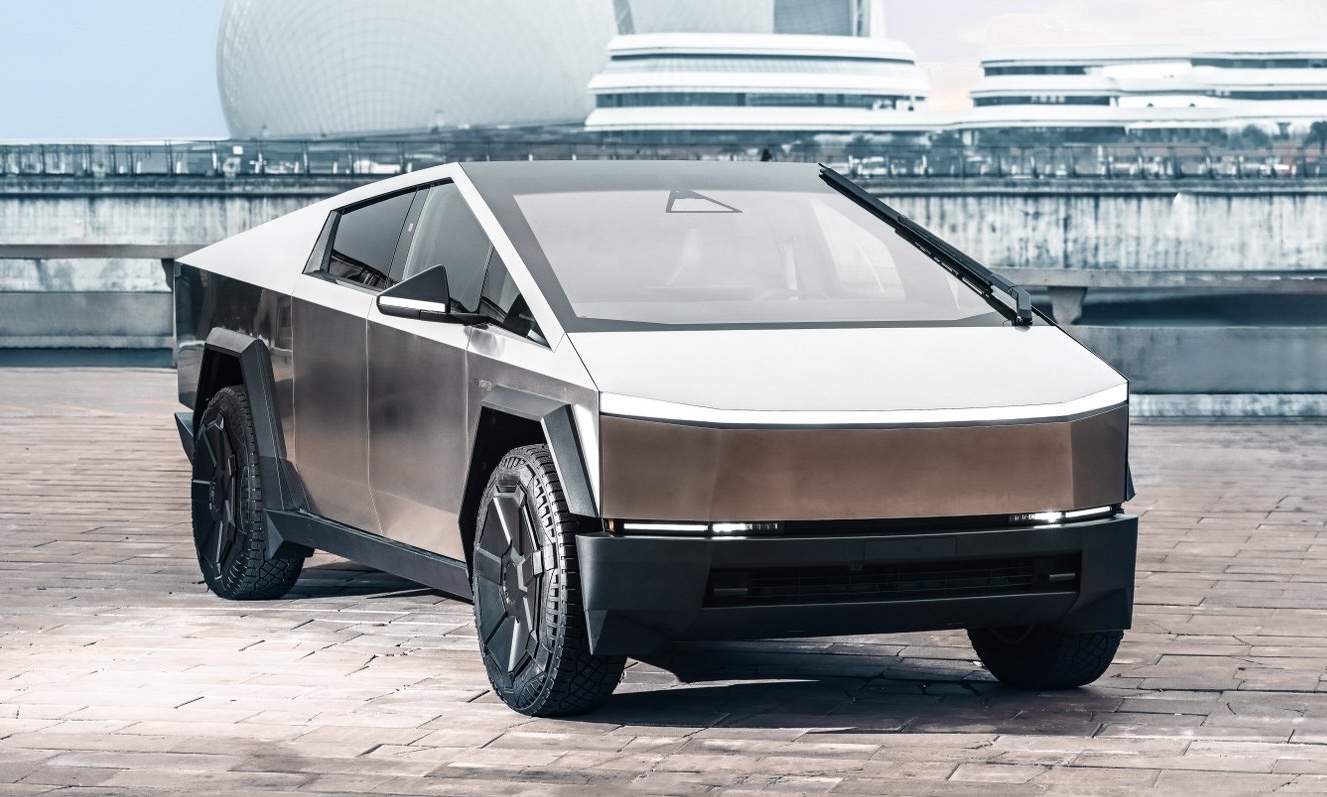
Tesla’s Cybertruck faces significant obstacles in Europe. While a few units have been registered in some countries, the vehicle’s unique design — including its sharp stainless-steel exoskeleton and high curb weight — conflicts with EU safety and pedestrian-protection regulations. These compliance challenges, combined with uncertain demand and limited service infrastructure, force Tesla to make tough strategic decisions about its European ambitions.
1. Current Status: Cybertruck Registrations and Sales in Europe
-
Several reports have confirmed first Cybertrucks being registered in Europe, including in Czech Republic, Austria, and Poland.
-
However, these registrations appear to be individual / special-case approvals, not full EU-wide homologation.
-
Sales remain very limited; there’s no widespread commercial rollout of the Cybertruck in most EU markets.
2. Design vs. Regulatory Barriers in the EU
-
Pedestrian Safety & External Projections: The Cybertruck’s angular, sharp design raises concerns among European safety campaigners. Its rigid stainless-steel body may violate EU rules designed to protect vulnerable road users.
-
Vehicle Mass Issues: The Cybertruck’s weight (gross vehicle weight) may exceed EU thresholds that trigger stricter regulations, such as speed limiters or special vehicle categories.
-
Type Approval Challenges: To be sold broadly in Europe, Tesla would need to secure EU type-approval — a process made difficult by the Cybertruck’s non-conventional design.
-
Crashworthiness and Impact Testing: The form factor may not satisfy European test regimes designed for pedestrian compatibility, which demand certain “softness” or energy-absorbing features in bumpers and external surfaces.
3. Market Demand and Customer Profile in Europe
-
Demand for full-size electric trucks in Europe is fundamentally lower than in the U.S., due to narrower roads, tighter city infrastructure, and different vehicle usage patterns.
-
Potential European buyers may skew toward commercial users or niche enthusiasts, rather than mass-market retail consumers. Utility fleets, off-grid users, or wealthy hobbyists could be more attractive segments.
-
Total cost of ownership (TCO) in Europe may differ substantially: import costs, service logistics, parts, and insurance could all weigh heavily.
4. Service, Parts, and After-Sales Considerations
-
Service Infrastructure: Tesla’s European repair and service network is strong for core models but may not be ready for Cybertruck-specific issues (unique body, heavy structure, stainless-steel).
-
Parts Logistics: The special materials (e.g., stainless steel frame) may require new or scaled supply chains in Europe, increasing cost and complexity.
-
Charging & Range: While Cybertruck might use the same charging architecture as other Tesla models, its weight and potential drag could affect efficiency and charging behavior in European driving mixes (urban, rural, motorway).
5. Strategic Options for Tesla in Europe
Tesla essentially has three broad paths for the Cybertruck in Europe:
-
Redesign / Adaptation: Create a Europe-spec Cybertruck that modifies bumper geometry, external projections, or structure to meet type-approval rules.
-
Limited Import Strategy: Continue allowing “gray-market” or individually approved imports, but not push for mass production in EU factories.
-
Aftermarket & Niche Approach: Accept limited volume, support a small but dedicated owner base, and partner with specialist service providers to manage compliance and maintenance.
Each path has trade-offs: redesign costs are high, limited imports risk negative PR or regulatory tension, and niche strategy may cap volume and profitability.
6. Implications for the Aftermarket & Accessory Market
-
For accessory makers (like Tesla-focused aftermarket businesses), limited Cybertruck presence in Europe means niche but high-value opportunity: custom bumpers, compliance kits, reinforcement parts.
-
If Tesla does a Europe-spec Cybertruck, a full accessory ecosystem could emerge: localized parts, retrofit kits, specialized service partners.
-
There’s also potential for certified conversion shops which help with compliance (type-approval modifications) and maintenance for early European Cybertruck users.
7. Risks & Challenges Ahead
-
Regulatory Risk: Even if a few Cybertrucks are imported, Tesla may face increasing regulatory scrutiny on pedestrian safety and crash testing.
-
Financial Risk: The cost of modifying the Cybertruck for EU is non-trivial, and demand is uncertain.
-
Brand / Reputation Risk: If Cybertruck projects poorly (e.g., seen as non-EU-friendly), Tesla risks negative perception among European EV buyers.
-
Logistics Risk: Parts, service, and manufacturing for a niche product may be inefficient and costly.
8. Outlook: What to Watch in the Next 12 Months
-
Will Tesla launch a Europe-spec Cybertruck version or announce a homologation plan?
-
Are there regulatory moves in EU states pushing for stricter approval for non-conventional EV trucks?
-
Will Tesla partner with European body shops or conversion specialists for compliance kits?
-
Could Tesla build a small European production line or import hub to reduce cost of entry?
-
How will early European Cybertruck owners influence Tesla’s strategy (via feedback, modifications, or lobbying)?
Conclusion
The Cybertruck’s road to Europe is not straightforward. Because of its radical design and weight, it faces serious regulatory headwinds. While a few units are registered, they likely represent a niche rather than broad-scale adoption. Tesla must decide whether to adapt the vehicle for European norms, maintain limited import access, or accept that the Cybertruck may remain a U.S.-centric product for the foreseeable future. For European Tesla fans and aftermarket entrepreneurs, there are opportunities – but also significant risks.
FAQs
-
Can I legally register a Cybertruck in my European country?
Possibly, but it depends on local regulations, type-approval status, and whether Tesla or importers have handled compliance modifications. -
Is Tesla planning a European version of the Cybertruck?
Tesla has not publicly committed to a Europe-spec redesign; its strategy appears cautious and likely tied to demand and regulatory cost. -
Why is the Cybertruck a problem for pedestrian safety rules?
Its sharp edges and steel exoskeleton may not meet EU pedestrian-protection standards, which require energy absorption and certain geometric profiles. -
Will importing a Cybertruck to Europe be very expensive?
Yes — import costs, compliance modifications, certification, and shipping could make it significantly more expensive than European-built EVs. -
How many Cybertrucks are currently in Europe?
Only a very limited number; most reports are about individual, special-case registrations, not mass sales. -
Does Tesla provide service for Cybertrucks in Europe?
Service is possible but may be limited; parts and expertise for the Cybertruck’s unique structure could be sparse early on. -
Are there conversion shops that make Cybertrucks EU-legal?
There are some specialist workshops, but they operate at low scale and may be expensive. -
Would a Cybertruck fleet (e.g., for business) make sense in Europe?
Potentially, for niche use cases (commercial, utility, remote operations), but high costs and regulatory complexity remain significant barriers. -
Could Tesla use a smaller “light truck” version for Europe?
It’s speculative but possible; Tesla might consider a variant optimized for EU regulations if demand justifies it. -
What should European Tesla owners do now?
Monitor Tesla’s announcements, engage with specialist importers or service shops, and weigh the cost and risk of limited-volume purchases carefully.