
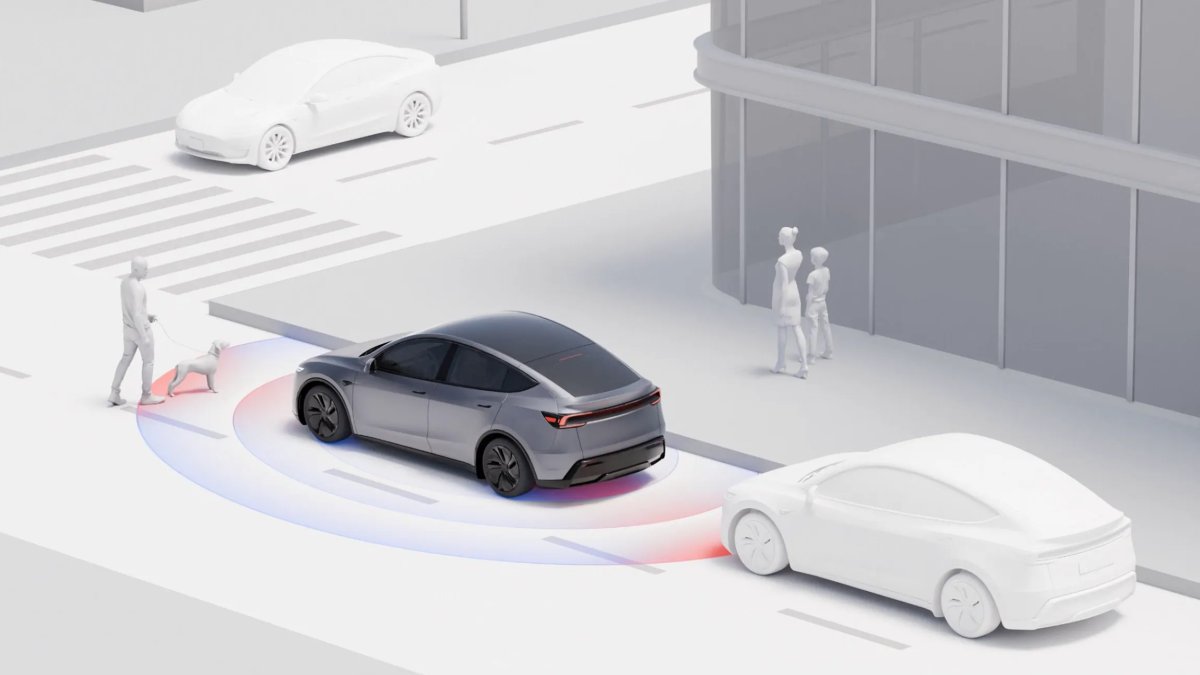
Tesla’s Full Self-Driving (FSD) program and the company’s emerging Robotaxi service are arguably the single biggest non-hardware factor reshaping the ownership experience for Tesla drivers today. Over the past months Tesla has pushed major neural-network upgrades and larger parameter models for FSD, and company leadership has signaled that a new major software generation (commonly referred to as “v14” in the Tesla community) is moving into late testing and staged deployment. At the same time, Tesla’s robotaxi pilots — which couple FSD technology with fleet-style, on-demand ride services — have begun modest public exposure, and Tesla has discussed expanding access (including possible “open access” modes) beyond invitation-only pilots.
For owners in the United States and Europe, these developments mean multiple near-term and mid-term impacts:
-
On-road behavior: Expect frequent over-the-air (OTA) updates that refine lane-changes, roundabout handling, city driving decisions, and highway merges. Some updates will be incremental; others — like major neural-network upgrades — may change how the car behaves noticeably.
-
Safety & regulation: Increased scrutiny from regulators (at least in the U.S.) means Tesla must also defend and document safety metrics; recent regulatory attention underscores how closely regulators are watching FSD-related incidents and reporting. Owners should expect more transparency requests and potentially more nudges from regulators.
-
Robotaxi service: Rollouts are geographically phased; improvements to UX (e.g., how cars arrive, door lock behavior) are material for users when summon/ride functions are enabled in your area. Tesla indicates plans to widen access to robotaxi services, which would change the availability of paid ride-sharing options for owners who participate — and for non-owners who may use Tesla cars as robotaxis.
-
Ownership economics: If robotaxi fleets expand and FSD becomes monetizable beyond an owner’s personal driving (e.g., shared fleet revenue), long-term ownership calculus changes — but that remains speculative and highly region-dependent.
This article explains the technical and practical details of the v14-era upgrades and robotaxi improvements, unpacks regulatory/safety questions relevant to owners in the US and Europe, provides an owner-focused playbook for preparing vehicles and households, and offers an FAQ answering the immediate questions owners typically ask.
1. What exactly is “FSD v14” and why does the version number matter?
Short answer: FSD v14 refers to a significant next-generation software and neural-network upgrade in Tesla’s Full Self-Driving stack. The version number marks an architectural step change (not just bug fixes) — larger models, more parameters, more unified stacks between city and highway driving, and subtle UX changes that will influence how the car handles complex urban scenes.
Why version jumps matter
-
Incremental updates (minor point releases) tend to tweak lane-keeping, turn signals, or detection thresholds. Major jumps (v12 → v14, for example) imply new model architectures or training datasets that can re-shape the car’s decision-making logic. This affects predictability for drivers, the kinds of maneuvers the car attempts autonomously, and how the driver-car handoff is handled.
-
For owners, a major update can feel like driving a different car the first few weeks. It also may require different driver habits (e.g., attention zone, when to take over).
What’s been signaled publicly (today’s context)
-
Tesla and community trackers show that the company has been preparing a large release (called “v14” by community trackers). Industry observers and Tesla trackers suggest this includes a large increase in model parameter counts and expanded capabilities. This generation is positioned as a “feel alive” release by company commentary.
Practical implications
-
Expect OTA updates of varying sizes; some owners will see small changes, while in certain configurations an update may adjust core decision logic.
-
Because training datasets expand continuously, geographic differences matter: a behavior tuned in Austin may not be identical to behavior in London or Paris.
2. Robotaxi — where we are and where this goes
The concept in brief: Tesla’s robotaxi service is an on-demand fleet powered by the same FSD stack. Initially piloted with restricted access and limited vehicles, the robotaxi service demonstrates Tesla’s path from selling cars to operating autonomous mobility services.
Today's developments
-
Tesla has signaled plans to make Robotaxi service more broadly accessible (the phrase “open access” has been used by leadership), and today there were reports of UX improvements (e.g., cars arriving with doors locked to enhance rider safety) being rolled out. Such operational improvements are incremental steps toward scaling.
Operational model & owner participation
-
Two possible models for owners: Tesla scales a fleet of company-operated robotaxis (no owner cars involved), or Tesla permits owner-participation where private Teslas can be added to the fleet and generate revenue when idle. Both have been discussed in various forms; the latter model has more legal/regulatory complexity (insurance, liability, driver responsibilities, local licensing).
-
In the U.S., Texas has begun licensing steps to allow such services in limited formats; in Europe, national rules vary widely — many countries retain rigorous licensing frameworks for driverless taxi services.
What owners should expect practically
-
If robotaxi services expand in your metro area: increased OTA frequency to enable fleet features, optional prompts to join pilot programs, and potential toggles in your Tesla app for fleet modes or availability.
-
If Tesla opens “owner participation,” owners should carefully read terms — there will be insurance, wear-and-tear, and privacy tradeoffs.
3. Safety, regulation, and high-profile scrutiny
Regulatory backdrop
-
In the U.S., NHTSA and other authorities monitor safety incidents involving ADAS and automated driving systems closely. Today, regulators are explicitly auditing/reporting on crash reporting timeliness and transparency — this matters because regulators may demand additional telemetry, reporting procedures, or even temporary scaling back of features if concerns arise.
-
Europe: rules differ country to country; the EU/UNECE frameworks are evolving, and many countries require safety cases and local registration for higher levels of autonomy. A pan-European robotaxi rollout would require navigating many regulators.
Safety metrics and what owners should watch
-
Key owner-relevant metrics: how often the car requires driver takeover, how aggressively it handles merges/roundabouts, reliability of detection in poor weather. Owners should be aware of — and document — unusual disengagements or incidents, especially if regulators ask for owner reports.
Liability & insurance
-
Currently, liability frameworks are unsettled. If your car is operating on FSD and an incident occurs, liability could hinge on local law, whether Tesla’s system was in an engaged state, and whether the driver complied with system cautions. Owners should consult insurance providers for specific guidance; fleet participation (if offered) will likely require explicit policy amendments.
Transparency & company reporting
-
Expect Tesla to provide more telemetry when regulators demand it. Owners may also receive more direct prompts to submit data for investigations or safety studies.
4. How these software and service changes will change daily ownership
Driving experience
-
Over the air improvements will change subtle behaviors: smoother merging, different gap choices, and improved intersection handling over time. Owners should expect periods of adaptation after major updates — in the first 1–2 weeks, monitor how the car handles familiar routes.
App & UX changes
-
New robotaxi integrations will affect the Tesla app (ride scheduling, availability toggles, revenue dashboards if owner participation is allowed). Tesla may also roll out new privacy settings (e.g., what logging is shared when the car operates in robotaxi mode).
Maintenance, wear & battery considerations
-
If the car begins participating in ride services, expect more driving hours and faster wear; battery cycle patterns change, affecting degradation forecasts. Owners opting in for fleet use should budget for increased service and plan for accelerated tire/ brake replacement.
Resale & value
-
Monetization possibilities (e.g., earning as a robotaxi) can increase the asset utility dynamic — but they can also increase depreciation if the market views fleet-participated vehicles as “high-mileage” or “commercial use.” Documenting usage history and maintenance will be important.
5. Practical owner playbook — preparing your car and household
Before an OTA major update
-
Back up key data (if needed) and ensure you have time to test the car on a short route the evening after update. Keep a notepad to record any odd behaviors or unintended maneuvers.
Settings & preferences
-
Review driver-assistance settings and “Nag” options (how often the car reminds you to pay attention). With v14, Tesla has signaled it may reduce some nags once safety is established — but the driver’s responsibility remains.
If you’re asked to participate in a pilot
-
Read terms carefully: insurance, data sharing, wear, and compensation. Ask Tesla for expected mileage and maintenance implications.
If you’re concerned about safety
-
Keep your car updated, attend to recalls or service advisories immediately, and document any incidents thoroughly (dates, routes, screenshots of error messages, dashcam clips if available).
6. Regional differences (US vs Europe): what to watch
United States
-
Faster regulatory experimentation in some states (e.g., Texas) versus federal oversight (NHTSA). Potentially quicker piloting and localized robotaxi operations.
Europe
-
Fragmented national rules require more formal approvals; rollout will likely be slower and regionally patchy. Language, road marking standards, and regulatory requirements can alter FSD performance and release sequencing.
Owner takeaway
-
If you live in a progressive pilot metro (Austin, parts of California), expect earlier access. In many European cities, expect a more cautious, documented rollout.
7. Long-term outlook
Monetization & new ownership models
-
If Tesla monetizes FSD/robotaxi effectively, we may see new TCO calculations for owners (e.g., subsidized purchases if owners commit fleets). But commercialization at scale requires regulatory clarity.
Competition & ecosystem
-
Competitors, regulation, and local market dynamics will shape adoption. Owners should watch announcements from regulators and local mobility authorities.
8. Conclusion
FSD v14 and Robotaxi are not a single-week news story — they are an ongoing structural shift in how Tesla conceives of transportation. For owners, the immediate implications are: (1) more frequent and meaningful OTA updates; (2) the potential for new service integrations and revenue opportunities; and (3) heightened regulatory attention that could accelerate safety transparency but also create pauses and constraints. The safest course for owners is to stay informed, document behaviors, and treat FSD as an assistive system that still requires driver attention unless and until regulators and independent audits establish otherwise.
FAQ
Q1: Will FSD v14 make my car fully autonomous?
A: No. v14 is a major software upgrade that improves autonomy but does not change legal definitions of driver responsibility. Tesla calls it Full Self-Driving but drivers must remain attentive.
Q2: Will my car be eligible to operate as a robotaxi?
A: Not automatically. Robotaxi participation will depend on Tesla’s program terms, local regulation, and whether Tesla enables fleet modes for owner vehicles.
Q3: Is it safe to let my car drive itself overnight when robotaxi mode is enabled?
A: Safety depends on program terms and your comfort with the car’s behavior. If you enroll your car in an owner-participation program, expect insurance & wear implications.
Q4: Does regulatory scrutiny (like the NHTSA probe) mean I should stop using FSD?
A: Not necessarily. It means there’s increased oversight. Continue safe practices: keep updates installed, follow system prompts, and be ready to take control.
Q5: Will FSD updates increase my service/maintenance needs?
A: Software updates may change driving patterns slightly; if you enroll in fleet programs, expect increased mileage and more maintenance.
Q6: How can I document a problem after an update?
A: Use dashcam/phone video, note time/date, location, and save any error messages. Contact Tesla service and keep copies.
Q7: Will robotaxi revenues offset my ownership costs?
A: Possibly in specific markets and under certain terms, but do not assume guaranteed high returns — factor in maintenance, battery wear, insurance, and potential regulatory constraints.
Q8: Where can I get the most up-to-date info?
A: Official Tesla communications, your local Tesla service center, and regulators (NHTSA in the U.S., relevant national authorities in Europe). Community forums document early experiences but verify facts with official sources.
Closing remarks for this article
FSD v14 and the robotaxi story are dynamic — expect continued software innovation, regulatory developments, and regionally different rollouts. For owners, the core principles remain unchanged: keep safety first, document anomalies, and treat FSD as a powerful assistive tool while laws and technology catch up to the promise of driverless mobility.