
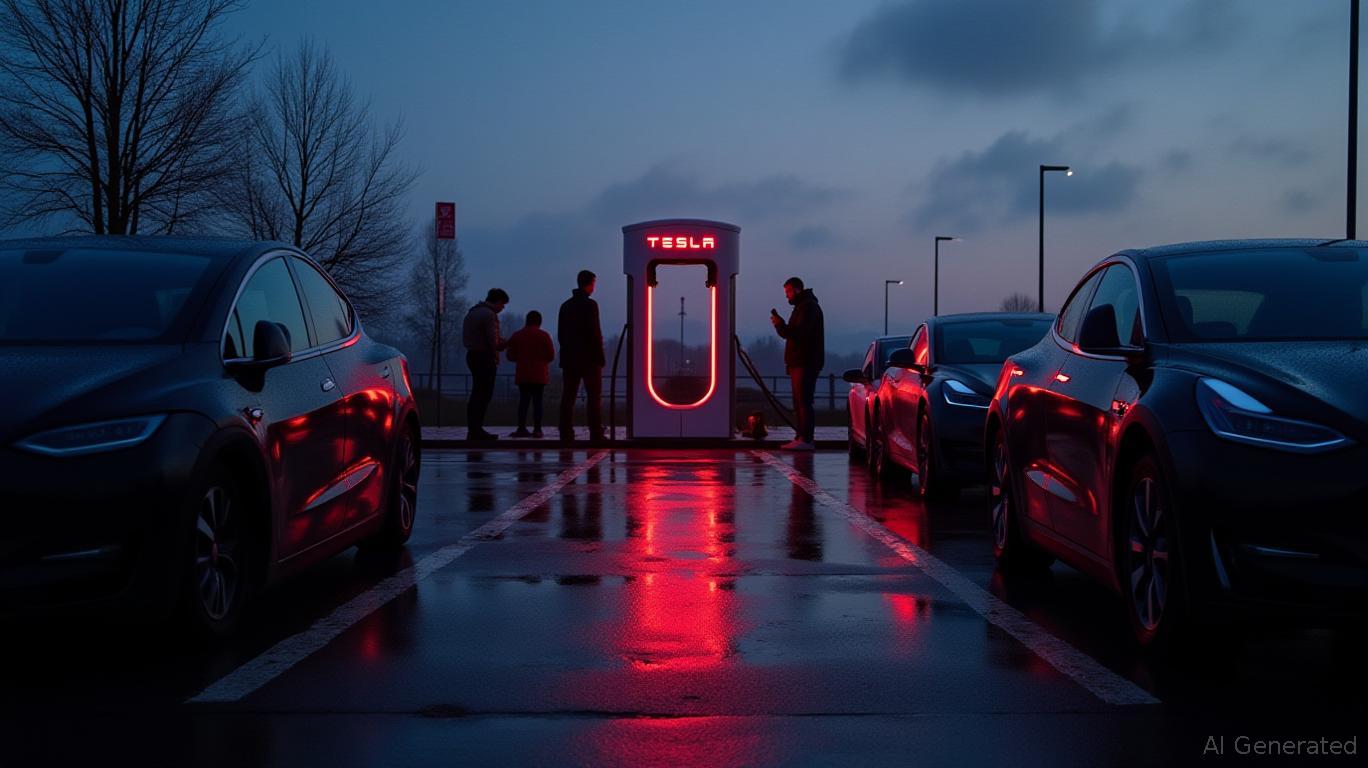
Tesla’s refreshed Model Y has kicked off a rebound in some European markets this summer. In June 2025, registrations of Tesla vehicles jumped significantly in Norway (up 54% year-on-year) and Spain (up 61%), driven largely by the newly updated Model Y. These early deliveries of the “revamped” Model Y (with longer range and new design cues) gave Tesla its first growth in key markets after months of steep declines. However, this bounce is uneven: Tesla sales remain weak in Sweden, Denmark, France and Italy, reflecting stiff competition and mixed brand sentiment. Meanwhile, Tesla has temporarily halted new factory orders for the Model S and X in Europe and Sweden, making only inventory units available. This captures the current market dynamics: a moderate recovery via Model Y in some countries, but structural challenges for the brand’s older luxury EVs in Europe.
Surge from New Model Y Deliveries
Statistical Spike: In Norway, June Tesla registrations climbed 54% as both the old and updated Model Y were delivered. Spain saw a 60.7% rise in June (to 2,632 units), with Model Y volumes doubling. Even Portugal’s sales edged up slightly. These market moves coincided with Tesla’s first European deliveries of the updated Model Y, which had been available to order for months but only started shipping mid-year. Norwegian EV analysts were impressed, calling it “a demonstration of power by Tesla” despite recent turmoil.
Market Nuances: It’s important to note that the raw numbers are relatively modest (hundreds to a few thousand cars), and can be affected by stock availability and timing. For example, one expert cautioned that big percentage changes may “hide small numbers” due to inventory and logistics. Nonetheless, the uptick suggests demand for Tesla’s flagship crossover once customers can actually order and receive it.
Slowdown in Other European Markets
While Norway and Spain perked up, other major markets lagged. Tesla registrations fell by 64% in Sweden and 61.6% in Denmark in June. Sales were down 10% in France and a steep 66% in Italy (even as overall EV sales soared by 117% there). Analysts attribute this to several factors:
Competition: European and Chinese automakers have been releasing many new affordable EVs, chipping away at Tesla’s lead. Chinese brands like BYD have made significant inroads with lower-priced models. By contrast, Tesla’s lineup hasn’t had a new mainstream model since 2020.
Brand Headwinds: CEO Elon Musk’s political controversies (e.g. ties with Trump and far-right figures) led to protests and some boycotts in Europe. Vandalism at Tesla showrooms and chargers also hurt the brand’s image in some countries. Such fallout may have dampened sales in markets like France and Germany.
Model S/X Stall: Compounding this, Tesla paused new orders for Model S and X in Europe. The company said only existing inventory can be bought, with significant discounts being offered (e.g. SEK 155k off Model S in Sweden). This indicates low demand for the older premium models, which have been eclipsed by newer crossovers and sedans. Tesla has already updated the Model S/X in the U.S. (longer range, new styling, etc.) but Europe has not yet seen those features. For now, customers must either take a stock unit or wait (with Tesla giving no timetable to resume custom orders in Europe).
Implications for Tesla’s European Strategy
The mixed data suggest Tesla’s fortunes in Europe are improving only slowly. The company’s strategy now seems focused on pushing the revamped Model Y (Tesla’s best-seller globally) to regain traction. Indeed, Tesla executives have noted the Model Y update as a “classic extension strategy” to give the product line new life. However, sustaining gains will require overcoming competitive pricing and the brand’s regulatory issues. In the meantime, Tesla’s European sales outlook is cautious: it expects further year-on-year declines in total deliveries (potentially the seventh straight quarter), even as it tries to capitalize on the Model Y’s momentum.
Conclusion
In summary, Tesla is seeing signs of recovery in select European markets thanks to its updated Model Y, but the broader picture is challenging. Norway and Spain led an uptick in June, yet several other countries continue to see sharp declines. Tesla’s decision to freeze new orders for the Model S/X in Europe underscores weak luxury EV demand and a need to refresh those models. Overall, Tesla’s European segment is at a crossroads: success for the new Model Y could kickstart growth, but competition and brand challenges mean owners and buyers should watch the landscape closely.
FAQ: Tesla Ownership & Purchases in Europe
Why can’t I order a new Model S or X? Tesla has paused new factory orders for the Model S and X in the EU (including Sweden). You can still buy from existing inventory. The likely reason is low demand; Tesla recently refreshed those models for the U.S. market, and custom order capability may return once the updated versions arrive in Europe.
Is the new Model Y worth waiting for? The refreshed Model Y offers longer range and new features compared to the old version. If you’re in a market with deliveries starting (e.g. Norway, Spain), waiting for the updated Model Y may give you a more future-proof vehicle. Some early buyers in Europe have already received it and seen improved performance.
Should I be concerned about buying a Tesla now? In some countries, Tesla’s popularity has dipped due to external issues, but the cars themselves remain highly rated. If chargers and support are available in your area, the Model 3 and Model Y are competitively priced for EVs. Just note that incentives and market conditions are changing, which could affect pricing and availability.
What alternatives are gaining on Tesla? European automakers (e.g. VW, Renault) and Chinese brands (e.g. BYD, MG) have released new EV models often priced below Tesla’s, which is part of why Tesla’s sales fell. These brands are building more affordable electric crossovers and sedans that may entice buyers who might otherwise have considered a Tesla.
How does Norway’s surge compare to other countries? Norway is an extreme EV market (often 80–90% of new cars are electric) and was among the first to receive Tesla’s updated Model Y. Other countries might see less dramatic gains simply because EV market share varies. Growth in Norway and Spain shows potential, but the absolute numbers remain smaller in bigger markets like France or Italy.