
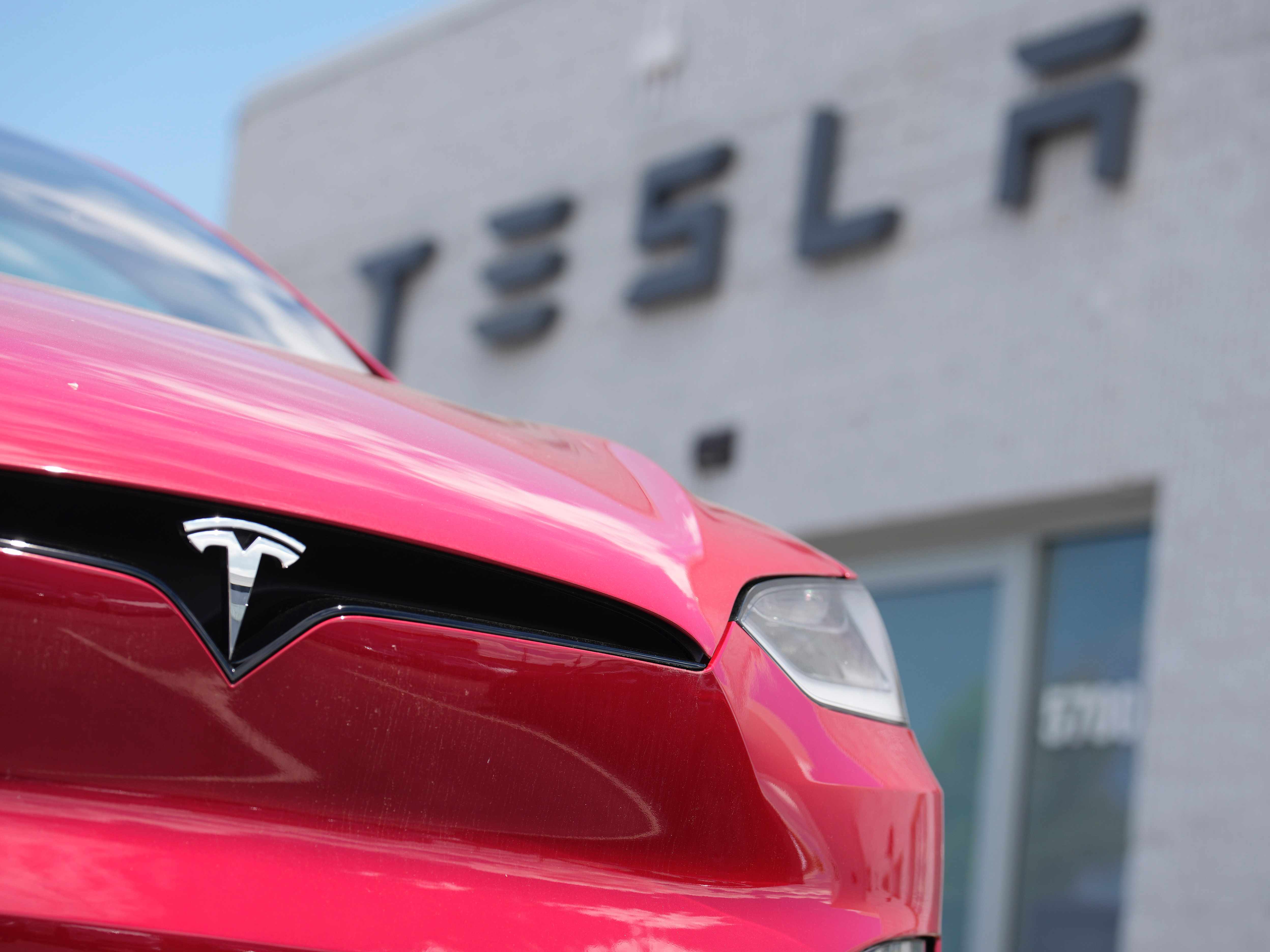
Introduction: A New Chapter for the EV Pioneer
In 2025, Tesla, once the undisputed top seller of electric vehicles (EVs) worldwide, faced a dramatic shift in its market position. For the first time in its history, Tesla’s annual vehicle deliveries and total revenue declined, and it lost the title of the world’s largest EV maker to China’s BYD. This marks the second straight year of dropping sales — a rare occurrence for a company that had previously posted consistent growth.
In this article, we explore the key drivers behind this downturn, its regional implications in the United States and Europe, how competition and policy changes have reshaped the EV landscape, and what this means for Tesla owners, investors, and the broader automotive industry.
Chapter 1: Understanding the Numbers — What Happened in 2025?
Annual Sales & Revenue Trends
In 2025, Tesla delivered approximately 1.64 million electric vehicles globally, a 9% decrease compared to 2024, when deliveries were about 1.79 million. At the same time, competitor BYD sold roughly 2.26 million vehicles, growing by about 28%, allowing it to claim the global EV sales crown for the first time.
This decline happened as global EV sales overall continued to grow, highlighting that Tesla’s setback wasn’t due to weak EV demand in general — it was due to competitive, regulatory, and market challenges specific to Tesla.
Revenue Fall and Profit Pressure
Alongside dropping deliveries, Tesla’s total revenue declined in 2025, the first such year‑over‑year contraction in decades. Automotive revenues, a core part of the business, fell by more than 10%, and the company’s net profit tumbled by around 46% from 2024 figures.
While the company saw growth in other areas like energy storage and services, the revenue and profit contraction in its automotive business was a significant turnaround from earlier years of rapid growth.
Chapter 2: Key Factors Behind Tesla’s Sales Drop
1. End of US Federal EV Tax Credits
One of the primary headwinds Tesla faced in 2025 was the expiration of the US federal EV tax credit, which provided up to $7,500 for qualifying EV purchases. The incentive was phased out by late September 2025, leading to a rush of purchases earlier in the year, followed by a slowdown as the year progressed.
Without this subsidy, many potential buyers postponed or canceled purchases, particularly in the United States, one of Tesla’s largest markets.
2. Intensified Competition in Global EV Markets
Tesla’s decline also reflects intensified global competition — especially from Chinese manufacturers like BYD, which not only surged domestically but also expanded rapidly into Europe and other regions. BYD’s broader lineup and competitive pricing helped it capture market share that Tesla had long defended.
European brands and other Asian manufacturers are also growing their EV portfolios with more region‑specific models and incentives, making Tesla’s once‑dominant position more contested.
3. Consumer Perception and Brand Sentiment
Beyond economic factors, brand perception issues shifted consumer sentiment in key markets. Tesla faced backlash over CEO Elon Musk’s political associations and public statements, which some analysts say contributed to weaker consumer demand — especially in Europe and parts of the United States.
While Musk’s polarizing profile has long been part of Tesla’s identity, it appears to have played a larger role in 2025 as mainstream EV buyers weighed their preferences more carefully.
Chapter 3: Regional Deep Dive — US vs Europe
Sales Trends in the United States
In the United States, Tesla remained a major EV brand but was not immune to the sales slump. Demand softened markedly after the federal tax credit expired, and competition from both established automakers and EV startups intensified.
Tesla’s deliveries in key metropolitan markets saw noticeable declines, and inventory levels reportedly increased as new Tesla vehicles took longer to sell. This dynamic affected pricing strategies and promotional efforts throughout late 2025.
Sales Trends in Europe
In Europe, Tesla encountered a steeper challenge. EV sales in the European Union continued to grow overall, but Tesla’s shipments declined sharply — by some estimates over 20–30% in certain months — due to heightened competition from both local brands and Chinese imports.
Europe’s market dynamics — including stricter emissions standards and a broad range of EV incentives that benefit European manufacturers — meant Tesla was fighting on multiple fronts to maintain market share.
Chapter 4: Market Reactions — Investors and Analysts Weigh In
The market response to Tesla’s 2025 performance was mixed. Despite the decline in automotive sales and profit, Tesla’s share price remained resilient, buoyed by optimism around future technologies such as Full Self‑Driving (FSD), robotics, and the upcoming Cybercab robotaxi program.
Analysts have suggested that investors are looking beyond current vehicle sales to Tesla’s potential transformation into a more diversified technology and mobility company.
However, some stock analysts remain cautious, noting that a prolonged sales decline could pressure Tesla’s revenue base without clear near‑term catalysts from new technologies.
Chapter 5: What This Means for Tesla Owners
For Tesla owners — especially in the US and Europe — the 2025 downturn has several implications:
Resale Value & Used Market Impact
-
Used Tesla prices may soften in the near term as more models enter the resale market due to slower new car uptake.
-
Brand strength and future tech (e.g., FSD) will be key determinants of long‑term resale value.
Service and Ownership Experience
-
Tesla’s focus on expanding energy and software offerings could benefit owners through new features and services.
-
However, service wait times and parts availability may remain challenges as the company balances priorities and resources.
Regional Policy and Incentives
-
In Europe, where EV incentives remain prevalent, owners may benefit from more competitive pricing and local support for charging infrastructure.
-
In the US, federal incentives may return or be restructured, which could revive purchasing demand.
Conclusion: A Turning Point for Tesla
Tesla’s 2025 sales and revenue decline marked a significant inflection point in the EV market. Losing the world’s top EV seller title to BYD reflects not just a shift in numbers but a broader realignment of global competition, market incentives, and consumer preferences.
While Tesla remains a major force in EVs and innovative technologies, it now operates in a much more competitive and complex landscape. For owners and investors alike, the next few years — with advancements in autonomy, robotics, and regional dynamics — will be critical in shaping Tesla’s trajectory.
FAQ — Frequently Asked Questions
Q1: Why did Tesla lose the title of world’s top EV maker in 2025?
Tesla’s annual deliveries declined for the second consecutive year, while competitor BYD saw strong growth — particularly in Europe and China — overtaking Tesla in total sales.
Q2: Did Tesla’s revenue also fall in 2025?
Yes. Total revenue contracted, marking the first year‑over‑year decline in decades, with automotive revenue down significantly.
Q3: How did policy changes affect Tesla sales?
The expiration of US federal EV tax credits significantly reduced demand, especially in the latter half of 2025, which contributed to weaker sales.
Q4: Will Tesla recover its market position?
Recovery depends on factors including new product launches, competitive pricing, renewed incentives, and success in emerging tech areas like autonomy.
Q5: What should Tesla owners expect in 2026?
Owners may benefit from technology upgrades and expanded services, but regional sales dynamics and market competition will continue shaping Tesla products and pricing.