
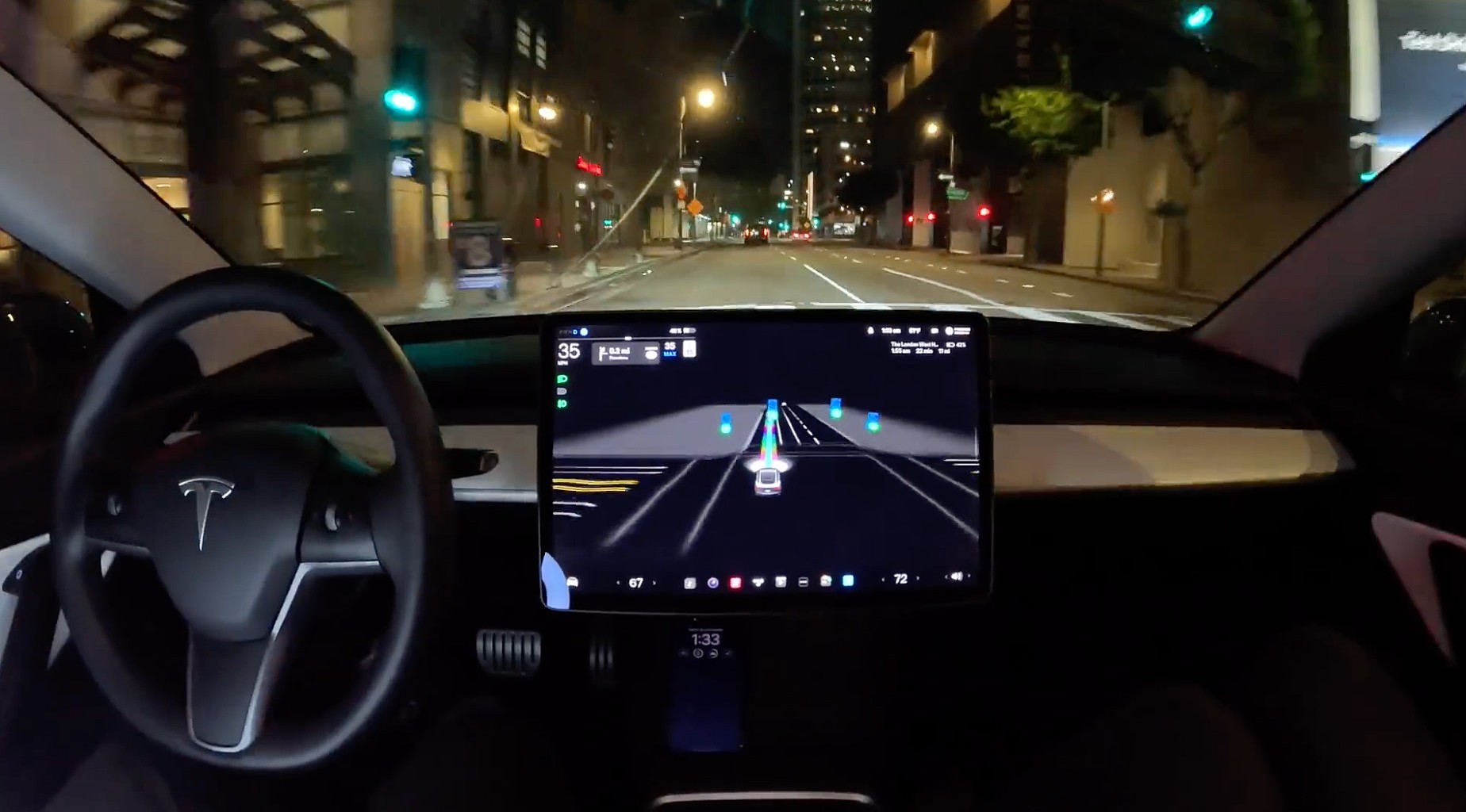
Tesla continues to lead with a software-first approach, shipping frequent over-the-air (OTA) updates that add convenience, safety features and occasional hidden changes. In recent weeks Tesla has released incremental builds that include UI and security improvements (for example, compatibility between Start-FSD and PIN to Drive), subtle changes to drowsiness detection and supervisory prompts, and a variety of UX and service tweaks. These changes arrive while regulators in the United States and Europe remain engaged — examining reporting practices, safety validation, and the legal framework for higher levels of vehicle automation. For U.S. and European owners the immediate priorities are clear: understand what changed after each OTA, test new interactions in safe environments, preserve relevant logs or footage if you experience issues, and be aware that regulatory approvals may lag behind what the software technically supports.
1) What Tesla actually changed — plain-English review of recent OTA updates
Tesla’s update cadence is fast and often iterative. Recent families of builds have included visible interface changes and less obvious logic adjustments. Examples of commonly observed changes include:
-
Fixes that reduce friction for commonly used security-and-convenience combinations (for example, Start-FSD workflows working with PIN to Drive). Such fixes address real owner pain points: they let security features coexist with convenience flows so owners don’t need to decide between the two.
-
UX and service tweaks such as improvements to Car Wash Mode, small changes to Sentry Mode and ambient lighting behavior, and diagnostic or telemetry changes that affect how certain vehicle health checks are surfaced.
-
Subtle updates in driver-monitoring and drowsiness-detection logic, which can change how and when the vehicle issues supervisory prompts or suggests enabling certain supervised-driving features.
These updates are often shipped to limited subsets of vehicles first, observed by community trackers and early adopters, and then gradually rolled out. Owners should expect both visible UI changes and hidden adjustments to telemetry or validation thresholds that may only be noticed later by observant users.
2) The regulatory landscape — US & Europe
Regulation plays a critical role in how Tesla’s software features are deployed and used.
United States
U.S. regulators continue to scrutinize advanced driver assistance systems. Authorities have focused on whether automakers provide timely and complete incident reporting, how systems are marketed to consumers, and whether safety-critical updates are validated appropriately. This ongoing oversight can lead to formal inquiries, mandated fixes, or stricter reporting requirements that in turn affect OTA deployment practices.
Europe
In Europe the approval environment is different: the UNECE rule-making process and national-level agencies play major roles in determining what can be legally deployed and under what conditions. Even when Tesla’s software technically supports a feature, national implementations and regulatory approvals may be required before the feature can be used legally on public roads. This creates a timing gap where code capability can outpace legal permission.
Practical effect
-
U.S. owners may see faster feature rollouts but also possible regulatory follow-ups such as data-request demands or forced changes if authorities identify systemic safety issues.
-
European owners must track country-level notices and UNECE developments, since legal clearance can restrict the use of certain automation features even if the car’s software supports them.
3) Safety implications & owner responsibilities
Even as Tesla improves convenience and adds advanced features, safety remains an owner responsibility. Key points:
-
Driver supervision is required. Despite richer UI and automation prompts, current Tesla systems require an attentive driver who is ready to intervene. The company’s features are still best described as advanced driver assistance — not hands-off autonomy.
-
Drowsiness prompts and supervisory nudges can help, but they are not substitutes for rest. If the vehicle detects fatigue and suggests enabling supervised features, the safe response is to rest or stop driving rather than rely on the car for a long period.
-
Document incidents carefully. Because OTA builds change the vehicle’s behavior and the telemetry captured, owners involved in collisions or odd behaviors should save dashcam footage, note software versions, and preserve timestamps. That information is often critical in regulatory reviews or service diagnostics.
-
Understand what changed after each OTA. A best practice is to read the official release notes and consult community trackers to learn if other owners see emergent issues before relying on a new feature in challenging conditions.
4) How Tesla tests & validates OTA code (technical deep-dive for curious owners)
Tesla’s validation pipeline relies on a mix of laboratory testing, internal test fleets, large-scale production telemetry, and targeted pilot releases. The company typically:
-
Conducts offline verification and simulation runs for new algorithms.
-
Uses shadow mode and fleet telemetry to observe how algorithms perform in real-world conditions without necessarily enabling those behaviors in active control.
-
Rolls out features incrementally (canary rollouts), watching telemetry for regressions before wider deployment.
-
Employs rapid rollback capability to revert builds that produce problematic metrics.
For owners, that pipeline explains why some updates appear to introduce new behaviors that are later refined; it also highlights why community observation and shared logs are valuable for spotting regressions that the canary process might miss in specific conditions.
5) Practical ownership guidance — what to do now
Owners should adopt a proactive checklist after each OTA:
-
Check your software version and screenshot it after updates. Keep that screenshot with other vehicle records.
-
Read the release notes listed under the vehicle’s Software menu, then cross-check community trackers for early reports of issues.
-
Test new features safely — an empty parking lot or low-speed environment is ideal for validating interactions you haven’t used before (for example, PIN + Start-FSD workflows).
-
Preserve footage and logs if you encounter strange behavior or are involved in an incident: dashcam clips, Sentry footage, VIN, and timestamps are valuable.
-
Follow local legal guidance: in many European countries, wait for regulatory clearance for higher automation uses even if the vehicle offers a feature in software.
-
Keep service informed: if you notice degraded performance or new warnings after an update, contact Tesla service early to flag the behavior.
6) Future outlook — what to watch
Several items could materially change the software/autonomy landscape in the near term:
-
Regulatory milestones at the UNECE and in national agencies across Europe that define what counted-as-allowed automation will look like and what documentation is required from automakers.
-
Telemetry transparency: regulators may demand more structured incident and telemetry reporting, which could slow feature rollouts or change how Tesla logs and stores data.
-
Pilot expansions for higher levels of automation (robotaxi pilots or supervised commercial programs) that will generate additional data and regulatory attention.
Owners should monitor official regulatory announcements, Tesla’s public safety reports, and reputable industry coverage as these developments unfold.
Conclusion
Tesla’s OTA model keeps delivering visible improvements and subtle system changes at a pace unmatched by legacy automakers. That rapid innovation benefits owners via new features and refinements, but it also requires vigilance: read release notes, validate new behaviors safely, preserve records, and stay aware that legal clearance in Europe or regulatory scrutiny in the U.S. can influence when and how features are used. Treat current FSD and assisted-driving tools as powerful aids — not replacements for driver attention and responsibility.
FAQ
-
Does receiving an OTA mean my Autopilot is now autonomous?
No. Most updates add assistance, convenience or supervised-mode features; they do not convert the car to full autonomy. Continue to monitor and supervise. -
If my car suggests enabling FSD because I seem tired, is that safe?
No. If you’re tired the safest option is to rest or stop driving. Supervised-driving features aren’t a substitute for sleep. -
Should I delay every OTA until it’s been widely tested?
Not necessarily. Many updates are minor security and UX fixes. If you rely on your vehicle for commercial purposes or are risk-averse, you can wait a few days for community feedback. -
What should I save after an odd incident?
Save dashcam/Sentry footage, note VIN and software version, capture timestamps, and contact Tesla or local authorities as required. -
Does PIN to Drive protect against theft if Start-FSD works with it?
PIN to Drive adds security by requiring an authentication PIN to move the car; it’s one layer of protection but not a guarantee against theft if other vulnerabilities exist. -
Will European regulators block new features after an OTA?
Regulators can restrict how features are used in public roads or require modifications; legal authorization often lags technical capability. -
How does Tesla roll back problematic updates?
Tesla can push rollback builds to affected vehicles; the company typically monitors telemetry to identify issues quickly and respond. -
Where should I look for accurate notes about a release?
Start with your car’s Software screen for official notes, then consult reputable community trackers and trusted automotive reporting for additional context and early reports.