
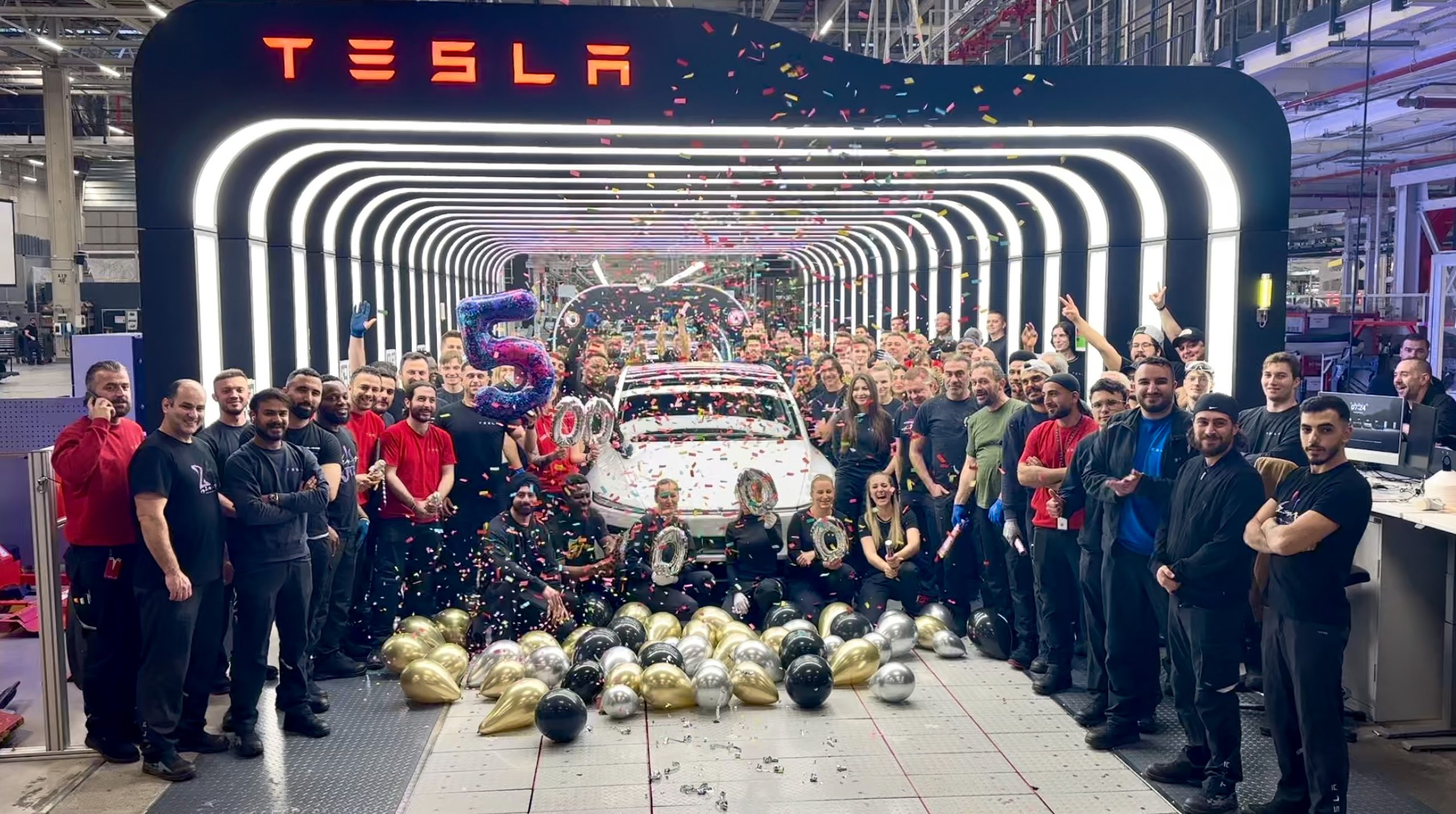
Tesla’s global expansion has always revolved around its Gigafactories, the massive production hubs designed to streamline EV and battery manufacturing. In 2025, Tesla’s European operations, particularly Gigafactory Berlin-Brandenburg (Giga Berlin), are entering a critical phase. As Tesla ramps up production, invests in new battery technologies, and navigates political and environmental scrutiny, Europe is becoming a central battleground for the company’s long-term strategy.
This article explores Tesla’s current European factory operations, expansion plans, technological innovation, regulatory environment, and the challenges Tesla faces in scaling up within one of the world’s most competitive EV markets.
Background: The Role of Gigafactories in Tesla’s Strategy
Gigafactories are not just large production sites; they represent Tesla’s philosophy of vertical integration. By producing batteries, motors, and vehicles under one roof, Tesla aims to cut costs, increase speed, and control its supply chain.
In Europe, this strategy carries added weight: the EU is aggressively pushing toward zero-emission transportation, with a ban on internal combustion engine sales set for 2035. Localized manufacturing enables Tesla to avoid tariffs, reduce shipping costs, and qualify for regional incentives.
Giga Berlin: Current Status in 2025
Tesla’s first European Gigafactory, located outside Berlin, began production in March 2022. By 2025, it has become Tesla’s fastest-growing plant outside of China.
Current Output
-
Production capacity: Estimated at 375,000 vehicles annually, primarily Model Y, Europe’s best-selling EV.
-
Battery manufacturing: Ramp-up of 4680 cell production lines to reduce reliance on imports from the U.S. and China.
-
Workforce: Over 12,000 employees, with plans for further expansion.
Strategic Role
-
Supplies vehicles across the EU and UK, reducing delivery times.
-
Positioned near key supply chains for batteries and raw materials.
-
Acts as Tesla’s testbed for renewable-powered production.
Expansion Plans in 2025
Tesla has announced significant investments to expand Giga Berlin’s footprint, focusing on both vehicle and battery production.
-
4680 Battery Production
Tesla aims to localize production of its high-energy-density 4680 cells, critical for long-range EVs and cost reduction. Success here would make Giga Berlin less dependent on imported cells from the U.S. Gigafactory in Texas. -
New Production Lines
Plans include expanding production beyond the Model Y to include the Model 3 Highland for European markets. Cybertruck exports remain uncertain but could be considered once production stabilizes in the U.S. -
Sustainability Initiatives
Giga Berlin is transitioning toward greater reliance on wind and solar energy, in line with Germany’s ambitious renewable goals. Tesla is also experimenting with closed-loop water recycling to address local environmental concerns.
Innovation at the European Factories
Tesla’s European Gigafactories are not just about scaling volume but also pioneering innovation.
-
Structural Battery Packs: Integration of 4680 cells directly into the vehicle structure for efficiency and cost reduction.
-
Next-Gen Manufacturing Lines: Heavy use of automation, including Giga Press machines for single-piece castings.
-
Localized Supply Chains: Tesla is working with European suppliers to reduce logistical complexity, particularly in battery materials like nickel and lithium.
These innovations, if successful, could influence not only Tesla’s operations but also Europe’s entire EV supply ecosystem.
Political and Environmental Scrutiny
Despite progress, Giga Berlin has faced consistent opposition and regulatory challenges.
-
Water Usage Concerns: Local environmental groups argue the plant strains regional water resources.
-
Labor Relations: German labor unions have pushed for stronger worker protections and collective bargaining, a new experience for Tesla compared to its U.S. operations.
-
Permitting and Bureaucracy: Europe’s stricter regulatory processes have slowed some expansions, in contrast to China’s rapid approvals for Giga Shanghai.
Tesla’s ability to navigate these pressures will determine whether its European factories can reach full potential.
Implications for European EV Market
Tesla’s European Gigafactories bring both opportunities and challenges for the regional EV industry.
-
Competitive Pressure: Local automakers like Volkswagen, BMW, and Mercedes face stiffer competition as Tesla increases local supply.
-
Job Creation: Thousands of new positions boost local economies, though automation raises questions about long-term employment stability.
-
Supply Chain Transformation: Tesla’s focus on vertical integration encourages suppliers to adapt and innovate, reshaping Europe’s EV ecosystem.
Challenges Ahead
While Tesla’s European factories are expanding, they face hurdles:
-
Scaling 4680 Cell Production: Success is not guaranteed; early struggles in the U.S. show the complexity of this technology.
-
Balancing Growth with Sustainability: Environmental activists will continue to scrutinize Tesla’s operations.
-
Global Competition: Chinese EV makers entering Europe add additional pressure, forcing Tesla to remain cost-competitive while maintaining brand appeal.
Looking Ahead
By 2030, Tesla envisions its European operations contributing significantly to its global production targets of 20 million vehicles annually. If Giga Berlin and future European factories succeed in scaling, Tesla could dominate not only the premium EV market but also mainstream adoption across Europe.
Key milestones to watch:
-
Successful ramp-up of 4680 battery production.
-
Introduction of additional vehicle models from Giga Berlin.
-
Smooth integration of sustainability practices to appease regulators.
Conclusion
Tesla’s European Gigafactories in 2025 represent both opportunity and challenge. Giga Berlin is already a cornerstone of Tesla’s supply chain, producing hundreds of thousands of vehicles and pushing forward battery innovation. At the same time, regulatory, environmental, and competitive pressures mean Tesla cannot simply replicate its U.S. or Chinese strategies in Europe.
For European EV buyers, Tesla’s local manufacturing promises faster delivery times, lower costs, and potentially more model availability. For policymakers, Tesla’s investments underscore the importance of creating favorable conditions for clean industry growth. Ultimately, the success of Tesla’s European factories will help define the trajectory of EV adoption across the continent.
FAQs
Q1: What models does Tesla currently produce at Giga Berlin?
Primarily the Model Y, with future expansion to include the Model 3 Highland.
Q2: Is Tesla producing its 4680 batteries in Europe yet?
Pilot production has begun, but scaling remains a challenge. Tesla aims for significant volume by late 2025.
Q3: How does Giga Berlin compare to Giga Shanghai or Giga Texas?
Berlin has faced more regulatory delays but is strategically crucial for the European market, whereas Shanghai and Texas scale faster.
Q4: Are there plans for another Gigafactory in Europe?
Rumors suggest possible future sites in Spain or the UK, but nothing has been officially confirmed.
Q5: How is Tesla addressing environmental concerns at Giga Berlin?
Through renewable energy integration, water recycling systems, and sustainability reporting, though activists remain skeptical.