
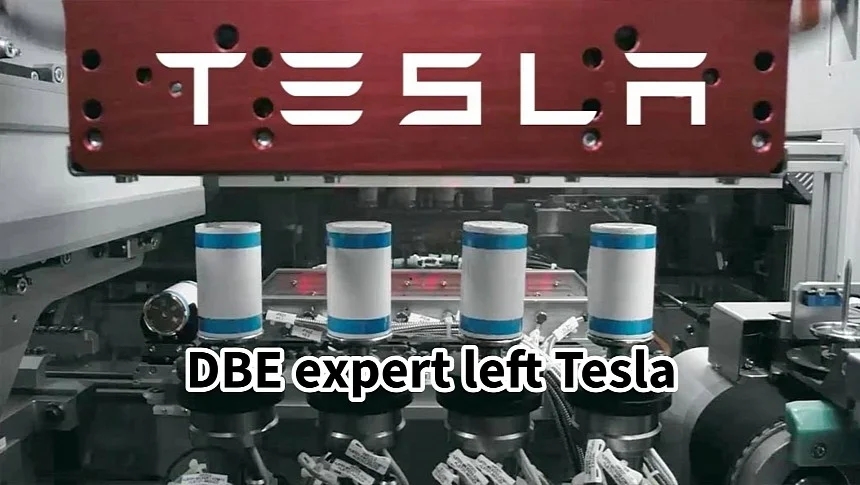
Introduction: Why Battery Innovation Still Matters
Electric vehicles (EVs) are only as good as the batteries that power them. Over the past decade, advances in cell chemistry, energy density, and manufacturing processes have driven improvements in range, performance, cost, and safety. Tesla has long been a pioneer in this field—not only pushing vehicle technology but aggressively innovating behind the scenes in battery manufacturing.
In early 2026, Tesla reached a critical milestone in battery engineering: successfully scaling the dry electrode manufacturing process for its next‑generation 4680 cells. This achievement represents one of the most challenging breakthroughs in lithium‑ion battery production and raises the prospect of lower costs, simpler factory design, and enhanced performance for future EVs. It also renews industry interest in the long‑term goal of all‑solid‑state batteries (ASSBs)—often described as the “holy grail” of EV energy storage.
This article explains what this breakthrough is, why it matters for Tesla and EV owners, and how it fits into the broader evolution of automotive battery technology.
1. Understanding Battery Manufacturing: From “Wet” to “Dry.”
1.1 The Traditional “Wet” Electrode Process
Since the commercialization of lithium‑ion batteries in the early 1990s, most manufacturing methods have followed a similar pattern:
-
Active materials, conductive additives, and binders are mixed with solvents to form a slurry
-
That slurry is coated onto metal foils
-
The coated foils are dried in large ovens to evaporate solvents and form a solid electrode layer
This method works, but it has significant drawbacks:
-
High energy consumption to dry solvent‑laden slurries
-
Large factory footprint and expensive infrastructure
-
Environmental concerns related to solvent use and recovery
-
Production bottlenecks when scaling up to industrial volumes
In contrast, the dry electrode method eliminates solvents entirely and significantly reduces manufacturing complexity.
1.2 The Dry Electrode Breakthrough
Tesla’s recent announcement confirms that it has successfully scaled a full dry electrode process for both anode and cathode production on its 4680 cells—a milestone the company has pursued for years. This breakthrough means electrode manufacturing no longer needs solvent mixing, wet coating, and lengthy drying steps that consume energy and slow production.
This advancement involves:
-
Mixing active materials and conductive carbon first
-
Introducing dry binders (such as PTFE) in a carefully optimized sequence
-
Using specialized dry mixing and multi‑roll compacting equipment to form cohesive electrode sheets without solvents
The result is a more efficient, cleaner, and potentially less costly manufacturing process.
2. What Tesla’s Dry Electrode Technology Means for EV Manufacturing
2.1 Lower Costs and Simpler Factories
By eliminating solvents and long drying ovens, Tesla can:
-
Cut energy consumption significantly
-
Reduce the size and complexity of factory layouts
-
Lower capital expenditure on battery line equipment
Tesla’s official commentary highlights that the dry process “cuts cost, energy use, and factory complexity while dramatically increasing scalability,” signaling greater production flexibility at giga‑scale.
2.2 Higher Production Flexibility
Dry electrode technology allows factories to scale more rapidly and adjust production volumes more easily in response to vehicle demand. This is especially important as Tesla continues to expand production of Model Y and Model 3 variants across the U.S. and Europe.
2.3 Environmental and Safety Advantages
Because the dry process removes solvents, battery manufacturing becomes inherently:
-
More environmentally friendly
-
Safer for factory workers
-
Less reliant on solvent recovery systems
These benefits align with global EV manufacturing goals for sustainability and lower carbon footprints.
3. Impact on the 4680 Battery Program and Tesla Vehicles
3.1 A Long‑Term Strategic Focus
The 4680 battery cell—named for its geometry (46 mm diameter, 80 mm length)—was introduced several years ago as part of Tesla’s vision for higher energy density, lower cost, and scalable manufacturing. While initial iterations used conventional methods, the dry process has long been seen as the “complete version” of the 4680 vision.
Tesla’s latest update confirms that both the anode and cathode in these cells now use the dry process—something the company has been striving for since at least 2024.
3.2 Cost and Performance Improvements
Industry sources suggest that the dry electrode method could reduce battery costs by a significant percentage compared with traditional processes—potentially cutting them roughly in half—due to savings in materials, energy, and manufacturing equipment.
In practical terms, this could result in:
-
Lower vehicle prices or smaller cost increases for a higher driving range
-
Improved energy density and therefore longer real‑world range
-
A simpler supply chain for battery materials and production
3.3 Model Y’s Role
Tesla has already begun producing battery packs for certain Model Y vehicles using these 4680 cells, reinforcing its strategy to equip its most popular model with next‑gen technology while navigating global supply challenges like trade barriers and tariffs.
4. All‑Solid‑State Batteries: The Next Frontier
4.1 What Are All‑Solid‑State Batteries?
All‑solid‑state batteries (ASSBs) replace the liquid electrolyte used in conventional lithium‑ion cells with a solid electrolyte. This offers theoretical advantages, including:
-
Higher energy density
-
Better safety (reduced fire risk)
-
Longer lifespan
-
Wider operating temperature range
ASSBs have long been described as the “holy grail” of EV battery technology because they promise dramatic improvements over current lithium‑ion systems. Collaborations and development efforts continue across the automotive industry, including in Japan and China, aiming to commercialize solid‑state batteries within the next decade.
4.2 Dry Electrode and ASSB Synergy
While Tesla’s dry electrode breakthrough is not the same as a full solid‑state battery, it aligns with a broader industry move toward removing liquids and solvents from battery production. Dry electrode processing could play a key role in making future solid‑state batteries more manufacturable at scale—especially because high‑density solid electrolytes often require fabrication methods that differ from conventional wet processes.
5. Broader Industry Context
5.1 Competitive Landscape
Other automakers and battery makers are also investing heavily in dry and solid‑state technologies. For example:
-
Nissan is pursuing all‑solid‑state batteries using dry electrode‑style processes
-
CATL is building semi‑solid and solid‑state production lines targeting future mass applications
Such investments reflect a global industry consensus that next‑generation battery technologies will drive the next wave of EV performance and cost improvements.
5.2 What This Means for Tesla Owners
For U.S. and European Tesla owners, these developments imply:
-
Continued improvements in battery life and range over successive vehicle generations
-
A likelihood of better resale value as newer battery technologies become mainstream
-
A competitive advantage for Tesla vehicles in markets where range and charging convenience are key buying factors
Additionally, Tesla’s leadership in battery manufacturing could help ensure more resilient supply chains and lower exposure to global material cost fluctuations.
Conclusion: A Milestone in EV Battery Evolution
Tesla’s successful scaling of the dry electrode manufacturing process for its 4680 battery program marks a significant technical and industrial achievement. While not yet a full all‑solid‑state solution, this development brings many of the benefits associated with next‑generation battery technology closer to reality—including lower costs, improved manufacturing efficiency, and better performance potential.
For Tesla owners and prospective buyers in the U.S. and Europe, this breakthrough signals that the EV revolution continues to evolve, not stagnate. With this foundation, Tesla and the entire EV industry may be positioned for a new era of more efficient, high‑performance, and cost‑effective electric vehicles.
Frequently Asked Questions (FAQ)
Q1: What exactly is dry electrode technology?
Dry electrode technology eliminates the use of liquid solvents in battery electrode production, reducing energy use, cost, and manufacturing complexity.
Q2: How does the dry process differ from traditional battery manufacturing?
Traditional methods use wet slurry coating and drying ovens, while dry electrode methods mix all components in dry form and compact them without solvents.
Q3: Will Tesla vehicles get all‑solid‑state batteries soon?
Not yet—full all‑solid‑state battery commercialization remains a future milestone. However, Tesla’s dry process is a critical step toward manufacturable next‑generation batteries.
Q4: How might this affect Tesla vehicle prices?
Lower production costs could help Tesla maintain competitive pricing or improve margins, potentially benefiting customers with more features or range for similar prices.
Q5: Do dry electrode batteries improve range or charge speed?
While the primary benefit is manufacturing efficiency and cost, dry electrode cells can also support higher energy density, which may translate to longer range over time.