
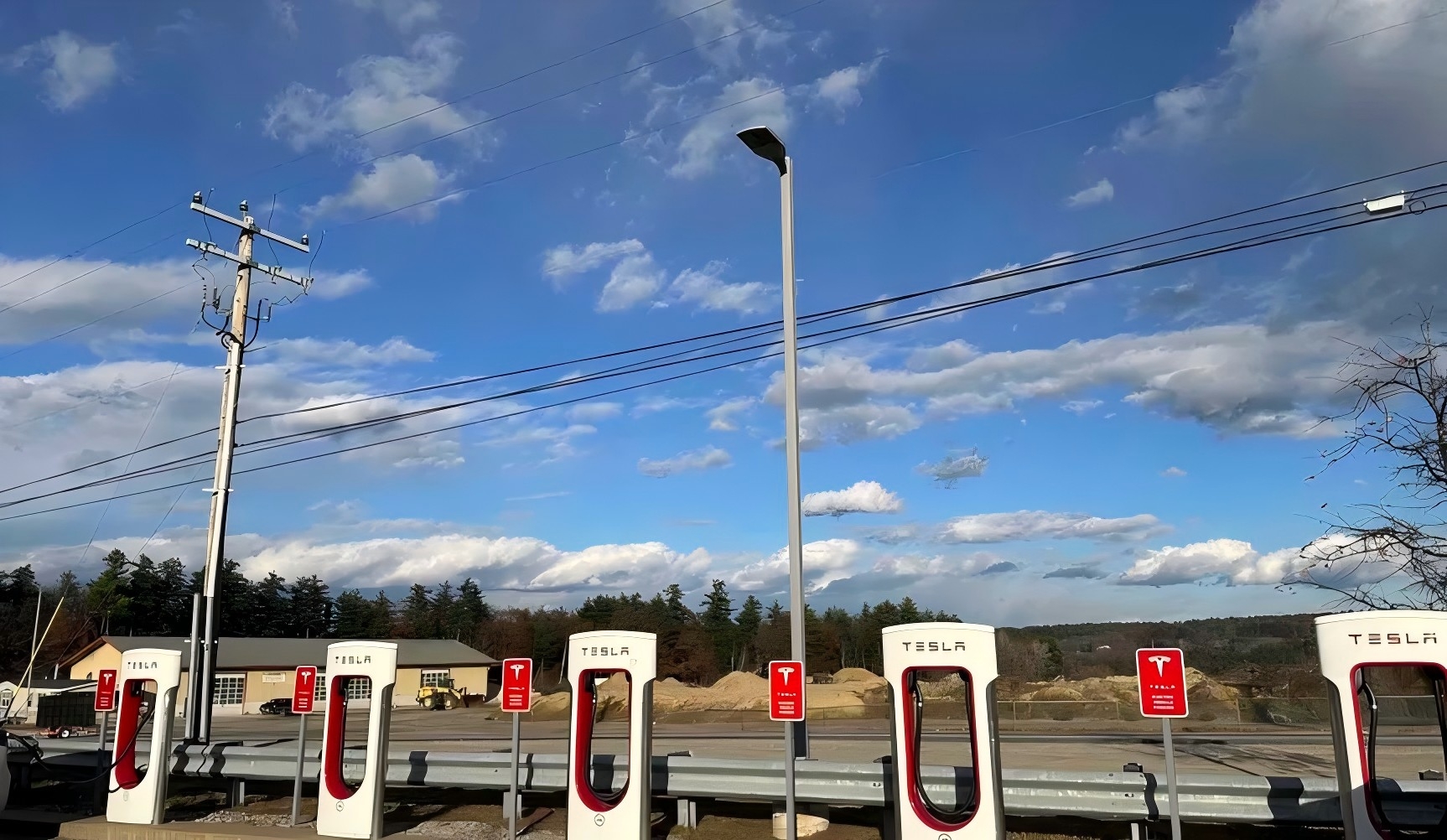
As electric vehicles proliferate, charging infrastructure is a hot topic. Tesla continues to invest heavily in its Supercharger network, even as new alliances of public chargers emerge in Europe. In May 2024 Elon Musk announced Tesla will spend “well over $500M” to add thousands of new Superchargers that year. Meanwhile, in Europe four major charging firms (Ionity, Fastned, Electra, Atlante) formed the Spark Alliance, planning to build 1,700 ultra-fast stations (11,000 chargers) – surpassing Tesla’s station count on the continent. In this competitive environment, Tesla is also opening its network to non-Tesla EVs (via the North American Charging Standard) and partnering with fuel retailers abroad. Together these moves shape the EV charging landscape for Tesla owners and all EV drivers.
Tesla’s Supercharger Expansion Plans
-
Investment & Growth: Tesla’s own Supercharger network remains one of the largest and fastest in the world. In May 2024, Elon Musk reaffirmed a $500 million push to expand fast-charging, adding thousands of new Supercharger stalls. In Q1 2025, Tesla reported adding over 2,200 new stalls globally (notably many in Europe) for a total exceeding 65,000 connectors worldwide. These efforts aim to solidify Tesla’s charging lead and prepare for increased EV adoption under federal funding programs.
-
Open Network & Partnerships: In early 2024 Tesla opened parts of its U.S. network to rival brands under a $7.5 billion federal program. In Europe, Tesla chargers already use the CCS-2 adapter in most locations, and recent moves suggest Tesla’s infrastructure could link up with other networks. For example, UK retailer EG Group is installing Tesla ultra-fast units at its petrol stations to create the largest charging grid there. Similarly, BP’s EV division ordered $100M of Tesla chargers for its U.S. network. These partnerships indicate Tesla’s hardware may support an open charging ecosystem across markets.
New Charging Alliances & Competition
-
Europe’s Largest Network: The Spark Alliance (Ionity, Fastned, etc.) will create over 1,700 stations in 25 European countries, making it the biggest public charger network in Europe and exceeding Tesla’s footprint there. By mid-2025, Tesla’s European Superchargers often support CCS and serve multiple brands, but the new alliance could reshape expectations for coverage.
-
Tesla’s Edge: Despite the numbers game, Tesla still holds key advantages. Its Superchargers are known for reliability, high uptime, and a seamless experience (automatic billing, reserved slots in the in-car nav, etc.). One EV lobbyist noted Tesla has “the edge thanks to its simple no-nonsense interface with the consumer”. Tesla’s network also has more stations than any other single brand in Europe, although the alliance aims to complement rather than directly challenge Tesla’s quality focus. Tesla has even been mentioned as a potential future member of the Spark network, though no firm plans exist yet.
Implications for Tesla Owners
For Tesla drivers in the US and Europe, the growing network means more convenient charging options:
-
Wider Access: EU drivers can already charge many Tesla-equipped chargers with CCS adapters, and U.S. drivers can use NACS adapters on other brands’ chargers. The expansion plans and partnerships will only increase the total number of fast-charging points accessible to Teslas.
-
Faster Charging: Both Tesla and rivals are deploying more 250 kW+ chargers. Tesla’s V3 Superchargers (up to 250 kW) and new urban V4 stalls (up to 300+ kW) are being rolled out globally. Meanwhile, the Spark Alliance will build stations capable of up to 400 kW, ensuring top-end CCS chargers are available.
-
Infrastructure Growth: Governments (EU and US) are pouring billions into EV infrastructure. Tesla aims to capture a share of the Federal charging funds, and companies like EG are leveraging Tesla’s tech. The result should be denser coverage along highways and cities. Owners can expect more Superchargers in rural areas and at destinations (malls, rest stops) as part of national EV plans.
Conclusion
Tesla’s charging network continues to grow aggressively while new coalitions of EV charging firms emerge to expand access across Europe. For Tesla owners, this means more fast chargers everywhere – Tesla’s own Superchargers plus increasingly compatible third-party stations. With federal funding and industry partnerships (e.g. EG Group) boosting deployment, drivers should see a much denser charger map in the coming years. Tesla’s early investments (promised $500M) and easy interface help it remain a leader, but customers will also benefit from healthy competition. In short, charging more convenient, faster, and more universal for all EVs.
FAQ: Charging Your Tesla
-
Can I use Tesla Superchargers with any EV? In Europe and the U.S., Tesla is opening up its Superchargers: many European Superchargers support CCS-2, so any CCS-equipped EV can charge there. In North America, non-Tesla brands can use NACS (Tesla’s connector) via an adapter or by adopting NACS port design. Check Tesla’s website for the latest list of compatible models.
-
What is NACS? The North American Charging Standard is Tesla’s proprietary connector. Many automakers (Ford, GM, Mercedes, etc.) are switching to NACS in their vehicles. This means those cars can directly plug into Tesla’s Superchargers without adapters.
-
How many Superchargers are there? As of mid-2025 Tesla has ~70,000 Supercharger stalls worldwide, with thousands added each quarter. In Europe, Tesla is rapidly building new stations to meet demand. The Spark Alliance plans 1,700 stations in Europe, which will add to (and complement) Tesla’s network.
-
Are new chargers faster? Yes. Tesla’s latest urban chargers (V4) and highway V3 chargers deliver up to 250–300+ kW. Many CCS networks are also rolling out 350+ kW chargers. This means much quicker top-ups for long trips. However, actual speed depends on your Tesla model and battery state-of-charge.
-
Will my charging costs change? Possibly. Federal and state incentives in the U.S. have helped lower charging costs, but rates depend on location and time of day. Tesla and partners may introduce variable pricing. In Europe, public charging pricing varies by country and network. Always check the app for pricing before plugging in.