
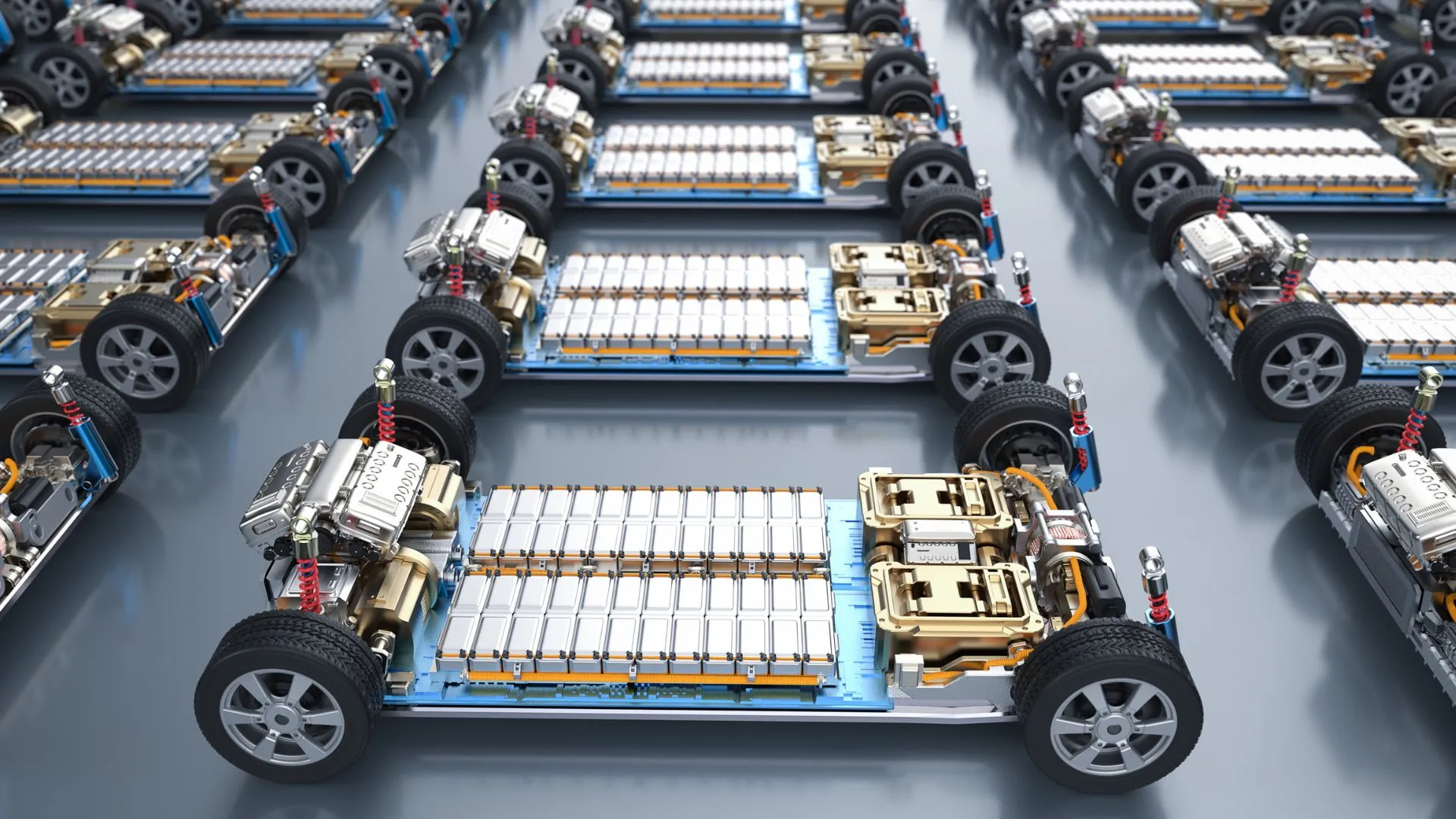
Tesla is once again pushing the boundaries of battery technology. The company recently unveiled details about its next-generation battery—referred to informally as the “Tera-Cell”—which promises to significantly extend range, reduce costs, and enhance safety. Unlike previous Tesla battery iterations, the Tera-Cell combines advances in cell chemistry, structural design, and manufacturing efficiency, positioning Tesla to maintain its leadership in the EV market for years to come.
For Tesla owners and enthusiasts in Europe and the U.S., understanding the Tera-Cell’s implications is critical. Beyond extended range and faster charging, these innovations affect vehicle safety, production scalability, and total cost of ownership. This article explores the Tera-Cell in depth: its design, advantages, safety features, production timeline, and what it means for owners and prospective buyers.
Chapter 1: What is the Tera-Cell?
The Tera-Cell represents Tesla’s most ambitious battery innovation since the introduction of the 4680 cell. Key characteristics include:
-
Higher Energy Density: Using advanced cathode and anode materials, the Tera-Cell is expected to achieve 25–30% more energy per unit volume than the 4680.
-
Faster Charging: Proprietary electrolyte formulations and optimized thermal management allow ultra-fast charging without degradation, reducing charging times significantly.
-
Improved Lifecycle: Tesla’s new design focuses on longevity, potentially exceeding 2,000 full cycles without significant capacity loss.
-
Structural Integration: Similar to the 4680 design, Tera-Cells are structurally integrated into the vehicle, enhancing rigidity while reducing weight.
How it Differs from 4680
While the 4680 was a breakthrough in form factor and manufacturing scale, the Tera-Cell focuses on chemical and thermal innovation, addressing limitations such as:
-
Flammability risks under extreme conditions
-
Charging speed limitations at high temperatures
-
Energy density ceilings
The combination of these improvements positions Tesla to compete aggressively with both legacy automakers and emerging EV startups.
Chapter 2: Safety Innovations
Battery safety has always been a Tesla priority, and the Tera-Cell introduces several next-level safety features:
-
Advanced Thermal Management: Phase-change materials and improved cooling channels prevent overheating even during rapid charging or high-load driving.
-
Non-Flammable Electrolytes: Tesla has reportedly incorporated safer electrolyte chemistry that reduces the risk of thermal runaway.
-
Structural Design: By integrating cells into the vehicle chassis, the Tera-Cell reduces movement and potential mechanical stress, mitigating damage during collisions.
-
Predictive Monitoring: Tesla’s onboard software now monitors cell health in real-time, automatically adjusting charging and load distribution to prevent hazardous conditions.
These measures collectively reduce the likelihood of fire and enhance long-term reliability, which is particularly important for European buyers concerned about battery safety in cold or urban environments.
Chapter 3: Production and Scalability
The Tera-Cell is being manufactured primarily at Gigafactory Berlin and Gigafactory Texas, leveraging lessons learned from the 4680 rollout. Tesla is focusing on:
-
High-volume Production: Targeting hundreds of thousands of units per month by 2026.
-
Cost Reduction: Improved manufacturing methods and automation are expected to lower per kWh costs by 20–25%.
-
Supply Chain Optimization: Tesla is securing critical raw materials and developing recycling processes to mitigate shortages.
Global Implications
-
Europe: Local production reduces shipping time and cost, making Tera-Cell-equipped Teslas more competitive.
-
U.S.: Domestic manufacturing allows Tesla to meet growing demand while experimenting with advanced battery chemistries.
For owners, these efforts translate to faster delivery, more affordable pricing, and increased availability.
Chapter 4: Performance and Range Enhancements
The Tera-Cell enables dramatic improvements in EV performance:
-
Extended Range: Tesla predicts an increase of 20–30% in driving range, with some models potentially exceeding 600 miles on a single charge.
-
Enhanced Acceleration: Reduced battery weight and higher power output allow better torque and acceleration performance.
-
Optimized Efficiency: Advanced energy management software reduces energy loss during operation, improving real-world efficiency.
Real-World Impacts
-
Long-distance commuting becomes more feasible without frequent charging.
-
Reduced “range anxiety” improves the appeal for European buyers with longer travel distances.
-
High-performance models benefit from both speed and battery efficiency, offering a superior driving experience.
Chapter 5: Environmental and Sustainability Considerations
Tesla continues its focus on sustainability with Tera-Cell development:
-
Recyclable Materials: High recyclability reduces raw material waste.
-
Lower Carbon Footprint: Streamlined production reduces energy consumption.
-
Battery Longevity: Extended cycle life reduces replacement needs, further minimizing environmental impact.
For environmentally conscious owners, these improvements reinforce Tesla’s position as a leader in green mobility.
Chapter 6: Implications for Owners and Buyers
Current Tesla Owners
-
Vehicles equipped with Tera-Cells will enjoy improved performance, safety, and efficiency.
-
Existing Tesla owners may consider upgrading or trading in older models to access Tera-Cell benefits.
-
Software updates will likely optimize battery management for both old and new vehicles.
Prospective Buyers
-
Tera-Cell vehicles will be priced competitively, offering higher range at similar cost compared to current models.
-
Early adopters may benefit from long-term value retention due to improved battery longevity and safety.
Strategic Considerations
-
Tesla owners in Europe and the U.S. should monitor release schedules to align purchases with new technology.
-
The Tera-Cell rollout may shift global EV market dynamics, especially against European and Chinese competitors.
Conclusion
The Tera-Cell represents a paradigm shift in battery technology. By improving energy density, safety, and scalability, Tesla strengthens its global leadership in electric mobility. For U.S. and European owners, this breakthrough promises tangible benefits: extended range, faster charging, safer operation, and reduced total cost of ownership. As the Tera-Cell enters production, Tesla is set to redefine what EVs can achieve, further closing the gap between traditional gasoline vehicles and sustainable electric alternatives.
FAQ
Q1: When will Tesla Tera-Cell vehicles be available?
Production is expected to ramp up in late 2025 to early 2026, with availability depending on the model and region.
Q2: Will the Tera-Cell work in cold climates?
Yes, improved thermal management ensures consistent performance in cold temperatures, making it ideal for European markets.
Q3: Is the Tera-Cell safer than the 4680?
Yes, advanced thermal and structural features significantly reduce fire risk and improve durability.
Q4: How much longer will Tera-Cell-equipped Teslas last?
Tesla projects over 2,000 full charge cycles without significant capacity loss, extending overall battery lifespan.
Q5: Will it increase vehicle price?
Initial models may carry a premium, but production efficiencies are expected to keep pricing competitive relative to performance and range gains.