
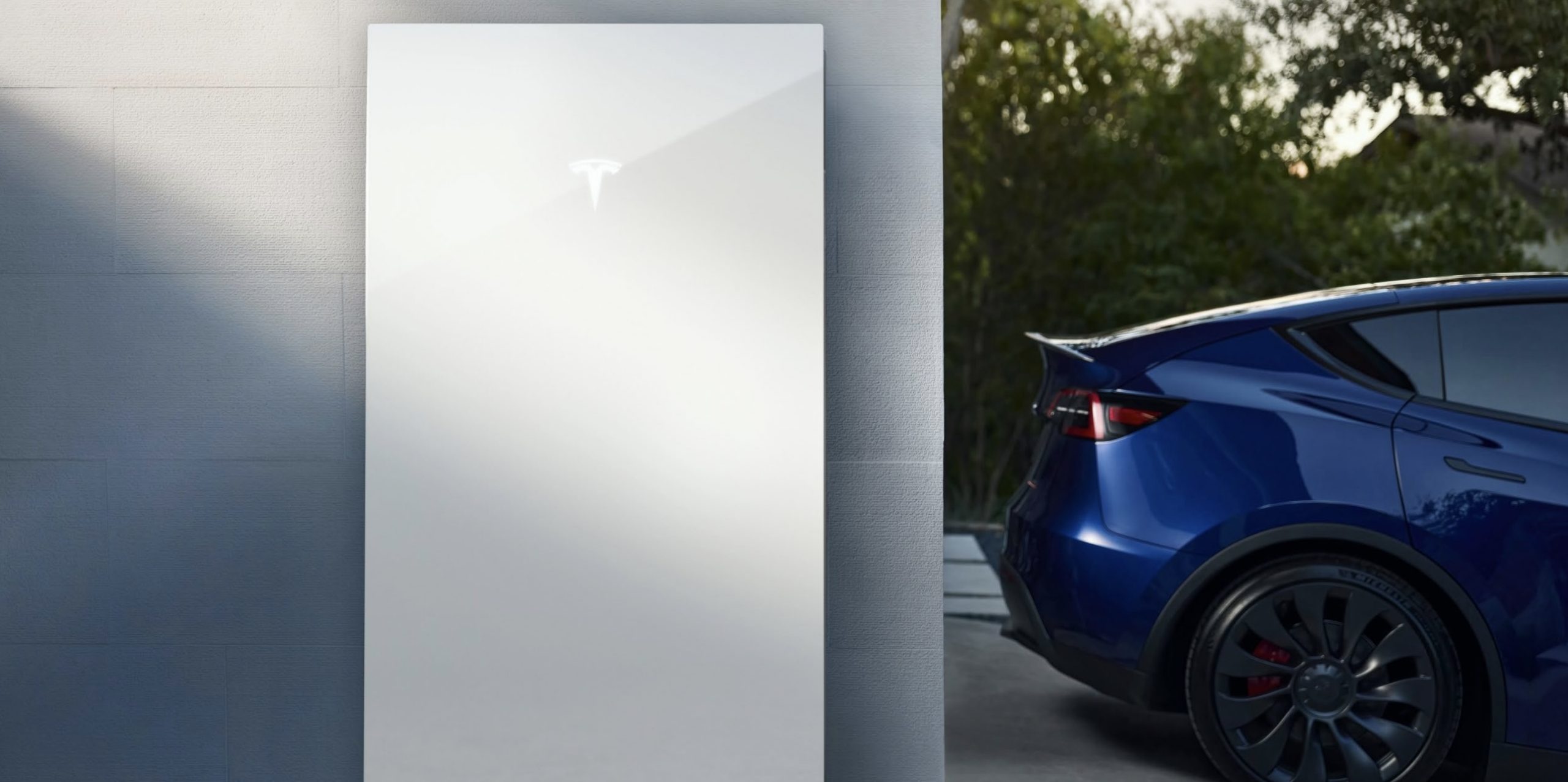
Across Europe, households and businesses are grappling with an ongoing energy crisis fueled by geopolitical instability, fluctuating natural gas supplies, and volatile electricity prices. While renewable energy adoption has accelerated, storing this energy efficiently remains one of the region’s greatest challenges. Enter the Tesla Powerwall 3, Tesla’s latest residential energy storage solution, which is rapidly gaining traction as a lifeline for European homeowners and businesses seeking stability, independence, and sustainability.
The Powerwall 3 builds upon Tesla’s legacy in energy innovation, offering higher capacity, better efficiency, and more seamless integration with solar power systems. Its rising adoption in Europe is not merely a trend—it is reshaping how families power their homes, how governments approach grid resilience, and how Tesla expands beyond electric vehicles.
This article explores why the Powerwall 3 is becoming a cornerstone of Europe’s energy transformation, its technical advantages, its role in household economics, the challenges ahead, and what it means for Tesla’s growing ecosystem.
Chapter 1: The European Energy Crisis
1.1 Origins of the Crisis
The European energy crisis has its roots in multiple factors:
-
Geopolitical tensions: Supply disruptions from Russia’s invasion of Ukraine reshaped energy imports across the continent.
-
Dependence on fossil fuels: While renewables are growing, Europe has historically relied heavily on natural gas.
-
Price volatility: Energy prices spiked to historic highs in 2022–2023, leaving consumers vulnerable.
1.2 Rising Demand for Energy Independence
With traditional energy sources unstable, consumers and governments are looking for ways to reduce dependence on centralized grids. Residential energy storage offers a direct path toward self-sufficiency.
1.3 Policy Responses in the EU
The European Union has introduced incentives for renewable adoption, subsidies for energy storage systems, and ambitious goals for decarbonization by 2030. These policies are driving adoption of solutions like the Powerwall 3.
Chapter 2: Evolution of Tesla Powerwall
2.1 Powerwall 1 and 2
Tesla introduced the first Powerwall in 2015, aimed at enabling households to store solar power for nighttime use. Powerwall 2, launched in 2016, doubled the storage capacity and became one of the most popular residential batteries worldwide.
2.2 Powerwall 3 Launch
Announced in 2023, the Powerwall 3 features:
-
13.5+ kWh usable capacity (depending on configuration).
-
Higher power output for home backup and EV charging.
-
Integrated inverter, reducing installation complexity.
-
Scalability: multiple units can be stacked to serve larger homes or small businesses.
2.3 Europe-Specific Demand
While Powerwall 2 had strong adoption globally, Powerwall 3’s enhanced capabilities are particularly suited for Europe, where homeowners face higher grid instability and smaller average property sizes requiring efficient solutions.
Chapter 3: Technical Features of Powerwall 3
3.1 Capacity and Performance
-
Energy storage: Up to 13.5 kWh, expandable with multiple units.
-
Continuous power output: Sufficient to run major appliances and charge EVs simultaneously.
-
Round-trip efficiency: Around 90%, ensuring minimal energy loss.
3.2 Integration with Solar Roof and Solar Panels
The Powerwall 3 pairs seamlessly with Tesla’s Solar Roof or traditional panels, maximizing solar utilization and reducing reliance on the grid.
3.3 Backup and Resilience
With built-in backup capabilities, Powerwall 3 ensures uninterrupted power during outages—a growing concern in countries with aging grid infrastructure.
3.4 Smart Energy Management
Tesla’s software allows homeowners to:
-
Monitor energy usage in real time.
-
Optimize consumption based on electricity prices.
-
Participate in virtual power plant (VPP) programs where available.
Chapter 4: Adoption Across Europe
4.1 Germany
As Europe’s largest solar market, Germany has seen surging demand for residential batteries. The Powerwall 3 fits perfectly with the German feed-in tariff decline, where self-consumption of solar is now more profitable than selling excess energy back to the grid.
4.2 United Kingdom
High energy bills and frequent grid instability in the UK have spurred strong interest. Tesla’s partnerships with British installers have accelerated deployments.
4.3 Southern Europe
Countries like Spain and Italy, with abundant sunlight, are adopting Powerwall 3 as part of rooftop solar expansion. Incentives for battery installations make the solution more affordable.
4.4 Nordic Countries
In regions with harsh winters and shorter daylight hours, Powerwall 3 supports grid reliability and provides critical backup during storms and outages.
Chapter 5: Economic Impact for Homeowners
5.1 Lowering Energy Bills
By storing excess solar power, households can reduce dependence on peak-hour grid electricity, saving hundreds of euros annually.
5.2 Hedge Against Price Volatility
As electricity markets fluctuate, owning a Powerwall acts as a hedge, stabilizing costs over the system’s lifespan.
5.3 EV Charging Synergy
Owners of Tesla EVs or other electric cars can charge their vehicles using stored solar power, reducing lifetime fueling costs dramatically.
5.4 Incentives and Subsidies
Many European governments offer rebates, tax credits, or zero-interest loans for energy storage, making the Powerwall 3 more accessible.
Chapter 6: Role in the Broader Grid
6.1 Virtual Power Plants (VPPs)
Tesla’s VPP programs allow Powerwall owners to contribute stored energy back to the grid during peak demand, earning compensation and stabilizing national grids.
6.2 Enhancing Grid Resilience
Distributed storage reduces strain on central power plants, helping grids absorb more renewable energy and preventing blackouts.
6.3 Policy Integration
European regulators are increasingly recognizing the role of household storage in achieving net-zero goals.
Chapter 7: Lifestyle Benefits
7.1 Energy Independence
For families, Powerwall 3 represents not just savings but peace of mind—knowing that the lights stay on during outages.
7.2 Sustainability Goals
Environmentally conscious consumers see Powerwall as a way to maximize renewable energy use and minimize carbon footprints.
7.3 Smart Living Ecosystem
Through the Tesla app, Powerwall integrates with EVs, solar, and smart appliances, creating a seamless lifestyle of clean energy management.
7.4 Appeal to Early Adopters
Much like Tesla’s cars, the Powerwall carries cultural cachet—owning one symbolizes innovation and sustainability.
Chapter 8: Challenges to Adoption
8.1 Upfront Cost
Despite subsidies, the Powerwall 3 remains expensive, with installation often exceeding €9,000–€11,000.
8.2 Installation Bottlenecks
Limited certified installers in some regions delay adoption.
8.3 Policy Variability
Inconsistent policies across EU member states create uncertainty for homeowners considering investment.
8.4 Competition
Local battery manufacturers in Europe, such as Sonnen and BYD’s European operations, present strong competition.
Chapter 9: Future Outlook
9.1 Scaling Up Production
Tesla’s Gigafactories in Germany and elsewhere are expected to ramp up Powerwall 3 production to meet surging demand.
9.2 Integration with Renewable Expansion
As solar adoption rises across Europe, Powerwall installations will follow suit, becoming standard in many households.
9.3 Potential for Grid Partnerships
More utilities may partner with Tesla to integrate Powerwalls into broader energy markets, strengthening Europe’s energy independence.
9.4 Long-Term Consumer Impact
Within a decade, Powerwall 3 (and its successors) could become as common in European homes as rooftop solar panels are today.
Conclusion
Tesla’s Powerwall 3 is more than a home battery—it is a symbol of resilience in a continent facing one of its most pressing energy challenges. By combining advanced technology, consumer cost savings, and integration with Tesla’s broader ecosystem, it provides European families with independence, sustainability, and security.
Its growing adoption reflects both a consumer shift toward clean energy and Tesla’s expanding influence beyond cars. While challenges like cost and policy remain, the trajectory is clear: Powerwall 3 is reshaping Europe’s energy future one household at a time.
FAQ
Q1: What makes the Powerwall 3 different from Powerwall 2?
It offers higher capacity, integrated inverter, and easier scalability.
Q2: How much does Powerwall 3 cost in Europe?
Including installation, prices typically range from €9,000–€11,000, though subsidies reduce this in many regions.
Q3: Can Powerwall 3 power a home during an outage?
Yes, it provides backup energy for essential appliances and, depending on setup, the entire home.
Q4: Is it compatible with non-Tesla solar systems?
Yes, Powerwall 3 can integrate with most solar panels, though Tesla’s Solar Roof offers the most seamless integration.
Q5: Will the Powerwall 3 work in countries with limited sunlight?
Yes. Even in northern Europe, it provides backup and time-shifting benefits, though pairing with solar maximizes efficiency.