
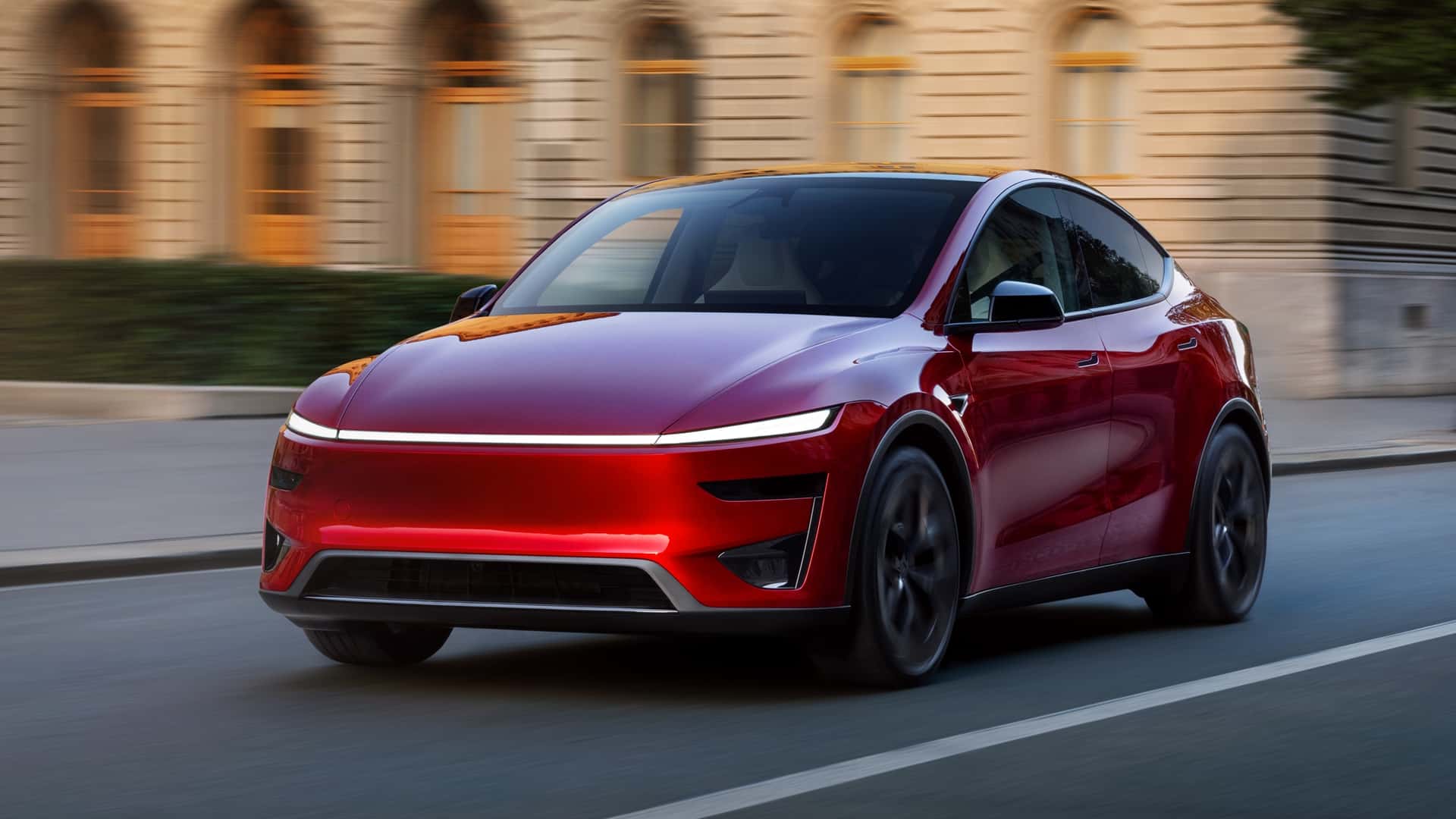
Tesla’s sales in several major European markets have fallen sharply in 2025 amid rising competition from Chinese brands, shifting consumer sentiment, and regional market dynamics. Tesla’s response — notably the launch and local production of the refreshed Model Y Performance at Giga Berlin — aims to reclaim momentum by delivering a more compelling, locally built product. Whether that’s enough depends on price positioning, service capacity, local incentives, and how quickly Tesla can translate product updates into improved perception and sales.
Why this matters to Tesla owners and prospective buyers in Europe & the US
If you own a Tesla or are considering one, the European market picture affects you in two concrete ways:
-
Ownership experience: slower sales and intense competition can influence service waits, incentive programs, inventory availability, and resale values regionally.
-
Product direction: Tesla’s product changes (like the Model Y Performance refresh) and production shifts (Giga Berlin ramp-up) will determine future features, pricing, and delivery times for European customers.
This article explains the sales slump, the competitive landscape, Tesla’s countermeasures — especially the Model Y Performance — and practical takeaways for owners and buyers.
1. The data: what’s happening to Tesla sales in Europe (the numbers and trends)
Multiple independent trackers and media outlets reported steep year-on-year declines in Tesla registrations in several major European markets through mid-2025. Reuters found that Tesla registrations fell sharply in key markets—drops of nearly 60% in Britain in July and more than 55% in Germany—while other markets like Norway and Spain showed strength. Overall, Tesla experienced a fragmented performance across Europe with large swings between countries.
A broader view from industry bodies shows EV adoption in Europe continues to grow (battery-electric cars captured ~15.6% market share year-to-date in mid-2025), but Tesla’s slice of that market has diminished in some regions as Chinese automakers and established European brands capitalize on competitive pricing, local launches, and aggressive incentives. ACEA and other registration data underline that the EV pie is expanding even while Tesla’s share in places like France and Sweden is down.
Key patterns:
-
Sharp month-to-month drops in large markets (UK, Germany, France) in mid-2025.
-
Outperformance in select markets (e.g., Norway, Turkey) where Tesla retained strong consumer preference or where local conditions favored Model Y demand.
-
Rising share of Chinese brands (BYD and others) capturing price-sensitive EV buyers in Europe.
2. Why the slump? Four core drivers
The sales decline is not the result of a single failure — it’s a confluence of market and company factors.
2.1 Intensifying competition (especially from China)
Chinese automakers such as BYD and others have accelerated European expansion with price-competitive models that offer long range, attractive features, and strong local marketing. In many European segments, Chinese entrants are undercutting Tesla on price and presenting viable alternatives with acceptable charging and warranty ecosystems. That pricing and product pressure is a major reason for market share erosion in price-sensitive European countries.
2.2 Product refresh cadence and perceived value
Tesla for years benefited from product leadership and early mass adoption. As the EV field fills out, consumers weigh features, local service, interior quality, and perceived value more heavily. Some buyers now see alternatives that match or exceed their needs for less money, especially when local subsidies or dealer deals apply. If a product (or trim) hasn’t refreshed in a while relative to competitors, it can feel “dated” despite excellent software updates. That perceived lag in product freshness contributed to slower uptake.
2.3 Brand and CEO polarization
Public sentiment and brand perception matter more in some European markets than others. Media coverage and public debate about CEO behavior or political stands can translate into consumer hesitancy, particularly in markets sensitive to public image. Reuters and other outlets highlighted that political and reputational elements have contributed to softening demand in specific countries.
2.4 Local market dynamics & incentives
Europe is not monolithic: country-level incentives, fleet mixes, taxation, and charging infrastructure all shape demand. Some markets increased support for domestic brands or introduced incentives that benefited non-Tesla models. In markets where EV incentives or fleet policies favored other players, Tesla’s sales were more exposed. Conversely, where incentives aligned with Tesla’s price and product lineup, Tesla held up better.
3. Tesla’s counterstrike: the Model Y Performance refresh and local production
In response to market pressure, Tesla launched a refreshed Model Y Performance, built at Giga Berlin, and began production there in early September 2025. The revamped Performance trim emphasizes stronger acceleration, upgraded suspension and styling, and localized production advantages — shorter delivery times and European VAT/pricing benefits. Multiple outlets reported the start of production and positioned this launch as a tactical move to regain European buyers.
What’s new in the Model Y Performance?
-
Performance tuning: quicker 0–60 mph times and sport-oriented suspension tuning aimed at buyers who consider performance a differentiator. TechRadar and Teslarati detailed powertrain and handling changes.
-
Aesthetic and aerodynamic tweaks: new wheels, revised spoilers, and updated fascia that create a stronger visual statement vs the standard Model Y.
-
Interior and software polish: upgraded displays and UI/UX touches position the Performance as more premium, narrowing gaps versus European luxury rivals.
-
Local production (Giga Berlin): manufacturing in Germany reduces logistics, imports, and allows Tesla to better tailor inventory and timing to European demand. Production starting at Giga Berlin is expected to improve availability and shorten delivery windows.
4. Can the Model Y Performance reverse the slump? A realistic assessment
The refreshed Performance helps, but it’s not a guaranteed fix. Consider these factors:
4.1 It targets the premium/enthusiast buyer, not the mass market
Performance trims command a premium price. They’re excellent for regaining aspirational buyers and creating PR wins — but they don’t directly fix Tesla’s challenge in the value-oriented segments where Chinese entrants are undercutting prices. If Tesla’s main hole is in mid-market volume, a Performance trim alone won’t close it.
4.2 Local production helps availability but not automatic demand
Giga Berlin production reduces delivery times and should lower friction for European buyers. But availability alone doesn’t create demand if consumers prefer lower-priced competitors offering similar real-world value. Production is necessary but not sufficient.
4.3 Perception and pricing strategy matter
Tesla needs to manage price perception carefully. If the Performance trim is priced competitively against equivalent German/European premium models and is marketed to highlight local build and feature advantages, it can win back certain buyers. However, if incentives and pricing favor competitors, Tesla will need aggressive promotions or localized incentives to swing price-sensitive customers.
4.4 After-sales & service capacity are critical
Even with an attractive new product, service availability (maintenance centers, parts supply, mobile service) determines buyer confidence. If Tesla cannot shorten service wait times or provide robust local support as sales grow, the ownership experience may degrade, undermining demand. Tesla must balance production and service ramp.
Bottom line: the Model Y Performance is an important tool — especially for brand positioning and higher-margin sales — but reversing broad market share erosion will require multi-pronged moves: competitive pricing, product refreshes across trims, service capacity expansion, and marketing that speaks directly to local buyer needs.
5. What this means for existing Tesla owners
If you already own a Tesla in Europe (or are a potential buyer watching resale markets), here are practical impacts to consider:
5.1 Resale values may be regionally volatile
In markets where Tesla sales fell hardest, used-car supply from lease returns and trade-ins might increase downward pressure on resale values. Conversely, in markets where Tesla retains strong brand affinity (Norway, Turkey), values may hold or even strengthen. If you plan to sell soon, timing and local market dynamics matter.
5.2 Service wait times could fluctuate
If Tesla ramps production without a corresponding service network expansion, owners may experience longer wait times for repairs or parts. Keep an eye on regional service center openings and mobile service availability. Tesla has historically used mobile technicians to mitigate repair backlogs — that capability will be crucial.
5.3 Incentive windows and promotional deals
If Tesla needs to move inventory or win back buyers, short-term local promotions, lease incentives, or trade-in specials are possible. These can be good for buyers and may temporarily reduce new-car pricing. For owners looking to upgrade, monitor promotions carefully.
6. Competitive watchlist: who’s taking share — and why it matters
BYD and other Chinese brands
BYD continues to grow in European registrations thanks to competitive pricing, broad product range, and strong dealer relationships in some countries. When consumers can get comparable range and features for less, price-sensitive buyers gravitate away from Tesla. BYD’s rise has been a concrete factor in markets where Tesla’s registrations plunged
Traditional European OEMs
Volkswagen, Mercedes, BMW and others have expanded EV portfolios with regionally tailored offerings, dealer networks, and service guarantees. Their strong dealer presence and local footprint are advantages against a direct-to-consumer sales model in certain European markets.
New entrants & local incentives
Smaller and local EV makers sometimes win on incentives or fleet deals. Tesla’s direct model can be advantageous for some customers (online ordering and software updates), but OEMs with strong local ties can outcompete where dealer incentives and tax schemes favor them.
7. Scenarios: short-, medium- and long-term outlooks
Short term (next 3–6 months)
-
Model Y Performance deliveries from Giga Berlin begin and create localized buzz and some sales uptick among premium buyers.
-
Sales volatility continues: some markets rebound slightly, others stay weak. Expect promotional activity.
Medium term (6–18 months)
-
Product refresh cadence matters: if Tesla rolls out broader updates across trims and adjusts pricing for European markets, it can stabilize share. Otherwise, rivals will continue to chip away with aggressive launches.
-
Service network expansion will be a critical determinant of owner satisfaction and brand strength.
Long term (2+ years)
-
Market structure will settle around a few winners in each segment: OEMs that combine local manufacturing, competitive pricing, robust service and strong product features. Tesla’s fate will depend on execution across product, price, and service — not on a single high-end trim.
8. Practical advice for buyers and owners (a checklist)
If you’re in Europe or the US and considering a Tesla — or already own one — here’s what to do now.
For prospective buyers
-
Compare total cost of ownership, not just sticker price. Include local incentives, insurance, charging costs, and service expectations.
-
Time purchases around promotions: watch for localized promotions or Tesla incentives following new model roll-outs. Tesla may offer limited-time deals to regain momentum.
-
Consider trim and usage: if you’re price-sensitive, the Performance trim is likely overkill. If you value performance or want a premium daily driver, the Performance can be appealing — but compare against premium German rivals too.
For current owners considering selling or trading in
-
Monitor local market supply: if Tesla inventory is rising in your region, wait for a short window or aim for markets with stronger demand.
-
Document maintenance & service records to keep resale value high.
For owners thinking about upgrades
-
Weigh software & battery options: Tesla’s over-the-air improvements and optional software packages can add long-term value; assess whether an upgrade yields better ROI than switching vehicles.
9. Conclusion — what Tesla must do (and what owners should watch)
Tesla’s European sales slump in 2025 is a clear wake-up call: competitors are aggressive, and market dynamics are evolving. The Model Y Performance and localized production at Giga Berlin are strategically smart steps — they address availability, refresh appeal, and help Tesla play to strengths in premium segments. But reversing broad market share loss requires more than a single trim: Tesla needs competitive pricing across trims, robust service expansion, clearer local marketing, and steady product updates that meet European buyers’ expectations.
For owners and buyers: watch promotions, service center openings, and local registration data. If you own a Tesla, prioritize maintenance and keep an eye on resale trends; if you’re buying, make decisions based on total cost of ownership and local incentives rather than headline performance specs alone.
FAQ
Q: Is Tesla dead in Europe?
A: No. Tesla still sells well in many markets and has scale advantages (charging network, software). But regional share is under pressure; the company must adapt to local competition and perceptions.
Q: Will the Model Y Performance be widely available in Europe soon?
A: Production at Giga Berlin has started, and deliveries are expected to begin in September–October 2025 in select markets. Availability will expand as production ramps.
Q: Should I wait to buy a Tesla because of pricing promos?
A: If you’re price-sensitive, monitor promotions and dealer incentives; Tesla and dealers may run offers to boost sales. If you need a car immediately, weigh the value of promotions against your urgency.
Q: How will this affect my Tesla’s resale value?
A: Resale impact is regional. In areas with steep Tesla sales declines, used supply could increase and depress values; in strong markets, values may hold. Timing matters.
Q: Does local production at Giga Berlin mean better service/parts availability?
A: It helps logistics and parts flow, but service capacity also depends on Tesla’s investment in service centers and technicians. Watch regional service announcements