
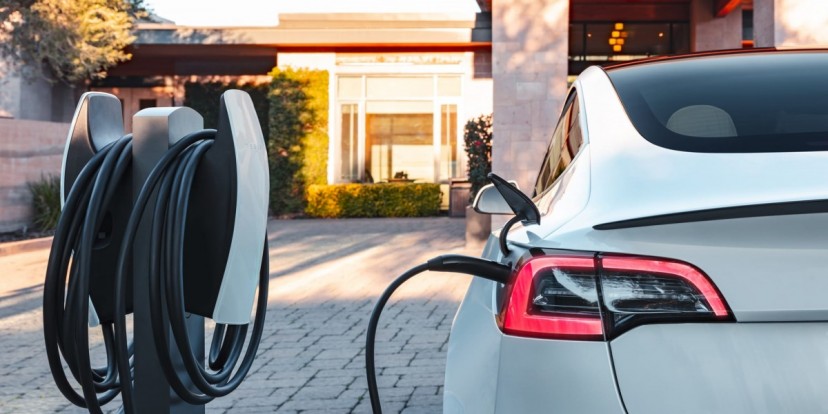
European policymakers are rolling out new regulations and subsidies to accelerate EV adoption. Tesla stands at the center of this shift, as its Supercharger network opens more widely and governments push for stricter sustainability targets. This article explores the implications for Tesla owners: from charging access to vehicle costs, how subsidy changes impact affordability, and what U.S. owners can learn from Europe’s approach.
1. Introduction: Why Europe Matters to Tesla
Europe remains one of the most dynamic EV markets globally, with ambitious climate targets and high consumer demand for electric cars. Tesla, as both a carmaker and charging infrastructure provider, plays a pivotal role. In early September, several EU governments confirmed policy changes on subsidies and charging regulations that will significantly affect Tesla owners.
For American Tesla drivers, Europe’s regulatory model offers a preview of what could arrive in the U.S. over the next few years—especially around interoperability, charging standards, and subsidy alignment with emissions goals.
This article dives into the new policies, their impact on Tesla buyers and owners, and the broader implications for EV adoption worldwide.
2. The New European EV Subsidy Landscape
2.1 The Shift from Purchase Incentives to Lifecycle Incentives
-
Traditionally, European governments offered direct purchase subsidies (€5,000–€9,000 per car) to encourage EV sales.
-
Starting in 2025, many countries (e.g., Germany, France, Netherlands) are restructuring subsidies to emphasize lifecycle carbon reduction, not just upfront sales.
-
Criteria now include:
-
Battery production footprint
-
Recycling compliance
-
Domestic/European sourcing of raw materials
-
2.2 Impact on Tesla Vehicles
-
Tesla’s Berlin Gigafactory, which sources some European-made components, gives Tesla an edge in qualifying for stricter EU incentives.
-
However, vehicles imported from the U.S. or China may face reduced subsidy eligibility if they don’t meet localized requirements.
2.3 Price Dynamics
-
Subsidy reductions in Germany (phasing out large purchase grants) could raise effective costs for Tesla Model Y buyers by €3,000–€5,000.
-
Conversely, France’s carbon-footprint-based incentives may favor Tesla, given its renewable-heavy manufacturing processes in Europe.
3. Charging Infrastructure Rules: Tesla’s Supercharger Advantage
3.1 Opening the Supercharger Network
-
Tesla began opening its Supercharger network to non-Tesla EVs across multiple European countries in 2023–2024. By September 2025, this has become the norm rather than the exception.
-
This aligns with EU directives mandating charging interoperability.
3.2 Benefits for Tesla Owners
-
More non-Tesla drivers at Superchargers increases revenue for Tesla, potentially lowering costs for network expansion.
-
Tesla owners may see busier stations, but Tesla is rapidly scaling Supercharger V4 and V5 deployments, many with solar and battery storage.
3.3 Smart Charging & Grid Integration
-
New EU rules push for vehicle-to-grid (V2G) compatibility, dynamic pricing, and grid-balancing services.
-
Tesla’s energy products (Powerwall, Megapack) position it uniquely to integrate charging with renewable energy supply.
3.4 The CCS Standard
-
Unlike the U.S. (where Tesla’s NACS is becoming the standard), Europe enforces CCS2 as the universal standard. Tesla adapts by equipping its European models with CCS ports and ensuring Superchargers support all EVs.
4. Tesla’s Role in Meeting EU Climate Goals
4.1 2030 Emissions Targets
-
The EU requires a 55% reduction in CO₂ emissions by 2030 compared to 1990 levels.
-
Automotive sector is a key target—Tesla’s EV sales help manufacturers meet fleet-average requirements.
4.2 Compliance Credits
-
Tesla still earns compliance credits by selling to automakers struggling with emissions. This revenue stream remains significant in Europe.
4.3 Beyond Cars: Energy Ecosystem
-
Tesla’s expansion into solar, storage, and energy services in Europe supports grid decarbonization.
-
Countries like Spain and Italy are ramping incentives for residential solar + storage—Tesla Powerwall fits directly into this framework.
5. What It Means for Tesla Buyers in Europe
5.1 Vehicle Pricing
-
Buyers in Germany may pay more upfront due to reduced purchase subsidies.
-
Buyers in France or Scandinavia may benefit if they choose models with lower carbon footprints.
5.2 Charging Costs
-
With broader network access, Tesla owners face more competition for chargers—but also benefit from more locations being added monthly.
-
Smart charging apps integrated into Tesla’s software help owners choose cheaper off-peak rates.
5.3 Ownership Experience
-
Regulatory changes push Tesla to add V2G support and smarter charging features, directly enhancing the owner experience.
-
Tesla’s software-first strategy means owners benefit from updates aligned with EU rules, sometimes ahead of competitors.
5.4 Resale Values
-
As subsidies decline, resale demand for used Teslas may rise, since new EVs become relatively more expensive.
-
However, strict carbon-footprint rules may eventually extend to used vehicles, affecting cross-border resale markets.
6. U.S. Takeaways: What American Owners Can Expect
6.1 Subsidy Structures
-
The U.S. currently uses tax credits (up to $7,500), but policymakers are watching Europe’s carbon-intensity model closely.
-
A shift to lifecycle emissions incentives in the U.S. could follow within 2–3 years.
6.2 Charging Standards
-
The U.S. has adopted Tesla’s NACS, but Europe’s CCS-only model shows how policy can shape the entire ecosystem.
-
Expect the U.S. to accelerate open access charging mandates, similar to Europe.
6.3 Energy Integration
-
Europe’s focus on V2G and grid-balancing foreshadows U.S. policies. Tesla’s position in both markets allows lessons learned in Europe to transfer to America.
7. Policy Challenges & Risks
7.1 Political Uncertainty
-
Subsidy programs shift with elections—German policy reversals show how volatile these incentives can be.
-
Owners need to stay updated on eligibility windows to maximize benefits.
7.2 Infrastructure Lag
-
Despite progress, rural charging gaps remain—especially in Eastern Europe.
-
Tesla’s expansion strategy may leave some regions underserved if ROI is low.
7.3 Competitive Pressures
-
Volkswagen, Mercedes, and BMW are lobbying for subsidy structures that favor domestic brands.
-
Tesla must balance compliance with protecting its cost competitiveness.
8. Conclusion: Europe as a Testing Ground
Europe’s EV policies are evolving rapidly, and Tesla stands at the heart of this transformation. From subsidies tied to carbon footprints to opening charging networks and mandating smart charging, the EU is shaping not just how EVs are bought, but how they integrate into the grid and broader economy.
For European Tesla owners, this means navigating a more complex but also more rewarding landscape. For U.S. Tesla owners, it offers a glimpse into the future: expect similar debates about subsidies, charging standards, and energy integration in the years ahead.
Tesla’s ability to adapt quickly—through over-the-air updates, vertical integration, and global scale—makes it uniquely suited to thrive in this shifting policy environment. For owners, the next few years will bring both challenges and opportunities, but also a richer, smarter, and more sustainable EV experience.
9. FAQ
Q1. Are Tesla cars still eligible for subsidies in Europe?
Yes, but eligibility now depends more on carbon footprint and production sourcing than just purchase price.
Q2. Will Superchargers be more crowded now that non-Tesla EVs can use them?
Yes, but Tesla is rapidly expanding its network, especially with V4 and V5 Superchargers.
Q3. Do Tesla cars in Europe support CCS?
Yes, all Teslas sold in Europe come with CCS2 ports, fully compatible with EU standards.
Q4. How will the subsidy shift affect Tesla’s pricing in Germany?
Buyers may see effective price increases of €3,000–€5,000 as purchase incentives decline.
Q5. What about resale values for Teslas in Europe?
They may rise as subsidies decline—used cars become relatively more affordable compared to new ones.
Q6. Will these policies come to the U.S.?
Possibly. Lifecycle-based subsidies and open charging rules are being discussed in American policy circles.