
Introduction: A Strategic Reset
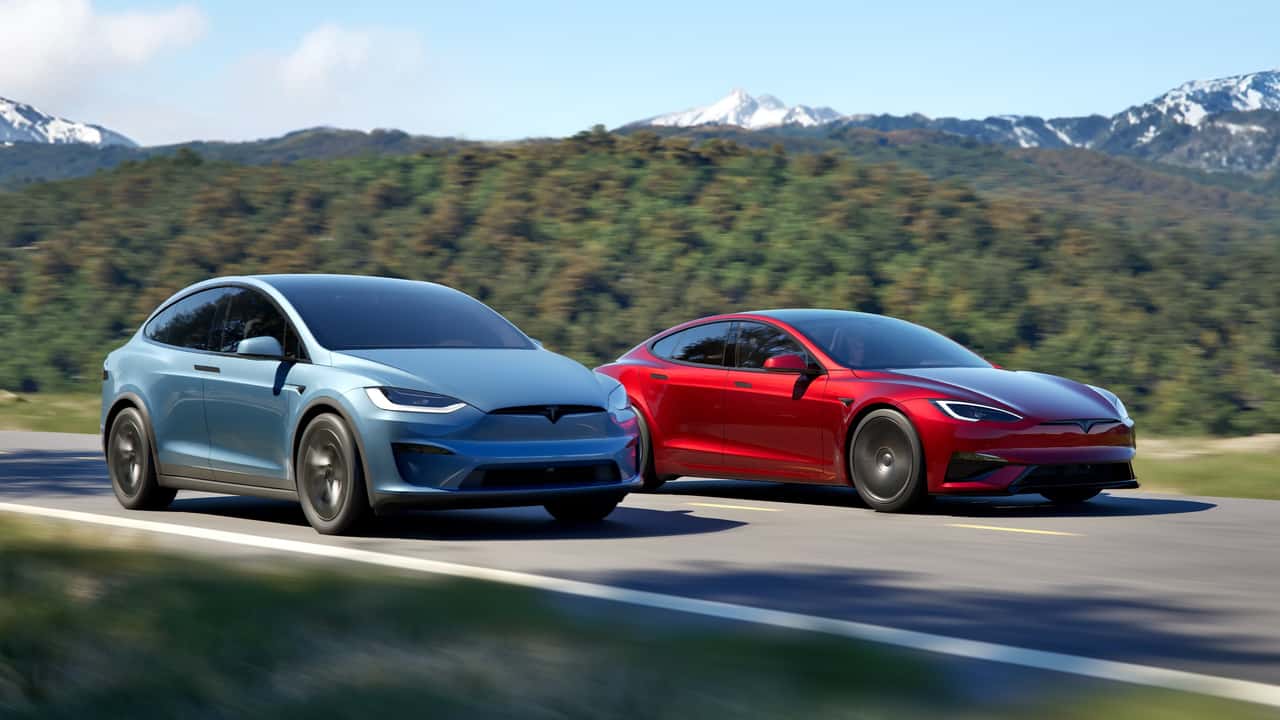
After a strategic three-month pause in order-taking, Tesla has officially relaunched its flagship Model S and Model X vehicles in European markets today, October 22, 2025. This carefully orchestrated return represents far more than a routine product refresh—it signifies Tesla's determination to recapture market share in Europe's premium vehicle segment and demonstrates management's hard-earned lesson from previous execution failures. The company's decision to halt orders for the Model S and Model X in Europe beginning in July 2025, just weeks after unveiling the new refresh specifications, reflected Tesla's recognition that customer satisfaction, delivery predictability, and brand reputation must take precedence over short-term sales velocity metrics.
The decision to relaunch these vehicles today, following a three-month production ramp period, represents a dramatic shift in Tesla's approach to product launches. Gone are the days of accepting customer orders for 12 months while production ramping challenges delay deliveries by an equal or longer duration. The new strategy aims to open orders only when Tesla has sufficient manufacturing confidence to deliver vehicles within weeks of order placement for most customers, with complete deliveries to commence in November 2025. This measured approach stands in sharp contrast to the chaotic Model S/X refresh launch of 2022-2023, when Tesla accepted orders enthusiastically but proved unable to deliver vehicles for many months, resulting in massive customer frustration and brand damage, particularly in price-sensitive European markets where alternative premium vehicles were readily available.
The Model S and Model X, despite being Tesla's original flagship vehicles and the products that established the company's reputation for performance and innovation, had been largely neglected over the past five years. Sales had declined consistently as customers gravitated toward the more affordable Model Y crossover and as traditional luxury automakers introduced compelling premium electric vehicles. The decision to refresh and relaunch these vehicles reflects management's recognition that Tesla's product portfolio has become dangerously narrow, with 97+ percent of sales concentrated in the Model 3 and Model 4 vehicles. Rebuilding the Model S and Model X franchises is critical to Tesla's long-term strategy for maintaining premium brand positioning and capturing higher-margin sales from affluent customer segments willing to pay substantial premiums for technology, performance, and brand prestige.
The Pricing Strategy and Value Proposition
Competitive Positioning in the Premium Market
Tesla has priced the refreshed Model S at €109,990 in the French market, while the Model X crossover carries a starting price of €114,990. These price points position Tesla's flagship vehicles in direct competition with established premium automakers including Porsche, BMW, Mercedes-Benz, and Audi. The Porsche Taycan sedan, Mercedes-Benz EQS, BMW iX, and Audi e-tron models all occupy similar market positions and price ranges, creating a highly competitive segment where brand heritage, manufacturing quality, technology leadership, and driving experience all influence customer purchasing decisions.
Tesla's pricing reflects a confidence that the company's technology, performance credentials, and brand appeal justify premium positioning relative to more traditional luxury automakers. The Model S, with its exceptional acceleration (capable of 0-100 km/h in under 3 seconds for Performance variants) and reported 744-kilometer WLTP range, offers performance and range characteristics that exceed most competitors in the premium sedan category. The Model X similarly offers distinctive styling, exceptional performance, and innovative features like the famous Falcon Wing doors that create a unique user experience unavailable from competitors.
However, Tesla faces a challenge in justifying these price points to European consumers, particularly given that the company's prices have been among the highest in their respective categories and that customer satisfaction with Tesla service and quality in Europe has suffered from past missteps. German and Scandinavian consumers, in particular, place great emphasis on manufacturing quality, reliability, and warranty support—dimensions where Tesla continues to trail established luxury automakers in customer perception. The premium prices Tesla is charging for the Model S and Model X will need to be supported by exceptional delivery experiences and long-term reliability to win customer loyalty from the luxury segment.
Feature Content and Justification
The refreshed Model S and Model X represent mild updates rather than revolutionary redesigns. Tesla's specified changes to the product include a reported 744-kilometer WLTP range capability for the Model S Long Range variant (up from approximately 650 kilometers for the previous generation), improved interior quietness through enhanced acoustic insulation, new wheel designs, enhanced exterior styling, improved front-end visibility through a new front fascia camera, dynamic ambient lighting throughout the interior, a smoother ride through revised suspension bushings and design, and adaptive driving beams for the headlight system. The Model X additionally gains more space for third-row passengers and expanded cargo capacity.
While these improvements are meaningful, they do not constitute a comprehensive redesign of the vehicles. The Model S and Model X continue to share the same general platform architecture, battery pack design, and manufacturing process as the previous generation. Tesla is not introducing new battery chemistry, revolutionary manufacturing processes, or dramatic styling changes. Instead, the company is focusing on incremental improvements in range, comfort, and technology—precisely the type of measured enhancement that demonstrates the manufacturing confidence Tesla lacked during the previous refresh cycle.
The feature enhancements are carefully designed to address customer pain points and competitive gaps identified through customer feedback and market research. The improved range addresses range anxiety and extends the practical utility of the vehicles. The quieter interior improves the premium feel and in-car experience. The enhanced visibility features improve safety and ease of driving. The Falcon Wing doors, while technically unchanged, remain a distinctive feature that no competitor offers, providing psychological differentiation in the premium market. These features collectively justify the premium pricing, though Tesla must execute flawlessly on delivery and service to win over skeptical European customers.
The European Market Context and Competitive Dynamics
Market Challenges and Headwinds
Tesla enters the European premium vehicle market facing substantial headwinds. The company's market share in Europe has declined significantly in 2025, with some reports suggesting that Tesla's European market share has fallen from approximately 20 percent of the premium EV segment to below 10 percent due to aggressive competition from BYD, increased offerings from legacy automakers, and a consumer backlash related to CEO Elon Musk's social media activity and perceived political views. French customers, in particular, have expressed dissatisfaction with Tesla, with sales declining 47 percent year-over-year in August 2025 according to available data.
The competitive intensity in the European premium vehicle market has intensified materially over the past 18 months. German automakers including BMW, Mercedes-Benz, Porsche, and Audi have all introduced impressive premium electric vehicles with extensive features, sophisticated user interfaces, and extensive charging networks. The Porsche Taycan has evolved into a formidable competitor to the Model S, offering distinctive design, exclusive performance variants, and the heritage brand appeal that Porsche brings to the market. The Mercedes-Benz EQS similarly offers sophisticated technology, extensive customization options, and access to Mercedes' vast service network across Europe.
Additionally, Chinese automakers have expanded their European presence aggressively. BYD, the world's largest EV manufacturer by volume, has entered multiple European markets with competitively priced vehicles offering impressive technology and reasonable reliability. The threat from Chinese manufacturers is particularly acute in markets like France and Germany, where government tariffs and domestic content requirements have been debated. If the European Union implements significant tariffs on imported vehicles (in response to potential U.S. tariffs on European goods), Chinese manufacturers may be disadvantaged relative to Tesla, which manufactures vehicles in Europe at the Giga Berlin facility. This potential tariff advantage for Tesla vehicles manufactured in Europe represents an important strategic consideration.
Right-Hand Drive Market Exit
A significant limitation on Tesla's European relaunch strategy is the company's decision to discontinue manufacturing vehicles for right-hand drive markets, including the United Kingdom and potentially Ireland. This decision reflects Tesla's manufacturing prioritization, with the company preferring to focus production on left-hand drive markets (which comprise the vast majority of continental European demand) rather than maintaining two separate production configurations. The exit from the RHD market represents a missed opportunity in the premium vehicle market, particularly given the UK's substantial wealth and premium vehicle demand.
Traditional luxury automakers including BMW, Mercedes-Benz, Porsche, and Jaguar continue to serve the RHD market with comprehensive product ranges and extensive service networks. Tesla's abandonment of this market segment, while defensible from a manufacturing efficiency perspective, cedes market share to competitors and limits Tesla's total addressable market in Europe. For UK-based consumers interested in the Model S or Model X, purchasing now requires importing vehicles from the continent or accepting alternative premium vehicles from established manufacturers.
Regulatory Environment and Carbon Targets
European governments continue to impose aggressive carbon reduction targets and regulatory requirements that favor electrification of the vehicle fleet. EU regulations mandate that 55 percent of new passenger car sales be zero-emission vehicles by 2030, escalating to 100 percent by 2035. These targets create favorable market conditions for premium electric vehicles like the Model S and Model X, as wealthy consumers in compliance-conscious markets like Germany, France, Scandinavia, and the Netherlands are increasingly shifting toward premium electric vehicles to reduce their personal carbon footprint.
The regulatory environment also creates competitive pressure on traditional luxury automakers to accelerate electrification and expand their EV portfolios, which partly explains the premium electric vehicle proliferation in European markets. This regulatory tailwind supports Tesla's European strategy and should contribute to sustained demand for premium electric vehicles over the coming years, even if specific market share battles shift between competitors.
Manufacturing and Delivery Timeline
Production Ramp and Logistics
Tesla has committed to commencing deliveries of refreshed Model S and Model X vehicles in November 2025, representing just weeks after opening new orders today. This aggressive but achievable timeline demonstrates Tesla's confidence in Gigafactory Berlin's production capabilities and supply chain readiness. The facility, located near Berlin in Brandenburg, has been producing Model Y and Model S/X vehicles since late 2021 and represents Tesla's first European manufacturing facility. By committing to November deliveries, Tesla is signaling to customers that the production challenges that plagued previous refresh cycles have been resolved.
The logistics of delivering European vehicles from the Berlin facility to customers across the continent has been optimized over the past several years. Tesla operates a network of delivery centers, service locations, and logistics hubs throughout Europe. The company offers both customer-initiated delivery coordination and mobile service delivery options, allowing customers to receive vehicles at their homes or collect them from delivery centers.
The aggressive delivery timeline also reflects Tesla's desire to capture market share rapidly before competitors respond to the Model S/X relaunch. German competitors like BMW and Mercedes-Benz, as well as Porsche with the Taycan, will adjust their marketing and sales strategies in response to Tesla's relaunch. Early deliveries and strong initial sales momentum will help establish the refreshed Model S/X as a credible competitor before rivals shift their competitive positioning.
Service Center and Support Infrastructure
Tesla's ability to deliver exceptional customer experiences in Europe will depend substantially on the quality and availability of service infrastructure. The company operates service centers across major European cities and has expanded mobile service capabilities that allow service technicians to visit customer locations for routine maintenance and minor repairs. Premium vehicle customers expect convenient service availability and rapid turnaround times for warranty work and repairs, and Tesla must meet or exceed customer expectations established by competing luxury brands.
Tesla has made improvements to its European service infrastructure in recent years, though the network remains smaller and less comprehensive than that of established German automakers. This service network disadvantage represents a potential vulnerability for Tesla in markets like Germany, where customer satisfaction with manufacturer service is a critical purchase consideration. Tesla must communicate to customers that the company's warranty terms and service commitment are comparable to competitors, and that Tesla's service efficiency (often faster than competitors due to simpler vehicle architecture) more than compensates for reduced service center density.
Market Opportunity and Sales Potential
Total Addressable Market for Premium EVs
The European market for premium electric vehicles represents a substantial opportunity for Tesla. Premium vehicle sales in Europe—defined as vehicles priced above €50,000—represent roughly 15 to 20 percent of total passenger vehicle sales, with annual volumes exceeding 1 million units annually. The portion of premium vehicle sales comprising electric vehicles has grown rapidly, and by 2025 represents approximately 20 to 25 percent of premium vehicle sales in leading EV adoption markets like Germany, Scandinavia, and Benelux.
The Model S and Model X, at starting prices of €109,990 and €114,990 respectively, occupy the premium segment of the premium market—specifically the sub-€150,000 luxury vehicles category. This represents a sizable market encompassing successful executives, business owners, and affluent consumers seeking distinctive vehicles with technological sophistication and performance. The addressable market for vehicles in this category in Europe likely exceeds 250,000 units annually, representing a substantial opportunity for Tesla if the company can capture even a modest 5 to 10 percent share.
Sales Projections and Realism
Tesla has historically been conservative with sales projections for the Model S and Model X in Europe, recognizing that the market for expensive electric vehicles remains relatively small relative to mass-market vehicle demand. Industry observers estimate that the refreshed Model S and Model X might capture 20,000 to 30,000 annual sales in Europe if customer reception and delivery experience are positive. This represents a meaningful increase relative to recent years, when annual Model S/X sales in Europe have been declining toward 10,000 to 15,000 units annually.
Management has cautioned that the mild-cycle refresh is not expected to dramatically boost sales, and that realistic expectations anticipate "a few thousand Model S/X sales in Europe per year." This conservative guidance suggests Tesla remains skeptical about the ultimate market size for premium electric vehicles in Europe, or alternatively reflects concern about competitive positioning and pricing pressure in the premium segment. Nonetheless, even achieving 20,000+ annual sales would represent a material contribution to Tesla's European revenue and profit, as premium vehicles generate higher gross margins than mass-market models.
Customer Demographics and Purchase Motivation
The customers most likely to purchase refreshed Model S and Model X vehicles in Europe fall into several key segments. First, early adopter technology enthusiasts who value performance, distinctive design, and access to Tesla's autonomous driving technology comprise a core customer segment. These buyers have sufficient wealth to afford premium vehicles and view Tesla as a technology leader worthy of a premium price. Second, environmentally conscious affluent consumers seeking to reduce their personal carbon footprint through vehicle electrification represent another significant segment. These customers view premium electric vehicles as status symbols demonstrating their commitment to sustainability. Third, performance-focused drivers attracted to the exceptional acceleration and handling characteristics of Tesla vehicles represent a segment willing to pay premiums for performance. Finally, existing Tesla owners seeking to upgrade to a larger premium vehicle represent a customer segment with relatively high brand loyalty and propensity to purchase additional Tesla products.
Strategic Significance and Long-Term Implications
Brand Positioning and Prestige
The success of the refreshed Model S and Model X relaunch in Europe carries significance far beyond the direct revenue and profit contribution of these vehicles. The Model S and Model X serve important brand functions for Tesla, establishing the company's positioning as a luxury technology brand capable of competing with established premium automakers on their home markets. Success in the premium segment enhances Tesla's overall brand perception and provides credibility for the company's autonomous driving claims and technology leadership positioning.
Conversely, failure of the relaunch would signal to the market that Tesla's ability to execute flawlessly in Europe remains questionable and that the company's competitive position is deteriorating relative to rivals. A failed relaunch would likely accelerate customer defection to competitors like Porsche and Mercedes-Benz, further eroding Tesla's European market share. The strategic stakes of the Model S/X relaunch are therefore high, extending beyond simple revenue contribution to encompass broader brand and competitive positioning in a critical market region.
Product Portfolio Diversification
The Model S and Model X relaunch also serves Tesla's long-term strategy of diversifying its product portfolio beyond the Model 3/Y vehicles. Excessive concentration of sales in two model lines creates business risk if competitors develop superior alternatives or if customer preferences shift. The ability to capture meaningful sales in the premium segment through Model S/X also supports Tesla's long-term aspirations for global leadership in electric vehicles and autonomous transportation. By offering a range of vehicles across multiple market segments, Tesla positions itself as a full-line manufacturer capable of serving diverse customer needs and preferences.
European Market Recovery and Competitive Position
The Model S/X relaunch represents Tesla's most significant strategic initiative in Europe since the opening of Gigafactory Berlin. If successful, it could begin reversing the decline in Tesla's European market share and re-establish the company as a serious competitor in the premium vehicle segment. This would be particularly important given the recent success of BYD and other Chinese manufacturers in gaining European market share, and the continued competitive strength of traditional luxury automakers in their home markets.
The competitive battle for the European premium EV market will ultimately be decided by a combination of factors: vehicle performance and features, pricing competitiveness, brand appeal, service quality, and user experience. Tesla possesses significant advantages in vehicle performance and distinctive features, but faces challenges in service network comprehensiveness and brand perception influenced by recent political and social controversies. The company's success in leveraging its technology and performance advantages while addressing service and brand perception challenges will determine whether the Model S/X relaunch achieves meaningful sales success or represents an incremental improvement with limited strategic impact.
Conclusion: The Relaunch as Inflection Point
Tesla's relaunch of the Model S and Model X in Europe today represents a carefully calculated strategic initiative aimed at recapturing market share in the premium vehicle segment and demonstrating that the company has learned important lessons from previous execution failures. The three-month production ramp period reflects management's commitment to delivering exceptional customer experiences rather than prioritizing short-term sales velocity, a fundamental shift in Tesla's historical approach to product launches.
The refreshed vehicles offer meaningful improvements in range, comfort, and technology while maintaining the distinctive performance and innovation credentials that established Tesla's premium brand position. The pricing strategy positions these vehicles competitively in the premium market, though the company must execute flawlessly on delivery experience and service quality to win over European customers accustomed to the service excellence offered by established luxury automakers.
The broader significance of the Model S/X relaunch extends beyond these specific vehicles to encompass Tesla's competitive positioning in Europe, brand perception, and long-term diversification strategy. Success would signal that Tesla has overcome execution challenges and remains a viable competitor in the premium market. Failure would suggest that Tesla's competitive position in Europe continues to deteriorate and that the company faces structural challenges in serving the premium market against entrenched competitors.
For Tesla shareholders and European customers alike, the Model S/X relaunch represents an important test of whether Tesla can execute effectively on a measured, customer-focused strategy that prioritizes satisfaction and brand reputation over aggressive sales targets. The success or failure of this initiative will provide valuable signals regarding Tesla's broader strategic evolution as a company and its competitive sustainability in an increasingly competitive EV market.