
A. Intensive Mapping Operations in Austin, Texas
As of July 8, 2025, Tesla is conducting extensive mapping operations in Austin, Texas, to support its Robotaxi service and Cybertruck Full Self-Driving (FSD) capabilities. Multiple Model Y Robotaxis and company-owned Cybertrucks, equipped with specialized rooftop devices (including LiDAR/mapping and FSD data validation equipment), are actively validating areas like Downtown Austin and the South Congress Bridge. This "deep and thorough scanning and data collection" is crucial for ensuring the safety standards of both the Robotaxi service and the FSD system. Cybertrucks are specifically collecting FSD data to address issues related to their large size and unique design. The Robotaxi service in Austin is currently limited to early access users within a geofenced area, reflecting Tesla's "extremely cautious" approach to prevent any incidents and ensure safety before a wider public release.
Tesla is pursuing a dual-track strategy for autonomy: on one hand, it's conducting intensive mapping and early-access Robotaxi services with existing vehicles for immediate deployment and data collection; on the other, it's simultaneously advancing the development of dedicated Cybercabs. This approach indicates that Tesla isn't waiting for a perfect, purpose-built Robotaxi to generate revenue and gather data; instead, it's leveraging its current fleet for iterative FSD deployment while developing the next-generation, cost-optimized autonomous vehicle. This strategy aims to accelerate both revenue generation from autonomous services and the refinement of the underlying FSD technology.
B. First Autonomous Delivery and FSD Milestones
Tesla recently announced a "breakthrough" in autonomous vehicle capability: a Model Y successfully drove itself from the Gigafactory in Austin to a customer's home, with no human driver, passenger, or remote operator involved. This marks the first time a production vehicle has autonomously completed a retail customer delivery in this manner, representing a significant "milestone" for Tesla's long-running FSD program. The company's head of AI software confirmed the vehicle's speed and route, stating the system performed without incident. The Robotaxi app has also been updated to include adjustable pickup locations and wait time displays.
C. Cybercab Development and Production Readiness
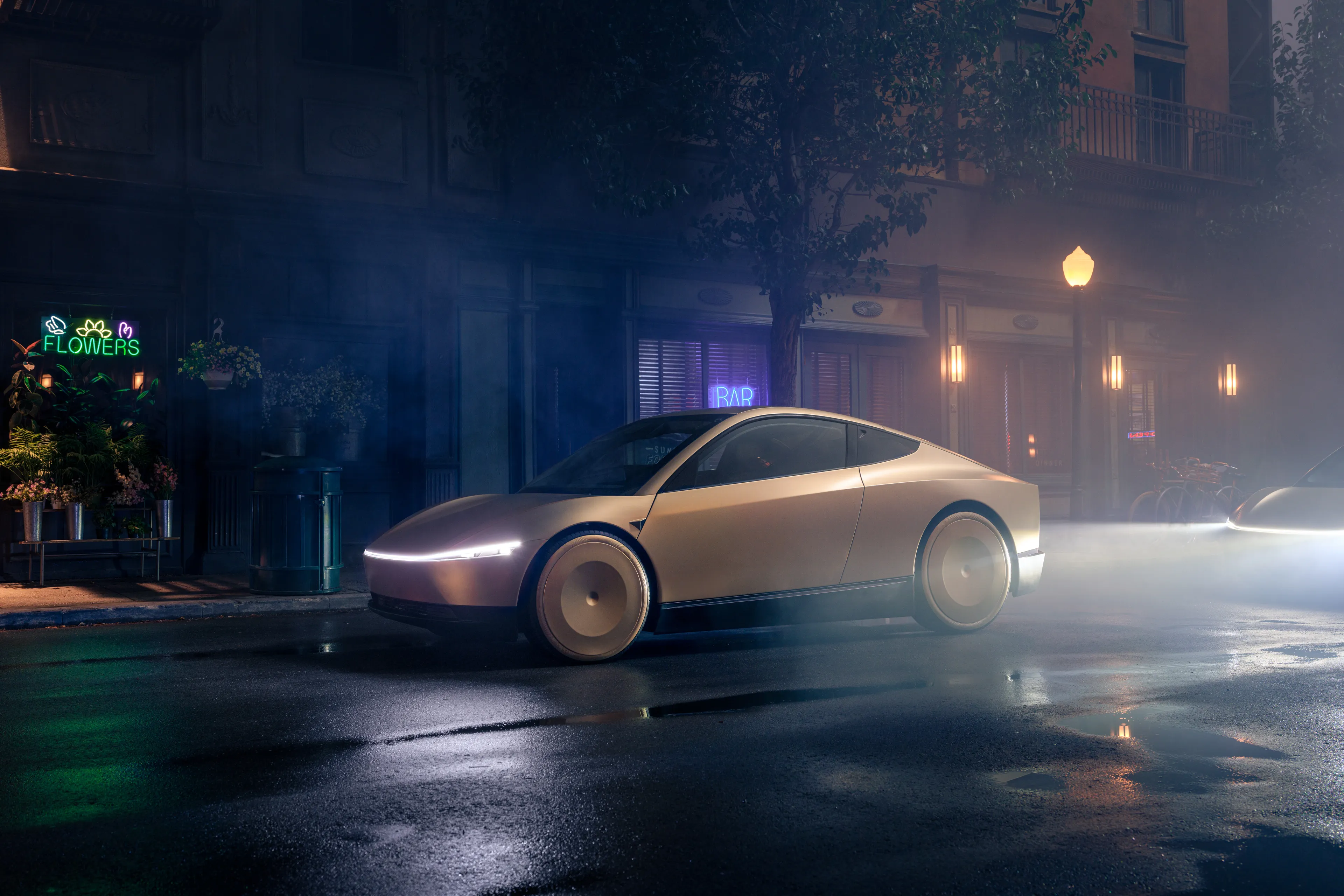
Recent images from Giga Texas show a significant accumulation of Cybercab castings (approximately 180 front and 180 rear castings), indicating that Tesla is preparing for the vehicle's initial trial production "sometime later this year". The Cybercab is expected to be Tesla's first vehicle to utilize the company's innovative "unboxed" production process, with volume production anticipated to begin in 2026. Prototypes have already been spotted testing around Giga Texas.
D. Regulatory Hurdles for FSD in Europe
Despite progress, the rollout of Full Self-Driving in Europe continues to be "continuously prolonged" by regulatory processes, with Elon Musk expressing frustration at delays from Dutch and EU officials. Musk argues that these delays "hurt the safety of people in Europe" by preventing access to statistically safer driving capabilities offered by autonomous driving.
Elon Musk explicit frustration with European regulatory delays, despite the company's claims of FSD safety, highlights a significant non-technical barrier to global FSD rollout. This implies that even when Tesla is technically ready, market access and the full realization of its autonomous vision will heavily depend on navigating diverse and often cautious international regulatory environments. This disparity means that FSD adoption and revenue generation will likely vary significantly between regions, impacting Tesla's global growth projections.