
I. Executive Summary
Tesla's Supercharger network continues its aggressive global expansion, adding 2,200 new Superchargers in the first quarter of 2025, bringing the worldwide total to over 65,800 connectors. This remarkable growth, coupled with the rollout of V4 Superchargers and increasing access for non-Tesla electric vehicles, particularly in Europe, solidifies its role as a foundational pillar for global EV adoption. The network's unparalleled reliability, speed, and strategic accessibility are not only enhancing the ownership experience for Tesla drivers but are also playing a pivotal role in standardizing charging infrastructure and accelerating the broader transition to electric mobility worldwide.
II. Introduction: The Backbone of Electric Mobility
A robust and reliable charging infrastructure is not merely a convenience; it is the absolute prerequisite for the widespread adoption of electric vehicles. For over a decade, Tesla's Supercharger network has stood as a testament to this truth, consistently serving as one of the company's most formidable competitive advantages. It has offered an unparalleled combination of reliability, speed, and a seamless user experience that has often left competitors struggling to keep pace. The network's continuous and aggressive expansion, coupled with its strategic decision to open access to other electric vehicle brands, signals a pivotal and transformative shift within the broader EV ecosystem. This evolution is not just about Tesla; it's about shaping the future of electric transportation for everyone.
For existing Tesla owners, the implications of this relentless expansion are profoundly positive. It translates directly into greater charging convenience, significantly reduced range anxiety, and an overall smoother, more predictable experience for both daily commutes and long-distance journeys. The introduction of the latest V4 Superchargers, with their enhanced power delivery, promises even faster charging sessions, further minimizing downtime and maximizing the utility of their vehicles. This continuous improvement ensures that the ownership experience remains at the forefront of the industry.
However, the impact extends far beyond the Tesla community. For owners of non-Tesla electric vehicles, the increasing access to this premium, highly reliable network represents a monumental improvement in their charging options. Historically, public charging infrastructure has been a fragmented and often frustrating landscape for non-Tesla drivers, plagued by reliability issues, inconsistent payment systems, and varying charging speeds. The opening of the Supercharger network to these vehicles significantly alleviates these pain points, potentially accelerating the overall adoption of electric vehicles by removing a major barrier to entry. Moreover, it contributes to the standardization of charging experiences across different brands, fostering a more cohesive and user-friendly environment for all EV drivers. This strategic move by Tesla is not just about business; it's about catalyzing the global transition to sustainable transportation by providing the essential infrastructure that makes electric driving a viable and attractive option for the masses.
III. In-Depth Analysis: The Mechanics of Supercharger Growth
The first quarter of 2025 witnessed a remarkable surge in the expansion of Tesla's Supercharger network, with the addition of 2,200 new Superchargers globally. This impressive growth brought the total number of connectors worldwide to over 65,800 as of January 2025. This represents a substantial 17% year-over-year increase in charging infrastructure, underscoring Tesla's aggressive commitment to building out its global footprint. The company is currently well on track to achieve its ambitious goal of adding "one new Supercharger every hour" throughout 2025, a testament to its operational efficiency and strategic focus on infrastructure leadership.
As of July 2025, the Supercharger network encompasses approximately 7,500 Supercharger stations, collectively housing over 67,000 connectors worldwide. This vast network is strategically distributed across three primary regions to maximize accessibility and support global EV adoption. North America and the Asia Pacific region each boast over 2,800 stations, reflecting the high concentration of Tesla vehicles and the rapid growth of the EV market in these areas. Europe, while having a slightly smaller footprint, still features over 1,300 stations, indicating a robust and expanding presence designed to serve the continent's growing electric vehicle fleet. This geographical distribution ensures that Tesla owners and, increasingly, non-Tesla EV drivers have access to reliable fast charging across major continents.
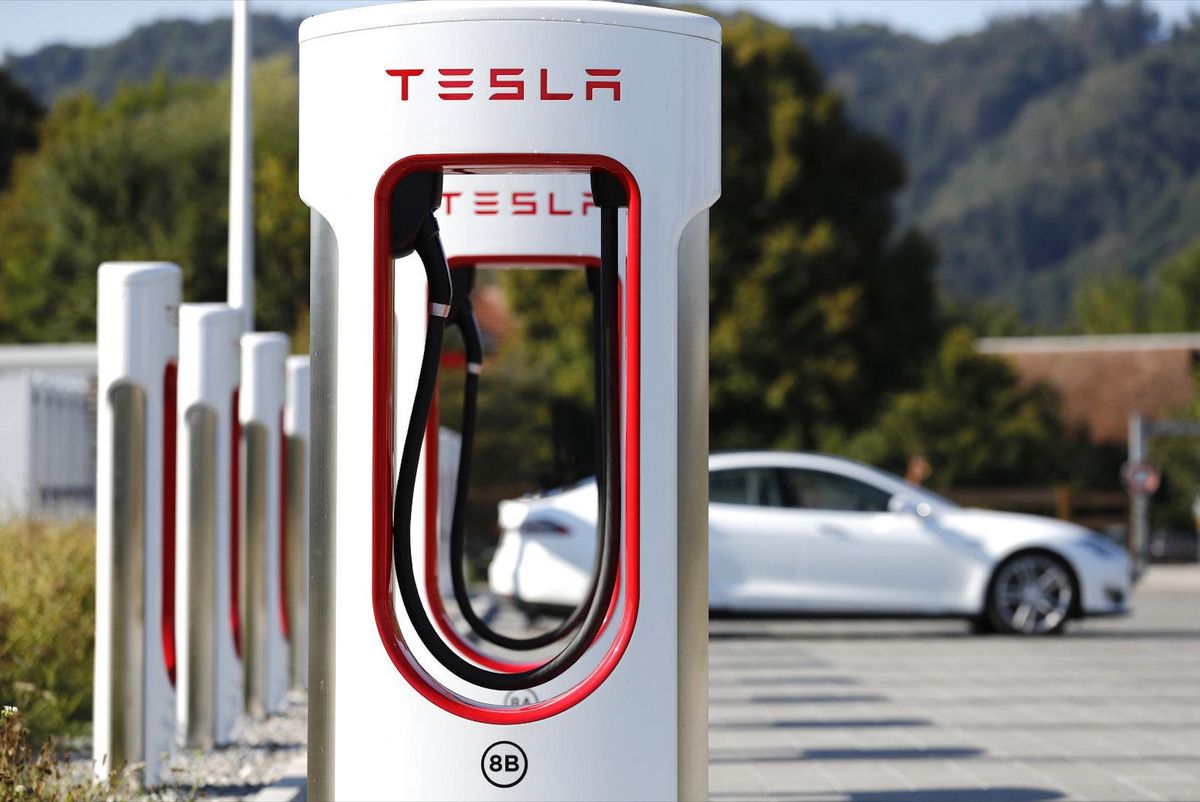
The latest iteration of Tesla's charging technology, the V4 Supercharger, represents a significant leap forward in terms of speed and compatibility. These advanced charging posts are capable of delivering charging speeds of up to 250 kW, enabling rapid replenishment of battery capacity and significantly reducing charging times. A key design feature of the V4 Superchargers is their enhanced compatibility with non-Tesla vehicles, addressing the growing demand for universal charging solutions. The V4 charging cabinets were initially announced in November 2024 and began their rollout in 2025. Looking to the future, Tesla has ambitious plans to further increase the power output of these V4 units to an impressive 500 kW, which would set a new industry benchmark for ultra-fast charging and further solidify the Supercharger network's technological leadership.
In a strategic move to foster interoperability and accelerate broader EV adoption, Tesla is actively expanding access to its Supercharger network for non-Tesla electric vehicles, with a particular focus on the European market. This initiative involves equipping both V3 and V4 Supercharger sites with "Magic Dock" adapters, which allow non-Tesla EVs to connect seamlessly to the proprietary Supercharger connector. While the activation of these Magic Docks was initially limited—fewer than 100 V3 sites and fewer than 50 V4 sites had activated their adapters as of February 2025—the rollout is ongoing. Pricing and access policies for non-Tesla vehicles are carefully tailored to local market conditions, reflecting regional economic factors and competitive landscapes.
Tesla's expansion efforts are meticulously planned, focusing on high-traffic corridors and regions that are currently underserved by existing charging infrastructure. For instance, in India, despite facing intense local competition from established players like Tata and Mahindra, and emerging rivals such as BYD and VinFast, Tesla is strategically pushing for the installation of its advanced V4 Superchargers in key metropolitan areas like Mumbai and the Delhi National Capital Region. Simultaneously, the company is developing a complementary network of destination chargers at premium hotels, shopping malls, and commercial hubs, providing convenient charging options for everyday use. Furthermore, Tesla is actively engaging in collaborations with European charging providers. These partnerships are designed to enhance network coverage, improve service quality, and ensure a more seamless charging experience for all users. The company is also implementing enhanced payment systems and reservation features, further streamlining the user experience and making charging more convenient and efficient.
IV. Impact on Owners and Broader Implications
The sheer scale and relentless pace of expansion of the Supercharger network mean that Tesla owners worldwide continue to enjoy access to the most reliable and extensive fast-charging infrastructure available. This unparalleled network significantly alleviates "range anxiety," a common concern for EV drivers, by ensuring that convenient and rapid charging options are readily available, even on long-distance journeys. For Tesla owners, this translates into greater freedom to travel, reduced planning complexities, and an overall more confident and enjoyable electric vehicle experience. The consistent availability and high performance of Superchargers remain a key selling point for the brand.
The introduction of the V4 Superchargers marks a significant upgrade, promising even faster charging sessions. With power outputs of up to 250 kW and future plans for 500 kW, these new chargers will dramatically reduce the time spent at charging stations, particularly for newer Tesla models with larger battery capacities. This improvement in charging speed further enhances the convenience of EV ownership, making it more comparable to the refueling experience of gasoline vehicles. Tesla's direct control over its Supercharger network ensures a consistent and high-quality charging experience, from the reliability of the chargers to the seamless payment process. This stands in stark contrast to the often fragmented and unreliable public charging landscape that non-Tesla EV owners frequently encounter, highlighting a distinct advantage for Tesla drivers.
By strategically opening its network to non-Tesla vehicles, particularly in Europe where charging standards are more diverse, Tesla is playing a pivotal role in accelerating the overall adoption of electric vehicles. This move addresses a critical barrier for many potential EV buyers: the concern about charging infrastructure. By providing access to a premium, reliable network, Tesla is helping to standardize the charging experience across different brands, making electric mobility more accessible and appealing to a broader audience. This initiative benefits the entire EV ecosystem, fostering greater confidence in electric vehicles as a viable and convenient mode of transportation.
V. Future Outlook and Expert Commentary
The continuous expansion and strategic opening of the Supercharger network are reinforcing the increasingly dominant position of Tesla's North American Charging Standard (NACS) as the de facto standard in North America and a formidable contender globally. As more automakers adopt NACS, the Supercharger network's influence will only grow, creating a more unified charging ecosystem. This standardization simplifies the charging experience for consumers and streamlines infrastructure development across the industry.
Opening the Supercharger network to other brands could evolve into a significant revenue stream for Tesla. By effectively monetizing its extensive infrastructure investment, Tesla can generate additional income from charging fees paid by non-Tesla EV owners. This diversification of revenue beyond vehicle sales strengthens Tesla's financial position and provides a sustainable model for continued infrastructure development. It transforms Tesla from solely an automaker into a key energy infrastructure provider.
The robust and expanding Supercharger network exerts considerable pressure on other charging providers and automotive manufacturers to significantly improve their own charging solutions. This competitive dynamic ultimately benefits all electric vehicle owners, as it drives innovation in charging technology, increases the reliability of public chargers, and expands the overall availability of fast-charging options. The Supercharger network effectively sets a high bar for the entire industry.
However, Tesla's potential withdrawal from federal programs, such as the National Electric Vehicle Infrastructure (NEVI) program in the United States, could alter the landscape of public charging deployment. While Tesla's own network is vast, federal programs aim to build out a broader, brand-agnostic charging infrastructure. If Tesla reduces its participation in these initiatives, it could potentially slow the development of non-Tesla specific charging infrastructure, especially in certain regions, if not managed effectively by other stakeholders. This highlights the complex interplay between private investment and public policy in shaping the future of EV charging.
VI. Conclusion: Key Takeaways
Tesla's Supercharger network continues to grow at an impressive pace globally, setting an industry benchmark for reliability and speed. Its strategic decision to open access to non-Tesla vehicles, particularly in Europe, positions Tesla not merely as an automotive manufacturer but as a critical infrastructure provider, accelerating the broader transition to electric mobility. This dual role underscores Tesla's profound impact on the EV ecosystem, ensuring that robust and accessible charging solutions are a cornerstone of the electric future. The Supercharger network remains a powerful testament to Tesla's vision of sustainable transportation, enabling widespread adoption and enhancing the daily lives of EV owners worldwide.
VII. Frequently Asked Questions (FAQ)
-
Q: How many Superchargers does Tesla have globally?
-
A: As of July 2025, Tesla operates approximately 7,500 Supercharger stations with over 67,000 connectors worldwide. In the first quarter of 2025 alone, 2,200 new Superchargers were added to the network.
-
-
Q: What are the advantages of the V4 Superchargers?
-
A: V4 Superchargers offer significantly faster charging speeds, up to 250 kW currently with future plans for 500 kW, and are designed with improved compatibility for non-Tesla vehicles, making them more versatile and efficient.
-
-
Q: Can non-Tesla vehicles use Superchargers in Europe?
-
A: Yes, Tesla is actively expanding access to its Supercharger network for non-Tesla electric vehicles in Europe to promote interoperability. Access policies and pricing are adjusted based on local market conditions, and many V3 and V4 sites are being equipped with Magic Dock adapters.
-
-
Q: Is Tesla still expanding its Supercharger network in specific regions like India?
-
A: Absolutely. Tesla is strengthening its presence in emerging markets like India, strategically installing advanced V4 Superchargers in key locations such as Mumbai and the Delhi National Capital Region, alongside building a network of destination chargers.
-
-
Q: How does the Supercharger network benefit the overall EV market?
-
A: By providing a vast, reliable, and increasingly accessible charging infrastructure, the Supercharger network reduces range anxiety, encourages more consumers to switch to EVs, and pressures other charging providers to improve their services, ultimately accelerating global EV adoption.
-