
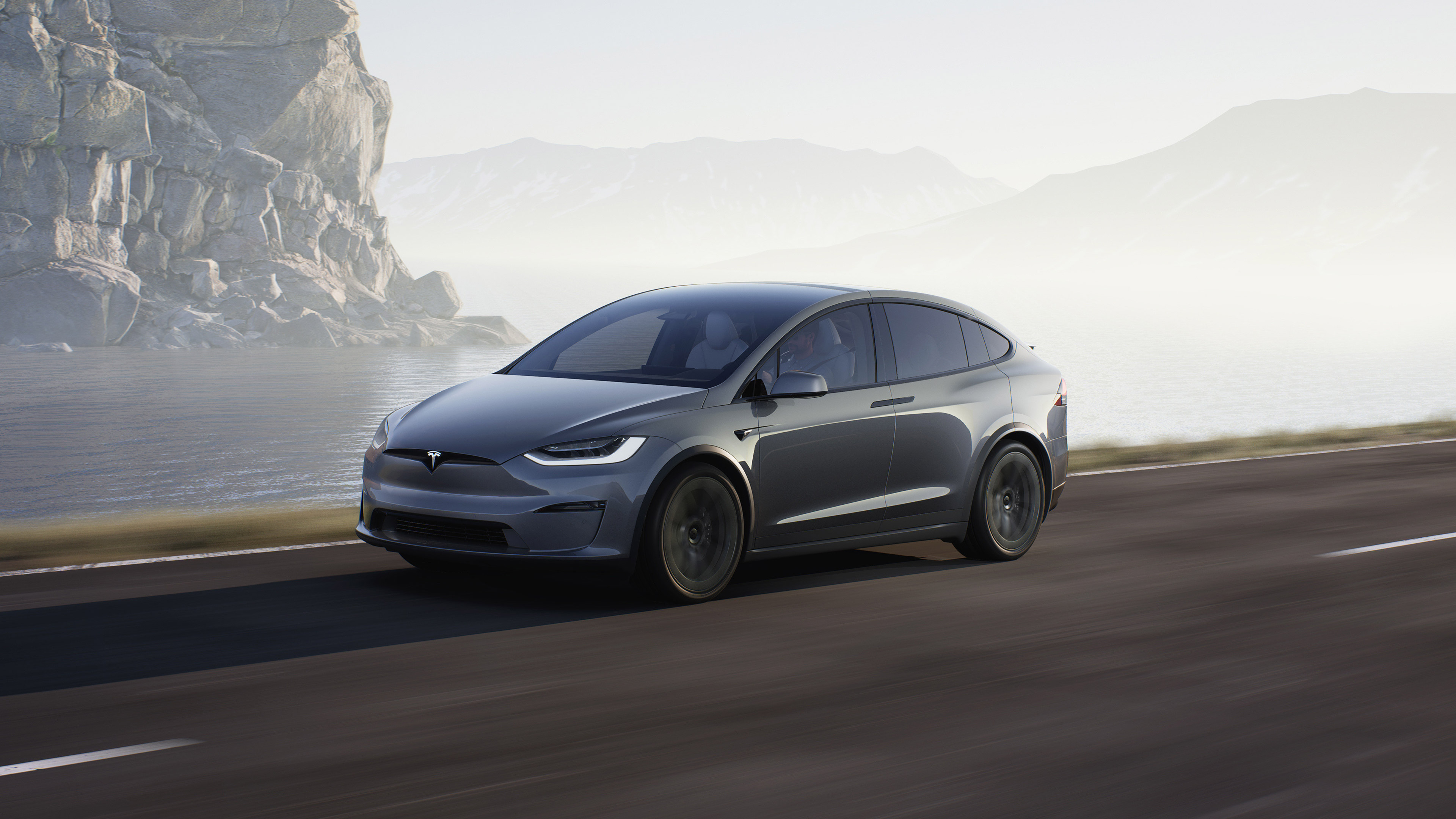
The Tesla Model Y has conquered the European sales charts, becoming a ubiquitous sight on roads from the fjords of Norway to the autostradas of Italy. It is, by the numbers, a resounding success. But what is it actually like to live with this electric SUV day-in, day-out, two years after the initial excitement has faded? This long-term review cuts through the hype to provide a detailed, 50,000-kilometer retrospective on owning a Tesla Model Y in Europe, focusing on the critical, real-world aspects of battery health, running costs, software evolution, and the often-debated Tesla service experience.
When I took delivery of my Long Range Model Y two years ago, it felt like a glimpse of the future. The minimalist interior, the instant torque, the massive touchscreen—it was a world away from the German sedans I had previously owned. Now, with 50,000 kilometers on the odometer, that initial novelty has been replaced by a deep familiarity. This review isn't about 0-60 times; it's about the pragmatic realities of EV ownership in Europe, the good, the bad, and the sometimes-frustrating truth.
Battery Life and Range: The Real-World Numbers
The single biggest question for any potential EV owner is range and battery longevity. My Model Y was advertised with a WLTP range of 533 kilometers. On a perfect summer day, brand new, I could get close to that on a gentle motorway cruise. Two years and 50,000 kilometers later, the battery management system reports a maximum range of around 495 kilometers, which indicates a battery degradation of approximately 7%. This is well within the expected range and is perfectly acceptable. My charging habits have been a healthy mix of about 80% charging at home on an AC wall connector and 20% DC fast charging at Superchargers on long trips, which helps preserve long-term battery health.
The real story, however, is the winter penalty. Living in a region with cold winters, where temperatures frequently drop below freezing, I can definitively say that range is a tale of two seasons. In the depths of a German winter, with the heating on, heated seats active, and dense, cold air to push through, the real-world range can drop by 30-35%. That 495 km of summer range becomes closer to 320 km of usable winter range. This is not a fault of the car but a reality of current battery chemistry. Thankfully, the Model Y's excellent heat pump and cabin preconditioning feature (warming the battery and cabin while still plugged in) mitigates this significantly. A prospective buyer must understand this: your usable range is defined by your worst-case winter commute, not the best-case WLTP number.
Software and Technology: A Car That Constantly Evolves
This is where the Tesla ownership experience shines and sets it apart from every other automaker. The regular over-the-air (OTA) software updates mean that the car I own today is demonstrably better than the one I bought. Over the past two years, I've received a redesigned user interface, customizable scroll wheel functions, a fantastic blind-spot camera feature that activates with the turn signal, and countless other performance and entertainment tweaks. It genuinely feels like the car is evolving with you.
However, not every update is a home run. The controversial "Vision-only" update, which removed radar and relies solely on cameras, has made features like auto-wipers and Phantom Braking events more unpredictable in certain weather conditions. The standard Autopilot, while a godsend for long, tedious motorway journeys in heavy traffic, is clearly constrained by European regulations. It keeps the car centered in its lane and maintains distance, but it's far from the "Full Self-Driving" experience seen in US videos. It's a superb cruise control system, not a chauffeur.
The Cost of Ownership: Is It Really Cheaper?
In a word: yes. The financial benefits have been significant. Over 50,000 kilometers, my total "fuel" cost, with my mix of home charging (at ~€0.30/kWh) and Supercharging (~€0.55/kWh), has been roughly €2,800. To cover the same distance in my previous petrol SUV, which averaged 8L/100km, would have cost over €7,000 at current European fuel prices. That's a saving of more than €4,200 on fuel alone.
The "zero maintenance" claim, however, is a myth. While there are no oil changes, Tesla does recommend a brake fluid check every two years and cabin filter replacements annually. My two-year service, which included the brake fluid, a new set of wiper blades, and a tire rotation, cost around €450. The biggest variable in the Tesla service experience is the service itself. Booking through the app is convenient, but communication can be patchy. Service center availability varies wildly by country, and while my experiences have been mostly positive, stories of long waits for parts or inconsistent quality are common across European owner forums. It feels less like the premium service of a legacy automaker and more like dealing with a very efficient, but sometimes impersonal, tech company.
Two-Year Verdict: Would I Buy It Again?
So, after two years of silent acceleration, software updates, and winter range anxiety, would I make the same choice? Unquestionably, yes.
The Tesla Model Y's combination of performance, practicality, advanced technology, and low running costs makes it an incredibly compelling family vehicle. It excels as a daily driver and, thanks to the Supercharger network, a capable long-distance cruiser. The ownership experience is defined by brilliant highs—the effortless OTA updates, the punchy acceleration, the sheer convenience of home charging—and some frustrating lows, namely the real-world winter range and the inconsistency of the service experience.
In the two years since I bought my car, the competition has intensified. The Hyundai Ioniq 5, Kia EV6, VW ID.4, and Ford Mustang Mach-E are all excellent EVs that offer compelling alternatives, often with better interior materials or a more traditional dealer service network. Yet, none of them can match Tesla's integrated ecosystem of hardware, software, and charging.
My advice for a prospective European buyer is this: The Tesla Model Y remains a brilliant choice, perhaps the best all-around family EV on the market. But go into it with your eyes open. Understand the reality of winter range, be prepared for a service experience that is different from what you're used to, and embrace the fact that you are buying a constantly evolving piece of technology. It’s a fantastic product from a company that still feels like a Silicon Valley startup operating in the deeply traditional world of European automotive culture.